Fire Hydrant Water Supply System Design Guide
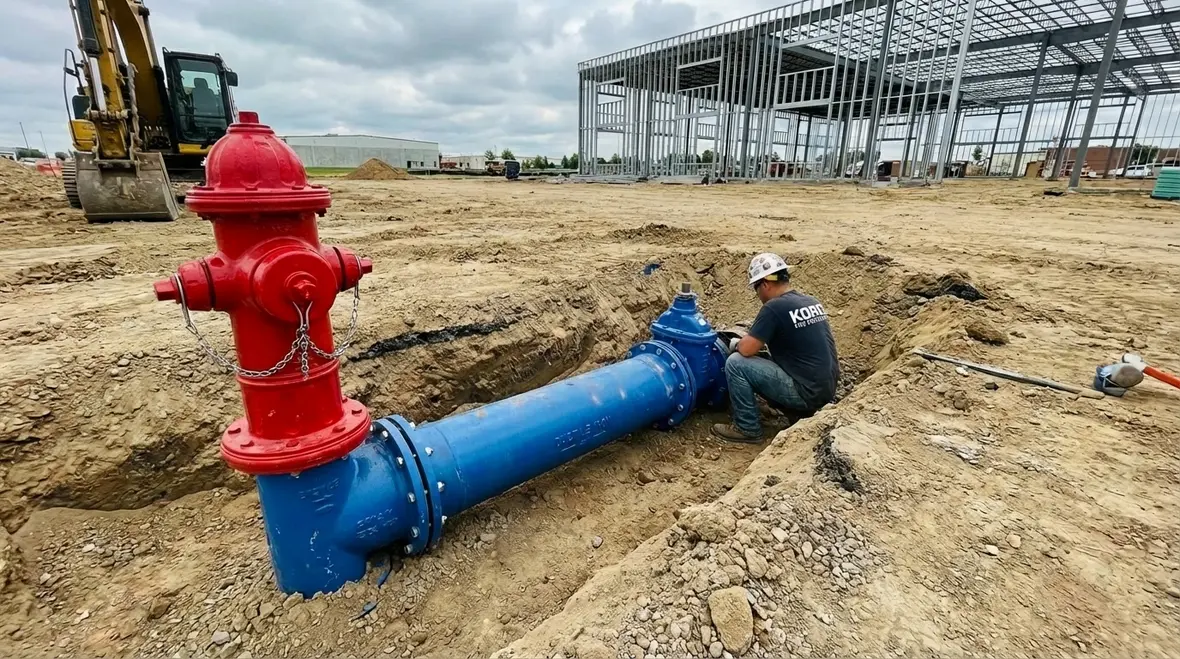
Every new development begins with a vision. Steel rises, concrete cures, and somewhere in the middle of it all stands a quiet guardian waiting for its moment of glory. That guardian is the hydrant. A well planned fire hydrant water supply system design is not just a box to check on a permit application. It is the backbone of emergency response, the difference between a close call and a catastrophe. Within the first stages of site planning, engineers must think beyond pipes and valves. They must consider flow, pressure, terrain, and the simple truth that water must arrive fast and strong when flames appear. Kord Fire Protection technicians often explain it this way: when fire strikes, nobody asks for average. They ask for dependable.

Understanding the Real Purpose Behind Hydrant Planning
At its core, hydrant planning exists to serve firefighters. However, it also serves insurers, code officials, property owners, and the community at large. Therefore, the design process must align with safety codes, hydraulic principles, and site specific realities.
First, hydrants must deliver adequate flow. Fire crews rely on predictable water volume measured in gallons per minute. If the system falls short, even by a small margin, the result can slow suppression efforts. Consequently, engineers conduct flow tests early in the project to measure available pressure and volume from the municipal supply. For a deeper look at how those flow tests are interpreted in the field, many teams reference Kord Fire's NFPA 291 fire hydrant testing and marking guide.
Second, placement matters. Hydrants must sit within regulated distances from buildings, fire department connections, and access roads. If they are too far away, hose lays become long and inefficient. If they are poorly positioned, fire trucks may block traffic or struggle with access.
Kord Fire Protection technicians often remind clients that hydrants are not lawn ornaments. They are tools. And like any tool, they must be positioned where they can do real work.
What Constraints Shape Fire Hydrant Water Supply System Design on New Sites?
New construction offers freedom. Yet, it also presents constraints. Land developers may assume that starting from scratch makes everything easier. In reality, blank land still carries limits.
Water Main Capacity
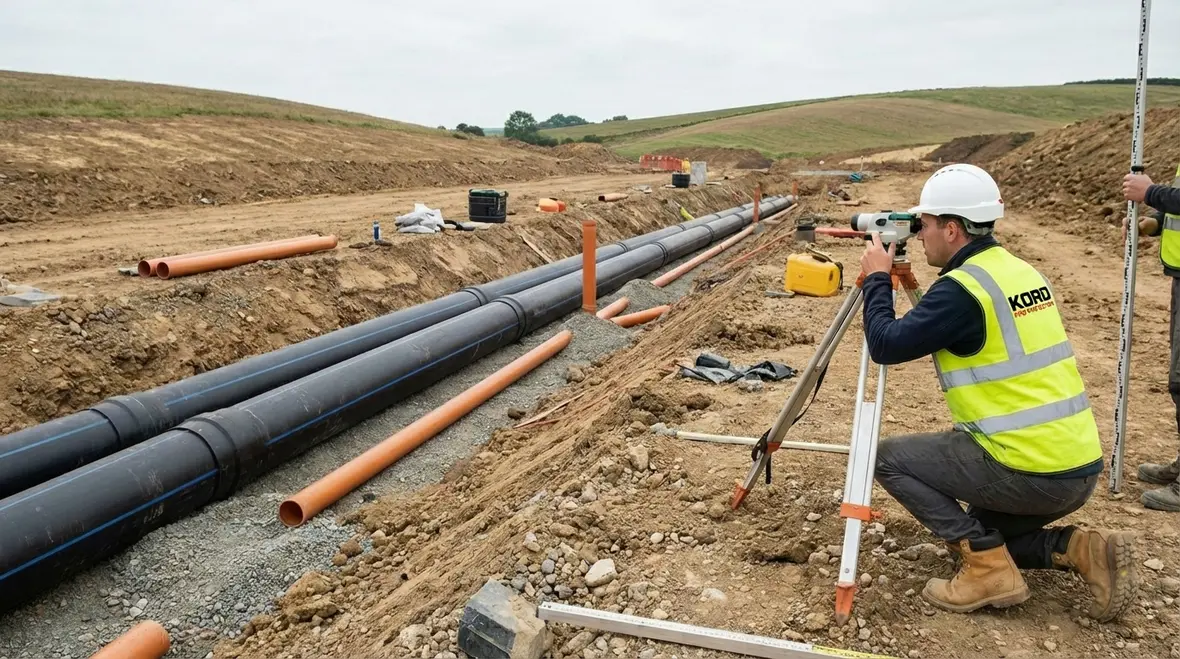
Municipal infrastructure dictates how much water is available. If the existing main lacks sufficient diameter or pressure, upgrades become necessary. That can mean tapping into a larger line or even extending infrastructure. Both options impact cost and schedule.
Elevation Changes
Water does not ignore gravity. When a site includes slopes or varied grades, pressure fluctuates. Higher elevations reduce available pressure. As a result, designers may need booster pumps or pressure regulating valves to stabilize the system.
Distance From Supply Source
The farther a hydrant sits from the main supply, the greater the friction loss in the pipe. Friction loss reduces flow. Therefore, pipe diameter calculations become critical. Undersized pipes choke performance, much like trying to drink a milkshake through a coffee stirrer.
Local Code Requirements
Fire codes vary by jurisdiction. Some require hydrants every 300 feet. Others mandate specific flow rates based on building size and occupancy type. Designers must align every decision with these rules. For additional context on hydrant system expectations, Kord's overview of fire hydrant system types and functions is often a helpful companion read.
When Kord Fire Protection technicians walk a new site, they see more than dirt and survey stakes. They see potential pressure drops, turning radiuses for trucks, and compliance checkpoints waiting to happen.
Hydraulic Calculations That Actually Matter
Behind every hydrant stands math. Not the sleepy classroom kind, but the kind that protects buildings.
Engineers calculate required fire flow based on building square footage, construction type, and hazard classification. For example, a large warehouse storing combustible goods demands higher flow than a small office building. Therefore, the hydrant system must support worst case scenarios.
Additionally, designers analyze residual pressure. Static pressure shows available pressure when no water moves. Residual pressure shows what remains when water flows at required demand. The difference between those numbers reveals system strength.
Friction loss calculations further refine the plan. Water moving through pipe encounters resistance along interior walls, fittings, and valves. Consequently, engineers choose pipe diameters that minimize loss while staying within budget.
Kord Fire Protection technicians often explain these numbers in plain language. They might say, “If the hydrant cannot outpace the fire, then we have designed a spectator, not a solution.” It is hard to argue with that.
Site Layout, Access Roads, and Real World Usability
Design does not live on paper alone. It must work in the field.
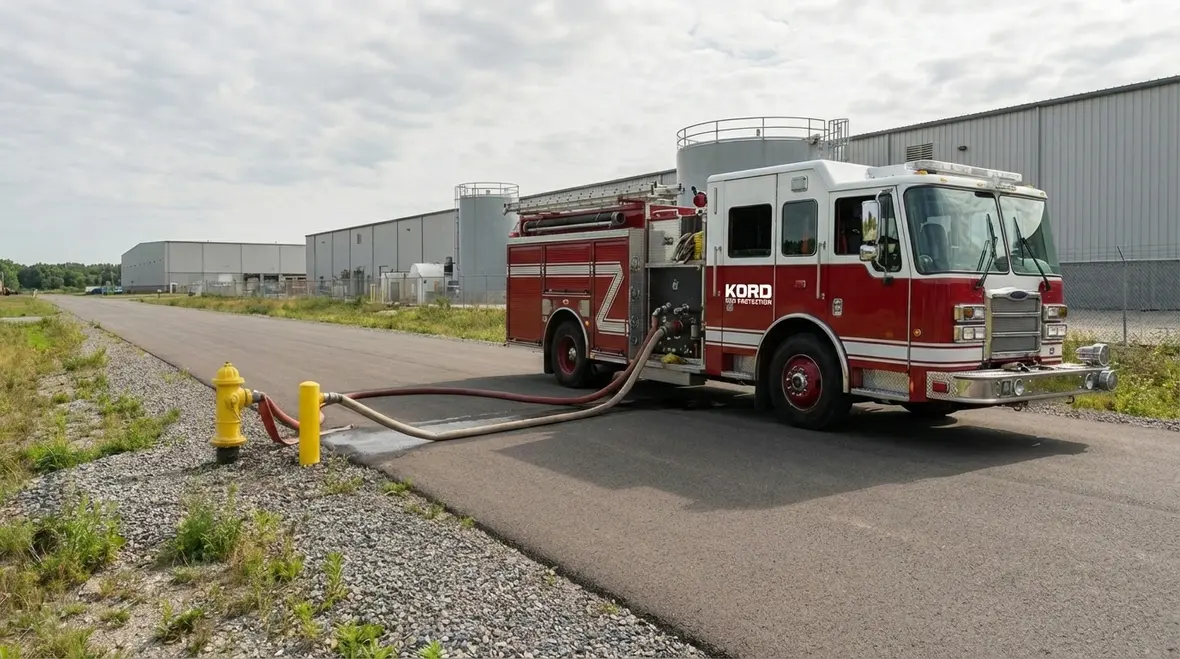
Hydrants require clear access. Fire apparatus must park close without obstruction. Therefore, planners coordinate with civil engineers to ensure proper road widths and turning radiuses. A hydrant hidden behind landscaping may look tidy, but during an emergency it becomes a liability.
Clear space around the hydrant also matters. Codes typically require a buffer zone free of fences, shrubs, or decorative boulders. While a decorative rock garden may impress visitors, it will not impress firefighters dragging heavy hose at two in the morning.
Moreover, spacing between hydrants must support hose deployment strategy. Fire crews calculate hose lengths carefully. Too much distance increases setup time. Consequently, designers place hydrants at intervals that match operational realities.
Kord Fire Protection technicians emphasize that coordination between trades prevents costly relocations later. When utility trenches, storm drains, and hydrant laterals compete for space, early planning keeps everyone cooperative rather than combative.
Material Selection and Long Term Reliability
Durability plays a quiet yet powerful role in system performance. A hydrant may sit idle for years. However, when needed, it must function without hesitation.
Pipe material selection influences longevity. Ductile iron remains a common choice because it handles pressure well and resists damage. In corrosive soils, protective coatings or cathodic protection systems extend service life.
Valve placement also deserves attention. Sectional control valves allow maintenance teams to isolate small portions of the system without shutting down the entire site. Therefore, strategic valve spacing improves serviceability.
| Design Element | Why It Matters |
| Pipe Diameter | Controls flow capacity and reduces friction loss |
| Hydrant Type | Determines outlet size and compatibility with fire department equipment |
| Burial Depth | Protects against freezing and surface damage |
| Control Valves | Allows targeted maintenance without system wide shutdown |
Although these elements may seem routine, together they form the backbone of dependable hydrant infrastructure. And as Kord Fire Protection technicians like to point out, reliability is never accidental.
Coordination With Municipal Authorities and Fire Departments
No hydrant system stands alone. It connects directly to public infrastructure and emergency services.
Early coordination with the local water authority confirms available capacity and connection requirements. In some cases, municipalities require backflow prevention assemblies to protect potable water. Therefore, designers integrate these devices without restricting flow.
Engagement with the fire department also proves essential. Fire marshals may request specific hydrant models or thread types to match department equipment. Additionally, they review spacing, access, and signage.
Because each jurisdiction interprets codes slightly differently, open communication reduces redesign. Kord Fire Protection technicians frequently attend review meetings to clarify technical details. They translate engineering language into practical impact, ensuring that both regulators and developers share the same expectations.
After all, surprises belong in birthday parties, not plan review sessions.
Cost Control Without Sacrificing Performance
Budget discussions inevitably enter the conversation. Developers seek efficiency. Engineers seek compliance and safety. The challenge lies in balancing both.
Value engineering can optimize layout without undermining performance. For instance, adjusting building orientation may shorten underground piping runs. Similarly, upsizing a single section of main may eliminate the need for a pump.
However, cutting corners on pipe size or hydrant count often creates greater expense later. Insurance ratings may suffer. Code officials may reject plans. Therefore, informed cost control focuses on smart design, not minimal design.
Kord Fire Protection technicians often explain that spending wisely upfront prevents writing much larger checks after construction. It is the classic pay now or pay dramatically more later scenario. Hollywood loves a dramatic sequel. Construction budgets do not.
Planning for Future Expansion and Changing Risk
New sites rarely remain frozen in time. Businesses expand. Warehouses add storage racks. Office parks grow additional buildings. Consequently, hydrant systems should anticipate growth.
Designers may size mains slightly larger than immediate demand requires. This approach allows future tie ins without full replacement. Additionally, strategic valve placement supports later extensions.
Risk profiles can also evolve. A light storage building may convert into high piled combustible storage. Therefore, early collaboration with owners helps forecast potential shifts in occupancy.
A thoughtful fire hydrant water supply system design considers not only today’s blueprint but tomorrow’s possibilities. As Kord Fire Protection technicians often remark, the best systems age gracefully. They adapt without complaint.
FAQ About Fire Hydrant Systems for New Developments
Conclusion: Building Confidence Into Every Site
In the end, great hydrant planning delivers more than code compliance. It delivers confidence. A properly engineered system supports firefighters, protects property, and safeguards lives. Kord Fire Protection technicians stand ready to guide developers through every calculation and coordination step.
When new sites demand strength beneath the surface, their team ensures the water will answer the call. Reach out to Kord Fire Protection today and build a hydrant water supply system that performs when it matters most. For property owners looking for turnkey field support, Kord's regional fire protection service hubs make it easy to schedule hydrant services, testing, and long term maintenance.
Know Your Weapon Before You Fight the Flame
Kord Fire Protection is your go-to when it comes to all things fire protection. For over 20 years, we’ve been serving Southern California with the quality service and equipment to keep your home or business safe at all times. Our competitive prices reflect our unwavering commitment to protecting what matters most in the event of a fire emergency. Give us a call, send an email, or use that form!

Join Our Newsletter!
Get the latest fire safety tips delivered straight to your inbox From our Newsletter.