
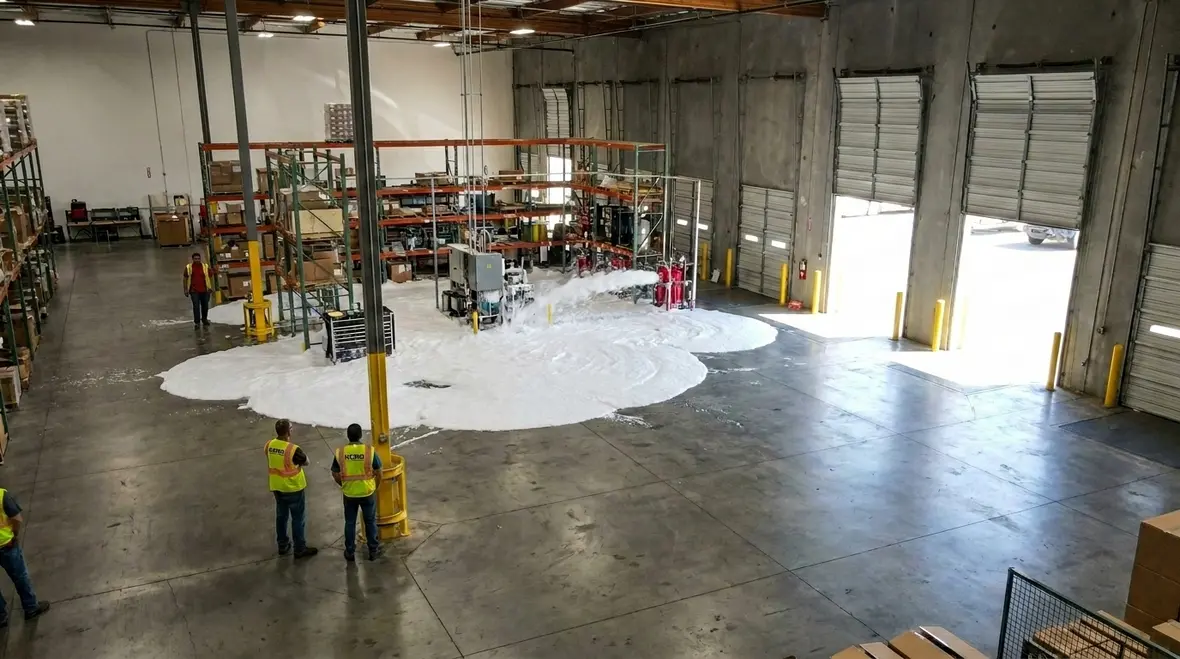
Foam Fire Suppression Southern California Now Matters
Foam Fire Suppression Systems in Southern California: Why They Matter Now
In foam fire suppression southern california, fire risk is not theoretical. It shows up in warehouses, auto-related facilities, food plants, aerospace support sites, and even some specialty commercial kitchens. When a fire involves flammable liquids or fuel based hazards, water alone can miss the mark, because it can spread burning material instead of stopping it. That is where foam fire suppression steps in, using an engineered blanket that cools, smothers, and helps control the fire. And in the end, the goal is simple: protect people, limit damage, and keep operations from turning into a very expensive episode of “What Not To Do.”
Southern California facilities have plenty of reasons to pay attention. Regional operations often move fast, run long shifts, and depend on inventory or equipment that cannot afford a surprise shutdown. Kord Fire Protection’s dedicated foam fire suppression systems service page highlights support for installation and maintenance of foam suppression in commercial and industrial settings, while the company’s broader fire suppression services page emphasizes that suppression systems are inspected and tested on a semi-annual basis. That combination matters because a foam system is only impressive when it is actually ready to work.
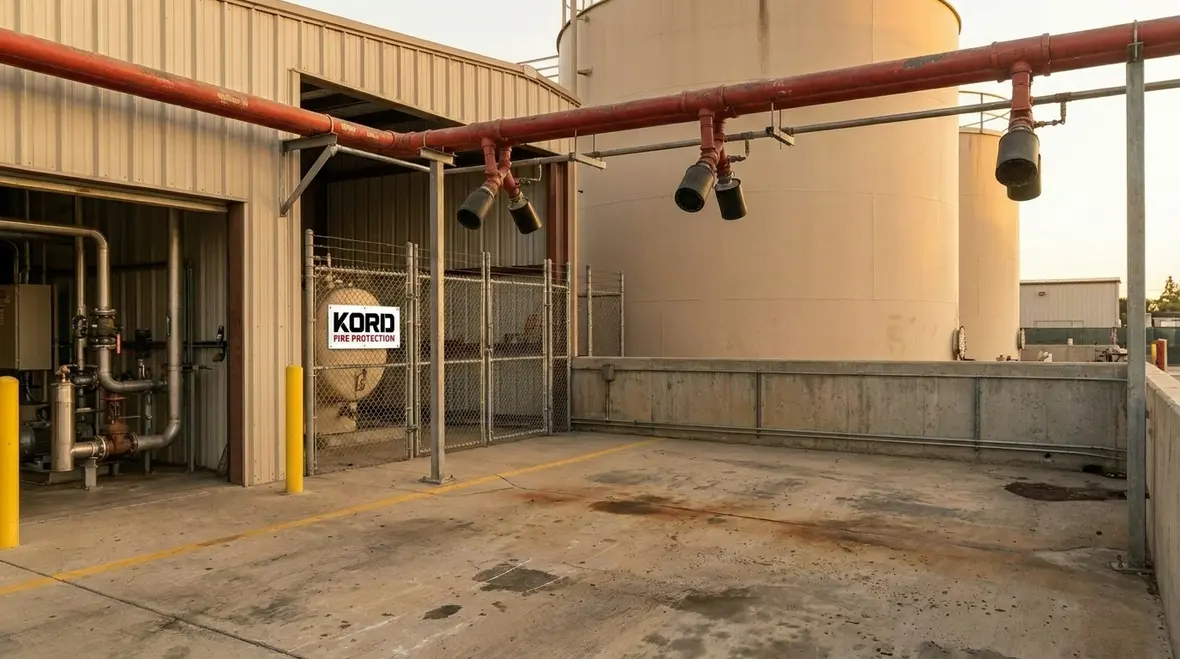
How foam systems work in the real world
Detection, discharge, and coverage all have to cooperate
Foam systems are designed to control specific fuel classes, and they do it with a mix of training, equipment, and correct application. First, the system detects the hazard, then it releases foam through nozzles or discharge units. The foam forms a top layer that blocks oxygen and interrupts the fire chemistry. Meanwhile, cooling slows the heat feed and helps prevent re ignition.
In practice, installation details decide whether it performs well or just looks good on paper. For example, foam concentration, water flow, nozzle spacing, and piping layout all affect results. Therefore, proper design helps ensure the foam reaches the hazard surface evenly. Also, buildings in Southern California often include complex layouts, mezzanines, and overhead obstructions, so planners must account for airflow and discharge coverage.
Some facilities also need operational flexibility. However, they cannot guess. They need a system that is matched to their fuel types, ventilation conditions, and fire load. If the wrong foam type is used, the system may protect equipment but fail to control the fire fast enough. And yes, that is the kind of “fun” no manager wants to find out during an alarm. Not unless they enjoy chaos, which most people do not.
Kord Fire Protection’s recent article on foam system fire protection for flammable liquids explains the same practical idea in plain language: the foam blanket suppresses vapors, cools the surface, and separates the liquid from oxygen. That article also notes that many facilities can integrate foam-water configurations with existing sprinkler protection, which is useful when a site has both ordinary combustibles and higher hazard liquid exposures.
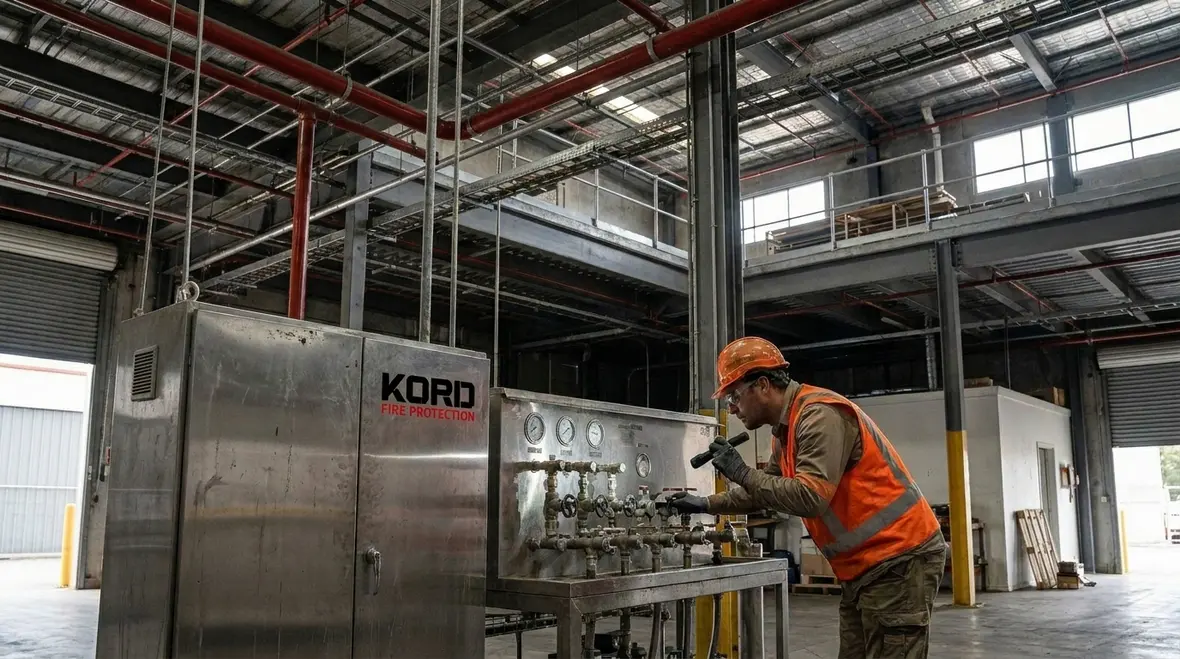
Where Southern California facilities use foam protection
Common hazards that call for more than plain water
Different industries rely on foam for different reasons, and Southern California has no shortage of them. Common use cases include:
- Above ground storage tanks and pump rooms where flammable liquids can spill
- Aircraft maintenance hangars and fuel handling areas
- Marine and industrial loading zones
- Manufacturing sites with solvents, coatings, or chemical processing
- Warehouses that store items that support rapid flame spread
In addition, certain systems also support additional protection goals. For instance, foam can help control a spill driven fire during loading operations, which reduces the chance that fire spreads beyond the immediate area. Moreover, in facilities with multiple hazard zones, foam can be integrated with other suppression and detection components so crews get clear guidance during an emergency.
Kord Fire Protection’s main Southern California fire protection company page and about page both reinforce that the company serves commercial and industrial clients across Southern California and supports fire suppression work ranging from foam systems to clean agent and vehicle suppression. That breadth is useful because many properties do not have just one hazard. They have several, all trying to be difficult at the same time.
Choosing the right foam type and design
Selection is about hazard reality, not marketing glitter
Not all foam is the same, and the hazard does not care about marketing claims. The right selection depends on the fuel, the environment, and the operating conditions. Designers consider how the foam breaks down, how it floats on the liquid, and how it handles contamination such as water, surfactants, or additives.
In foam fire suppression southern california planning, engineers typically evaluate:
- Fuel class and expected spill behavior
- Foam expansion requirements for the space and enclosure
- Hydraulics and discharge duration based on coverage needs
- Pipe sizing, strainers, and the long term maintenance approach
- Exposure to heat, wind, and ventilation that can affect coverage
Then comes the part that most people overlook until it causes problems: long term reliability. Foam systems can include proportioning equipment, concentrate storage, and valves that must stay in range. As a result, design documents should include clear performance assumptions, and the installation should follow those assumptions strictly.
If environmental goals are part of the conversation, Kord Fire Protection also has an article on eco friendly fire suppression foam without PFAS that discusses why chemical choice, field review, and system compatibility deserve attention before anyone pretends the decision is simple. In other words, choosing foam is not a game of “close enough.” It is a technical match between the agent and the actual risk.
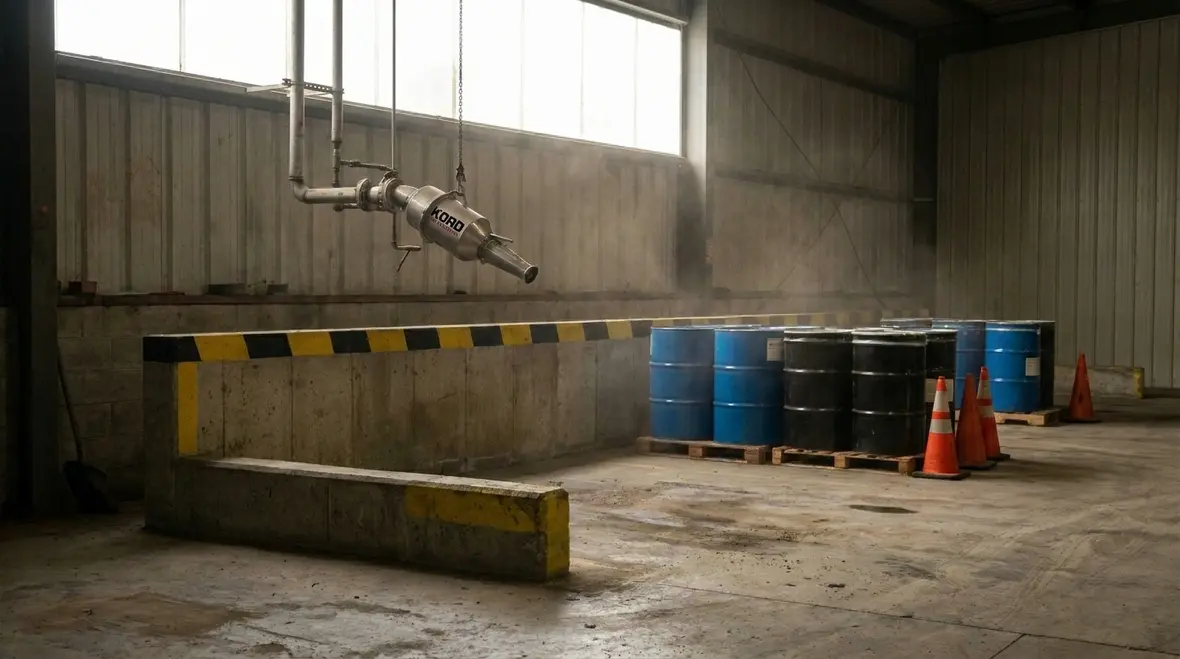
Inspection, testing, and compliance that keep systems ready
Readiness is a maintenance habit, not a last minute mood
Even a well designed foam system needs steady care. Testing confirms discharge patterns, flow rates, and correct concentrate ratios. It also verifies that valves actuate as expected and that detectors or release devices work without delay. However, testing without a proper plan can create disruptions, so reputable service teams schedule work to protect operations.
For businesses in Southern California, inspection and maintenance must also fit local operational realities. Facilities may run long shifts, store critical parts, or maintain strict production schedules. Therefore, service planning should coordinate with safety teams, building operators, and any fire watch requirements when needed.
When testing is done correctly, it reduces uncertainty. It also improves training outcomes for staff who must respond quickly and safely. And yes, inspections also catch the small issues early, like a clogged component or a valve that has started to drift out of spec. Small issues then become manageable issues, not emergency issues.
Kord Fire Protection’s full fire protection services page describes a broader inspection ready approach that includes sprinkler, alarm, extinguisher, and suppression system support across Southern California. That matters because foam protection rarely lives in isolation. It usually shares space, staffing, and emergency procedures with other life safety systems, so coordinated service keeps the whole operation sharper.
Why Kord Fire Protection becomes a vital partner
A specialized system deserves a specialized team
Foam system work is not just a box to check. It requires engineering awareness, field experience, and a maintenance mindset that treats readiness as a daily responsibility. That is where Kord Fire Protection becomes a vital partner with this service job. They help facilities manage the full lifecycle, from evaluation and installation support to inspection readiness and ongoing system performance.
For example, Kord Fire Protection can help teams align the system design with real hazard conditions on site. Instead of relying solely on assumptions, they focus on how the system performs in the facility layout, including access points, discharge coverage paths, and operational constraints. Then they help coordinate inspection and testing so the business stays productive while still meeting safety expectations.
Most importantly, a strong partner reduces the “mystery factor.” Foam systems involve specialized components and procedures, and when the right service team is involved, the process becomes clearer for managers, operators, and safety staff. In other words, it turns firefighting readiness into a plan, not a hope. And hope is great for movies, but in fire protection it is better to have a verified system.
Maintenance planning for teams that do not want surprises
A simple plan beats a dramatic scramble every time
A practical maintenance plan keeps foam systems dependable. It also helps facilities avoid last minute downtime and keeps documentation organized for audits. To build that plan, teams should track inspection intervals, prioritize parts that wear over time, and schedule test activities with minimal disruption.
Good planning usually includes:
- Documented service history, concentrate records, and test results
- Clear procedures for valve checks, discharge checks, and system resets
- Access routes for technicians so work stays safe and efficient
- Training for facility staff on basic system awareness and response
- Review of hazard changes such as new tanks, process changes, or layout updates
Meanwhile, facilities should treat changes as triggers. If a company adds a chemical line, changes storage capacity, or updates equipment locations, the foam system may need review. When organizations handle those updates early, they avoid costly “why did it fail?” moments later.
If your building also relies on adjacent suppression methods for different hazard pockets, Kord Fire Protection’s article on fire suppression system design, types and maintenance is a useful companion read. It frames suppression as part of a larger strategy instead of a lonely piece of hardware bolted into a corner and forgotten until everyone suddenly cares.
FAQ: Foam fire suppression southern california
Final call for protection that stays ready
Foam fire suppression southern california is a smart option when flammable liquid hazards exist and quick control matters. However, a foam system only protects when it fits the real site conditions and when it receives consistent inspection and service. Kord Fire Protection can help facilities plan for dependable performance, coordinate testing, and support maintenance that keeps operations safer.
For teams ready to take the next step, review Kord Fire Protection’s foam fire suppression systems page and explore their full fire protection services for broader facility support. Reach out to Kord Fire Protection to review your hazard setup and build a readiness plan that does not rely on luck. Nobody wins when fires decide the schedule.

Join Our Newsletter!
Get the latest fire safety tips delivered straight to your inbox From our Newsletter.



