
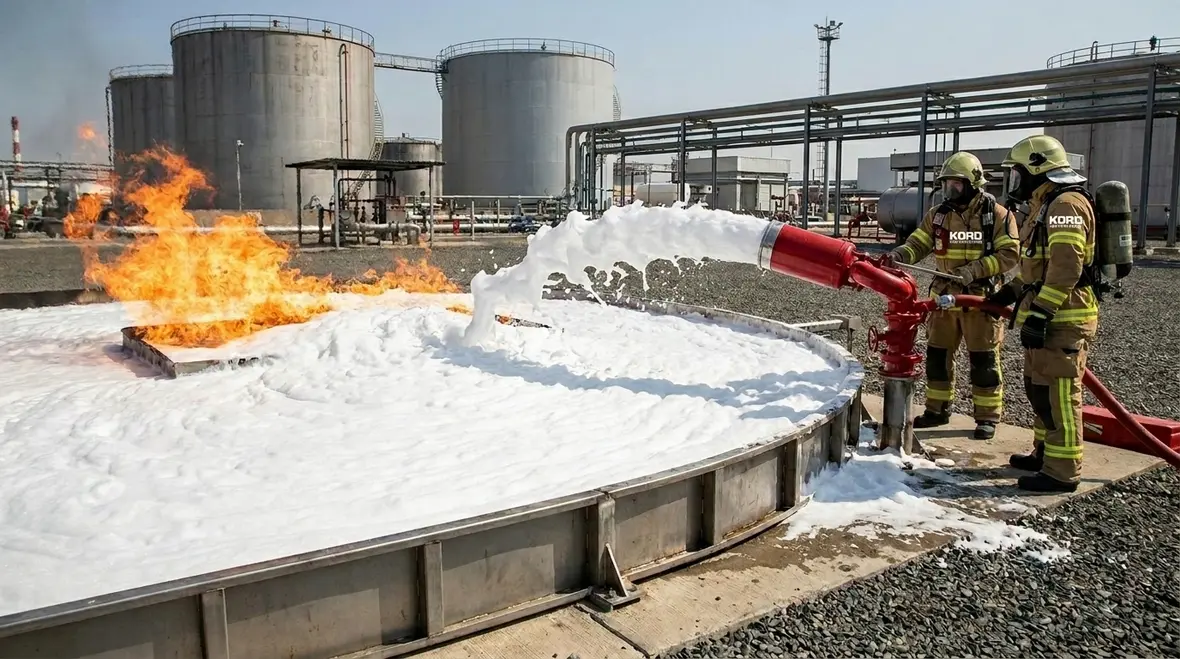
Foam Concentrate Fire Suppression for Flammable Liquids
In the world of fire safety, foam concentrate fire suppression acts like a calm, capable teammate that shows up before the chaos grows. It is not just “spraying something and hoping for the best.” Instead, it delivers a ready mix that helps control flames and cools hot surfaces, especially when fuels like flammable liquids are involved. And yes, fires can be dramatic, but a good suppression plan stays steady. This article explains what foam concentrates do in fire suppression, how the right system design matters, and why KORD Fire Protection can become a vital partner when the job demands real-world reliability.
Because every building, tank, and risk profile has its own rules, the discussion below follows the flow of an actual incident response plan, not a textbook fantasy where everything works perfectly every time.
What foam concentrate fire suppression systems actually do
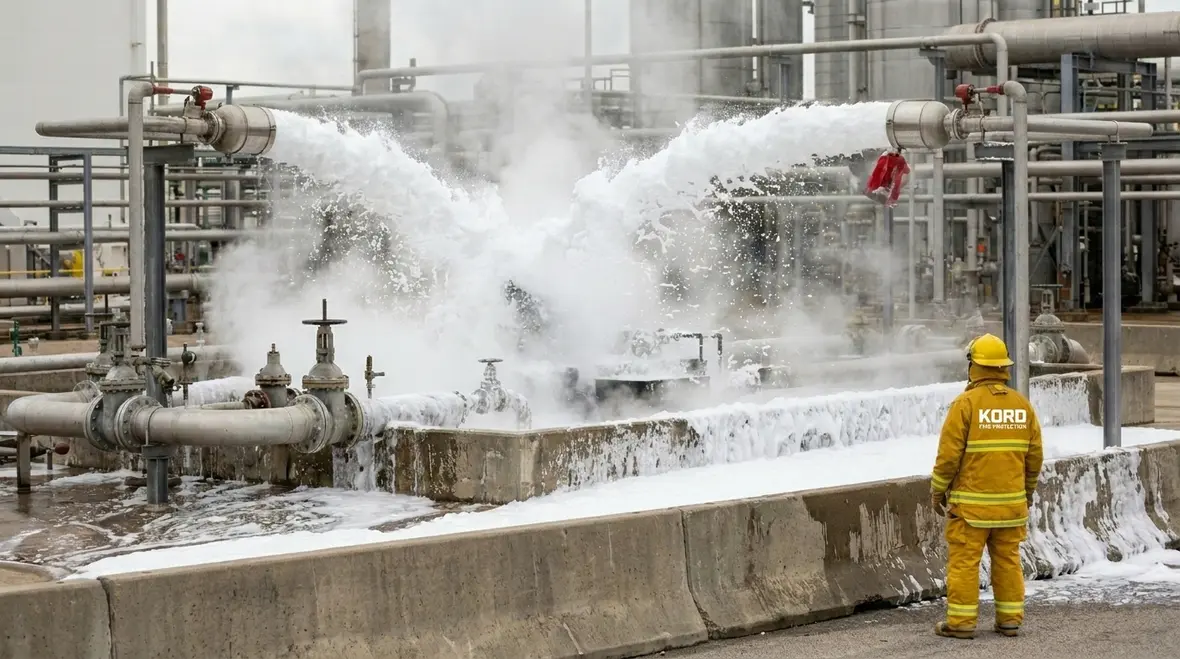
Foam concentrates combine with water and air to form foam that can blanket a burning surface. As a result, the foam smothers the fire, reduces fuel vapors, and helps prevent re ignition. When the foam layer forms quickly, it limits oxygen reaching the fuel, and it also helps block heat transfer back to the liquid.
Therefore, foam concentrate fire suppression works best when the hazard involves fuels that can keep feeding the fire. In many industrial settings, that means flammable liquids, certain chemical spills, or tank-related risks. Meanwhile, water alone might cool some surfaces, but foam focuses on the key problem: the vapor and the fuel interface. That practical distinction is why sites reviewing foam system fire protection for flammable liquids often discover that hazard-specific design matters far more than a one-size-fits-all answer. ([kordfire.com](https://kordfire.com/foam-system-fire-protection-for-flammable-liquids/?utm_source=openai))
And just to keep expectations grounded, foam is not a magic spell. It requires correct proportioning, correct discharge design, and the right type of foam for the material. Otherwise, the system becomes decorative. Like a sports car with no wheels. KORD’s own concentrate guide makes the same point in more technical terms: the chemistry flowing through the system has to match the hazard and application method if the protection is supposed to perform when conditions get ugly. ([kordfire.com](https://kordfire.com/foam-fire-protection-system-concentrate-guide/?utm_source=openai))
How the concentrate turns into foam at the right time
From stored concentrate to active suppression
Foam concentrate stays in a storage container until the system needs it. Then it is fed into a proportioning unit, which mixes the concentrate with water at the correct ratio. Next, the system introduces air or uses a method that generates the foam structure at the nozzle or discharge device.
Because timing and mixing accuracy matter, foam concentrate fire suppression depends on steady control. If the ratio drifts, foam performance can drop. If discharge patterns do not match the hazard, the blanket may not hold. So, the job is not only buying concentrate. The job is integrating concentrate, pumps, valves, piping, and discharge design into one coordinated response. KORD’s foam content repeatedly emphasizes this recipe-like balance because too little concentrate weakens the blanket and too much can waste resources and affect performance. ([kordfire.com](https://kordfire.com/fire-suppression-system-types-explained-2/?utm_source=openai))
Also, temperature and water quality can influence performance. That is why maintenance and inspection procedures matter, not just during annual tests, but throughout the year as conditions change. Inferred from KORD’s related service and blog pages, the real win is consistency: every component has to cooperate so the system behaves like a system and not a bucket of unrelated parts. ([kordfire.com](https://kordfire.com/fire-suppression-system-types-explained/?utm_source=openai))

Why foam matters for flammable liquid hazards
The blanket, the vapor control, and the cooling effect
For flammable liquid fires, foam concentrates tackle three targets at once. First, they form a blanket that slows oxygen access. Second, they reduce the release of flammable vapors. Third, they help cool the surface and resist breakdown longer than water spray alone, depending on foam type.
Additionally, some foam systems work with a knockdown phase, then a protective phase. This layered approach can help prevent the “looks out, flames back in” problem. In real life, that re ignition risk can show up quickly if the fuel layer remains exposed. KORD’s flammable-liquids foam article and its foam-versus-water comparison both explain that foam does more than cool; it seals vapors and creates the separation that water alone cannot provide. ([kordfire.com](https://kordfire.com/foam-system-fire-protection-for-flammable-liquids/?utm_source=openai))
In short, foam helps the incident commander buy time. It also helps protect surrounding areas by controlling fire spread and heat exposure. And when surrounding equipment, structures, or storage zones are part of the exposure problem, that extra control can mean the difference between a contained event and a facility-wide nightmare. KORD’s guidance on flammable and combustible liquid hazards reinforces that these environments demand protection built around how liquid fuels actually behave. ([kordfire.com](https://kordfire.com/nfpa-30-flammable-and-combustible-liquids-guide/?utm_source=openai))
Different foam types match different risks
Not every foam works for every fuel. Foam concentrates come in different formulations designed for varying fire behavior and environmental needs. Some foams emphasize rapid knockdown. Others emphasize burnback resistance. Some are engineered for polar solvents. Others suit hydrocarbon fuels and tank protection.
That means selecting foam involves more than picking the label that sounds impressive. A site needs a proper risk assessment that reviews the fuel type, spill scenarios, water supply limits, and discharge options. Then the team selects the foam concentrate that can perform under those conditions. KORD’s concentrate guide directly supports that approach by tying foam selection to compatibility, hazard type, and application method rather than marketing gloss. ([kordfire.com](https://kordfire.com/foam-fire-protection-system-concentrate-guide/?utm_source=openai))
If the facility stores multiple materials, the design may require a strategy that accounts for changing hazards. Therefore, foam selection becomes part of the broader fire protection engineering plan, not a last-minute purchase decision. For readers who want a fuller comparison of system approaches, KORD also breaks down related options in its overview of fire suppression system types, which helps place foam in the wider protection toolbox. ([kordfire.com](https://kordfire.com/fire-suppression-system-types-explained/?utm_source=openai))
System design and maintenance that keep foam dependable
Reliability is built, tested, and checked
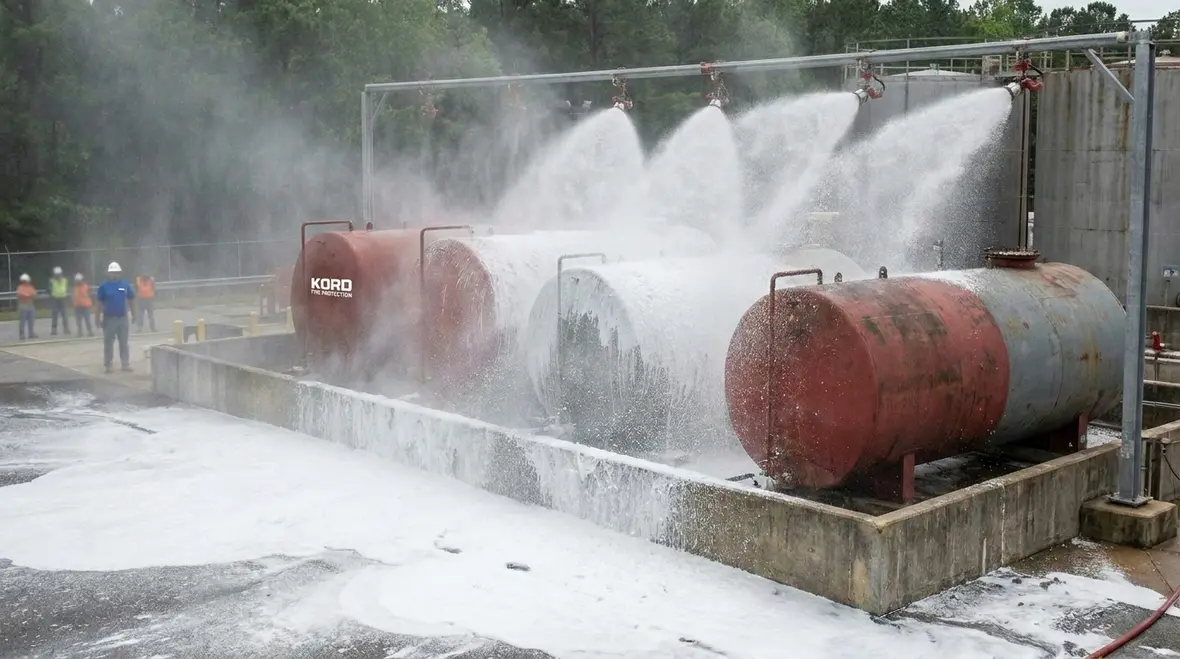
Even the best foam concentrate fire suppression system can fail if the system configuration does not support the hazard. Key elements include proportioning accuracy, pump performance, supply reliability, and nozzle placement. Also, the piping layout should support consistent flow to the discharge devices.
Maintenance plays a direct role in performance. Routine inspection verifies that the concentrate is present, proportioning equipment operates correctly, and valves and piping stay clear. Testing also confirms that the discharge pattern covers the expected area and that foam quality meets the intended specifications.
When this work gets neglected, systems can drift into “technically installed” status. That is when someone flips a switch and discovers the system behaves like it has never met the real world. KORD Fire Protection helps teams avoid that trap by treating maintenance like a core operating function, not a box to check. That mindset aligns with KORD’s service pages, which frame readiness around inspection, code-compliant upkeep, and coordinated system support instead of install-and-forget thinking. ([kordfire.com](https://kordfire.com/full-fire-protection-services/?utm_source=openai))
Where KORD Fire Protection fits as a vital partner
Fire protection is not a single product. It is a coordinated system, and it needs a partner that understands the full lifecycle. That is where KORD Fire Protection becomes a vital partner with foam concentrate fire suppression services and jobs. They help facilities plan for the hazards, select the right foam approach, and keep the system ready to perform when it matters. KORD’s own site presents that full-lifecycle model across its company overview, core services, and foam-specific resources. ([kordfire.com](https://kordfire.com/about-fire-protection/?utm_source=openai))
Because professionals look beyond installation, KORD Fire Protection can support design reviews, integration into existing protection systems, and maintenance programs that keep proportioning equipment, pumps, and discharge devices in dependable shape. In other words, they help turn foam concentrate fire suppression from a “component” into a dependable response capability. If you want to explore the dedicated service page, KORD’s foam fire suppression systems resource is the natural next stop. ([kordfire.com](https://kordfire.com/foam-system-fire-protection-for-flammable-liquids/?utm_source=openai))
And if you are thinking, “We have a system already,” that is exactly when a partner proves value. Systems age. Water chemistry changes. Production activities evolve. Then the hazard shifts, and the plan needs updates. Like updating your playlist before the same old beat makes everyone fall asleep.
FAQ about foam concentrate fire suppression
Conclusion: make foam suppression performance part of your plan
Foam concentrate fire suppression helps facilities control flammable liquid fires by forming a protective foam blanket, reducing vapor release, and supporting knockdown and burnback resistance. Yet performance depends on correct selection, proper system design, and consistent maintenance. If the goal is a response that behaves like it was rehearsed, teams should bring in KORD Fire Protection as a partner.
Reach out to KORD Fire Protection to review your hazard, validate system readiness, and strengthen your fire protection plan. For a broader next step and service-oriented CTA, visit KORD’s full fire protection services page and connect your foam strategy to a complete inspection, maintenance, and support program. ([kordfire.com](https://kordfire.com/full-fire-protection-services/?utm_source=openai))

Join Our Newsletter!
Get the latest fire safety tips delivered straight to your inbox From our Newsletter.



