
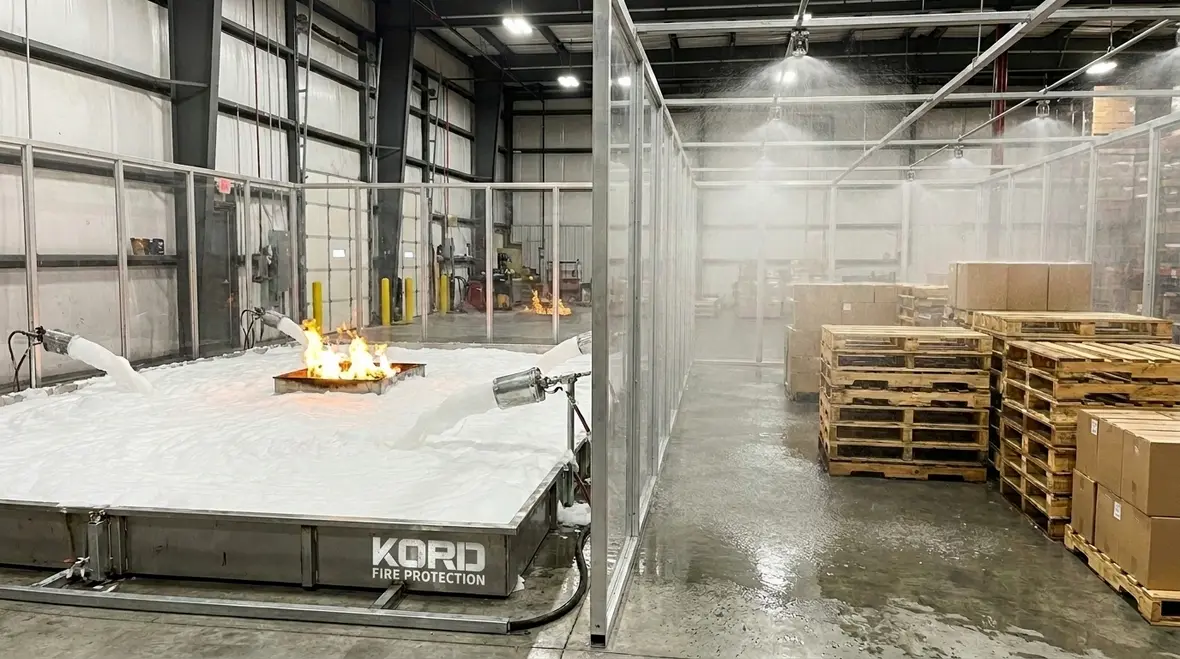
Foam Fire Suppression vs Water Sprinklers by Kord
Foam fire suppression vs water sprinkler systems: what protects a site the best
When it comes to foam fire suppression vs water based sprinkler systems, the choice is not about “which is cooler.” It is about matching the hazard, the fuel, and the real-world conditions that show up when a fire starts. Water sprinklers handle many common building risks, but foam systems shine when the fire involves flammable liquids or when runoff control matters. In this guide, third person experts will break down how these systems differ, where each one performs best, and why Kord Fire Protection often becomes the vital partner that makes the whole approach work on day one and day one hundred.
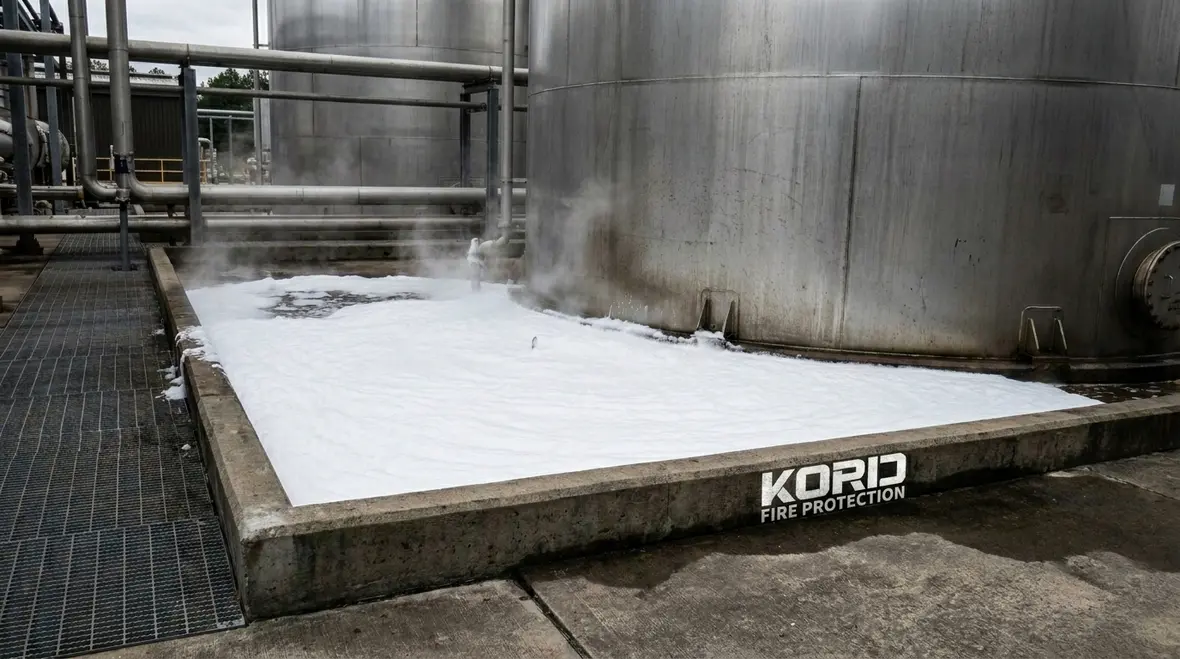
How foam fire suppression works compared to sprinkler water
Foam suppression works by forming a blanket on the burning or vulnerable surface. As a result, it blocks oxygen and slows vapor release. That helps especially with fuels like gasoline, oils, and many chemical liquids. Moreover, foam can also cool surfaces and create a barrier that reduces re ignition. Kord’s own discussion of foam system fire protection for flammable liquids points to the same practical advantage: the right foam strategy is selected around fuel type, storage method, and layout, not vibes and wishful thinking.
Water based sprinkler systems operate differently. They disperse water through sprinklers in a heat activated response. Then, the spray cools the fire, and it can help protect exposures nearby. However, in a flammable liquid fire, water can spread burning material if the system does not manage the situation properly. So, people often say water is “great for fires” while foam is “built for fuel fires.” That is not a slogan, it is a practical outcome.
Why the extinguishing method changes the outcome
That difference matters because the fire behavior changes with the fuel package. If the hazard is a pool of ignitable liquid, surface sealing and vapor suppression can mean the difference between gaining control and chasing the same hazard around the room. In contrast, if the main issue is burning ordinary combustibles, water’s cooling power can interrupt growth quickly and help contain the incident before it snowballs into a full facility nightmare.
Which hazards favor foam and which favor water
In many facilities, fire protection experts choose foam for higher risk liquid hazards. For example, foam often supports storage tanks, pump areas, aircraft hangars, loading zones, and industrial spaces with flammable liquids. It also helps when the building needs controlled application, because foam can cover the surface and reduce the mess that usually follows. Kord’s foam fire suppression systems page is especially relevant here because it aligns foam protection with sites where liquid fuel hazards need a more specialized response.
On the other hand, sprinkler systems often protect general occupancy areas, corridors, warehouses with non liquid hazards, and light industrial zones where combustibles are the main risk. In those settings, sprinklers can react fast and limit growth, which keeps escape routes safer. This is one reason mixed occupancy buildings often rely on more than one suppression strategy rather than trying to make a single system do every job badly.
To put it simply, the hazard drives the decision. If the fire starts with fuel at the surface, foam can stop it from “breathing.” If the fire starts with nearby solids and materials, water can cool and slow spread. Either way, the right design matters. Otherwise, the system becomes an expensive hope. And nobody needs that kind of entertainment.
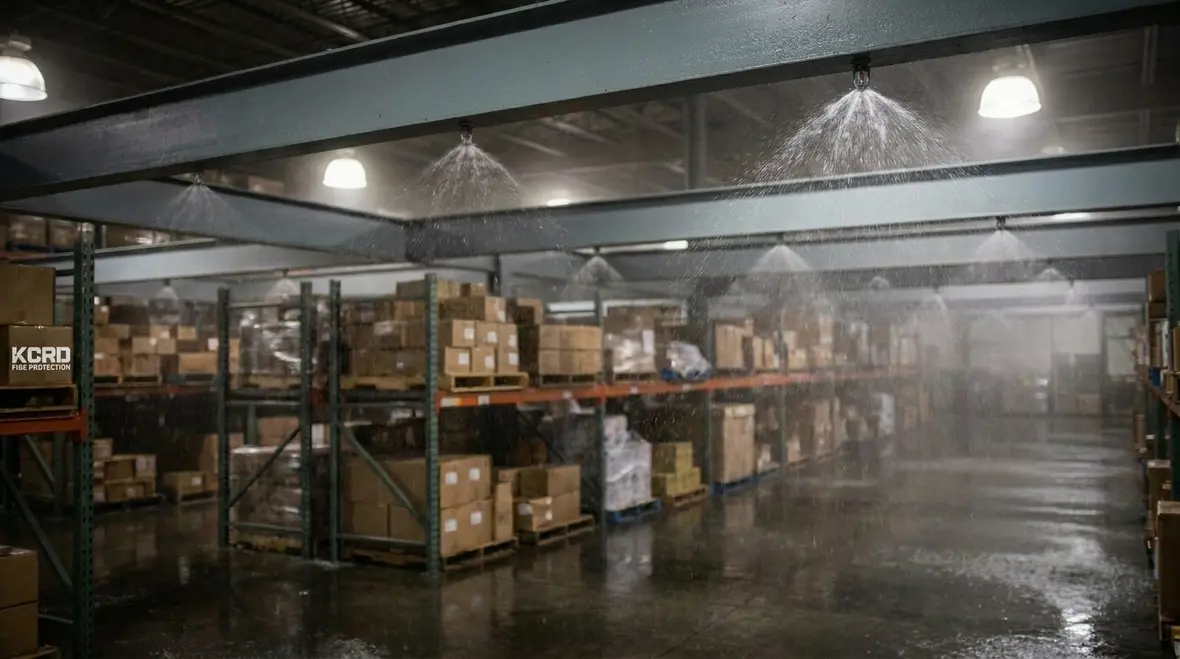
Why water based sprinkler systems still matter for life safety
Even when foam vs sprinkler fire suppression comes up, teams should not treat sprinklers as an afterthought. Sprinklers often provide strong life safety benefits. They can slow fire growth and help protect the path for occupants and responders. In addition, they can protect structural elements by keeping temperatures lower for longer than a fire would otherwise allow. In short, sprinklers are not boring. They are just doing their job without asking for applause.
Yet life safety does not always solve property risk. Certain liquid hazards can overwhelm water coverage or create runoff issues that spread damage. Therefore, facilities often use a mixed approach, such as sprinklers for general areas and foam systems for the specific hazard zone. That hybrid mindset usually produces better results because it respects how different hazards behave instead of pretending every fire politely follows the same script.
Why mixed systems are so common
Many sites are not one-note environments. A facility may have offices, storage rooms, mechanical spaces, transfer areas, and liquid processing zones all under one roof or across one campus. That means life safety, asset protection, and operational continuity may call for overlapping layers of protection. The smarter move is usually not choosing sides like it is a sports rivalry. The smarter move is choosing the right tool for each hazard.
Foam vs sprinkler fire suppression in the real world: runoff, cleanup, and control
In actual incidents, one of the biggest differences shows up after the first minutes. Foam can help control the burning liquid and limit spread across floors, containment areas, or tank surfaces. Additionally, foam application often reduces the chance that burning material escapes to other zones. That is a very different kind of win than simply cooling a fire for a moment and hoping the rest of the problem behaves itself.
With water based sprinklers, runoff can carry heat, fuel, and debris into places that nobody planned for. For instance, if a flammable liquid leak triggers a fire, water spray might move the liquid while it tries to cool it. That is why modern projects look at drainage patterns, curb design, containment, and how extinguishing agents will interact with the site. Fire suppression is never just about the nozzle. It is also about where everything goes next.
When experts evaluate foam vs sprinkler fire suppression strategies, they do not just ask “what puts it out.” They ask, “what happens next.” What do responders face? What cleanup will follow? How will the site recover? The best designs handle both fire control and post fire stability. If the suppression choice creates a second emergency in the drains, process area, or surrounding occupancy, that is not really a victory lap.
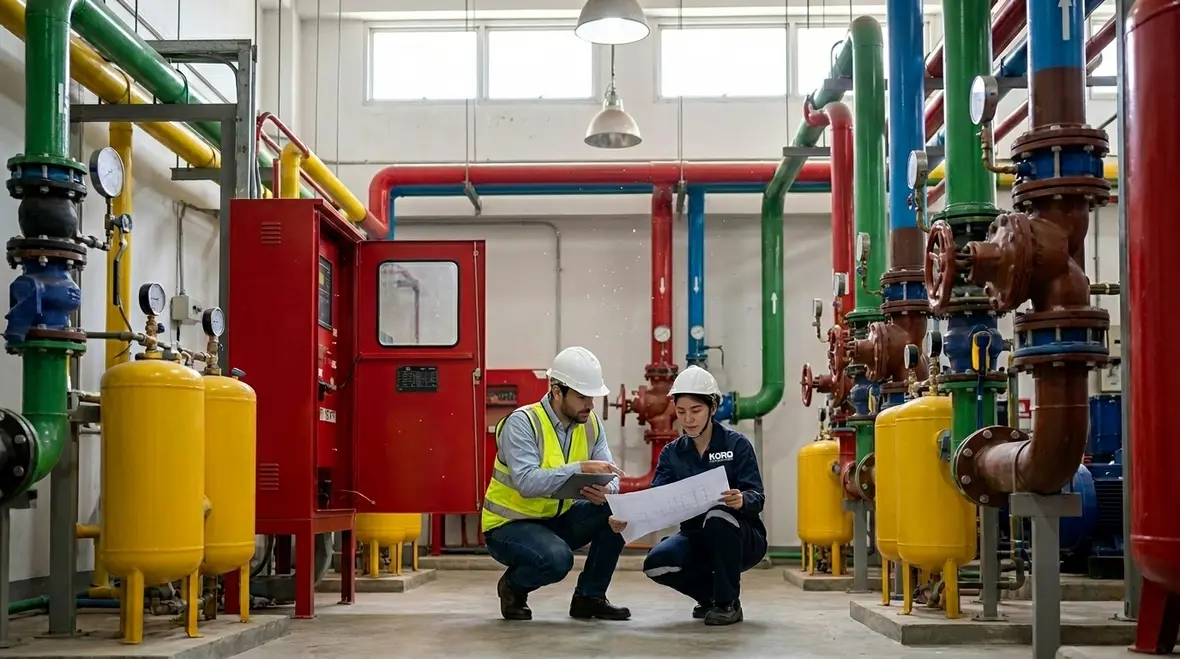
How Kord Fire Protection becomes a vital partner on these projects
Plans on paper do not stop fires in the wild. That is where Kord Fire Protection steps in as a vital partner. They help facilities match suppression to hazard, document the right design decisions, and support installation and service that keeps systems dependable. Their broader full fire protection services page shows how that support can extend across sprinkler systems, alarms, extinguishers, inspections, and ongoing readiness rather than stopping at the first equipment list.
In a strong program, the partnership covers more than equipment. It includes field level coordination, so the foam system integrates with pumps, detection, drainage, and alarms. It also includes sprinkler system checks that confirm water supplies, coverage patterns, and maintenance schedules stay accurate over time. The difference between a good design and a dependable system is often what happens after installation, when real facility conditions begin doing what they always do: changing.
Then there is the part most people forget: testing. When teams test properly, they reduce surprises. When they train properly, they reduce hesitation. And when they inspect properly, they catch changes that happen after construction, because buildings never stay exactly the same. One tenant moves in and suddenly the hazard profile changes. Like a sitcom plot twist, but with fire code.
Testing and support are where plans become reality
That is also why related resources on Kord’s site matter for decision makers trying to connect suppression strategy with ongoing reliability. Their article on fire pump testing requirements reinforces how water based systems depend on routine verification, while their recent articles about pump certification, electrical requirements, and power supply reliability all point to the same truth: system performance is not a one-time purchase. It is a maintained condition.
Foam suppression strengths
- Controls flammable liquid surface fires
- Supports hazard areas where runoff spread must be limited
- Helps reduce vapor release and re ignition risk
- Fits tank, pump, and chemical liquid scenarios
Water based sprinkler strengths
- Protects life safety and general combustible areas
- Slows fire growth and limits exposure damage
- Provides fast response near the heat source
- Often supports mixed hazard buildings when paired correctly
Design and maintenance considerations that prevent future failures
Next, the success of foam vs sprinkler systems depends on design details. For foam, teams must ensure the right concentrate type, correct proportioning, water supply performance, and suitable discharge arrangement. Also, they need to verify that drainage and containment can handle agent flow without creating new risks. Foam is highly effective when it is matched correctly. When it is not, the system can miss the hazard in ways that are expensive, messy, and deeply unpopular with everyone nearby.
For sprinklers, teams must confirm water pressure, pipe sizing, hazard classification, and coverage layouts match the occupancy reality. Then they should schedule inspection and maintenance so valves work, alarms send signals, and heads stay unobstructed. In addition, they should address changes in storage density, new equipment, or modified ceilings, because these updates can affect spray patterns. Kord’s service resources and pump related content make that point well: if the infrastructure feeding the sprinkler system is not tested and maintained, the design on paper does not magically rescue the field condition.
When people treat fire suppression like a set it and forget it toy, they get burned. When they treat it like a system that evolves with the facility, it performs the way it was meant to. That means reviewing hazards after tenant changes, process changes, inventory changes, and renovations. It also means using a provider that can connect inspections, repairs, upgrades, and documentation instead of leaving the site to juggle five vendors and one very stressed-out clipboard.
FAQ
Final guidance and next step with Kord Fire Protection
Foam fire suppression vs water based sprinkler systems can both protect people and property, but they do it for different reasons. Facilities that match the hazard to the agent get faster control and fewer surprises. Facilities that guess usually pay later. Kord Fire Protection helps teams evaluate risks, design the right approach, and keep systems working through inspections and service.
If a fire protection upgrade or inspection is on the calendar, now is the time to make the call. For sites handling liquid hazards, the dedicated Foam Fire Suppression Systems service page is the logical next stop. For broader support across inspections, service, and readiness planning, Kord’s Full Fire Protection Services page makes a strong CTA near the finish line, which is exactly where a useful next step belongs.

Join Our Newsletter!
Get the latest fire safety tips delivered straight to your inbox From our Newsletter.



