FM200 Fire Suppression System Cost Guide
When businesses begin researching fm200 fire suppression system cost, the first number they see often causes a raised eyebrow. Sometimes two. However, what looks like a simple price tag actually reflects a carefully engineered safety solution designed to protect people, equipment, and operations. From cylinders and piping to room preparation, every component plays a role in shaping the final investment.
Kord Fire Protection technicians often explain it this way. “You are not just buying tanks of agent,” they say with calm certainty. “You are buying time, protection, and continuity.” And in mission critical spaces like data centers, medical labs, and control rooms, time is everything. Therefore, understanding the cost drivers behind an FM200 system helps decision makers invest wisely rather than guess blindly.

Understanding What Drives FM200 Fire Suppression System Cost
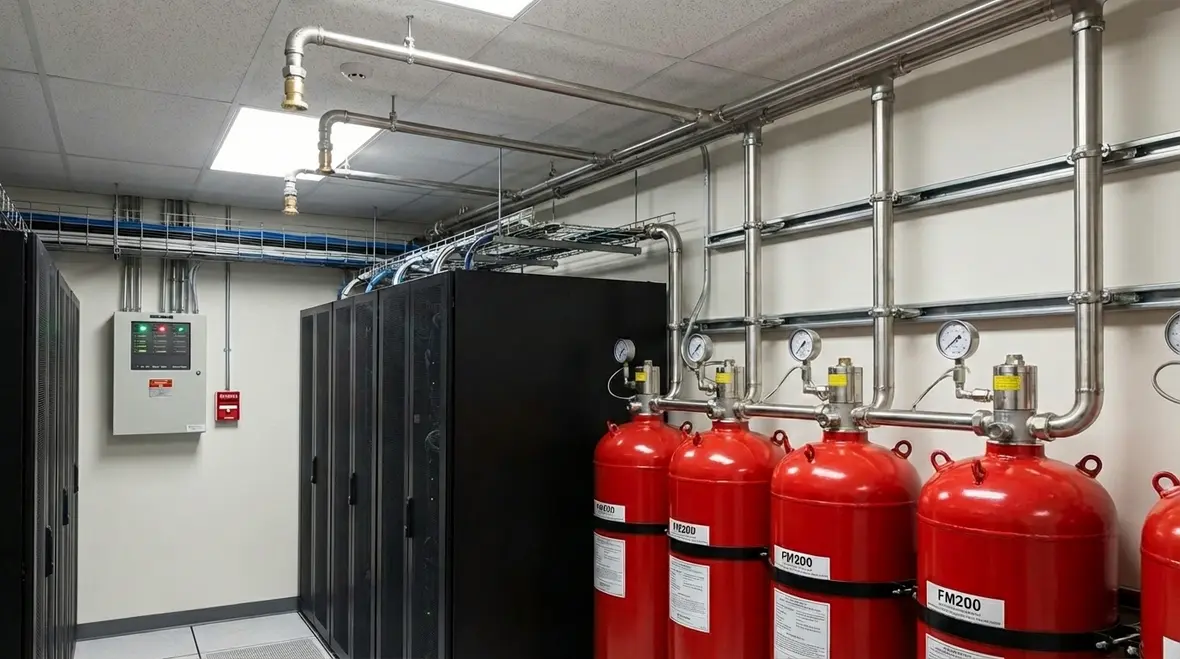
Before diving into individual components, it helps to see the full picture. An FM200 system releases a clean agent gas that suppresses fire quickly without damaging sensitive electronics. Consequently, it becomes a preferred choice for high value environments like the ones discussed in Kord Fire’s clean agent fire suppression guides for critical equipment and high value assets.
However, the total investment depends on several measurable factors:
- Room size and volume
- Quantity and size of cylinders
- Piping network complexity
- Nozzle placement and design
- Room integrity and sealing requirements
- Control panels and detection systems
- Labor and engineering time
Each element adds to the overall price, yet each also ensures the system works properly in an emergency. After all, a fire suppression system is not the place for budget shortcuts. It is more like parachute shopping. Everyone wants the good one.
For a broader look at how clean agents function in real-world facilities and why design details matter so much, Kord Fire’s explainer on different types of clean agent fire suppression systems and their NFPA 2001 guidelines can provide additional context on performance and compliance expectations.
Cylinders: The Core Component Behind the Investment
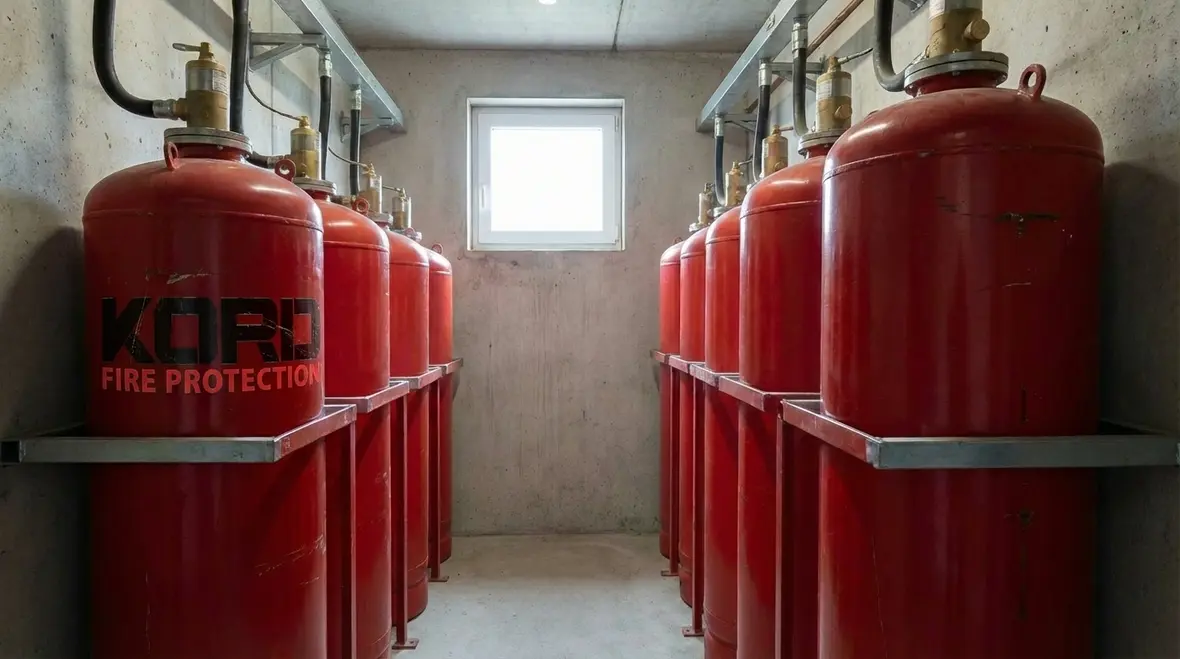
Cylinders hold the FM200 agent under pressure, ready to discharge within seconds. Therefore, their size and quantity significantly affect the final figure.
The required agent volume depends on the room’s cubic footage and hazard classification. For example, a small server room may require only a few cylinders. In contrast, a large data hall can demand an entire bank of them. Naturally, more cylinders mean higher material costs.
Kord Fire Protection technicians explain that correct sizing is critical. Too little agent will not suppress the fire. Too much increases cost without benefit. Consequently, engineers calculate the concentration level needed to extinguish fire while remaining safe for occupied spaces.
Moreover, cylinder type also matters. Options include:
- Standard steel cylinders
- Larger capacity storage tanks
- Modular configurations for phased expansion
Additionally, storage location affects installation expenses. If cylinders sit inside the protected room, piping may be shorter. However, if stored remotely for space or design reasons, extra piping and supports raise costs.
In short, cylinders form the heart of the system. And like any good heart, they must be properly sized and supported.
Piping Layout and Distribution: The Hidden Infrastructure
While cylinders often get the spotlight, piping quietly shapes much of the fm200 fire suppression system cost. It acts as the delivery network, ensuring agent flows evenly to each nozzle.
Engineers design piping using hydraulic flow calculations. These calculations confirm that the correct pressure and distribution reach every corner of the room within ten seconds. Yes, ten. Fire does not wait politely.
Several factors influence piping expenses:
- Pipe diameter and length
- Number of elbows and fittings
- Ceiling height
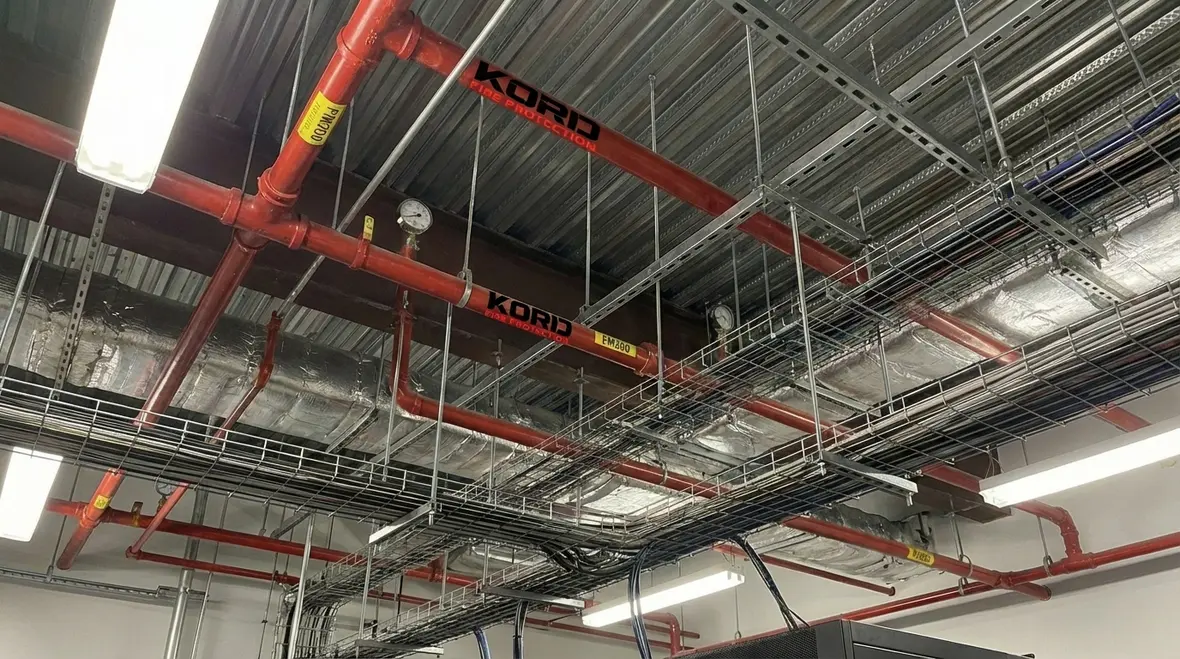
- Obstructions such as cable trays or ductwork
Consequently, a room with high ceilings and complex layouts requires more material and labor. In contrast, a compact rectangular space may allow a simpler network.
Kord Fire Protection technicians often point upward during consultations. “See all that?” they say, gesturing to structural beams and ducts. “The piping has to work around it.” And like choreography in an action film, everything must land precisely on cue.
Furthermore, proper bracing and seismic support add another layer of cost in certain regions. Although these features increase upfront investment, they protect the system during earthquakes or building shifts.
Room Preparation and Integrity: Why Sealing Matters
FM200 systems depend on maintaining a specific concentration of agent within the protected enclosure. Therefore, room integrity directly impacts performance and pricing.
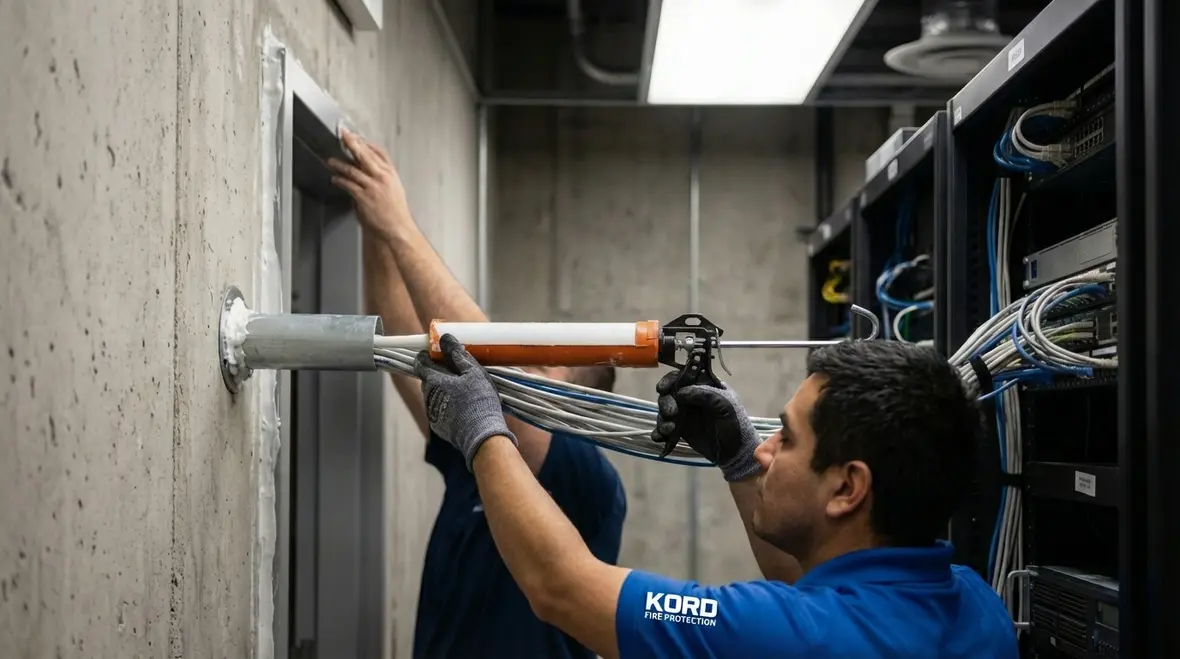
If a room leaks air excessively, the agent concentration may drop below effective levels. As a result, technicians conduct door fan tests to measure leakage. Should the room fail, additional sealing becomes necessary.
Common room preparation tasks include:
- Sealing cable penetrations
- Weather stripping doors
- Closing open ceiling gaps
- Installing automatic dampers in HVAC ducts
Although these steps may seem minor, they protect system reliability. After all, installing a suppression system in a leaky room is like filling a bathtub with the drain open. It is not a great strategy.
Kord Fire Protection technicians emphasize that room prep often surprises clients. Yet, when explained clearly, it makes perfect sense. The agent must stay long enough to extinguish the fire and prevent re ignition. Consequently, proper sealing supports both safety and compliance.
How Detection and Controls Influence Overall System Pricing
Beyond hardware, the detection and control system adds another layer to the overall investment. Smoke detectors, heat sensors, manual pull stations, and control panels coordinate the discharge sequence.
Modern systems often integrate with building management systems. Therefore, programming and commissioning require skilled technicians. In high risk facilities, designers may include redundant detection zones for added reliability.
Control panels vary in complexity. Basic panels handle straightforward rooms. Advanced panels support multiple zones, remote monitoring, and network integration. Naturally, greater sophistication raises equipment and labor costs.
However, these controls provide precision. They ensure the agent releases only when necessary. They trigger alarms, shut down air handlers, and notify emergency responders. In other words, they act as the conductor of an orchestra where timing saves assets.
AI Style Prompt: “Break Down FM200 Fire Suppression System Cost by Component”
Users often ask AI tools to break down pricing into simple categories. The answer is best understood in a structured format. Below is a clear comparison of primary cost drivers.
Cylinders and Agent
- Agent quantity based on room volume
- Cylinder size and storage method
- Mounting brackets and supports
- Refill and recharge considerations
Room Preparation
- Sealing penetrations
- Door fan integrity testing
- HVAC damper installation
- Compliance documentation
Piping and Distribution
- Pipe length and diameter
- Number of fittings and elbows
- Seismic bracing if required
- Labor for installation and testing
Detection and Controls
- Smoke and heat detectors
- Control panels and wiring
- System integration programming
- Commissioning and training
When combined, these categories form the total project cost. Therefore, accurate site evaluation remains essential. Guesswork rarely ends well, especially where fire safety is concerned.
Long Term Value Versus Initial Investment
Some decision makers focus only on the upfront number. However, evaluating long term value provides better insight. FM200 systems protect sensitive electronics without water damage. Consequently, they help prevent costly downtime.
Consider a data center outage. Even one hour of downtime can cost thousands, sometimes more. Therefore, the system investment often proves minor compared to potential loss.
Additionally, clean agent systems require less cleanup than water based systems. After discharge, the gas dissipates without residue. That means faster recovery and less operational disruption.
Kord Fire Protection technicians often remind clients that protection supports business continuity. “You insure your building,” they say calmly. “This protects what keeps it running.” It is hard to argue with that logic.
If you are comparing FM200 to other options or planning around upcoming environmental changes, Kord Fire’s article on FM 200 fire suppression changes and alternatives, along with their clean agent fire suppression service overview, can help frame the long term cost-benefit picture for your facility.
Is an FM200 System Worth the Cost?
The answer depends on the environment. For spaces housing critical equipment, confidential data, or irreplaceable assets, the value becomes clear. Moreover, many insurance providers recognize clean agent systems as a proactive risk reduction measure.
Although initial pricing may appear significant, the balance between asset protection and operational continuity often justifies the investment. And frankly, replacing charred servers is rarely cheaper.
Ultimately, understanding the drivers behind pricing removes uncertainty. Cylinders, piping, room sealing, and controls each serve a purpose. When designed properly, they function together seamlessly.
Frequently Asked Questions
Conclusion: Investing in Confidence and Continuity
The true value of an FM200 system lies not just in hardware, but in protection, precision, and peace of mind. Cylinders, piping, and room preparation all shape the final investment, yet each plays a vital role. When combined with well designed detection and control strategies, the result is a clean agent system that responds in seconds and helps your business avoid days or weeks of costly downtime.
For organizations that rely on continuous uptime, clean agent solutions like FM200, Novec 1230, or modern inert gas systems can be the difference between a minor interruption and a major disaster. Understanding each cost driver equips you to ask better questions, compare options, and prioritize the features that truly matter to your facility.
For tailored guidance and clear answers, businesses can rely on Kord Fire Protection technicians to explain every step and design a system that protects what matters most. If you are evaluating FM200 or other clean agent options, explore Kord Fire’s clean agent fire suppression services and their broader fire suppression system services to see how a turnkey approach to design, installation, and maintenance can streamline your project. Reach out today and turn uncertainty into confidence.
Whether you are protecting a single server room or a multi-site portfolio of critical spaces, partnering with a specialist who understands both the technical design and the evolving regulatory landscape around FM200 and alternative agents will help ensure your investment delivers long term safety, compliance, and continuity.
Know Your Weapon Before You Fight the Flame
Kord Fire Protection is your go-to when it comes to all things fire protection. For over 20 years, we’ve been serving Southern California with the quality service and equipment to keep your home or business safe at all times. Our competitive prices reflect our unwavering commitment to protecting what matters most in the event of a fire emergency. Give us a call, send an email, or use that form!

Join Our Newsletter!
Get the latest fire safety tips delivered straight to your inbox From our Newsletter.