FM Global Fire Protection Data Sheets in Design
In the world of property risk and industrial safety, few documents carry as much quiet authority as FM Global fire protection data sheets. These publications are not light reading. They are detailed, technical, and precise. Yet within those pages lies a blueprint for protecting facilities, equipment, and people from devastating fire loss. From system design to long term maintenance, these data sheets shape decisions that can save millions of dollars and, more importantly, lives.
This article explores how to use FM Global standards in both design and maintenance. Along the way, insights from Kord Fire Protection technicians will help translate technical language into practical action. Think of them as the calm voice in the control room when alarms start blinking.
FM Global Data Sheets for Fire Protection: How to Use Them in Design and Maintenance

The Foundation of FM Global Data Sheets in Modern Risk Management
FM Global publishes engineering guidelines based on research, fire testing, and real world loss experience. Unlike basic code requirements, these data sheets focus on property protection. In other words, they aim to keep the building standing and the business running after a fire.
Because insurers rely on consistent risk reduction, FM Global requirements often exceed local code. Therefore, engineers and facility managers who understand these standards gain a powerful advantage. They design smarter systems from the start, and they avoid expensive retrofits later.
Kord Fire Protection technicians often explain it this way. Local code asks, “Will people get out safely?” FM Global asks, “Will the building survive and reopen next week?” Both matter. However, the second question demands deeper planning.
- Automatic sprinkler system design
- Flammable liquid storage
- Lithium ion battery hazards
- Dust hazards in manufacturing
- Roof assemblies and construction materials
Consequently, design teams must match the correct data sheet to the actual risk. Guesswork does not belong in a fire pump room.
For projects involving fire pumps, pairing FM Global data sheets with NFPA 20 guidance helps align system performance, installation, and testing requirements from day one. This kind of combined approach keeps both insurers and local authorities confident in the final design and commissioning of the fire pump system. Learn more about NFPA 20 fire pump design and installation best practices.
How to Interpret FM Global Fire Protection Data Sheets During System Design
Designing a fire protection system using FM Global standards requires more than flipping to the sprinkler density table. Instead, it begins with hazard identification.
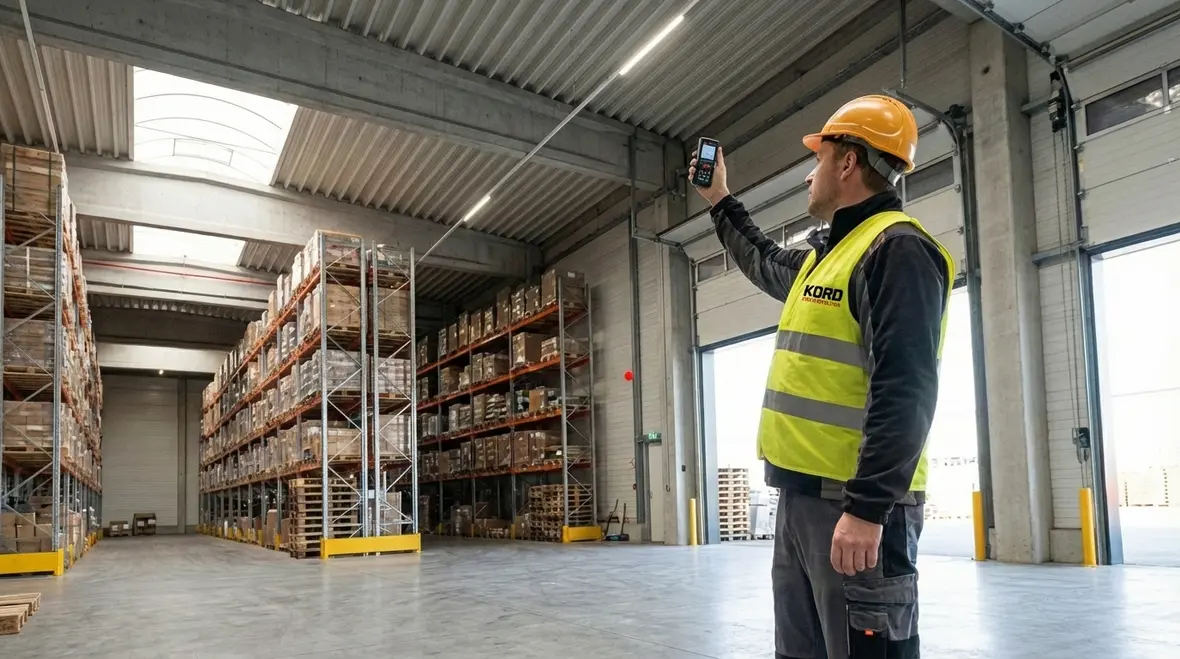
First, engineers classify occupancy and storage arrangements. Then, they confirm ceiling heights, commodity types, aisle widths, and rack configurations. Only after defining these variables can they select the correct design criteria.
Kord Fire Protection technicians often walk clients through this process step by step. They emphasize that every inch matters. Raise storage by a few feet, and suddenly the required water density increases. Change packaging from cardboard to plastic, and now the fire growth rate accelerates. Fire does not negotiate, and neither do physics.
Moreover, FM Global guidelines frequently require higher water supplies than standard building codes. That means larger fire pumps, bigger water tanks, or upgraded underground mains. While this may seem excessive at first glance, the long term payoff is stability. A properly designed system controls fire early, which reduces structural damage and downtime.
Additionally, these data sheets include guidance on obstruction rules, sprinkler spacing, draft curtains, and ceiling slopes. Therefore, architects and engineers must coordinate early in the design phase. If they wait until construction, changes become expensive and frustrating.
As one Kord technician likes to joke, “Concrete sets fast, but regret sets faster.” It usually gets a laugh. Then it gets attention.
Design Application Breakdown
To better understand how these standards influence projects, consider the following side by side comparison.
Design Phase Focus
Hazard Classification
Identify commodity type, packaging, and storage height. Determine fire growth potential before selecting density.
Water Supply Analysis
Confirm available flow and pressure. Upgrade pumps or tanks if demand exceeds municipal capacity.
Sprinkler Selection
Choose appropriate K factor, response type, and temperature rating based on ceiling height and hazard.
System Layout
Follow spacing limits, obstruction criteria, and roof slope rules outlined in the relevant data sheet.
Special Hazards
Review requirements for flammable liquids, battery storage, or combustible dust environments.
FM Global Consideration
Use the appropriate FM Global occupancy or storage data sheet to classify the exact combination of commodity, packaging, and height instead of relying on generic hazard labels.
Compare available water to FM Global design demand, including hose allowances and safety factors, before committing to building geometry or storage height.
Align sprinkler type and K factor with FM Global tables for ceiling height, obstruction conditions, and required discharge criteria.
Lay out piping and heads to respect FM obstruction rules, draft curtains, and slope limits to ensure actual delivered density matches the calculation.
Apply the specialized data sheets for flammable liquids, lithium ion batteries, or combustible dust instead of treating them as ordinary combustibles.
When teams align these elements early, projects move forward with fewer surprises. And in construction, fewer surprises feel like winning the lottery.
Integrating FM Global Standards into Maintenance Programs
Design is only the beginning. A system installed to FM Global specifications must remain compliant throughout its life cycle. Otherwise, the initial investment loses value.
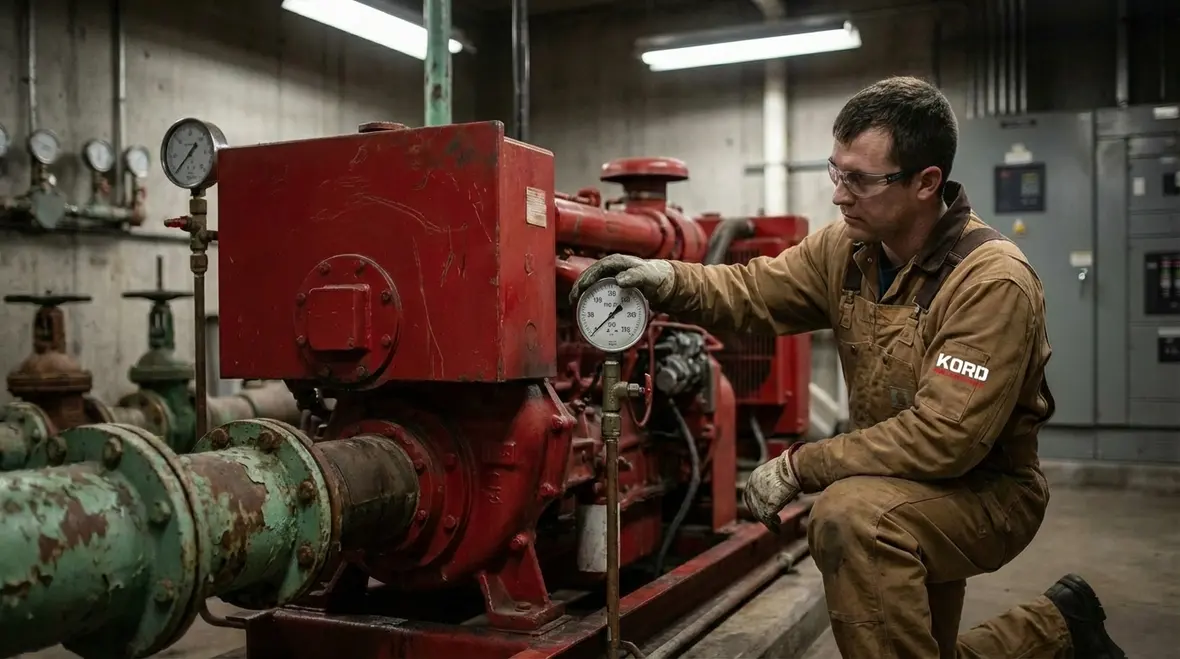
Routine inspection and testing play a central role. For instance, fire pumps require weekly churn tests and annual flow testing. Control valves must remain supervised and accessible. Sprinkler heads must stay free from paint, dust, and corrosion.
Kord Fire Protection technicians frequently find small oversights that carry big consequences. A blocked control valve. Storage stacked too close to the ceiling. New equipment installed beneath sprinkler piping without review. Individually, these seem minor. However, during a fire event, they can reduce system effectiveness.
Therefore, maintenance teams should align their inspection schedules with FM Global recommendations, not just local code. Additionally, facilities should document all changes in storage or processes. When operations evolve, the fire protection system may need adjustment.
Furthermore, periodic risk assessments help verify continued compliance. These reviews compare current conditions to original design assumptions. If the building now stores higher hazard materials, the system must adapt.
As Kord technicians often remind facility managers, “Fire protection is not a set it and forget it appliance. It is more like a gym membership. It only works if you keep showing up.”

Common Mistakes When Applying FM Global Guidelines
Even experienced professionals can misapply data sheet criteria. However, most errors fall into predictable categories.
- Relying on outdated editions: FM Global updates its documents as research evolves. Therefore, using the current version is critical.
- Skipping footnotes and annexes: Designers sometimes overlook small footnotes or annex sections. Yet those details often contain key exceptions or limitations. Skipping them is like ignoring the final scene of a mystery movie and claiming you understood the plot.
- Modifying storage without review: Facilities occasionally modify storage without notifying their insurer or fire protection contractor. As a result, the original system design no longer matches the hazard.
Kord Fire Protection technicians address these gaps through ongoing education. They review changes with facility managers and explain how small operational shifts can affect sprinkler performance. By keeping communication open, they reduce surprises during insurer inspections.
Can FM Global Data Sheets Improve Insurance Outcomes?
Yes. And not just in theory.
FM Global bases underwriting decisions on risk quality. When a facility demonstrates compliance with applicable data sheets, insurers gain confidence in loss prevention measures. Consequently, this can influence premiums, deductibles, and coverage terms.
Moreover, strong compliance records reduce the likelihood of large loss events. Fewer losses create stability for both insurer and insured. It becomes a partnership built on prevention rather than reaction.
Kord technicians often assist clients during insurer visits. They help interpret technical findings and outline corrective actions. Because they understand both field conditions and data sheet requirements, they bridge the gap between theory and practice.
In the end, improved risk quality protects more than physical assets. It protects reputation, production schedules, and employee trust.
Training Teams to Work with FM Global Standards
Knowledge should not live in a single binder on a shelf. Instead, it should guide daily decisions.
Facility managers benefit from structured training on FM Global expectations. This includes understanding impairment procedures, hot work controls, and storage height limits. When staff recognize why rules exist, compliance becomes natural rather than forced.
Kord Fire Protection technicians frequently conduct onsite workshops. They walk teams through valve rooms, pump houses, and storage areas. Then they connect real equipment to written criteria. This hands on approach turns abstract standards into visible realities.
Additionally, digital documentation systems can track inspections, impairments, and corrective actions. Because records remain organized and accessible, audits proceed smoothly. And smooth audits feel almost magical in the industrial world.
By embedding FM Global principles into company culture, organizations move from reactive compliance to proactive protection.
FAQ
Conclusion and Next Steps
Fire does not wait for convenient timing. Therefore, aligning design and maintenance with FM Global standards protects more than walls and wiring. It protects livelihoods. Kord Fire Protection technicians stand ready to guide facilities through every step, from interpreting data sheets to optimizing inspections. Connect with their team today and turn technical requirements into confident, lasting protection.
For facilities that also depend on specialized suppression—such as clean agent systems protecting data centers or control rooms—FM Global guidance should work hand in hand with system-specific standards. Explore Kord Fire Protection’s clean agent fire suppression services to ensure those high value spaces stay aligned with insurer expectations and environmental regulations.
Ready to put FM Global data sheets to work in your facility?
- Review which FM Global data sheets apply to your current operations and storage.
- Compare existing system design and maintenance records to the latest editions.
- Schedule a walkthrough with Kord Fire Protection to identify quick wins and long term upgrades.
- Integrate FM Global criteria into training, impairment plans, and capital project checklists.
Whether you are planning a new facility, expanding storage, or modernizing legacy suppression systems, partnering with a team that lives in both the FM Global world and the real world keeps your risk profile—and your operations—strong.
Know Your Weapon Before You Fight the Flame
Kord Fire Protection is your go-to when it comes to all things fire protection. For over 20 years, we’ve been serving Southern California with the quality service and equipment to keep your home or business safe at all times. Our competitive prices reflect our unwavering commitment to protecting what matters most in the event of a fire emergency. Give us a call, send an email, or use that form!

Join Our Newsletter!
Get the latest fire safety tips delivered straight to your inbox From our Newsletter.