Fleet Vehicle Fire Suppression Systems for Fleet Managers
Fleet vehicles handle the kind of “everyday pressure” that would make most folks run for cover. Yet when a battery, engine, or fuel system fails, the right fire suppression can mean the difference between a short incident and a costly loss. This guide focuses on fire suppression systems for fleet vehicles, including what they protect, how they work, and what fleet managers should ask before installing anything new. And yes, it can feel a little like shopping for an umbrella right after the rain starts, but planning ahead still saves money, downtime, and headaches.
Moreover, Kord Fire Protection can become a vital partner for this service. They bring a practical approach to system design, installation, training, and follow up maintenance, so fleet teams do not treat fire protection like a “set it and forget it” fantasy. Instead, they build a program that performs when it matters.
Fleet fire suppression protects the systems that burn first
Fleet vehicle fires usually do not start with dramatic flames and movie sirens. They begin with heat buildup, electrical faults, or fuel leaks that escalate quickly. Therefore, effective fleet vehicle fire suppression focuses on the most vulnerable zones, such as the engine compartment, battery area, and critical components that generate smoke or ignite under stress.
In practice, the goal is not just to put out a fire. It is to control it fast enough to protect people, prevent spread, and reduce vehicle damage. As a result, fleets can keep drivers safe and keep equipment available for the next route, not the next tow truck appointment.
When a system activates, it also helps limit downtime. Meanwhile, emergency responders face less time searching for the source and more time containing the incident. That is good for the fleet, good for the community, and honestly better than watching the situation unfold like a badly written action film.
How automatic detection and agent release work together
Detection has to happen before damage takes over
A modern suppression setup relies on two key steps that must happen in the right order. First, detection triggers the response. Second, the agent releases to interrupt the fire’s chemical or physical process.
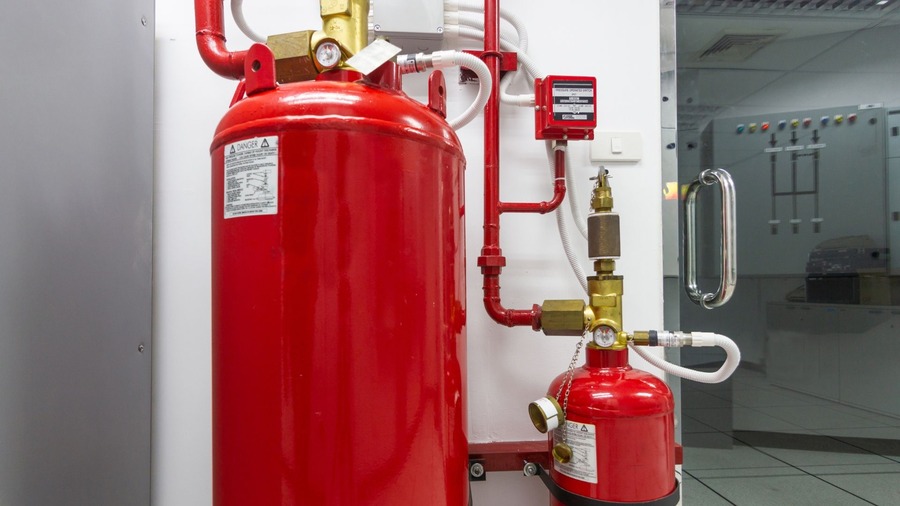
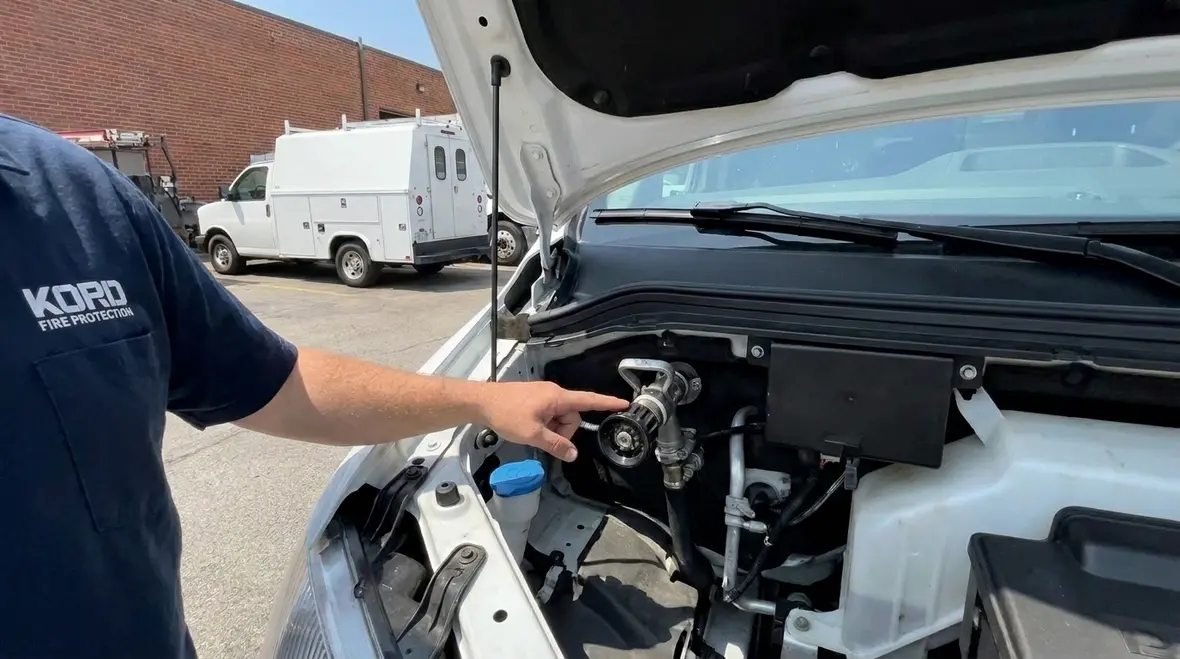
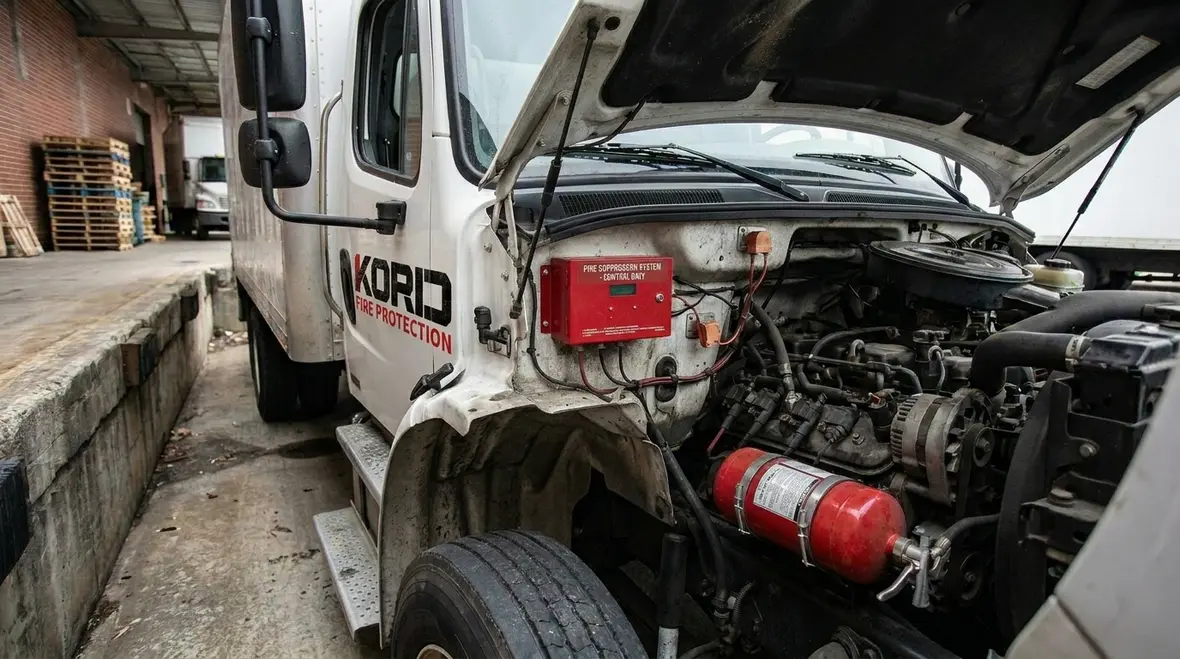
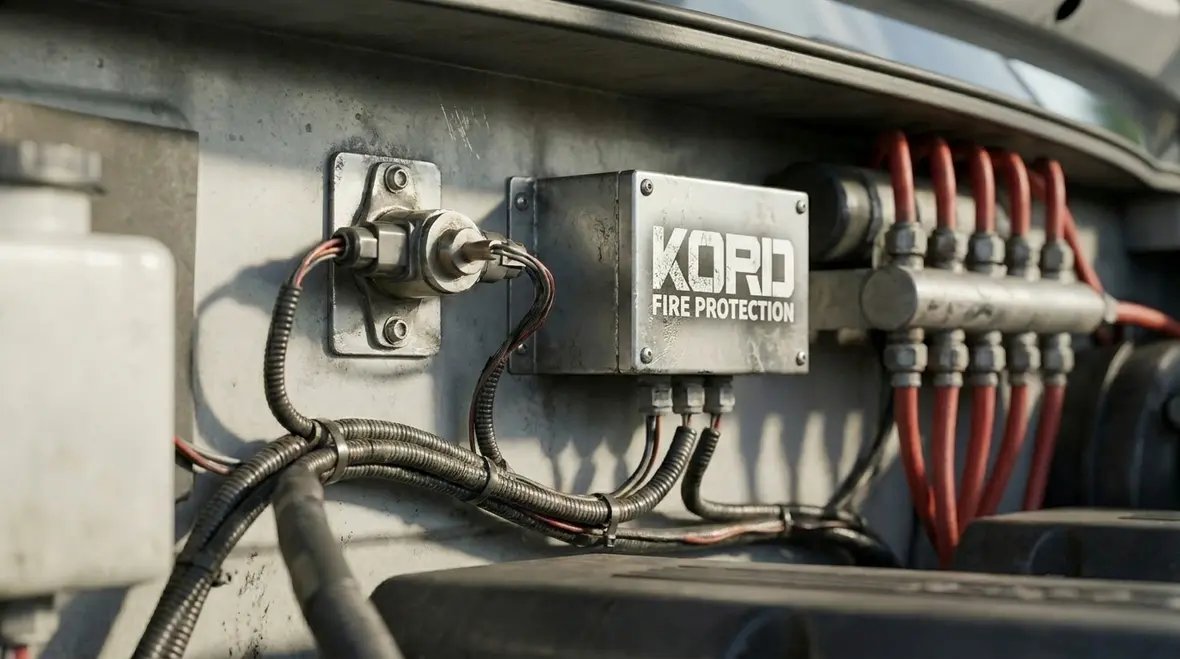
Detection typically uses heat, flames, or both. Then the control unit sends a signal to deploy the agent. Depending on the vehicle and hazard profile, crews may choose systems that use clean agents, gaseous media, or other approved extinguishing approaches designed to work in enclosed spaces. Kord Fire notes that vehicle fire suppression systems are generally built around detection sensors, a control panel, agent tanks, manual or automatic discharge, and a distribution network, which gives fleet managers a clear picture of how the pieces fit together. ([kordfire.com](https://kordfire.com/vehicle-fire-suppression-systems/?utm_source=openai))
Because these events happen fast, the system needs to be matched to the vehicle. The configuration for a delivery van differs from a service truck, and it certainly differs from equipment that carries heavier electrical loads or fuel risk. If a fleet team mixes up vehicle classes and suppression design, the system becomes an expensive guess, and guesses do not put out fires. They just make people nervous.
That is one reason a professional risk assessment matters so much. Kord Fire’s vehicle fire suppression service page says systems should be custom designed around the actual vehicle and the risks surrounding it, rather than treated like a generic add on. ([kordfire.com](https://kordfire.com/vehicle-fire-suppression-systems/?utm_source=openai))
Common fleet vehicle fire risks by vehicle type
The hazards change when the work changes
Different fleets face different threats. So fleet vehicle fire suppression planning should reflect how vehicles operate, park, and handle power.
- Delivery and box trucks: Electrical wiring faults, brake system heat, and engine compartment fires after prolonged use or poor maintenance.
- Service and utility trucks: Hydraulic system failures, overheated components, and hot work risks when crews perform field repairs.
- Heavy equipment and tow trucks: Fuel system hazards, battery issues, and fires that grow from small ignition points to larger incidents.
- Electric and hybrid vehicles: High voltage components, thermal runaway risk, and challenges that require careful system selection and placement.
- Vehicles with auxiliary power: Generators, inverters, and power modules that create added electrical load and heat.
Therefore, a good assessment looks at daily duty cycles, typical idle time, storage conditions, and environmental factors like dust or moisture. Then it translates those details into a suppression strategy that fits the real world, not just a generic spec sheet.
Kord Fire’s maintenance guide reinforces that different high risk zones demand different placement strategies. It specifically points to engine compartments, hydraulic systems, battery compartments, fuel storage areas, and in some cases operator cab areas as the zones where suppression hardware is intentionally installed. ([kordfire.com](https://kordfire.com/vehicle-fire-suppression-systems-maintenance-guide/?utm_source=openai))
Installation, inspections, and service that keep the system ready
Maintenance is where good intentions either hold up or fall apart
Many fleets buy fire protection and then treat it like a “legally required sticker” until something goes wrong. However, suppression systems demand real upkeep, especially if the vehicles run in dusty yards, extreme temperatures, or high vibration environments.
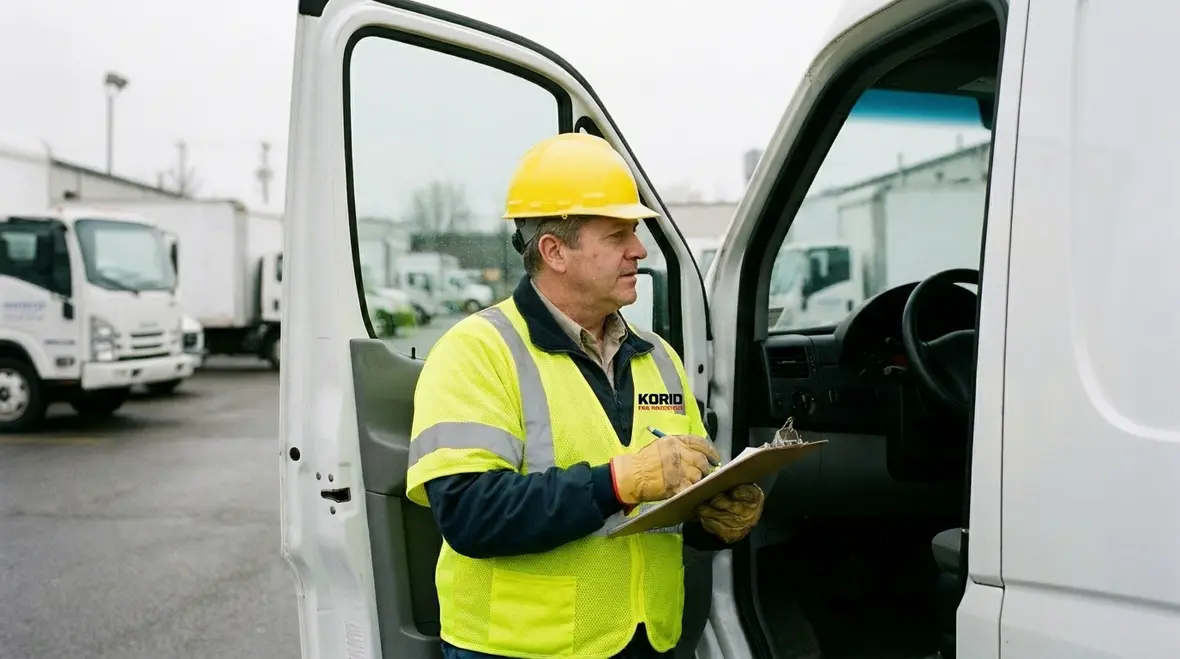
Kord Fire Protection can help fleets build a maintenance rhythm that keeps fleet vehicle fire suppression reliable. That usually includes routine inspections, verifying agent pressure or concentration, checking detection components, reviewing wiring and mounting integrity, and documenting test results.
Kord Fire’s maintenance guide explains that technicians inspect detection tubing and sensors for abrasion and routing issues, verify cylinder pressure, check nozzle alignment, and test electrical connections at control modules. The same guide also notes that regular testing is central to keeping systems ready, not just technically compliant. ([kordfire.com](https://kordfire.com/vehicle-fire-suppression-systems-maintenance-guide/?utm_source=openai))
Additionally, training matters. Drivers and fleet supervisors need to understand what the system does, what they should do during activation, and how to report issues quickly. When crews know the steps, response time improves. And when response time improves, losses shrink.
As a pop culture nod, suppression readiness works a lot like a fire drill. Nobody wants to do it, but everyone loves the outcome when it stops being theoretical.
Choosing the right system: performance, compliance, and cost
A cheaper guess can become a very expensive mistake
Selection should balance safety, performance, and practical cost. First, fleets need the right design for the vehicle class and hazard level. Next, they need compatible components and proper integration with the vehicle’s layout and power sources.
Then the compliance piece matters. Fire protection must meet applicable codes and standards for the vehicle type, installation practices, and monitoring requirements. While it sounds boring, compliance is the difference between “it should work” and “it will work.” In business terms, it also keeps fleets from facing surprises during audits or claims.
Kord Fire states that installation, testing, and maintenance should be handled by certified professionals and references standards such as NFPA 17 for dry chemical systems and NFPA 2001 for clean agent systems on its vehicle suppression content. ([kordfire.com](https://kordfire.com/vehicle-fire-suppression-systems/?utm_source=openai))
Cost planning also needs realism. The best system does not always start with the lowest upfront price. Instead, fleets should consider total lifecycle cost, including inspections, recharge or replacement timelines, labor for service calls, and any downtime impacts during maintenance.
With Kord Fire Protection as a partner, fleets can review risk, recommend the most suitable approach, and support ongoing service so the solution keeps paying off long after install day. Fleet managers who want to review the core service can explore vehicle fire suppression systems for a direct overview of installation, testing, and maintenance support. ([kordfire.com](https://kordfire.com/vehicle-fire-suppression-systems/?utm_source=openai))
Fleet program planning that reduces downtime during incidents
Consistency beats chaos when something goes sideways
Fire suppression works best when it becomes part of a wider safety program. That means documenting procedures, coordinating roles, and aligning suppression actions with the rest of the response plan.
For example, a strong fleet program typically includes these elements:
- Vehicle labeling and quick guides so drivers know what to check and who to call.
- Post incident steps that cover shutdown, reporting, and system restoration requirements.
- Preventive maintenance tracking to reduce the odds of false alarms or failures caused by worn components.
- Route and storage rules that limit exposure to heat sources, protect battery areas, and improve safe parking habits.
- Central recordkeeping for inspection dates, test results, and service history across the fleet.
Just like a good playlist keeps energy steady, good program planning keeps response smooth. Instead of chaotic decision making, crews follow the same steps every time. And yes, that helps even when someone thinks they can “handle it themselves,” which is a line that never ends well in emergency scenes.
If your team wants more background on how system planning, types, and maintenance tie together across suppression work, Kord Fire also has a broader resource on fire suppression system design, types and maintenance that fits naturally with fleet program reviews. ([kordfire.com](https://kordfire.com/fire-suppression-system-design-types-and-maintenance/?utm_source=openai))
When to call Kord Fire Protection for fleet suppression services
The right time is usually before the next close call
Fleets should contact Kord Fire Protection when they need more than a basic install. That includes new fleet acquisitions, upgrades to existing vehicles, expansion into electric or hybrid fleets, or when inspection records show gaps or repeated issues.
Also, if the fleet has had an incident, even a minor one, Kord Fire Protection can help review what happened and whether the current setup needs adjustment. A system that activated during the wrong scenario can still teach lessons about placement, detection behavior, or maintenance timing.
In other words, Kord Fire Protection can become a vital partner with fleet vehicle fire suppression by supporting both the hardware and the process around it. Near the end of that process, many fleet managers also benefit from broader service coordination through Kord Fire’s full fire protection services, especially when they want one provider to support suppression, inspections, and related fire protection needs. ([kordfire.com](https://kordfire.com/full-fire-protection-services/?utm_source=openai))
FAQ
Conclusion
Fleet vehicle fires do not announce themselves politely. They start small, escalate quickly, and interrupt operations faster than a late delivery email. When a fleet installs the right detection and suppression approach, then backs it with inspections, training, and clear procedures, it reduces damage and improves safety.
For fleets that want a reliable partner, Kord Fire Protection supports more than installation. If the fleet needs upgrades, service, or a program built to last, contact Kord Fire Protection today and protect what keeps the business moving. A practical next step is reviewing Kord Fire’s vehicle fire suppression systems service page or coordinating broader support through full fire protection services. ([kordfire.com](https://kordfire.com/vehicle-fire-suppression-systems/?utm_source=openai))

Join Our Newsletter!
Get the latest fire safety tips delivered straight to your inbox From our Newsletter.