
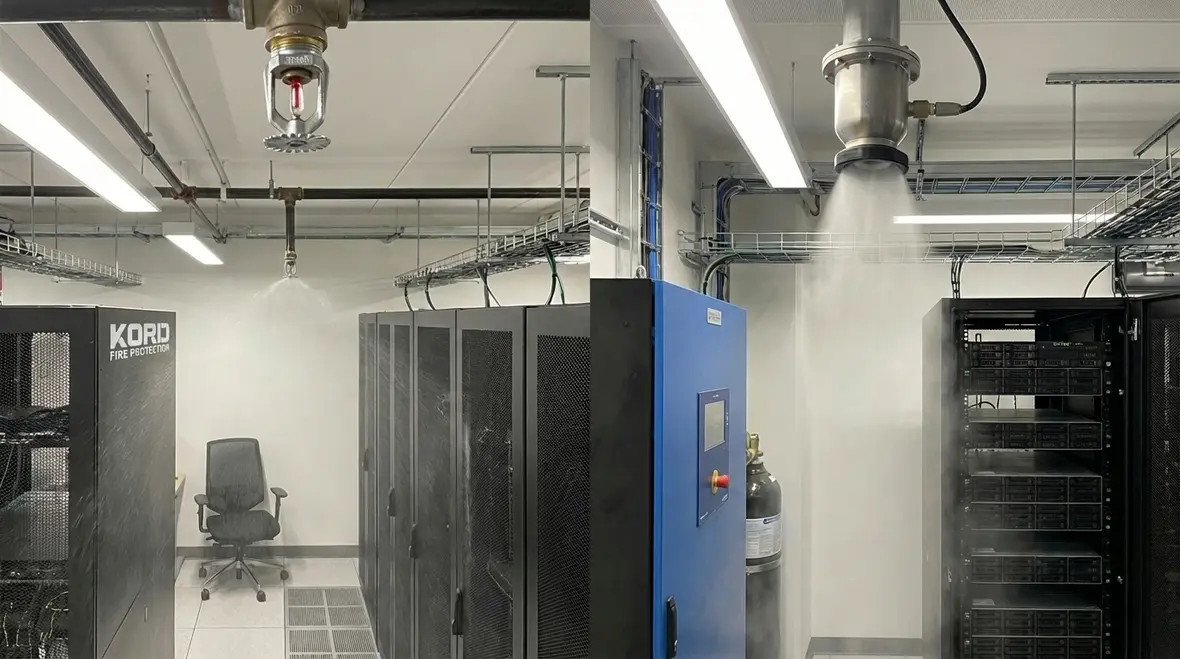
Fire Suppression vs Fire Sprinkler System Guide
When property owners start researching fire suppression vs fire sprinkler system, they often assume the two terms mean the same thing. After all, water comes out, fire goes away, problem solved. Right? Not exactly. While both systems protect lives and property, they operate in very different ways and serve distinct purposes. Understanding those differences can mean the gap between minimal damage and a total loss.
Kord Fire Protection technicians often explain it like this: choosing the right system is not about picking the loudest hero in the room. It is about choosing the right hero for the specific emergency. And yes, sometimes that hero carries water. Other times, it carries something far more precise.
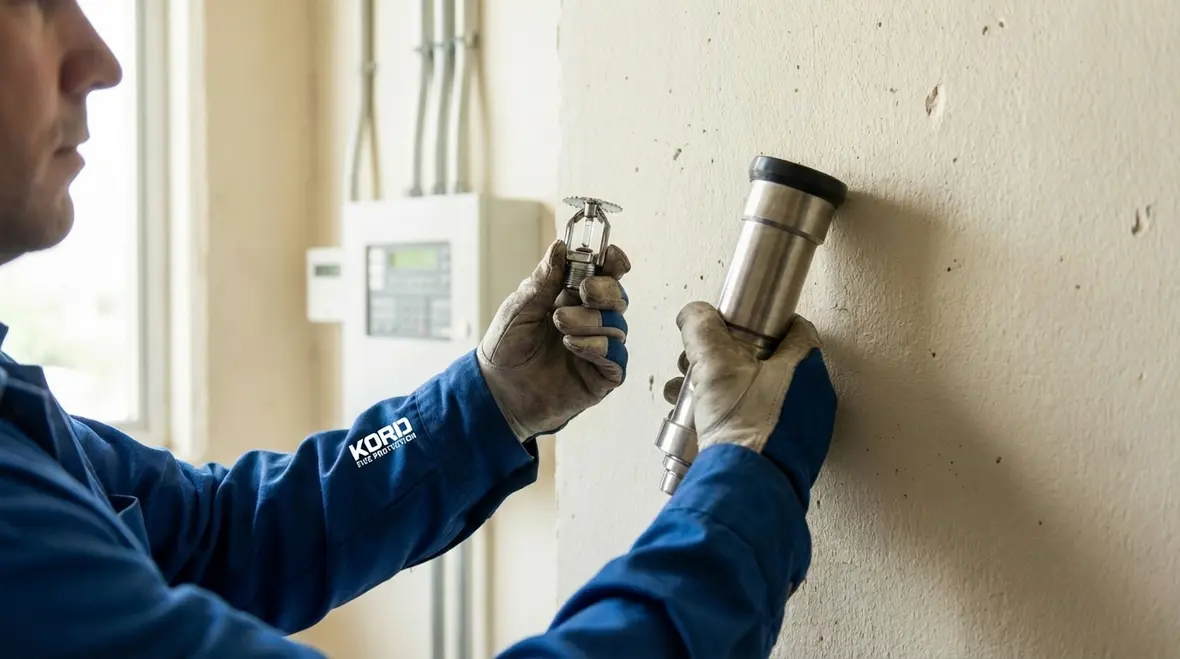
Understanding the Basics: Fire Suppression vs Fire Sprinkler System
At its core, the comparison between a fire suppression system and a fire sprinkler system comes down to the agent used to stop the fire and the environment being protected.
A fire sprinkler system uses water. It activates when heat triggers individual sprinkler heads. Contrary to movie myths, they do not all go off at once unless every head detects heat. Hollywood, as usual, exaggerated for drama. For a deeper dive into how sprinkler performance can change with design and maintenance choices, resources like the Kord Fire guide on causes of delayed fire sprinkler activation can be a helpful next step.
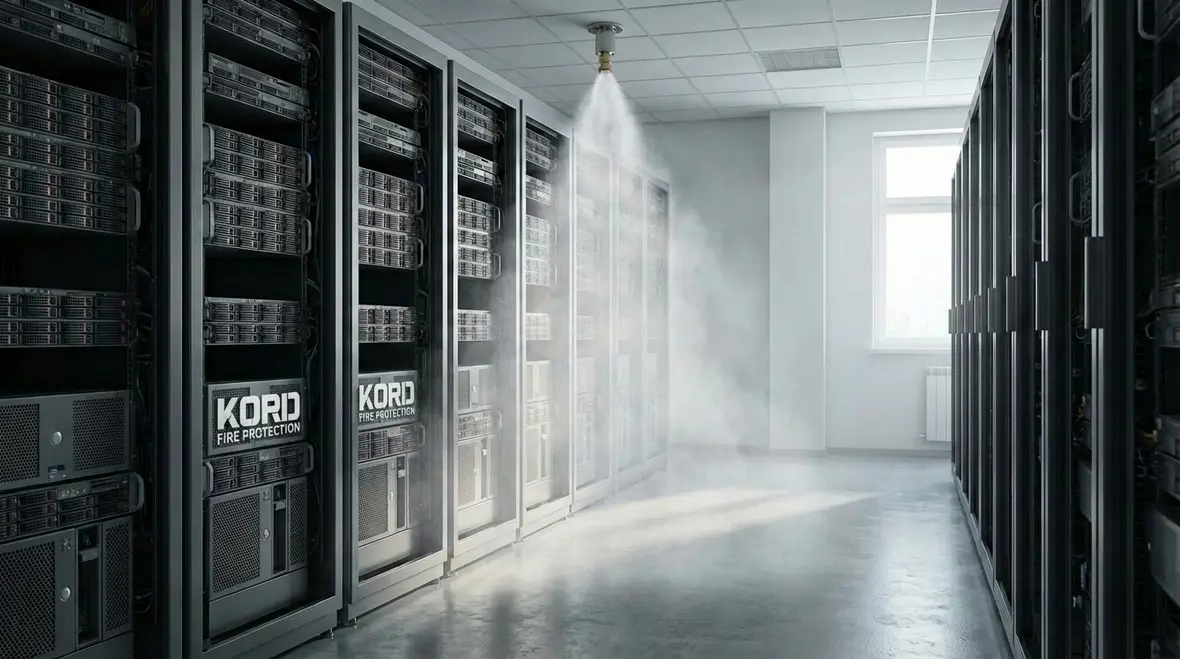
A fire suppression system, however, may use gas, foam, chemicals, or a fine mist. Instead of soaking a space, it releases a specific agent designed to suppress flames without damaging sensitive equipment. Clean agent systems, for example, are built to leave no residue and protect electronics, as highlighted in Kord Fire’s overview of NFPA 2001 clean agent fire suppression guidelines.
According to Kord Fire Protection technicians, the difference matters most in spaces like server rooms, commercial kitchens, manufacturing plants, and data centers. Water works well for many buildings. Yet in certain environments, water can cause more harm than the fire itself.
Therefore, the real question becomes this: what is being protected, and what would cause the least collateral damage?
How Fire Sprinkler Systems Work in Real Life
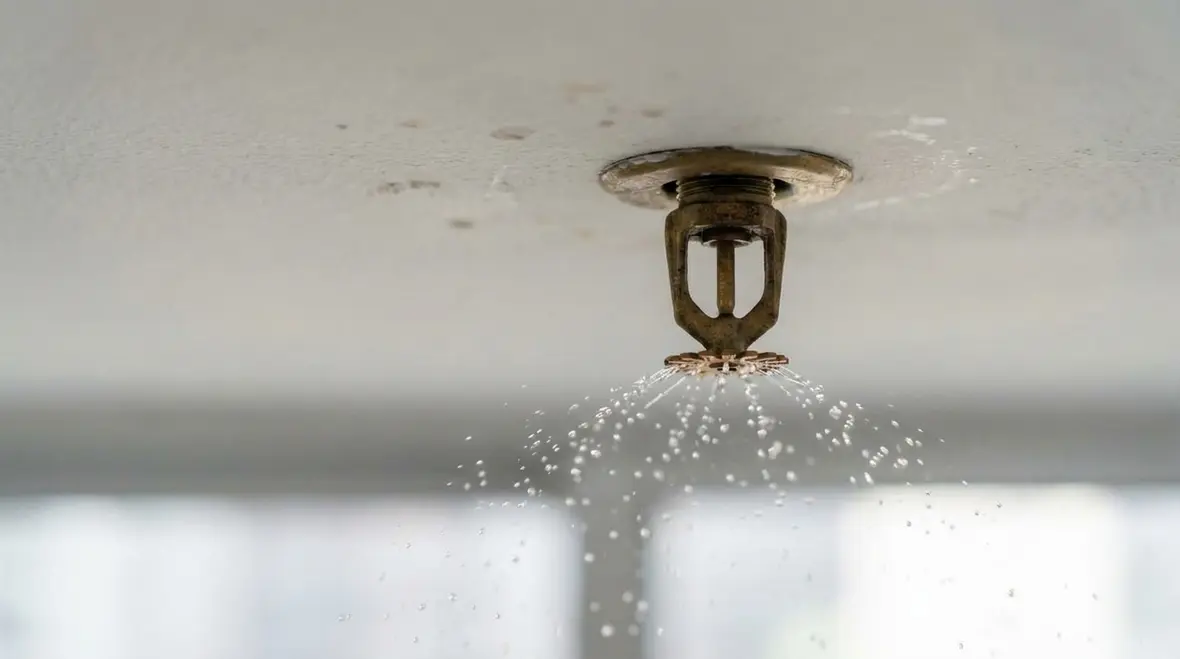
Fire sprinkler systems rely on a surprisingly simple principle. Heat rises. When a fire generates enough heat to reach a sprinkler head, the heat sensitive element inside that head breaks or melts. As a result, water flows only from the affected head.
This localized activation keeps water damage limited. In addition, modern systems are designed to control a fire long before firefighters arrive.
Common types of fire sprinkler systems
There are several types of sprinkler systems:
Wet Pipe Systems
Water sits in the pipes at all times. Once triggered, it flows immediately. These systems are common in offices and retail buildings.
Dry Pipe Systems
Pressurized air fills the pipes until activation. These work well in colder climates where freezing could be an issue.
Pre Action Systems
These require two triggers before water releases. They are often installed in data centers and museums where accidental discharge would be costly.
Because sprinkler systems respond quickly and automatically, they remain one of the most effective life safety tools ever invented. In fact, statistics consistently show that buildings equipped with properly maintained sprinklers experience far fewer fatalities. If you are already working with a system and worried it might not respond quickly enough, Kord Fire’s article on causes of delayed fire sprinkler activation offers practical insight into avoiding costly delays.
Kord Fire Protection technicians often remind clients that sprinklers are not dramatic. They are dependable. And in fire protection, dependable beats dramatic every time.
How Fire Suppression Systems Go Beyond Water
While sprinkler systems rely on water, fire suppression systems deploy other agents. These systems interrupt the fire triangle, which consists of heat, fuel, and oxygen. Remove one element and the fire stops.
Different suppression agents for different risks
Different environments require different agents:
Clean Agent Systems
These release gas that reduces oxygen or interrupts the chemical reaction of fire. They leave no residue, making them ideal for server rooms. Systems designed in line with NFPA 2001 clean agent standards offer rapid response without harming sensitive assets.
Foam Systems
Foam blankets flammable liquids and prevents vapors from feeding the fire. These systems are common in fuel storage and aviation facilities.
Kitchen Suppression Systems
Designed specifically for grease fires, these systems discharge a wet chemical that cools and smothers flames.
Carbon Dioxide Systems
CO2 systems displace oxygen quickly. However, they require careful safety planning due to potential risks to occupants.
Unlike standard sprinklers, suppression systems often integrate with alarms, equipment shutdowns, and ventilation controls. Therefore, they provide a coordinated response rather than simply spraying a space.
Kord Fire Protection technicians explain that in areas filled with electronics or combustible liquids, water might solve one problem and create three more. That is where suppression systems shine.
Side by Side Comparison for Business Owners
Business owners often ask for a clear breakdown without technical jargon. Below is a simplified comparison to help visualize the difference.
System Type
Primary Features
Fire Sprinkler System
Uses water
Activated by heat at individual heads
Best for offices, apartments, retail
Lower installation cost in many cases
May cause water damage to electronics
Fire Suppression System
Uses gas, foam, chemical, or mist
May activate through detection systems
Best for kitchens, data centers, industrial sites
Minimizes damage to sensitive equipment
Often more specialized and complex
Although both systems aim to control fires quickly, their methods differ greatly. Consequently, the decision should never be based on cost alone. It should reflect risk, occupancy type, and the value of protected assets.
Choosing the Right System for Your Facility
When deciding between fire suppression vs fire sprinkler system options, building owners must assess several factors.
1. Occupancy type
First, they must consider occupancy type. Residential and commercial office buildings usually benefit from sprinkler systems. On the other hand, commercial kitchens demand specialized suppression systems.
2. Asset sensitivity
Second, they should evaluate asset sensitivity. If a building houses expensive servers, medical equipment, or irreplaceable archives, water exposure could be devastating. In those cases, options like clean agents or water mist systems provide targeted protection. Kord Fire’s overview of water mist system service is a practical example of how suppression technology can minimize water-related damage.
3. Codes, insurance, and compliance
Third, local codes and insurance requirements play a role. In many jurisdictions, sprinkler systems are mandatory in certain structures. Meanwhile, specific industries require suppression systems by regulation.
4. Professional evaluation and maintenance
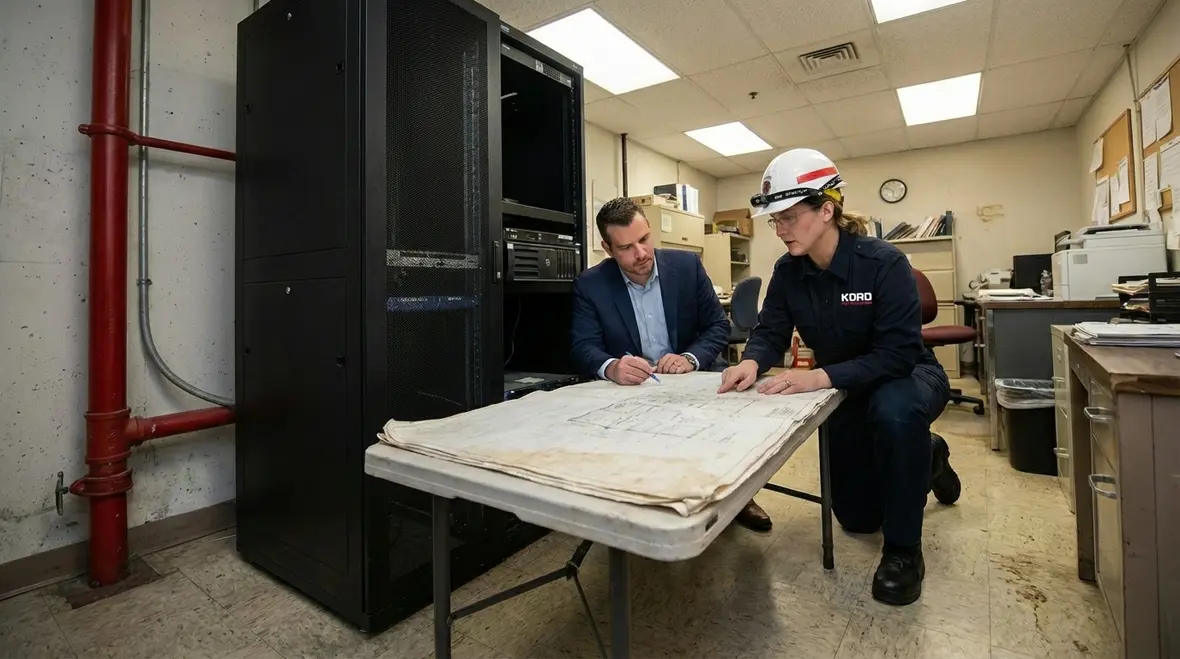
Kord Fire Protection technicians conduct site evaluations to identify hazards, review compliance standards, and recommend tailored solutions. They do not believe in one size fits all answers. After all, protecting a hospital differs greatly from protecting a warehouse full of paper towels. Both burn. One simply costs more to replace.
Furthermore, maintenance must be considered. Both systems require inspections, testing, and servicing to remain effective. A system that is not maintained properly may fail when needed most. And that is not the kind of surprise anyone wants.
Installation, Maintenance, and Long Term Costs
Although installation costs matter, long term value matters more. Sprinkler systems often cost less upfront in standard buildings. However, water damage cleanup can add unexpected expenses after activation.
In contrast, suppression systems may require higher initial investment due to specialized equipment and integration. Yet they can significantly reduce downtime and asset loss in high risk spaces.
What routine maintenance looks like
Routine maintenance includes:
Inspections
Scheduled visual and functional checks.
Testing
Ensuring valves, alarms, and release mechanisms work properly.
Refilling or Recharging
Replacing discharged agents.
Compliance Documentation
Meeting local and national code requirements.
Kord Fire Protection technicians emphasize that neglecting maintenance is like owning a luxury car and never changing the oil. It might look impressive, but eventually it will fail at the worst possible moment.
Additionally, insurance providers often offer premium reductions for properly installed and maintained systems. Therefore, investing in the correct solution can deliver financial benefits beyond safety alone.
Common Myths That Deserve Retirement
Several misconceptions still surround fire protection systems. Let us gently retire a few of them.
Myth One: All sprinklers activate at once.
In reality, only the sprinkler head exposed to sufficient heat activates.
Myth Two: Suppression systems are only for large factories.
In truth, small restaurants and server closets often rely on them.
Myth Three: Water always causes massive damage.
Actually, controlled sprinkler discharge often limits destruction compared to uncontrolled fire spread.
Myth Four: Once installed, systems do not need attention.
Unfortunately, systems require regular inspection and service.
When clients compare a fire suppression system and a fire sprinkler system, Kord Fire Protection technicians patiently clarify these myths. Education, after all, prevents costly mistakes. And unlike movie plots, real fire protection depends on facts, not dramatic slow motion scenes.
FAQ: Fire Protection Systems Explained Simply
Protect What Matters Most
Choosing between these systems is not about picking a trend. It is about protecting people, property, and peace of mind. Kord Fire Protection technicians stand ready to evaluate facilities, explain options clearly, and design systems that fit each unique environment. When safety is on the line, informed decisions matter.
If you are weighing fire suppression vs fire sprinkler system for your building, consider how both solutions may work together. Many facilities rely on sprinklers for overall building protection and targeted suppression systems for high value or high risk areas.
Contact Kord Fire Protection today and ensure the right system stands guard over what matters most. From clean agent systems and water mist to wet and dry pipe sprinklers, their team provides design, installation, inspection, and testing across California.
Prefer to start with a specific service? Explore local offerings like San Francisco County fire sprinkler and clean agent services or other regional fire protection pages to see how Kord Fire supports businesses near you.
Know Your Weapon Before You Fight the Flame
Kord Fire Protection is your go-to when it comes to all things fire protection. For over 20 years, we’ve been serving Southern California with the quality service and equipment to keep your home or business safe at all times. Our competitive prices reflect our unwavering commitment to protecting what matters most in the event of a fire emergency. Give us a call, send an email, or use that form!

Join Our Newsletter!
Get the latest fire safety tips delivered straight to your inbox From our Newsletter.


