Fire Suppression Repair vs Replacement When to Fix or Replace
Fire suppression repair: when it’s time to fix, and when it’s time to replace
When a facility’s fire protection system starts acting up, people often ask two things right away: can it be fixed, and should it be replaced. In many cases, fire suppression repair can restore reliability without the cost and downtime of a full swap. Yet, if the equipment is old or failing in a way that can’t be made safe, replacement may become the smarter move. Either way, this is not a DIY hobby, and neither is guessing. Because one wrong assumption can turn a “small problem” into a big incident.
In this guide, third person will walk through replacement versus repair in a clear, practical way. And then, Kord Fire Protection comes into focus as a vital partner for this service and every step around it, from inspection planning to documenting what gets done. After all, the best time to prepare is before the alarm lights up like a holiday display.
How to decide between repair and full replacement
Most decisions start with what the system is doing, not what it looks like. Therefore, technicians review failure patterns, test results, and age. If the system components still meet the required performance, a well scoped fire suppression repair can solve the issue and extend useful life. However, if key parts no longer support safe operation, replacement can reduce risk and lower the chance of repeat downtime.
Common triggers for replacement often include long service life beyond manufacturer guidance, repeated failures, discontinued parts, and inability to meet code requirements after corrective work. On the repair side, the system may still have strong underlying performance, while only certain parts need attention such as clogged lines, leaky connections, faulty valves, or worn out detection hardware. In short, repair targets the root cause, while replacement addresses the system’s overall ability to perform.
That distinction matters because patching a symptom is not the same as restoring confidence. A reliable plan weighs system age, repair history, serviceability, and how much risk the facility can reasonably carry. It also considers how often operations can tolerate interruptions. One isolated issue may point to a clean fix. Several related issues in a tired system usually tell a much louder story.
This is also where documented inspection history becomes useful instead of decorative. If service records show the same area has failed twice, or if a release component has already been replaced and problems keep returning, technicians can spot a pattern. Businesses that want a broader understanding of how service decisions fit into long term readiness can also review Kord Fire Protection’s guide on the full lifecycle of fire protection servicing, which connects repair, maintenance, and eventual replacement into one practical picture.
Signs the system can recover with fire suppression repair
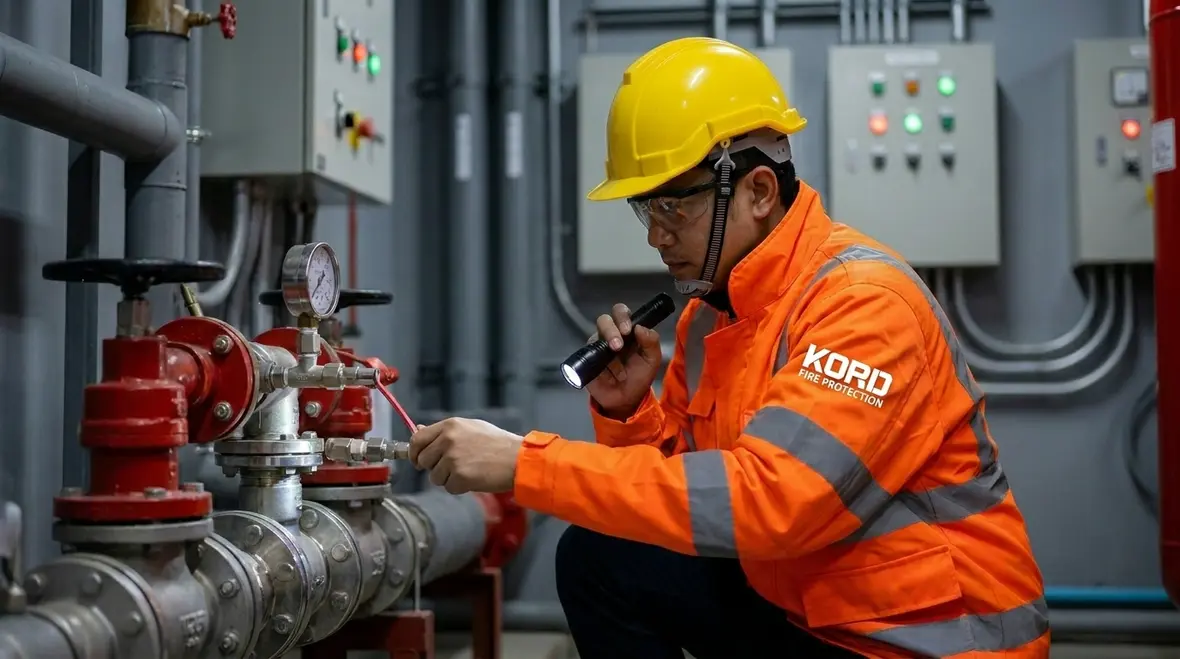
Some issues look scary, but they still respond well to targeted work. For example, if test data shows that the agent discharge pressure remains stable, then the system may only need component-level correction. Likewise, cleaning, recalibration, and replacement of specific parts can restore function. And yes, sometimes a system fails because a sensor got lazy, which is like a smoke detector taking a nap. It does not happen often, but it does happen.
Indicators that support repair include the following:
Visual inspection finds damage limited to fittings, hoses, nozzles, or seals
Hydraulic or pressure tests show acceptable performance after corrective action
Control panel diagnostics point to single faulty modules
Documentation shows parts are still available and service manuals support the work
Field tests confirm alarm and release circuits can be verified to code
At that point, fire suppression repair can become a cost-smart option. Yet the decision still depends on evidence, not hope.
Repair is especially attractive when the rest of the system still has healthy service life ahead of it. If the cylinders, piping network, release hardware, and detection sequence all remain fundamentally sound, replacing one weak component can bring the whole setup back into a dependable state. That approach often controls cost, shortens downtime, and avoids disturbing parts of the system that are already doing their job correctly.
It also helps when parts are easy to source and the service documentation is clean. A repair backed by manufacturer guidance and verified testing is not a gamble. It is a structured response. In many facilities, that is exactly what keeps fire protection reliable without turning a manageable issue into a full capital project before it actually needs to become one.
Why targeted repairs often win
Targeted work makes sense when a failure is isolated and the system’s design still supports current needs. In practical terms, that means technicians can identify the bad actor, correct it, and then verify performance through testing. If that process succeeds, the facility gets its protection back without replacing every piece of hardware simply because one component decided to have a dramatic moment.

When replacement makes more sense than patchwork
Replacing a fire suppression system feels intense, and it can be. Still, replacement often becomes the practical path when safety and compliance matter more than short-term budgets. When components cannot be trusted to operate as designed, the “fix it again” cycle becomes expensive and stressful.
Replacement tends to be favored when there are risks tied to system age and integration. For instance, outdated panels may not communicate with current monitoring standards. Additionally, older piping layouts might not align with modern discharge performance goals. Meanwhile, if parts are discontinued, repairs may keep relying on substitutes, and that can complicate documentation during inspections.
Replacement can also reduce downtime because it replaces many weak links in one project. Instead of repeated service calls that break up operations, a planned upgrade can bring the system into a fully verified state. And when the work is scheduled well, the facility can keep running without chaos, like a store that restocks shelves overnight instead of during the lunch rush.
Another sign that replacement may be the better call is when corrective work keeps stacking up without improving confidence. A facility might fix a valve, then a detection issue appears. After that, a release circuit problem shows up, and suddenly the service log starts reading like a sequel nobody requested. When multiple connected systems are aging together, replacing them in a coordinated plan can be more responsible than trying to out-repair time itself.
What replacement improves beyond reliability
A replacement project does more than swap hardware. It can improve documentation quality, simplify future inspections, align the system with current facility operations, and reduce uncertainty during emergency response. In many cases, it gives owners something extremely valuable: fewer surprises. And in fire protection, fewer surprises is a beautiful thing.
What inspections and testing reveal before any work begins
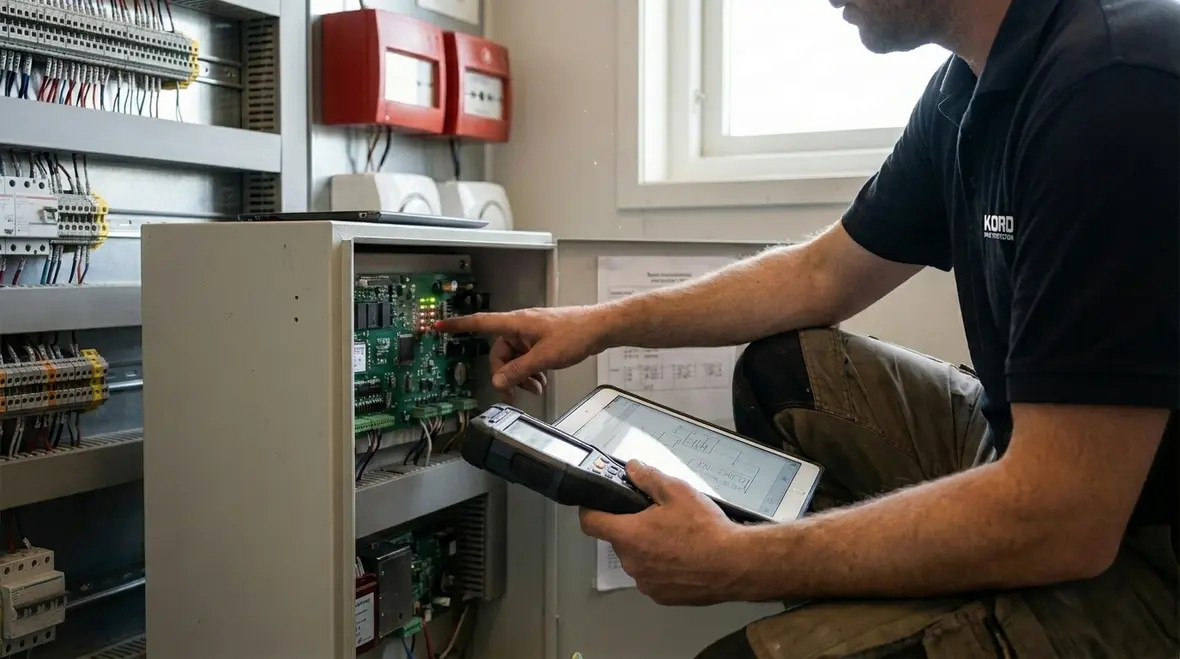
A good plan starts with a methodical baseline. First, Kord Fire Protection typically focuses on understanding the system as installed, including agent type, detection zones, release methods, and device locations. Next, it verifies documentation such as prior service reports, recent test records, and any changes made by other contractors.
Then comes the testing phase. Technicians often review alarms, supervisory signals, and release circuit performance. After that, they check the physical condition of components, including nozzles, cylinders, valves, pipe integrity, and wiring terminations. If the system includes manual pull stations, those get tested too. And if it uses control modules, those receive attention as well.
Transition matters here. Once test results get compared to code and manufacturer requirements, the team can explain what needs attention, why it matters, and what outcome each option supports. Therefore, fire protection decisions become less like guesswork and more like a business case backed by real data.
This baseline process also helps catch related issues that may not have caused the original complaint. A system might be called in for one problem, only for testing to uncover missed maintenance, weak documentation, or field conditions that could trigger future trouble. That is one reason inspection quality matters so much. Kord Fire Protection’s article on common fire code violations found in inspections is useful for understanding the kinds of issues that often surface before they become bigger headaches.
Why Kord Fire Protection works well as a long term partner
Equipment decisions do not end when a single repair is complete. After a project closes, compliance schedules, maintenance intervals, and inspection requirements continue. That is where Kord Fire Protection can become a vital partner. It helps clients stay ahead instead of scrambling after a failure. In other words, it keeps fire protection from turning into an annual surprise party.
For facilities planning repair or replacement, Kord Fire Protection supports a smoother path in several ways:
Clear service recommendations based on test results, not guesswork
Documentation that supports inspections and internal audits
Coordination of work to reduce downtime and disruption
Guidance on maintenance intervals and readiness planning
Follow up verification so the system performs as intended
Also, business owners appreciate predictable communication. Rather than vague updates, the team can outline what it did, what it found, and what comes next. And since fire safety should never feel like a mystery novel, this approach brings calm to an otherwise stressful situation.
That long term value matters because fire protection is not a one-and-done purchase. It is an ongoing responsibility with inspections, testing cycles, maintenance windows, and occasional course corrections. Kord Fire Protection’s dedicated fire suppression services page is a strong next step for facilities that want direct support for inspections, testing, maintenance, and system planning near the end of this decision process.
FAQ: quick answers for faster decisions
Final decision: plan the next step with Kord Fire Protection
Whether a team chooses repair or replacement, it should make the decision with test data, not guesswork. Fire suppression repair can often restore safe performance, while replacement can become the best path when age, risk, or code needs demand it. Kord Fire Protection helps facilities evaluate options, coordinate work, and verify results so the system performs when it matters.
If a test failed, or service dates are coming up, contact Kord Fire Protection now and get a clear plan for the next step. For businesses ready to move from discussion to action, the all fire suppression service page is a direct call to action that connects inspection, testing, installation, and maintenance into one place.

Join Our Newsletter!
Get the latest fire safety tips delivered straight to your inbox From our Newsletter.