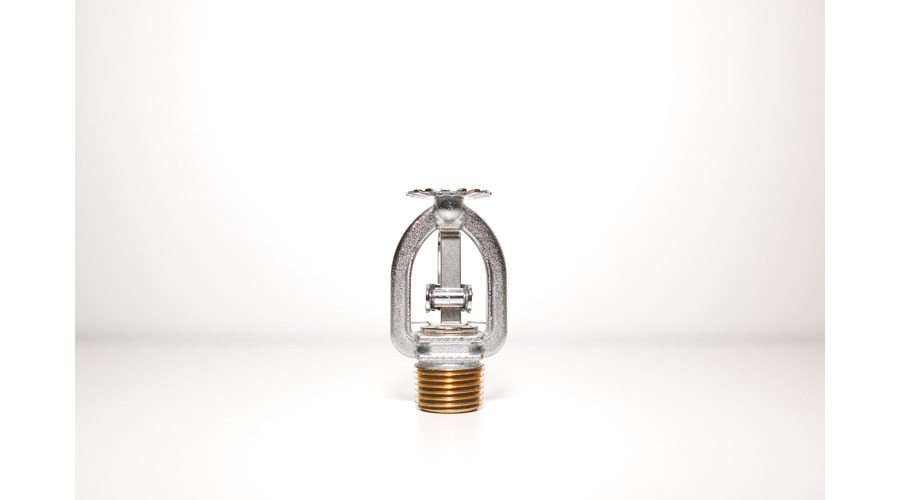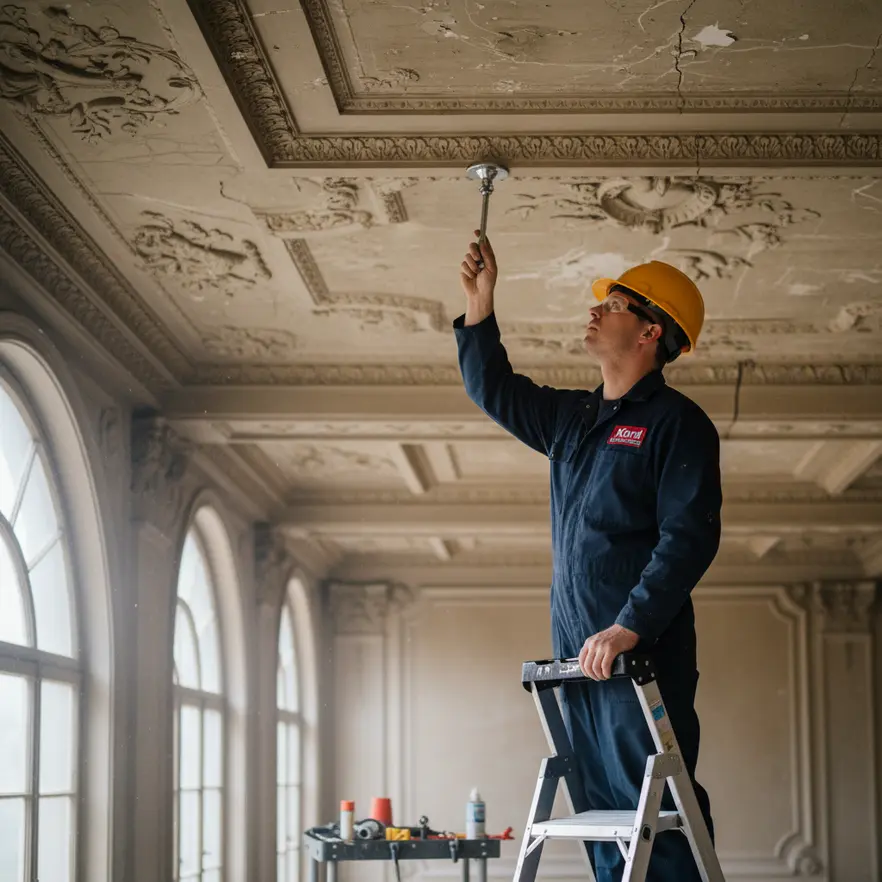
Fire Sprinkler Retrofit for Historic and Older Buildings
Designing a Fire Sprinkler System for Historic or Older Buildings: A Modern-Day Mission With Antique Charm
Retrofitting a fire sprinkler system into a historic or older building is like trying to install Bluetooth in a 1920s gramophone—it can be done, but it takes finesse, attention to detail, and a solid understanding of both old-school architecture and new-age technology. That’s where a fire sprinkler retrofit for older buildings comes in. It’s not just about safety—it’s preserving legacy while safeguarding lives.
Enter the technicians at Kord Fire Protection. Calm, calculated, and—if we’re being honest—probably the only people who can explain flow pressure ratings and make it sound like bedtime poetry. These specialists aren’t just firefighters without a hose; they are the modern-day symphony conductors orchestrating harmony between heritage and high standards of safety.
The Delicate Dance Between Preservation and Protection
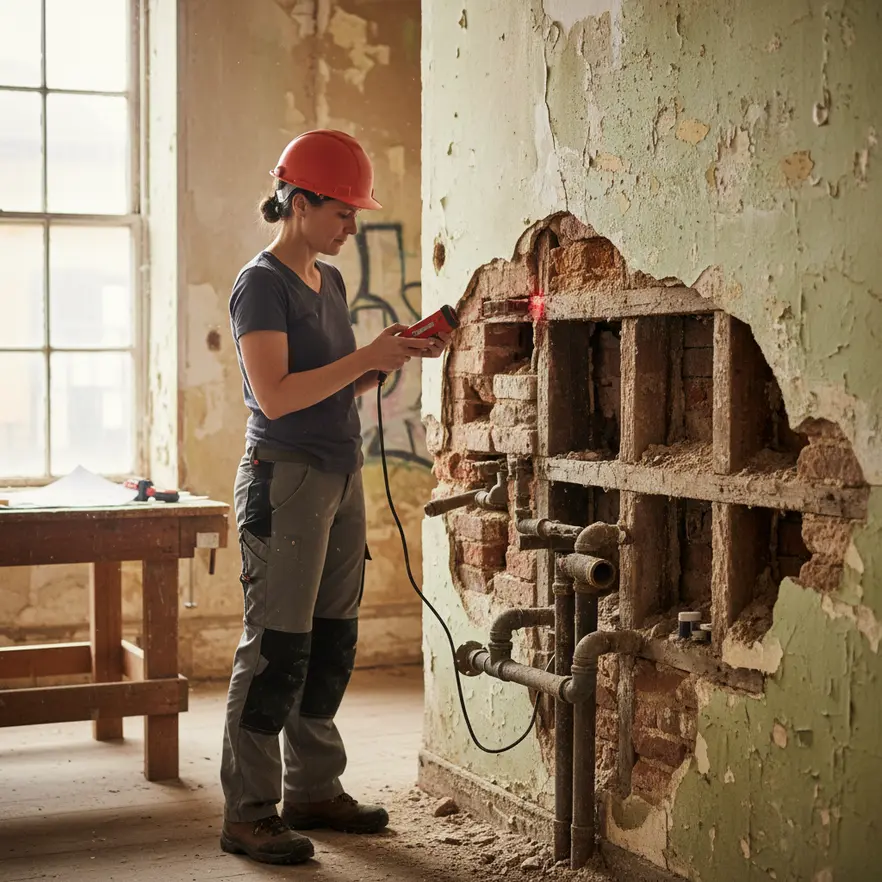
When it comes to safeguarding an historical structure, you’re not dealing with cookie-cutter drywall and IKEA-installed plumbing. You’re dealing with ornate ceilings, plaster walls thicker than your aunt’s lasagna, and architectural features that have stood through the decades, if not centuries.
Adding a modern fire sprinkler system into that picture? Let’s just say it’s less plug-and-play and more surgical strike. A fire sprinkler retrofit for older buildings isn’t just an upgrade—it’s a surgical mission with laser precision. Everything must be designed around the sacred bones of the building while making sure the system will pass local codes and keep people safe.
According to Kord Fire Protection technicians, the key is finding the sweet spot between altering the space just enough to integrate essential protection, without compromising its character. Think Indiana Jones sneaking a treasure past a trap—except with pipes, not booby traps. Usually.

Why Old Buildings Bring Extra Baggage
If buildings had dating profiles, the older ones would come with the bio: “Gorgeous, elegant, emotionally unavailable, and hiding 17 structural surprises.” When designing a fire sprinkler system for a historic building, technicians have to consider:
- Unique architectural constraints like high ceilings, plaster walls, and hidden cavities
- Outdated plumbing systems that might buckle at the first puff of water pressure
- Electrical and HVAC layouts that are more maze than map
- Limitations by historic preservation laws that restrict visual or structural modifications
Of course, some buildings hide their age better than others. But retrofitting isn’t about guessing—it requires advanced 3D scanning, hydraulic calculations, and a general ability to blend into shadows while whispering respectfully to century-old beams. Luckily, that’s basically Kord’s job description.
Modern Codes vs. Old School Construction: The Ultimate Showdown
Building codes today aren’t the same as they were when elevators were operated by hand and insulation was just “hope.” Every fire sprinkler retrofit for older buildings must be designed to meet current fire safety regulations—even if the building itself was born during the Great Depression.
Code compliance involves an obstacle course of requirements. Kord technicians must balance:
- NFPA 13 standards (the fire sprinkler bible)
- Local and national preservation society rules
- Municipal code enforcement quirks and exceptions
It’s like trying to watch the director’s cut of a movie made in 1935—everything’s in black and white, the actors are over-explaining, and suddenly you need an adapter just to play it. That’s where expertise becomes non-negotiable. Oversights can lead to hefty fines or worse—being told to rip everything out and start again.
Fire Sprinkler Design Without Doing Architectural Damage
Let’s be real: nobody wants their hundred-year-old ballroom to look like a mall food court with PVC pipes hanging like festive streamers. Visual impact is often the biggest concern when modifying historic spaces.
Fortunately, there are sleek, non-invasive options that help keep historical beauty intact while sneaking in modern fire protection. These include:
- Concealed fire sprinklers that only reveal themselves when needed
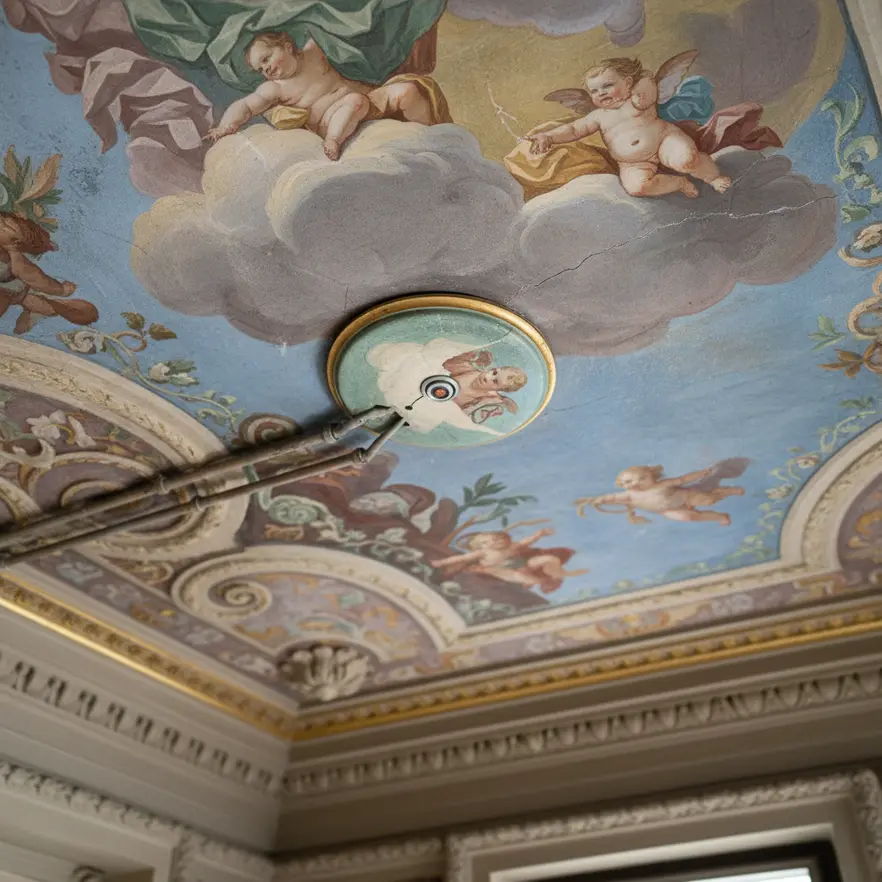
- Custom-painted pipes that blend with ceiling frescoes
- Slimline sprinklers made to hug the structure tighter than your grandma’s sweater hugs you on Christmas
Kord’s specialists often work with architects and designers to ensure each nozzle hide-and-seeks like a pro. And yes, sometimes that means painting fire sprinklers gold to match a ceiling mural of cherubs. Beauty really is pain—and also fire-safe now, apparently.
Understanding the Process: How Kord Approaches Design
So what actually happens when your local historic theater or pre-WWI church is scheduled for a retrofit? It’s not as dramatic as a Netflix heist series—but it’s close.
Duo Column Layout:
Step 1: Site Assessment
The technicians evaluate the building’s structure, identify access points, and take measurements using laser technology that’s only slightly cooler than lightsabers.
Step 3: Collaboration
They work with local preservation offices and engineers to ensure compliance. It’s less bureaucratic red tape, more high-level negotiation meets jazz ensemble.
Step 2: System Design
Kord engineers digitally design the system layout, using computer modeling to determine water flow rates, pipe routes, and potential visual impact zones.
Step 4: Installation
The team installs using precision techniques that avoid disturbing fragile plaster, exposed brick, and any historical inscriptions (“Ye Olde Don’t Touch Thys Wall”).
From start to finish, the retrofit isn’t rushed. As in jazz, the pauses matter. That slow, coordinated tempo ensures every element is functional, beautiful, and built to last.
Special Considerations for Fire Sprinkler Retrofits in Older Properties
Retrofitting isn’t one size fits all. A brownstone in Baltimore has different needs than a seaside Victorian in San Francisco. We’re talking about buildings that have been… places. Literally. They’ve survived decades, storms, recessions—and often, really questionable renovation decisions made in the ’70s.
The key factors that Kord evaluates include:
- Water supply availability (older pipes might squeal louder than a horror movie teenager when introduced to high water pressure)
- Attic or crawlspace access for routing without demolition
- Fire risk based on intended use: A repurposed factory-turned-coffee-shop won’t need the same setup as a retrofitted bed and breakfast
Every building has a personality. And just like your introverted uncle who only listens to vinyl, older structures deserve personalized treatment. Kord technicians bring that white-glove approach without the actual white gloves—safety protocols and all.
Training and Tech That Makes It All Possible
We know what you’re thinking: “These fire safety folks must know something we don’t.” You’d be right. Kord Fire Protection isn’t winging it—it operates with cutting-edge diagnostics and training that would make your smartphone jealous.
Each technician is trained to read historic blueprints, assess stability zones, and operate using:
- Thermal imaging systems
- BIM (Building Information Modeling) software
- Mobile pipe-bending and welding setups custom-built for tight spaces
But don’t mistake all this tech for a sterile operation. The work has soul. It’s people-first, property-minded, and driven by the goal of making safety look invisible—but function like a superhero’s cape when needed.
When the Past Meets the Present, Safety Wins
Fire safety in historic buildings isn’t just a “nice to have.” It’s a necessity dressed in careful design. A fire sprinkler retrofit for older buildings ensures your 1882 courthouse won’t go down in flames because of one bad Tuesday toaster accident or faulty wiring from the Calvin Coolidge days.
Kord Fire Protection technicians take their job personally. Their goal isn’t to change history—it’s to protect it so future generations can still say, “Whoa, they had carpet that color back in 1905?”
FAQ on Fire Sprinkler Retrofits for Older Buildings
Q1: Is it legal to install a fire sprinkler system in a historic building?
Yes. You just need to meet both preservation guidelines and modern safety codes. Kord handles that dance for you.
Q2: Will a fire sprinkler retrofit damage heritage features?
With concealed options and custom designs, you won’t even know it’s there—until you really, really need it.
Q3: What’s the cost of retrofitting an old building?
It varies based on size, access, and preservation specifics. Customized quotes are best.
Q4: How long does installation take?
Anywhere from a few weeks to a few months, depending on complexity. Precision doesn’t rush.
Q5: Can sprinklers be installed without visible piping?
Absolutely. Concealed systems are often preferred and widely used in heritage retrofits.
Q6: Is a retrofit required by law?
It depends on the building’s use and jurisdiction, but more cities are mandating retrofits for public safety.
Keep History Safe, One Retrofit at a Time
When it comes to blending history and modern fire protection, nobody does it smoother than the folks at Kord Fire Protection. Whether you’re upgrading a historic theater, century-old apartment, or museum with pipes older than most houseplants, their expert team brings experience and elegance to every flame-proof plan.
Protect the past without setting it ablaze. Contact Kord Fire Protection today and outfit your legacy with the safety it deserves.
Know Your Weapon Before You Fight the Flame
Kord Fire Protection is your go-to when it comes to all things fire protection. For over 20 years, we’ve been serving Southern California with the quality service and equipment to keep your home or business safe at all times. Our competitive prices reflect our unwavering commitment to protecting what matters most in the event of a fire emergency. Give us a call, send an email, or use that form!

Join Our Newsletter!
Get the latest fire safety tips delivered straight to your inbox From our Newsletter.