
Fire Suppression System False Discharge Causes and Fixes
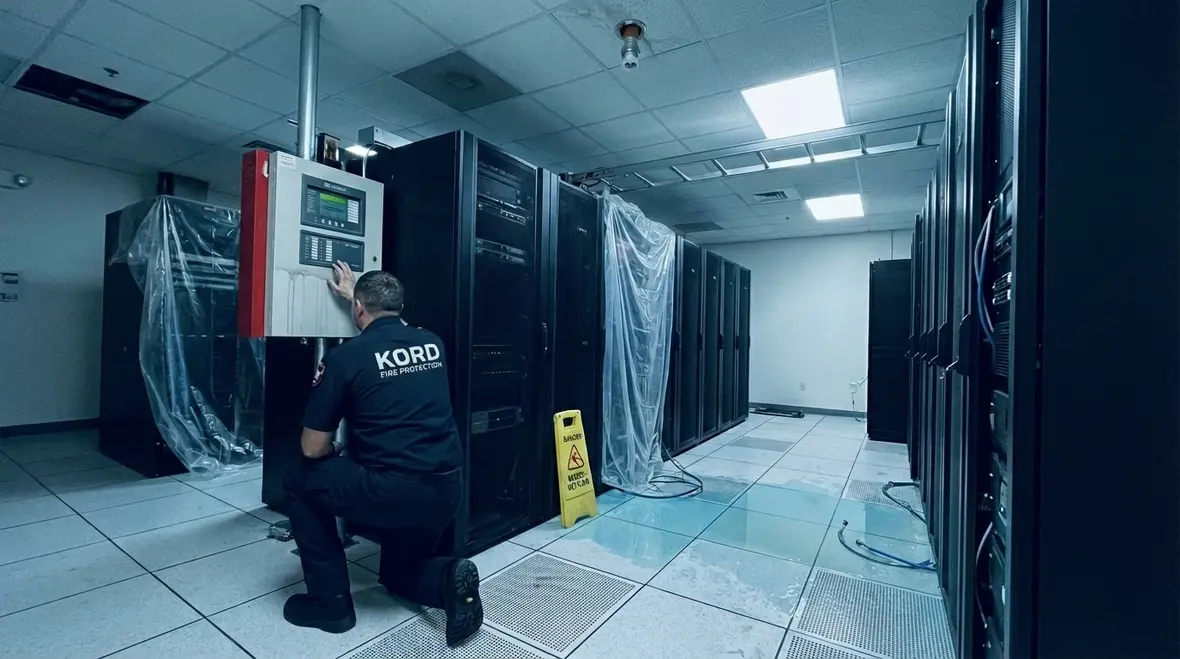
There are few sounds more alarming than a fire suppression system activating when there is no fire in sight. One moment, everything is calm. The next, foam, water, or clean agent gas fills the room like a scene from an overdramatic action movie. A fire suppression system false discharge does more than startle employees. It halts operations, damages equipment, and chips away at trust in safety systems.
However, this problem rarely appears out of thin air. In fact, behind every accidental system activation sits a chain of causes that can be understood and prevented. Kord Fire Protection technicians often explain that these events are not random acts of chaos. They are signals. And when someone knows what to look for, those signals become manageable, predictable, and preventable.
Understanding Fire Suppression System False Discharge and Why It Matters
A suppression system exists for one reason. It detects fire and responds faster than any human could. Yet when it activates without an actual fire, the results can be costly.
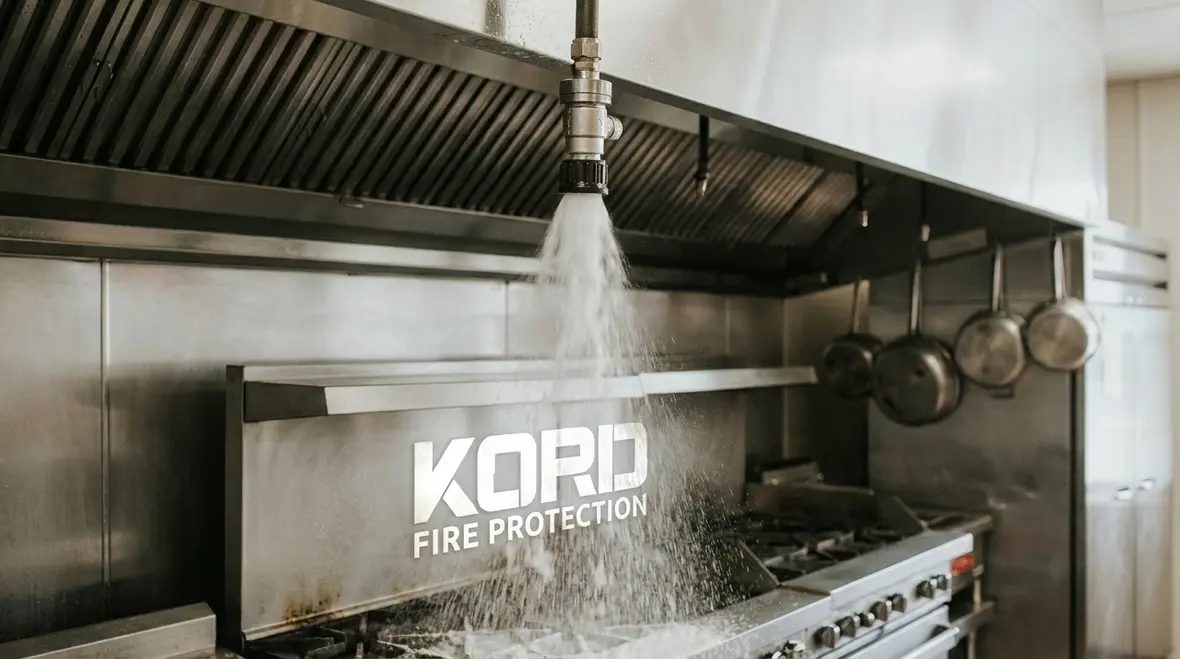
A false activation of a suppression system can release water, foam, or clean agents into sensitive areas. For example, in data centers, even a minor accidental discharge can damage servers and shut down operations for days. In commercial kitchens, it can contaminate food and force temporary closures. Therefore, the financial impact often extends far beyond cleanup.
Moreover, there is a psychological cost. Staff may hesitate during a real emergency if they assume the system is “acting up again.” That hesitation can be dangerous. Consequently, preventing accidental discharges is not just about saving money. It is about preserving confidence in life safety systems.
Kord Fire Protection technicians emphasize that systems rarely fail on their own. Instead, human oversight, environmental conditions, or aging components often play a role. When businesses understand this, they move from reacting to preventing.
For facilities that rely heavily on clean agent or gaseous suppression, pairing your system with proper room integrity testing helps ensure that when a discharge does occur, it is both intentional and effective, instead of an expensive false start.
What causes a fire suppression system to discharge accidentally?
This is the question many facility managers type into search engines after a surprise activation. The answer is layered, yet clear when broken down.
1. Mechanical Failure
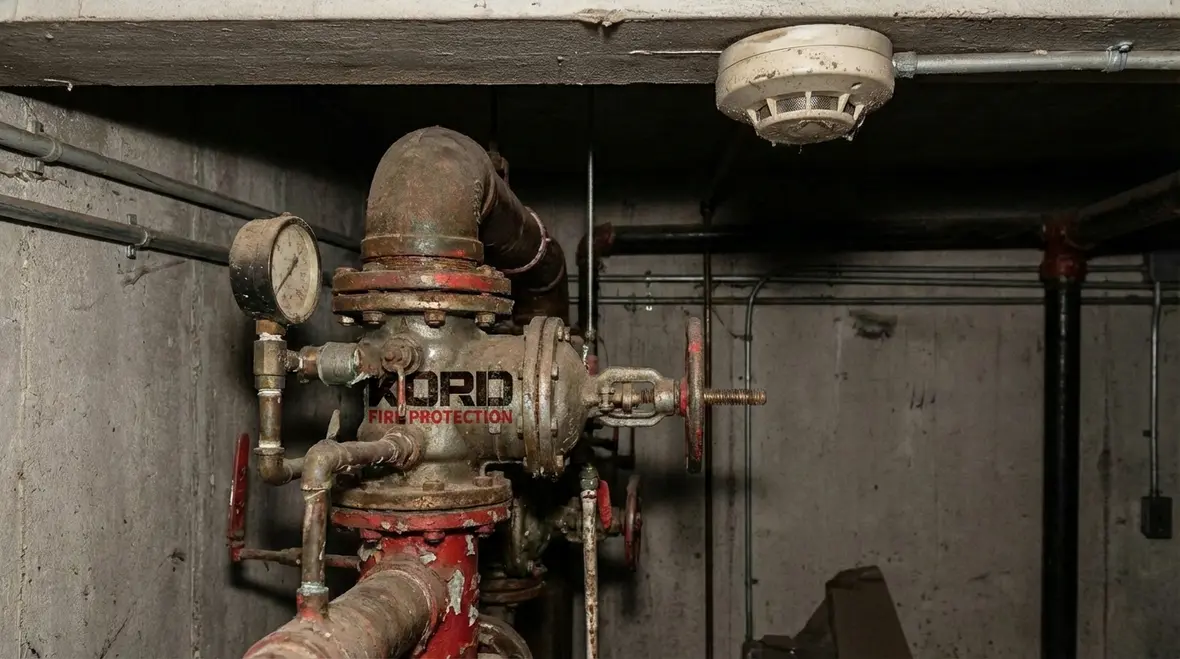
Valves, actuators, and piping components experience wear over time. If a valve sticks or a seal weakens, pressure imbalances can trigger a discharge. Additionally, corrosion inside pipes can interfere with proper system function.
2. Electrical Faults
Modern systems rely on control panels, wiring, and detection devices. Power surges, loose connections, or short circuits can send incorrect signals. As a result, the system may interpret a fault as a fire condition.
3. Sensor Contamination
Dust, grease, steam, and chemical vapors can coat detectors. In kitchens and industrial spaces, this issue appears often. Over time, contaminated sensors may misread environmental changes as smoke or heat from a fire.
4. Human Error
Improper maintenance, accidental impact to system components, or mistakes during testing can trigger discharge. Sometimes, someone bumps the wrong control. Other times, a system is not reset correctly after inspection.
5. Extreme Environmental Conditions
Sudden temperature swings, vibration from heavy machinery, or construction work nearby can disturb sensitive components. Consequently, a system may activate even though no flames exist.
Kord Fire Protection technicians often compare these systems to loyal guard dogs. They are trained to respond quickly. However, if someone keeps setting off fireworks nearby, that guard dog may bark at everything.
If your building depends on specialized systems like automatic fire suppression or CO2 systems, the logic that normally prevents false discharges still needs regular verification through inspections and testing.

The Hidden Damage Behind Accidental System Activation
At first glance, an unintended discharge may look like a messy inconvenience. In reality, it can create layered consequences.
First, there is direct property damage. Water based systems can soak drywall, flooring, and equipment. Clean agent systems, while less messy, still require recharging and system recalibration. Foam systems demand extensive cleanup.
Next comes operational downtime. Businesses may pause operations while inspections, cleanup, and repairs take place. For manufacturing facilities, even a few hours of downtime can disrupt supply chains. Therefore, the true cost often appears days later.
Insurance claims also complicate matters. While some policies cover accidental discharges, repeated incidents can raise premiums. Moreover, insurers may question maintenance records. This is where proper documentation becomes essential.
Kord Fire Protection technicians regularly remind clients that preventing one accidental discharge often costs far less than cleaning up after one. It is a simple equation. Prevention is quieter and cheaper than recovery.
How Kord Fire Protection Technicians Diagnose the Real Problem
When responding to a reported system misfire, technicians follow a structured process. They do not guess. They investigate.
First, they review system logs and control panel history. Many modern panels record fault signals and environmental triggers. This digital trail often points to the source.
Next, they conduct a physical inspection. They check detection devices, wiring, valves, and piping. Additionally, they look for corrosion, loose fittings, and signs of tampering or impact.
They also evaluate environmental conditions. Has recent construction occurred? Has kitchen output increased? Has humidity shifted? These questions matter. Because even a well installed system can struggle in changing conditions.
Finally, they test components under controlled conditions. By isolating sections, they determine whether a specific detector or control module caused the issue.
Kord Fire Protection technicians explain these findings in clear language. No dramatic music. No finger pointing. Just facts and solutions. That transparency builds trust and helps facility managers make informed decisions.
Proven Prevention Strategies That Actually Work
Preventing a fire suppression system false discharge requires discipline, not luck. The following strategies reduce risk significantly.
Routine Inspections
Scheduled inspections catch worn components before failure occurs. Moreover, consistent checks help ensure sensors remain clean and calibrated.
Environmental Control
Managing dust, grease buildup, and humidity protects detection devices. In kitchens, regular hood cleaning plays a major role. In data centers, maintaining stable temperature and humidity reduces sensor stress.
Professional Maintenance
Certified technicians should perform testing and servicing. Although some tasks seem simple, improper adjustments can lead to accidental activation.
Employee Awareness
Staff should understand basic system components and know what not to touch. For example, storing items near detection devices or pulling manual stations as a prank is never a good idea. This is not a sitcom.
Upgrading Aging Systems
Older systems may lack modern safeguards. Upgrading control panels or detectors can reduce sensitivity to false signals while maintaining rapid response to real fires.
Each strategy builds on the others. Together, they create a layered defense against unwanted discharge events.
If you operate a commercial kitchen, aligning these practices with a modern UL-300 restaurant and kitchen hood suppression system gives you a strong foundation for both compliance and real-world reliability.
Common Causes and Prevention at a Glance
For quick reference, the following overview connects cause to corrective action.
Cause
Mechanical wear
Electrical faults
Dirty sensors
Human error
Environmental stress
Prevention
Replace aging valves and seals during inspections
Inspect wiring and protect against power surges
Clean and recalibrate detectors regularly
Train staff and document all maintenance
Control humidity, dust, and vibration
This side by side view makes one thing clear. Most causes are preventable. And when prevention becomes routine, accidental system activation becomes rare.
Building Long Term Reliability Into Your Fire Protection Plan
Reliability does not happen by accident. It develops through planning and consistency.
First, businesses should create a documented inspection schedule aligned with national and local codes. Then, they should partner with certified professionals who understand system design and compliance requirements.
Additionally, keeping detailed service records proves valuable. If a fire suppression system false discharge ever occurs, those records show due diligence. They also help technicians trace patterns over time.
Periodic risk assessments further strengthen protection. As operations grow or change, fire risks evolve. Therefore, suppression systems must adapt as well.
Kord Fire Protection technicians often say that safety systems deserve the same respect as any mission critical equipment. No one would skip oil changes for a fleet of delivery trucks and expect smooth performance. The same logic applies here.
With structured maintenance, environmental awareness, and expert guidance, businesses transform their suppression systems from unpredictable alarms into dependable guardians.
Frequently Asked Questions
Protect What Matters Most
A fire suppression system false discharge may feel sudden, yet its causes are rarely mysterious. With expert inspection, steady maintenance, and guidance from experienced professionals like Kord Fire Protection technicians, businesses can reduce risk and protect operations. Prevention brings calm. And calm, in matters of fire safety, is priceless.
If you manage a restaurant, data center, industrial facility, or any environment that relies on special hazard protection, keeping your suppression, alarm, and detection systems tuned isn\u2019t optional. It is part of everyday risk management that protects people, property, and uptime.
If reliability matters, now is the time to schedule a professional evaluation and ensure every safeguard stands ready for the moment it is truly needed. Explore Kord\u2019s full range of fire suppression and fire protection services to address everything from room integrity testing to kitchen hood systems and more.
Ready to turn false discharges into rare events instead of recurring headaches? Contact Kord Fire Protection today to schedule an assessment, tighten up your maintenance plan, and keep your suppression systems ready for real emergencies\u2014not false alarms.
Know Your Weapon Before You Fight the Flame
Kord Fire Protection is your go-to when it comes to all things fire protection. For over 20 years, we’ve been serving Southern California with the quality service and equipment to keep your home or business safe at all times. Our competitive prices reflect our unwavering commitment to protecting what matters most in the event of a fire emergency. Give us a call, send an email, or use that form!

Join Our Newsletter!
Get the latest fire safety tips delivered straight to your inbox From our Newsletter.


