Fire Suppression Nozzle Inspection Caps and Aim Matter
Fire Suppression Nozzle Inspections: Caps and Aim Matter for Real-World Protection
Fire suppression nozzle inspection sits at the center of dependable fire protection, and it starts with something most people overlook: the nozzle cap and its aim. During a fire suppression nozzle inspection, technicians check that each cap is present, correctly seated, and that the spray pattern reaches where it must. Then they confirm the nozzle points the right direction, because even the best system loses its edge when the wrong air draft or installation slip turns it into a “spray in the wrong room” situation.
Of course, a calm system is only calm when it stays reliable. And that is where Kord Fire Protection can become a vital partner, bringing service discipline, documentation, and jobsite follow through that helps owners and managers avoid the kind of surprises nobody wants to meet, like a horror movie villain who arrives uninvited.
Why nozzle caps change the outcome
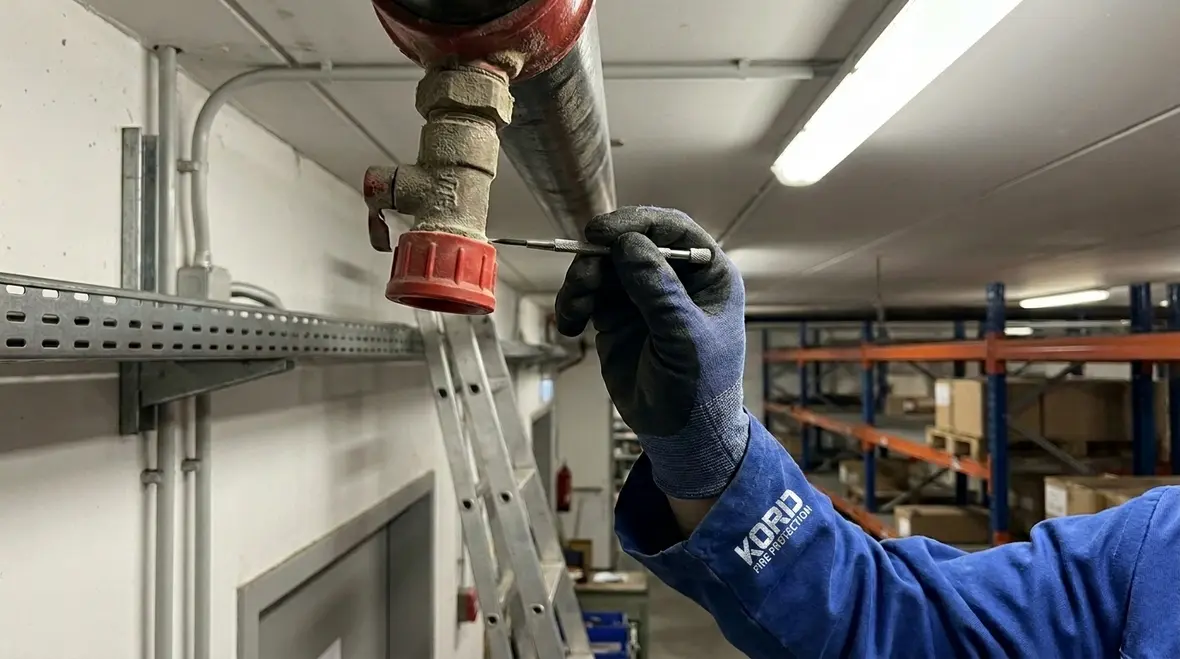
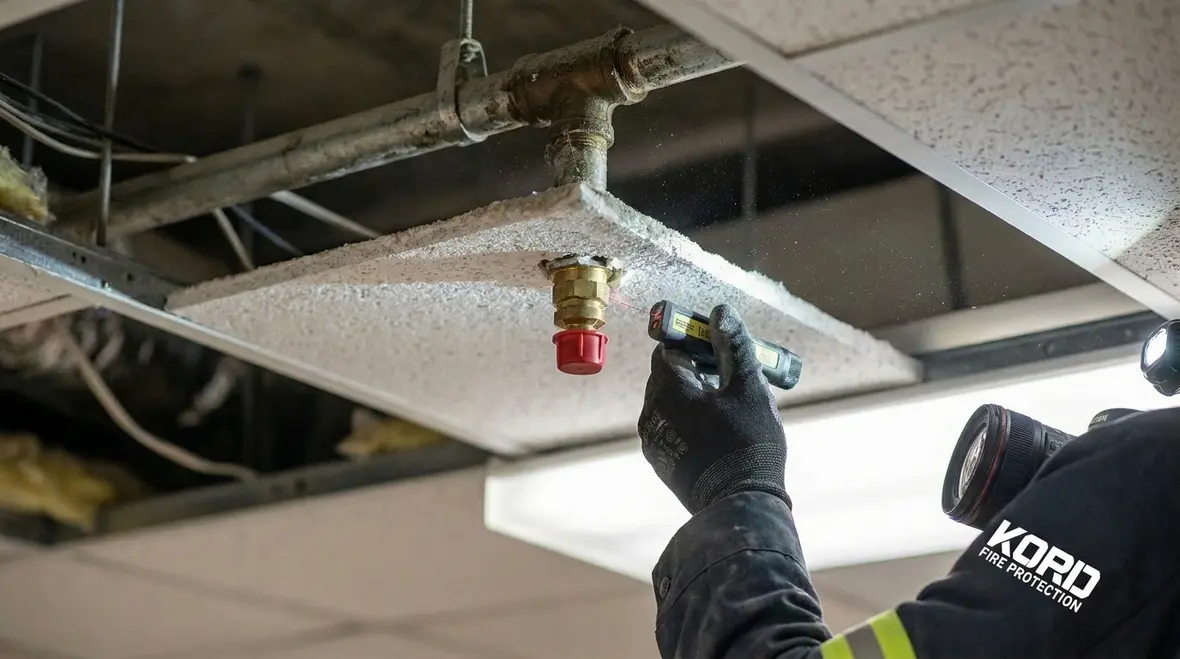
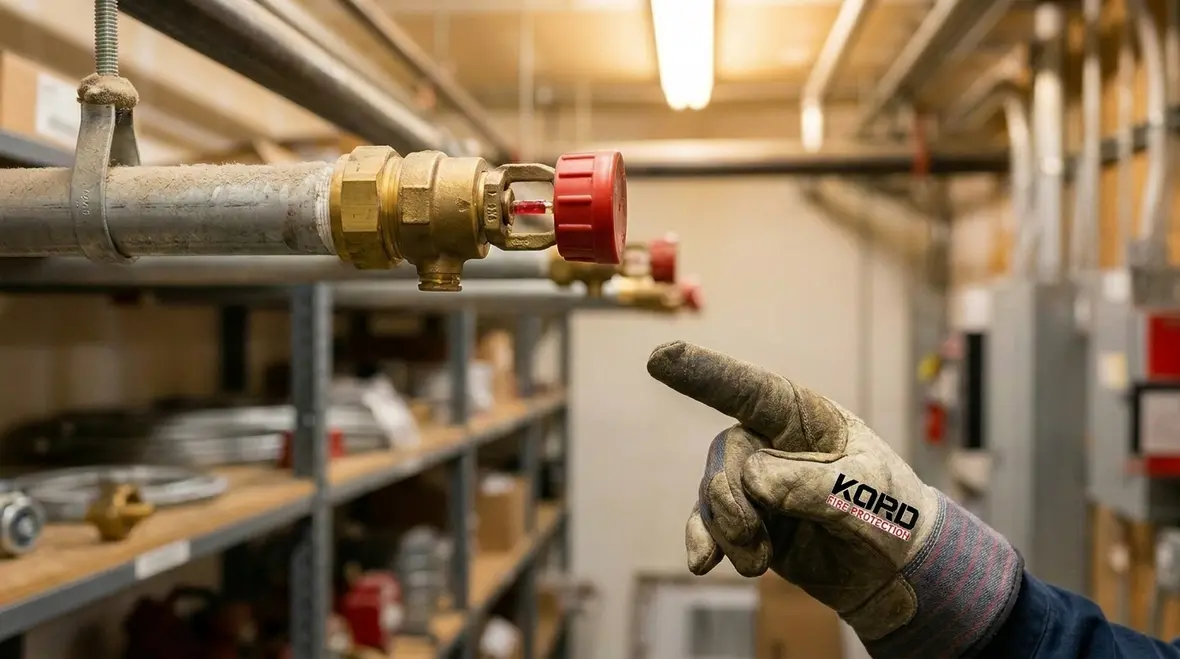
Nozzle caps may look like small pieces of plastic or metal, but they can control performance during testing, maintenance, and actual fire conditions. First, technicians verify the cap exists and matches the manufacturer’s design. Next, they check that it has not cracked, warped, or been removed and replaced with the wrong part. After that, they confirm the cap does not interfere with the discharge path.
Additionally, caps protect the interior from dust and debris, especially in warehouses, mechanical rooms, and areas with frequent construction dust. However, if the cap sits crooked or fails to seal, it can trap grime where it should not. Over time, that trapped debris can reduce the flow, disturb the spray pattern, or delay the discharge response. In other words, a “minor” missing cap can turn into a major system headache.
- Cap alignment affects how the nozzle opens and releases water or suppressant.
- Correct cap type protects against contamination without blocking discharge.
- Replacement parts must match the original specification.
That is also why inspection records matter more than they seem. When a cap issue repeats in the same area, the problem may point to vibration, poor access, recurring dust intrusion, or somebody treating replacement parts like a grab bag. A careful team tracks those patterns and responds before a small issue becomes an expensive one. For a deeper look at placement and spray behavior, see Mist System Fire Protection Nozzle Placement Guide.
Small parts, big consequences
The funny thing about nozzle caps is that they rarely look dramatic. Nobody gathers around one and says, “Now there is the star of the show.” Yet in real fire protection work, small hardware often decides whether a system performs smoothly or starts a chain of preventable problems. In other words, the cap may be tiny, but its opinion on system reliability is loud.
How proper aim supports coverage, not wishful thinking
Spray direction matters because fire does not care about convenience. If the nozzle aim points too high, too low, or off to the side, the system may fail to cover the target area the way it was designed. Therefore, during fire suppression nozzle inspection work, technicians check alignment against the ceiling plane and verify that the spray reaches the intended hazard location.
Sometimes the problem starts long before anyone inspects. A ceiling tile gets replaced, ductwork shifts during tenant improvements, or a contractor bumps a nozzle during cable routing. Even a few degrees can matter when many nozzles work together as a network. Instead of evenly distributing suppressant, misaimed nozzles can leave dry pockets where heat and smoke grow faster than the system can control.
Also, technicians confirm that there are no new obstructions like racks, partitions, or banners that moved into the spray zone. After all, fire suppression is not a “spray and pray” business. It is a calculated response plan that must still look right after a busy workday.
Alignment checks are not guesswork
A proper inspection does not rely on someone tilting their head at the ceiling and declaring everything “close enough.” Technicians compare nozzle orientation to system design, room conditions, and hazard location. They also look at whether airflow, structural changes, or storage creep have quietly turned a once-correct installation into a problem with excellent camouflage.
This is where experienced service makes a real difference. Kord Fire Protection teams know that reliable coverage depends on more than a quick visual pass. The goal is to confirm the nozzle still protects the hazard it was installed to protect, not the hazard that existed three remodels ago.
What inspections should include on the service checklist
A strong inspection does more than glance and move on. It follows a process that catches both obvious issues and the sneaky ones. Typically, the technician starts with visual checks, then progresses to functional verification steps where allowed by the system design and local requirements.
In a practical workflow, the inspection includes:
- Review of nozzle listing and condition, including cap presence and condition.
- Verification of nozzle aim and spray clearance from new obstructions.
- Check for corrosion, paint overspray, physical damage, and leaks.
- Assessment of installation fit, including spacing and layout consistency.
- Documentation of findings, photos when needed, and recommendations.
Then, when issues appear, the technician flags them clearly and tags the location so the next step stays fast. That is the difference between “we looked” and “we solved.” And yes, the goal is to avoid the moment an inspector asks for records and somebody responds with, “It’s around here somewhere.” Fires love that kind of chaos, and compliance does not.
For facilities building a stronger maintenance rhythm, Kord Fire Protection’s Fire Suppression System Maintenance Checklist Guide offers useful context on how organized inspection steps support long term readiness.
Common failures seen after installs, remodels, and dust storms
It is usually not one single failure. Instead, multiple small changes stack up until the system stops behaving like the one on the blueprint. For example, after remodels, crews may install new fixtures or HVAC components that crowd the spray pattern. Meanwhile, paint teams sometimes cover nozzles during touch ups, and they do it fast, not carefully. Later, the nozzle may still appear fine until the cap and discharge path get compromised.
Additionally, the “dust and debris” problem shows up often in industrial settings. Over time, buildup clings to caps and nozzle bodies. Even when it does not fully block discharge, it can disrupt distribution and create uneven coverage.
Technicians also watch for damage from ladder contact, impacts during storage moves, or poor access around the ceiling. And if a previous service job used the wrong parts or rushed alignment, the system may never fully recover. That is why disciplined service matters, and why partnering with a team like Kord Fire Protection can keep recurring issues from turning into a repeating sitcom plot.
The usual suspects technicians find
- Caps missing after maintenance or cleaning.
- Nozzles slightly twisted off their intended orientation.
- Paint overspray hiding on caps, bodies, or discharge openings.
- Dust buildup in warehouses, shops, and mechanical spaces.
- New obstructions introduced by racks, signage, cable trays, or ductwork.
Individually, each one may look manageable. Together, they can undermine the pattern, spacing, and response the system was designed to deliver. That is why post-install and post-remodel reviews are not busywork. They are where hidden compromises usually stop pretending to be harmless.
How dual reporting helps owners track risk and action
Good documentation should serve two audiences: the field team that fixes issues and the owner team that manages risk. To support that, some organizations use a dual column style report that separates technical findings from action items, so nobody has to translate engineering language into “what do we do next?”
Inspection findings
- Nozzle cap condition and fit
- Aim verification results
- Obstruction checks
- Damage and contamination notes
Required actions
- Replace incorrect caps
- Correct misalignment
- Remove or relocate obstacles
- Schedule follow up service
As a result, owners see what matters without digging through pages of uncertainty. And because records remain clear, the next fire suppression nozzle inspection cycle starts faster, with less confusion and fewer repeat questions.
A good report also creates accountability. It shows what was found, what was corrected, what still needs action, and who owns the next step. That kind of clarity is not glamorous, but it is extremely useful when time, budgets, and compliance responsibilities all decide to compete for attention at once.
FAQ: Fire suppression nozzle inspection, caps, and aim
Final call: Make inspections a dependable habit with Kord Fire Protection
When owners treat fire suppression nozzle inspection as a box to check, the system pays the price later. When they treat it as a living maintenance program, the building stays prepared. Kord Fire Protection helps facilities verify nozzle caps, confirm aim, and document results in a way that supports real risk decisions.
If you want fewer surprises and faster follow up, explore Kord Fire Protection’s full fire protection services and schedule your next inspection today to keep your fire protection working like it should.

Join Our Newsletter!
Get the latest fire safety tips delivered straight to your inbox From our Newsletter.