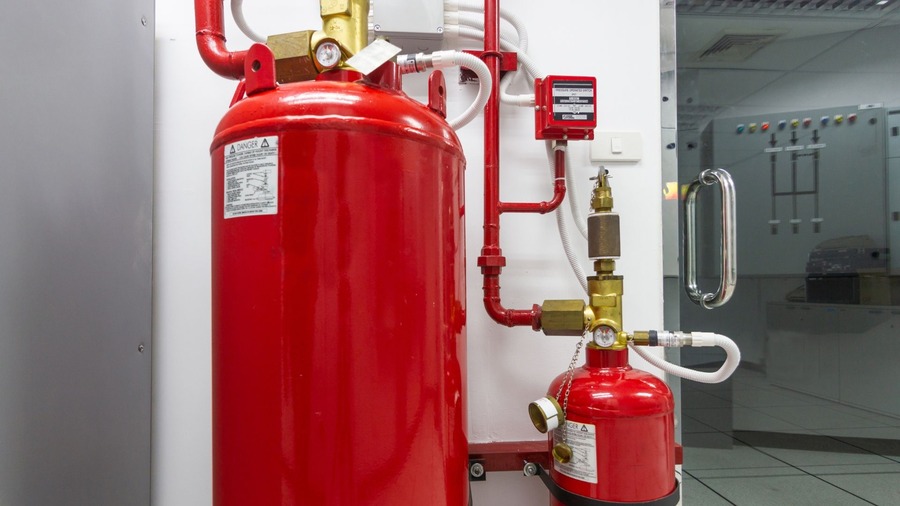
Fire Suppression Systems and Fire Marshal Oversight AHJ Expectations
Fire Suppression Systems and Fire Marshal Oversight: What the AHJ Expects
In the real world, fire suppression systems do not pass on hope and vibes. They pass because the fire suppression AHJ requirements are met, documented, and verified before the first handoff. Early in the process, the Authority Having Jurisdiction evaluates design intent, installation methods, permit records, inspection plans, and ongoing maintenance expectations. As a result, project teams must align engineering, contractor work, and local code interpretation from day one. And yes, the AHJ can be as strict as a museum guard, but strict is usually the point.
From sprinkler and clean agent systems to standpipe and special hazards, the AHJ expects a consistent path: the right system for the hazard, properly listed components, correct hydraulic or agent calculations, and work that matches approved plans. Kord Fire Protection, in turn, can become the quiet partner who keeps that path smooth, even when timelines get loud.
How AHJs Interpret Fire Suppression AHJ Requirements in the Field
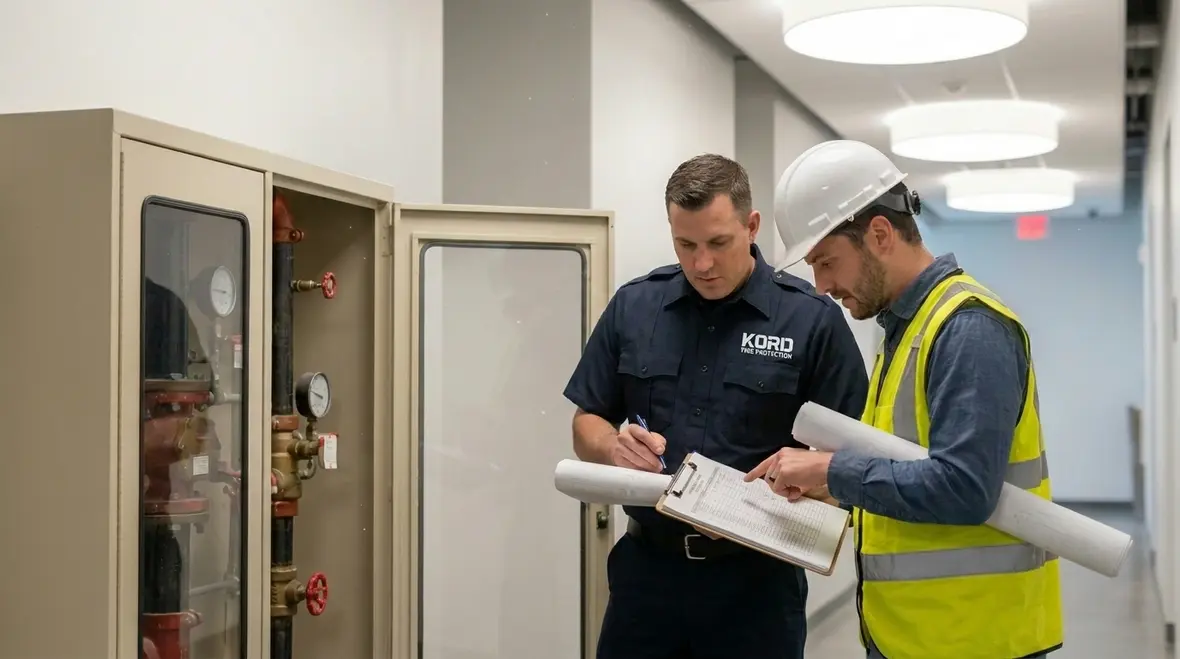
AHJs do not all think alike, and the industry knows that. However, most interpret rules through a similar lens: life safety, property protection, reliability, and traceability. Consequently, the same project may receive different questions depending on the local office, building type, and risk profile.
Typically, the AHJ focuses on three things. First, it verifies that design and materials follow applicable standards and local amendments. Second, it checks installation details such as spacing, routing, hangers, valves, pressure, and supervision. Third, it expects proof through documentation that the system is ready for service.
Meanwhile, contractors often struggle with the paperwork side. They install the system, then scramble for submittals, test records, and inspection forms. That is where coordination matters. Kord Fire Protection can support the service and job workflow so the project avoids the classic “we will provide that later” trap, which always ages badly.
That field interpretation also explains why two seemingly similar facilities can face very different review comments. A warehouse, a commercial kitchen, a data room, and a mixed use property all present different hazards, priorities, and operational concerns. The AHJ is not trying to make the process theatrical. The office is trying to confirm that the installed system actually fits the conditions it is meant to protect.
Why local interpretation matters more than assumptions
The fastest way to burn time is to assume the reviewer will accept a standard package without project specific clarity. A better approach is to treat local expectations as part of the design criteria from the start. Teams that do that tend to move through review with less friction and far fewer “surprise” revisions that were only surprising because nobody asked early enough.
For teams managing inspection readiness across multiple systems, Kord Fire Protection also shares practical guidance through related resources such as Wet Sprinkler System Inspection by Kord Fire Protection, which helps connect routine inspection details with what reviewers and inspectors expect to see during real world follow through. ([kordfire.com](https://kordfire.com/wet-sprinkler-system-inspection-by-kord-fire-protection/?utm_source=openai))
Design and Submittals That Survive AHJ Review
When projects get stuck, it is often in the design and submittal phase, not in the final system. The AHJ wants to see clear evidence that the system was designed for the actual hazard, not a generic assumption from a template.
To keep review moving, teams should prepare the following before submission. These items reduce back-and-forth and help prevent late changes:
- Accurate hazard classification and occupancy details
- System layout drawings that match field conditions
- Hydraulic calculations where required, with correct assumptions
- Listing evidence for components and assemblies
- Specifications that define installation standards and inspection points
- Commissioning or acceptance test plans
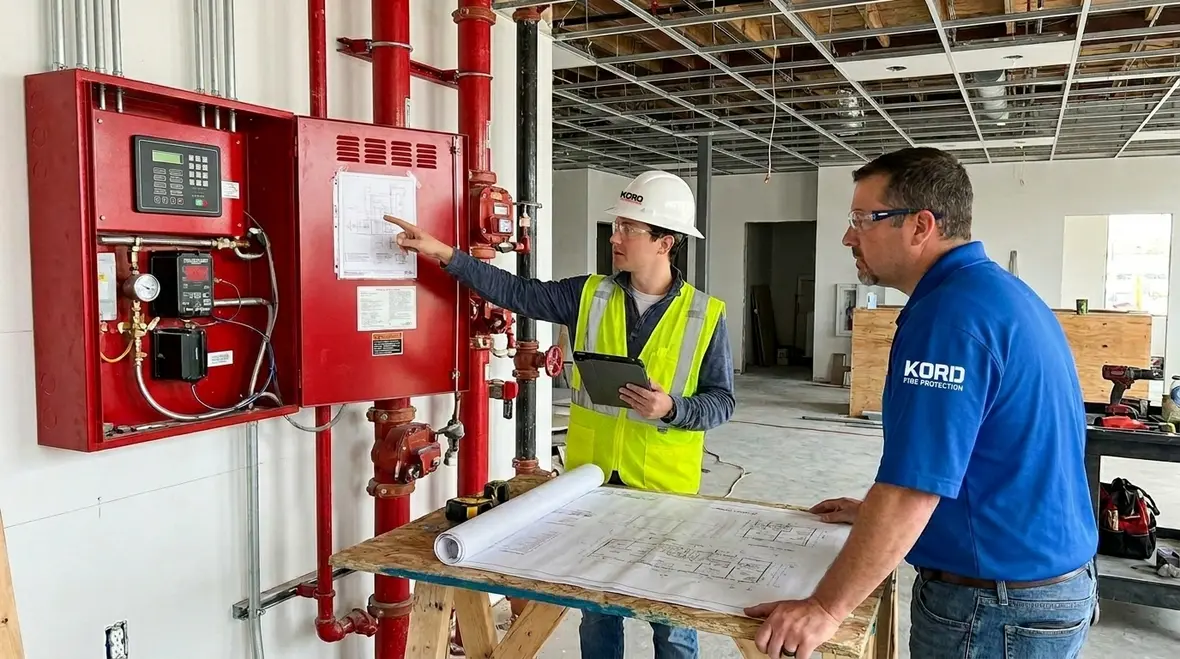
Then comes the practical part. Kord Fire Protection helps teams align the paperwork with the jobsite reality, which means the submittal packet reflects what will actually be installed. That approach helps the AHJ feel confident, and it helps contractors keep their schedule. Also, it reduces the chance of the AHJ asking, “Where is that detail you promised?” That question is never fun, like receiving a plot twist in the final act.
Submittals work best when they are treated as a technical map instead of a formal box to check. Clean drawings, consistent notes, complete product data, and system specific testing plans all make review easier. Sloppy packets invite clarifying questions, and clarifying questions tend to arrive right when everyone wanted a permit approval yesterday.
What makes a submittal package easier to approve
A strong package answers the reviewer’s likely questions before they are asked. It shows the hazard, the system logic, the listed equipment, the anticipated testing path, and the relationship between drawings and field conditions. If the design intent is obvious, the review is usually smoother. If it feels patched together, the process slows down fast.
Kord Fire Protection’s broader fire suppression guidance also reinforces that design, inspection, and maintenance work best as one continuous process rather than isolated steps, a theme covered in Fire Suppression System Design, Types and Maintenance. ([kordfire.com](https://kordfire.com/fire-suppression-system-design-types-and-maintenance/?utm_source=openai))
Installation Practices That Reduce Rework and Delays
Even strong designs fail when installation does not match the approved plan. Consequently, AHJs look closely at workmanship and code compliance. Small errors can lead to rejection, which then triggers rework, delayed testing, and a domino effect on occupancy deadlines.
Common risk points include improper alignment, incorrect support spacing, wrong thread sealant type, inadequate supervision wiring, and unverified valve positions. In wet systems, the AHJ may also check the integrity of pressure or flow testing and the condition of drain arrangements. For special hazards, the AHJ may focus on agent delivery, nozzles, detection interface, and proper labeling.
To stay ahead, contractors can create an installation checklist that mirrors inspection expectations. Kord Fire Protection often supports this by coordinating field verification steps with the service plan, so the team does not wait until the last minute. In other words, the system gets built to pass, not built to hope.
Good installation control is not glamorous, but it saves projects. A mislabeled valve, a missing sign, or a detector interface that was never fully verified can derail acceptance more effectively than any dramatic code debate. Most delays are not caused by one catastrophic issue. They come from a cluster of small misses that add up into one very inconvenient inspection day.
Build it like the final inspection is tomorrow
That mindset changes how crews document work, verify devices, label equipment, and coordinate with other trades. It also reduces the panic sprint that happens when everyone realizes the AHJ visit is coming and half the closeout package still lives in somebody’s inbox. No system should rely on last minute optimism. Optimism is lovely. It is just not a test method.
Testing, Inspection, and Acceptance: Getting the Green Light
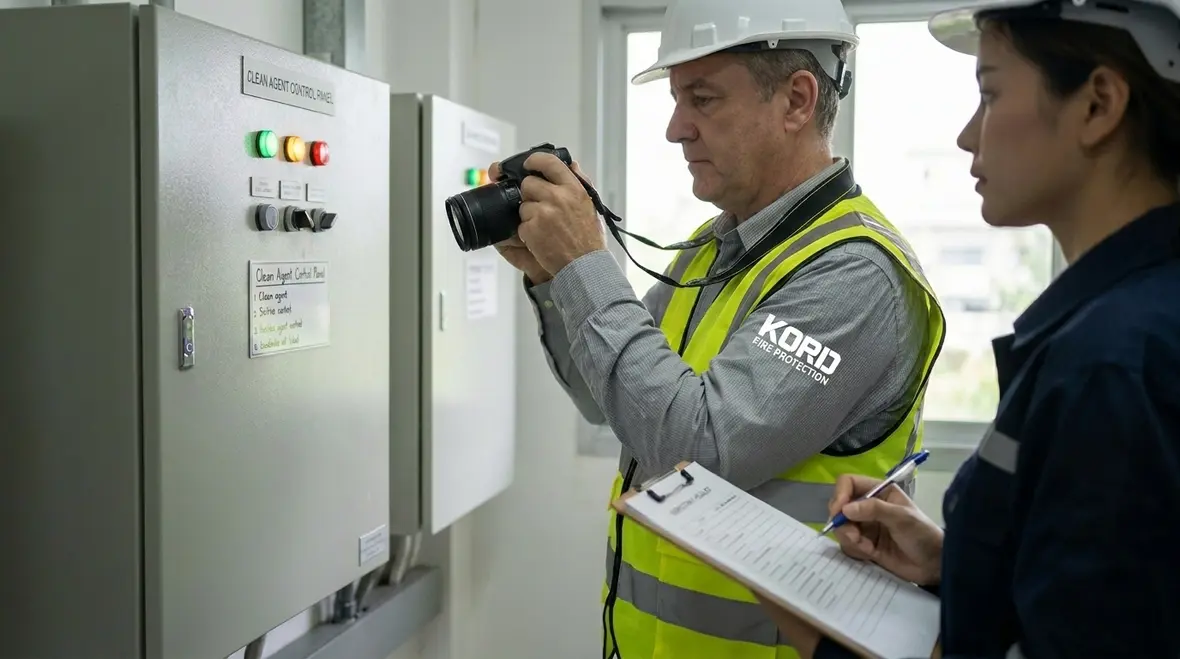
After installation, the system enters a critical phase: testing and acceptance. The AHJ expects performance evidence, not just statements. Therefore, teams should plan for operational checks, flow tests, alarms verification, and documentation of results.
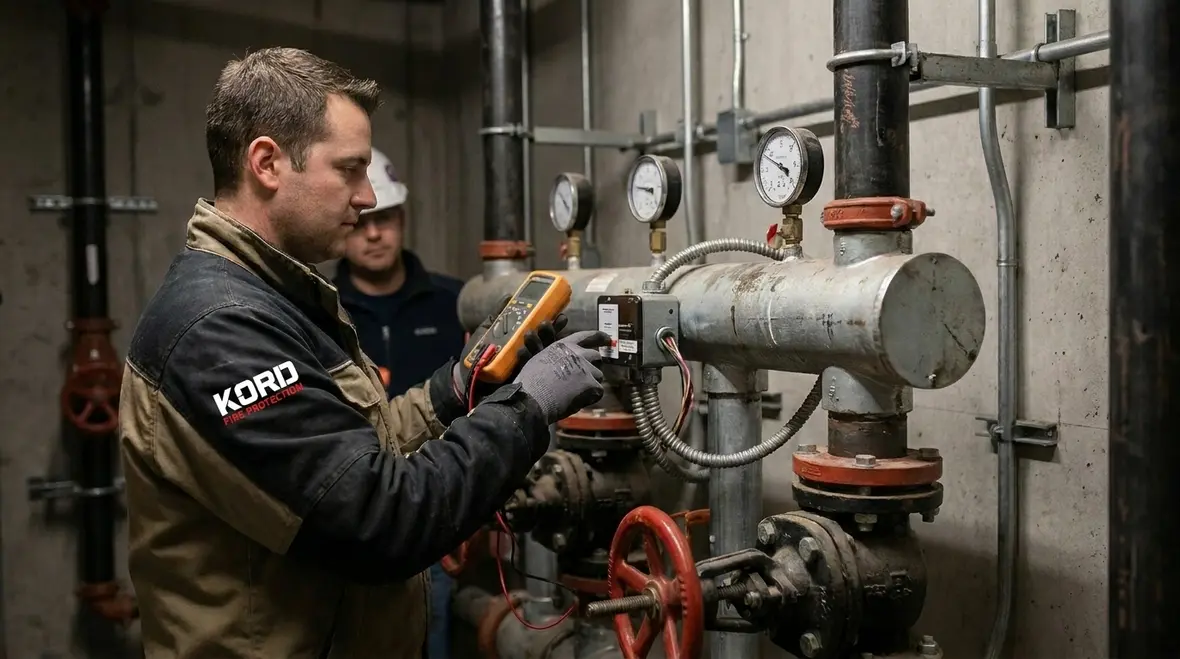
Depending on system type, acceptance often includes verification of pressure or discharge parameters, proper supervisory signaling, control panel integration, and confirmation that manual and automatic activation sequences work as designed. Additionally, labeling and signage matter. The AHJ wants occupants and responders to understand how the system functions.
During this stage, communication prevents confusion. A delayed test report can stall approval even if the equipment performs correctly. Kord Fire Protection can help by organizing service documentation and inspection-ready records, making it easier to respond to AHJ questions quickly. That way, the project does not get stuck like a VHS tape on the same scene. Progress should not require that much patience.
Acceptance testing is where design intent, installation quality, and documentation all meet in one room. If one of those three pieces is weak, everyone feels it immediately. If all three are aligned, the final review becomes far more straightforward. Not effortless, because this is still fire protection, but at least not an accidental endurance sport.
Documentation should arrive with the test, not someday after it
That simple habit can save days. Test plans, completed forms, punch items, and corrected records should move together whenever possible. Kord Fire Protection’s article on Fire Suppression System Solenoid Testing and Checks also shows how component level verification supports reliable overall system performance before acceptance day arrives. ([kordfire.com](https://kordfire.com/fire-suppression-system-solenoid-testing-and-checks/?utm_source=openai))
Maintenance, Documentation, and Ongoing Compliance
Fire suppression does not become “set it and forget it” after approval. Instead, it requires maintenance to keep it reliable and compliant. The AHJ expects the building owner to maintain the system according to the inspection and service schedule, including documenting inspections and correcting deficiencies.
Maintenance records typically include test results, component status, trouble history, and any service work performed. When the AHJ reviews ongoing compliance, missing documentation can become a bigger issue than a minor hardware defect, because it blocks confidence in the system’s readiness.
In addition, many facilities face evolving hazards. Tenant improvements, process changes, and new equipment can alter risk. When that happens, the system may need updates or revised documentation. Kord Fire Protection can serve as a long term partner by building a maintenance rhythm that matches the site reality, so compliance stays steady even as the building changes.
This is where owners often discover that ongoing compliance is really an operational discipline. It is less about reacting to one inspection and more about maintaining a documented pattern of readiness. If the records are current, the deficiencies are addressed, and the system still matches the building’s present use, future AHJ interactions become much less dramatic. Which is ideal. Fire protection should be reassuring, not a season finale.
FAQ: Fire Suppression Systems and AHJ Expectations
Partnering With Kord Fire Protection for Smooth Approvals
Fire suppression AHJ requirements can feel like a moving target, but the process does not have to become chaotic. When project teams plan for review, install to match approved details, and keep maintenance documentation organized, approvals become far more predictable. Kord Fire Protection helps contractors and owners reduce rework, respond to AHJ questions faster, and keep systems ready after acceptance.
For teams that need broader support across inspections, alarms, extinguishers, and suppression readiness, Kord Fire Protection’s Full Fire Protection Services page offers a direct next step for coordinated compliance support, service scheduling, and system readiness planning. ([kordfire.com](https://kordfire.com/full-fire-protection-services/?utm_source=openai))
If this project needs a reliable compliance partner, they should reach out to Kord Fire Protection today and schedule a consultation. The right support can make AHJ review, installation follow through, testing, and long term compliance feel much less like a guessing game and much more like a plan that actually holds together when it counts.

Join Our Newsletter!
Get the latest fire safety tips delivered straight to your inbox From our Newsletter.