Fire Suppression Impairment: What Owners Must Do Next
Fire suppression system impairments are the kind of problem that does not always look dramatic until it is too late. In many buildings, a small fault can quietly reduce protection, delay discharge, or prevent a system from working the way the design intended. When fire suppression impairment shows up on inspection records, owners should treat it like a blinking “check engine” light, not a suggestion to ignore it until next quarter. And next quarter is often when the smoke starts showing up. So in this guide, third person owners learn what the impairments mean, why they occur, and how Kord Fire Protection can become a trusted partner for assessment, repair planning, and ongoing readiness.
Why fire suppression impairment matters to building owners
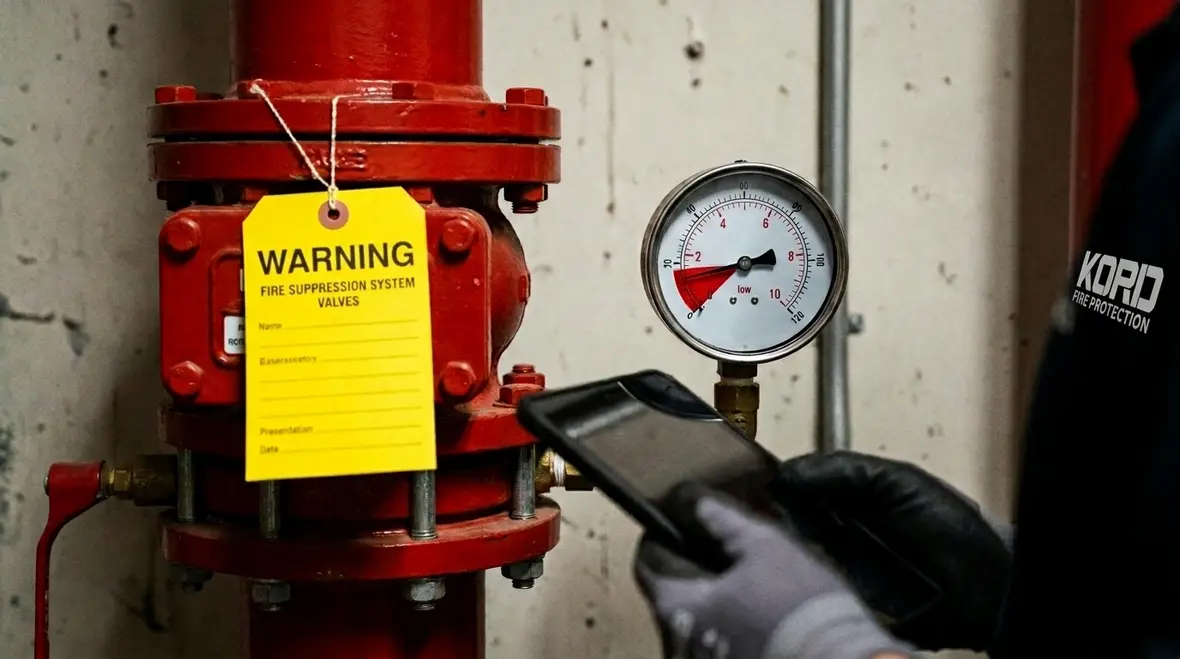
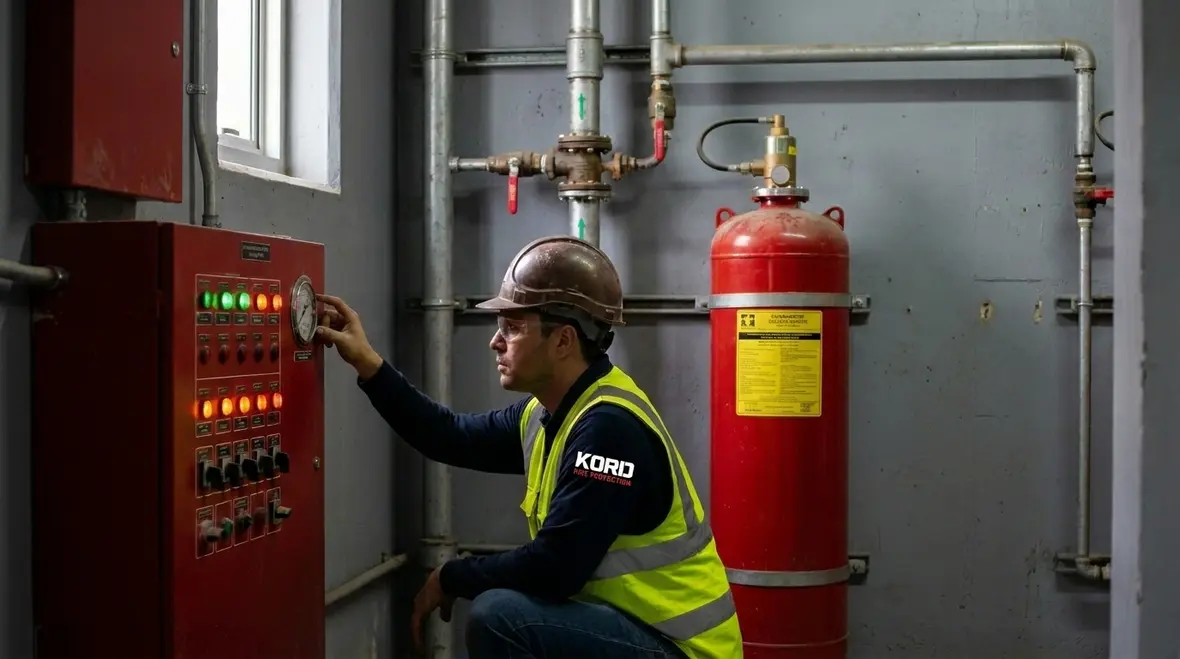
A well designed system can fight fast, but only if it stays in an accepted operating state. Therefore, fire suppression impairment is more than a paperwork issue. It can change performance in real life. For example, a valve stuck in the wrong position, a tamper switch wired wrong, low pressure on a standpipe system, or a blocked detection device can all slow down response. Meanwhile, the building’s risk profile grows because occupants and property rely on that system in their worst hour.
Owners also need to understand the practical side. When impairments exist, authorities often expect action and documentation. That means downtime for testing, added inspections, or restrictions on occupancy in severe cases. And yes, nobody likes a “temporary inconvenience” that turns into a “permanent lesson.”
Why the issue escalates faster than it looks
The problem for owners is that impairment rarely announces itself with a dramatic movie soundtrack. It shows up as a supervisory signal, an odd inspection note, a failed test reading, or a device that seems “mostly fine” until a real incident proves otherwise. That is why prompt action matters. The system does not need to be completely dead to be compromised. It only needs one meaningful weakness at the wrong time.
Kord Fire Protection’s broader fire protection services guide reinforces the same core idea: readiness is not a one time install, it is an ongoing condition that has to be protected and verified. Owners who understand that distinction usually make better decisions before an issue turns expensive.
Common impairment sources in sprinklers, gases, and special systems
Impairments do not appear out of thin air. They typically come from one of three buckets: equipment condition, system configuration, or maintenance gaps. Here are the most frequent culprits owners and facility teams see across common suppression types.
- Valve and control problems such as closed isolation valves, missing seals, faulty supervisory switches, or wiring issues that stop trouble signals from reporting.
- Water supply issues like low tank level, pump impairment, trapped air, obstructed strainers, or static pressure that drifts below the required range.
- Obstructions and physical damage including storage piled too close to sprinkler heads, paint overspray, corrosion, or impact damage from forklifts and ladders.
- Detection and actuation concerns tied to dirty heads, blocked piping, loose fittings, or misaligned nozzles on clean agent systems.
- Incorrect software or configuration in control panels that monitor and release clean agents, where a change was made but never verified.
Furthermore, human factors often play a role. A contractor swaps a component, a maintenance tech replaces a device without confirming compatibility, or a tenant remodel changes a layout. Then the system still “looks installed,” but it no longer matches the protection intent. That is how fire suppression impairment becomes a hidden performance gap.
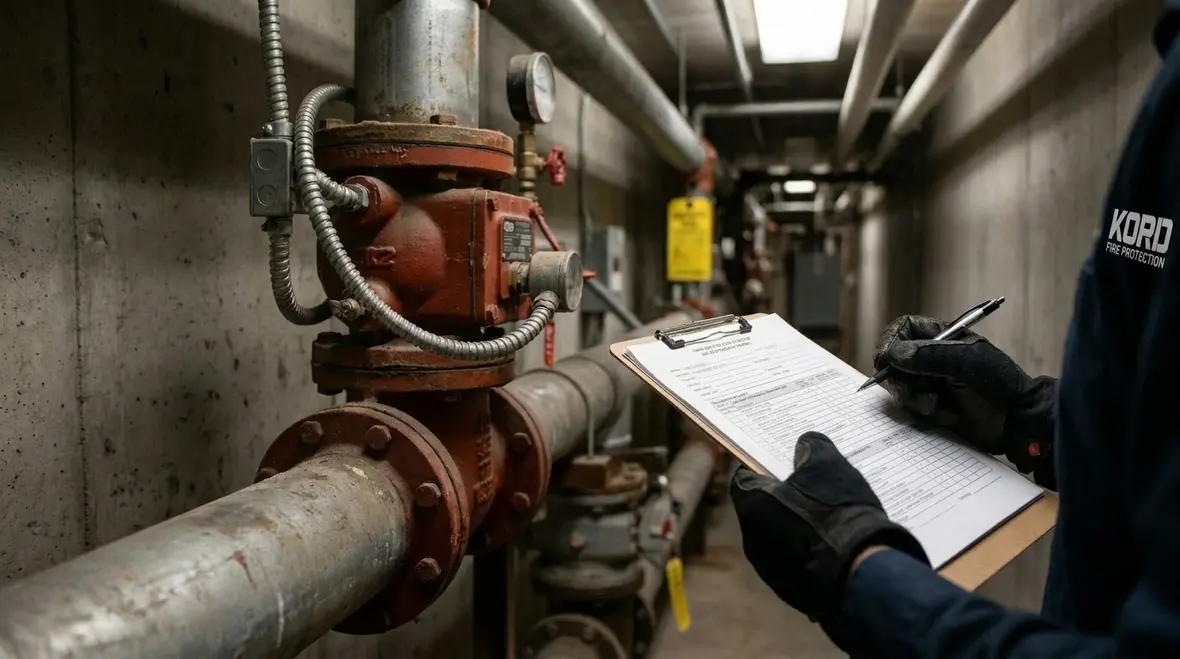
How related system design details can magnify the problem
Some impairments start small but become much more serious because they interact with other system variables. Kord Fire Protection’s article on fire suppression pressure relief function highlights how engineered suppression depends on more than just agent release. Pressure, discharge behavior, enclosure conditions, and verified configuration all influence whether the system protects the space as intended. That means a single overlooked defect can have bigger consequences than the inspection note suggests.
How impairments show up during inspection and what they really mean
Inspections usually uncover impairments through visual checks, functional testing, and supervisory signal verification. However, the wording can feel vague to an owner. Therefore, the key is to connect the impairment description to what the system would do in a real event.
For example, a record might flag trouble on a supervisory switch. That might mean the monitoring circuit cannot confirm valve position, which means a critical control state could go unnoticed. Another report might cite a flow test failure or a pressure test that did not meet required values. That indicates the system may not deliver adequate water or discharge capacity when needed.
Meanwhile, gas systems can be tricky. A cylinder pressure reading that is out of range, a fault in a release circuit, or a detector not in a normal state can all compromise the release sequence. In short, the report might sound like a technical note, but it points to measurable risk.
Reading between the lines on the report
Owners do not need to become fire protection engineers overnight, but they do need to ask the right follow up questions. What exact device failed. What area is affected. Is the impairment supervisory, functional, or release related. Does the issue limit coverage entirely, or does it reduce reliability. Those questions turn vague paperwork into action. Without them, an owner can end up treating a real hazard like an annoying administrative memo with bad timing.
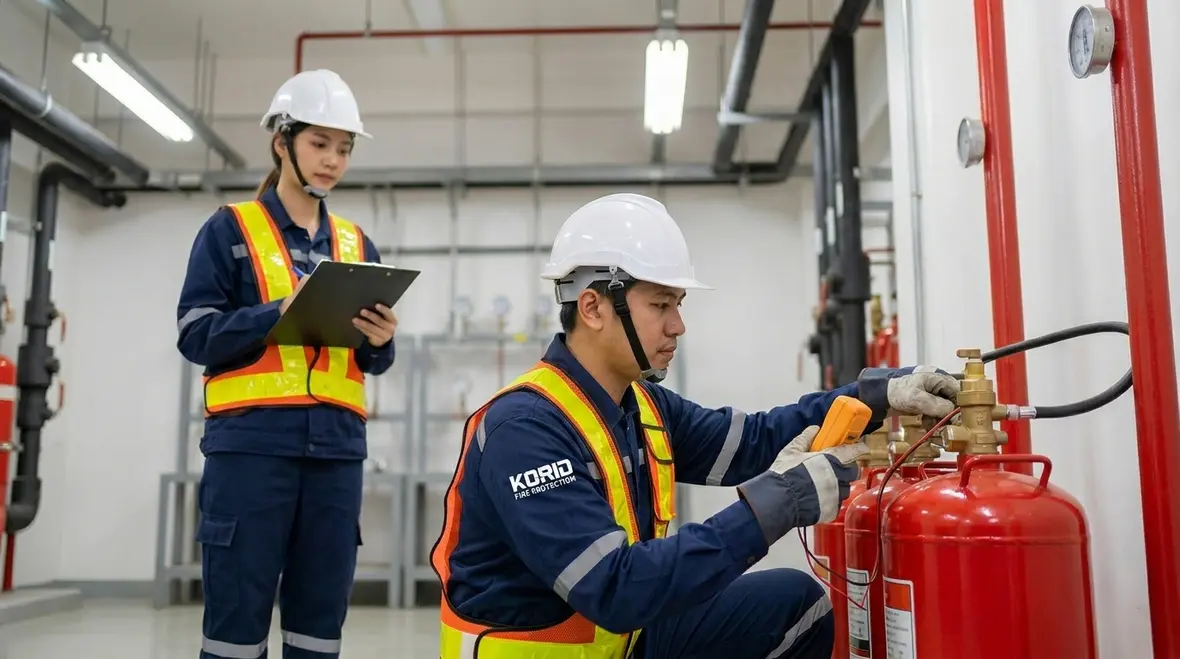
What owners should do next, step by step
When an impairment appears, owners should not rush into guesses. Instead, they should move in a clear order. First, they should confirm the exact type and location of the impairment. Next, they should review the most recent inspection data, maintenance history, and any recent work in the area. Then, they should coordinate a corrective plan with a qualified fire protection provider.
Here is a practical path that keeps things organized and defensible:
- Verify the impairment scope and identify which zones or hazards it affects.
- Check the last successful inspection and any changes made since then.
- Assess risk and timelines based on system type, location, occupancy, and expected delays.
- Plan repairs and retesting so the system returns to an accepted operating state.
- Update documentation for compliance, audits, and internal reporting.
However, the fastest response is not always the best response. A careless patch can make an impairment worse or create a new failure point. So owners should insist on clear testing procedures and confirmation that the system works as intended, not just that the panel “stops beeping.” Because, let’s be honest, a stopped alarm does not mean the hazard went away like a magician’s rabbit.
A smarter response workflow for property teams
A practical response also means coordinating internal teams. Facilities, operations, safety staff, tenants, and third party monitoring partners may all need to know what changed, what the temporary limitations are, and when the system will be retested. In larger properties, communication gaps can waste more time than the repair itself. A well managed impairment response keeps the technical work moving and the building team informed.
Where Kord Fire Protection fits in as a vital partner
Owners often try to juggle inspections, tenant needs, maintenance schedules, and compliance deadlines, and the effort can turn into a chaotic spreadsheet where nobody remembers who changed cell B7. Kord Fire Protection helps reduce that stress by acting as a partner, not just a vendor. In practice, Kord supports the entire workflow around fire suppression impairment and system readiness.
They can help with targeted assessment, corrective action planning, and confirmation testing. In addition, they align repair work with real building operations so the work does not stall critical functions longer than necessary. When owners trust Kord to manage the technical details, their teams can stay focused on operations and safety.
Owner priorities
- Confirm impairment cause and affected areas
- Maintain compliance and documentation
- Reduce downtime and disruption
Kord Fire Protection support
- Diagnose system issues and verify fixes
- Coordinate corrective action and retesting
- Help keep systems in accepted operating order
For owners who want one place to start, Kord’s full fire protection services page shows the wider scope of support available across suppression, sprinklers, alarms, extinguishers, pumps, and testing. That kind of range matters when an impairment touches more than one system or when the building needs coordinated service instead of piecemeal troubleshooting.
Preventing future impairments through better maintenance habits
Prevention is where owners win. While no system stays perfect forever, good routines cut down failures and reduce surprise downtime. Therefore, owners should build maintenance habits that catch small problems early.
- Create a focused inspection calendar that matches the system type and local requirements.
- Track changes across the building such as renovations, tenant fit outs, and storage changes near suppression equipment.
- Train facility staff so they recognize trouble signals and understand escalation steps.
- Use clear documentation that ties repairs to test results, not just completion dates.
- Confirm repairs with functional testing so “fixed” always means “verified.”
And yes, prevention can feel like extra work at first. But so does repainting smoke damage after an avoidable issue. If the system can detect and report issues early, it buys time. If owners respond early, they protect people and property. In business terms, it also protects budgets from sudden, emergency shaped costs.
Do not ignore the warning signs of electrical or release trouble
If a building uses releasing panels, detection circuits, or special hazard suppression, owners should pay particular attention to nuisance faults and inconsistent electrical behavior. Kord Fire Protection’s article on fire suppression electrical hazards causing false discharges shows how small electrical issues can create very real operational risk. In other words, not every impairment leads to non response. Some lead to the opposite problem, which is a very bad surprise for occupants, equipment, and budgets.
FAQ: quick answers about fire suppression impairments
Conclusion: act now, and keep protection dependable
Fire suppression system impairments deserve prompt attention because they can reduce real world protection when the stakes become unbearable. Owners should confirm the cause, define the affected areas, and schedule verified corrective work followed by retesting. Rather than treating impairments like a one time fix, they should build a maintenance approach that catches issues early.
Kord Fire Protection helps owners move from uncertainty to documented readiness. If impairments appear on an inspection report, the next step should be to connect with Kord’s fire suppression services team so safety stays solid and business keeps moving. Because if the system is supposed to be the calm professional in the room, it should not be sidelined by a problem everyone meant to “get to soon.”

Join Our Newsletter!
Get the latest fire safety tips delivered straight to your inbox From our Newsletter.