
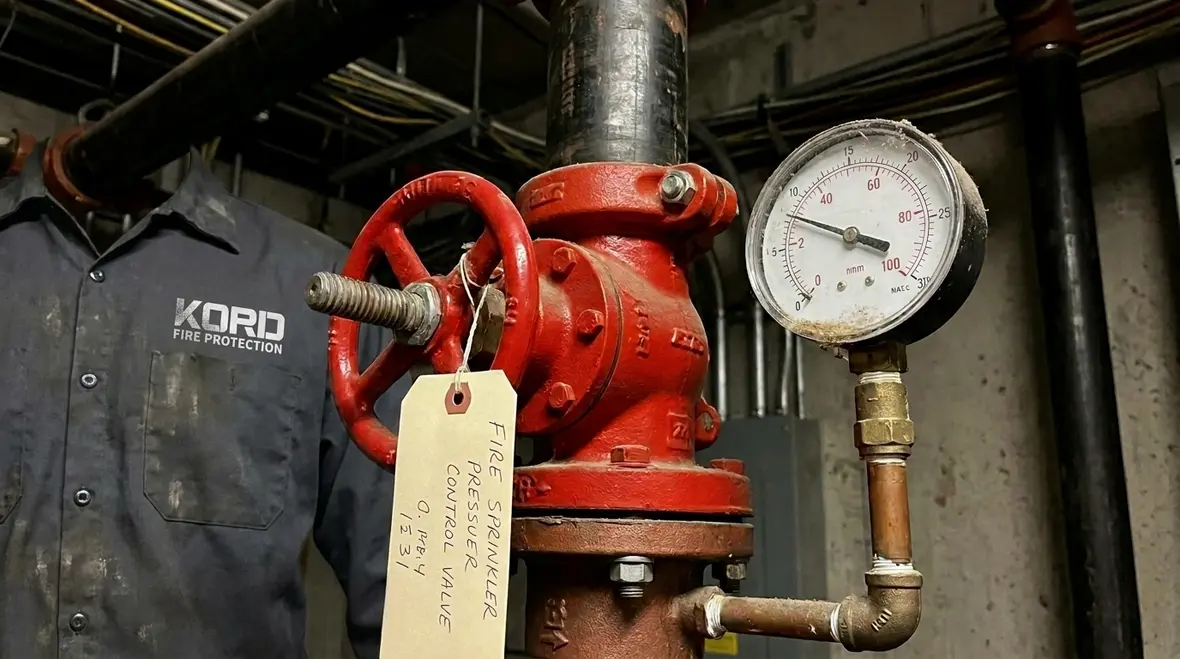
Fire Suppression System Impairments: Prevention and Repair
Fire suppression system impairments can turn a “protected” building into a quiet liability, and that is the kind of plot twist nobody wants. In the real world, an impairment means the system might not work as designed when fire shows up. So, if owners want to stay calm and compliant, they need to spot problems early, document them well, and fix them fast. In this guide, the reader learns what fire suppression impairment looks like, where it hides, how inspections uncover it, and what steps owners should take next. Then, Kord Fire Protection steps in as a vital partner to help manage impairments with clear reporting, practical repairs, and business friendly scheduling, so the building stays ready and the team stays focused.
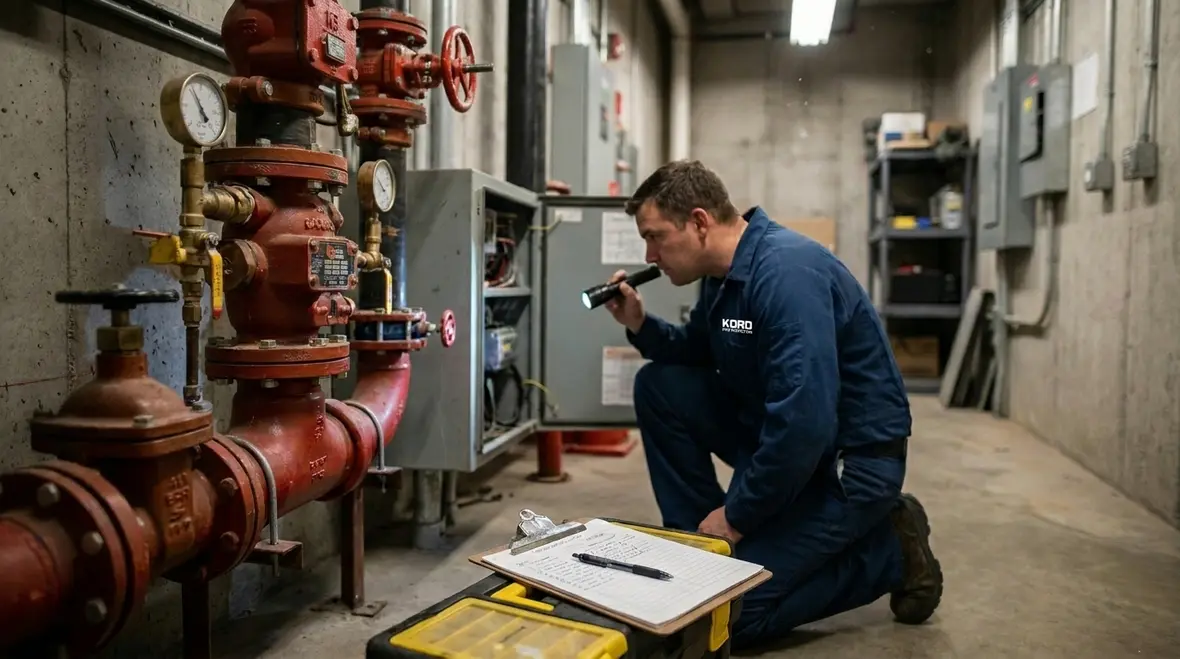
What a fire suppression impairment means for building safety
An impairment in a fire suppression system is not a “maybe” problem. It is a condition that reduces or blocks the system’s ability to operate. And because fire does not wait for paperwork, owners treat impairments like urgent issues, not optional maintenance. For example, a system may fail to detect or activate because of closed valves, low pressure, shut off components, or damaged detection parts. In other cases, the system might still be intact, but the maintenance status and testing records could show it has not been kept in proper working order.
Furthermore, impairments can trigger compliance consequences, higher insurance scrutiny, and tougher conversations with fire officials. And let’s be honest, nobody wants a fire marshal like a surprise guest who arrives early and asks for records. That is also why impairment issues fit into the larger full lifecycle of fire protection, where inspection, maintenance, repair, and documentation all have to work together instead of pretending they have never met.
Common impairment causes owners can actually spot
Owners do not need to be engineers to notice warning signs. They need a watch list. When teams walk the building and compare the current state to the system’s expected setup, patterns emerge. First, check for valve positions. Tampered or inadvertently closed valves can stop water flow in sprinkler systems. Next, look for system access issues like locked panels that never get opened for service. Then, monitor air or pressure related components where changes can signal trouble before the system fails.
Below are frequent causes that lead to suppression impairment. These examples help owners understand how impairments develop over time.
- Closed control valves or valves left in the wrong position after maintenance
- Low pressure or air issues in systems that rely on air or water pressure ranges
- Damaged piping, hangers, or supports from construction, vibration, or poor housekeeping
- Blocked nozzles or dirty detection areas from dust, storage, or renovations
- Improper system shutdown during work that was supposed to be temporary
- Out of date maintenance that leads to drift from the system’s required condition
Meanwhile, the most dangerous impairments often come from “small” changes. A contractor moves a panel and never returns it to the right state. Someone stacks inventory where it should not go. And then the system sits there doing nothing, like a smoke detector with a dead battery, except this one is supposed to respond. That is exactly why consistent inspection routines matter, especially in systems that look fine at a glance but hide trouble in plain sight, something Kord also emphasizes in its wet sprinkler system inspection overview.
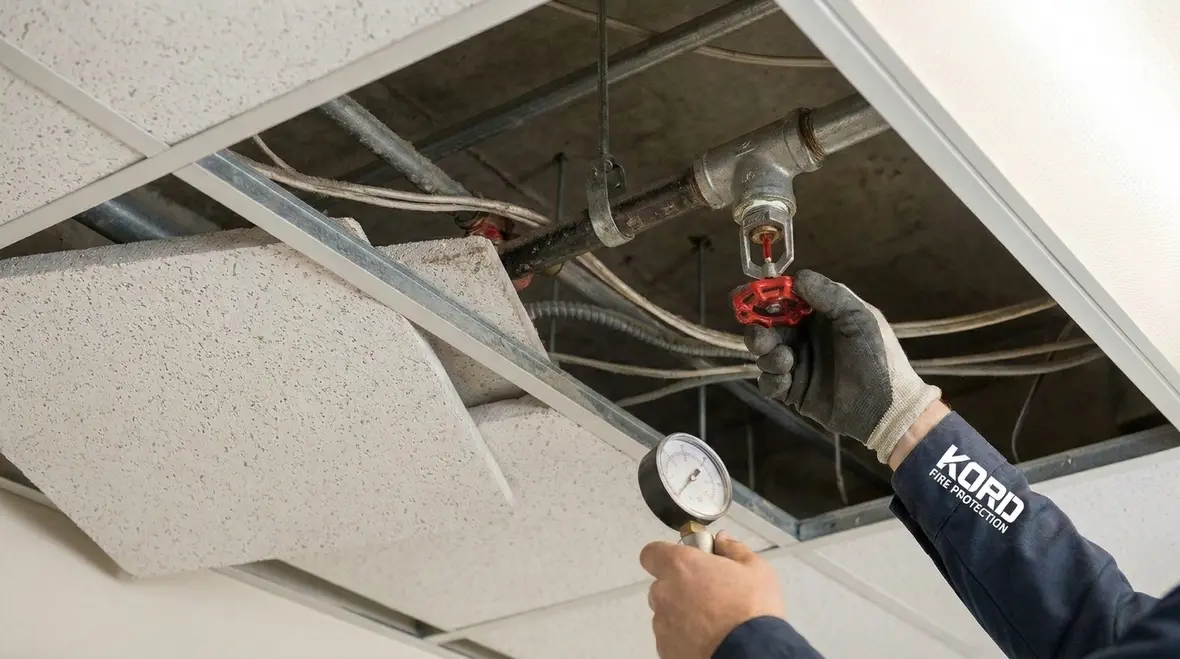
How inspections and documentation catch issues early
Inspections act like a calendar for safety. They reveal what changed since the last service visit, and they show whether the system can perform under real fire conditions. As a result, owners should treat inspection reports as living documents. They should align with the building’s current use, construction schedule, and any tenant activity.
During an inspection, qualified techs typically check physical components, valve positions, alarms, and the readiness of the system. They also review records to confirm testing happened when it should have. If a suppression system impairment shows up, the report should clearly describe the condition, the impact to performance, and the needed corrective actions. Good records are not glamorous, but they are wildly useful when inspectors, managers, and service teams all need the same answer on the same day.
Additionally, owners should look for consistency. If a system repeatedly shows the same impairment type, it often points to a root cause such as recurring maintenance gaps, recurring valve handling errors, or a workflow problem during renovations. Therefore, rather than just patching symptoms, Kord Fire Protection helps owners target the cause so the issue does not return like a sequel nobody asked for. Documentation habits also support compliance conversations, and Kord’s fire safety system documentation for compliance article pairs nicely with that reality.
What a strong inspection trail usually includes
- Date of inspection and exact area reviewed
- Observed impairments and affected components
- Operational impact on the system or protected zone
- Temporary precautions put in place, if any
- Repair actions completed and testing performed after the fix
- Clear sign off for restored readiness
Why impairments spike after construction, renovations, and tenant changes
Fire suppression systems sit in the background, then construction marches in like a marching band. That is when risk increases. New partitions, new ceiling tiles, new cable runs, and changed storage layouts can all affect system operation. Even when the work looks clean, it can impact pipes, sprinkler heads, detection devices, and alarms.
So, owners should build a simple rule: no work near suppression components without a documented plan. First, schedule a coordination meeting before demolition or ceiling work begins. Next, confirm which sections will be isolated and what temporary measures run during that time. Then, verify everything returns to normal and is tested after the job closes. This mindset is part of sound impairment management, and it mirrors Kord’s guidance in its fire protection impairment management guide.
Likewise, tenant changes can trigger impairments without anyone noticing. A tenant adds equipment that changes airflow, storage levels, or obstruction patterns. Then, later, the system looks fine on paper but performs differently in the real world. Owners reduce that risk by tying maintenance to actual site activity, not just dates. If the building changes, the protection strategy should not keep pretending it is still last year.
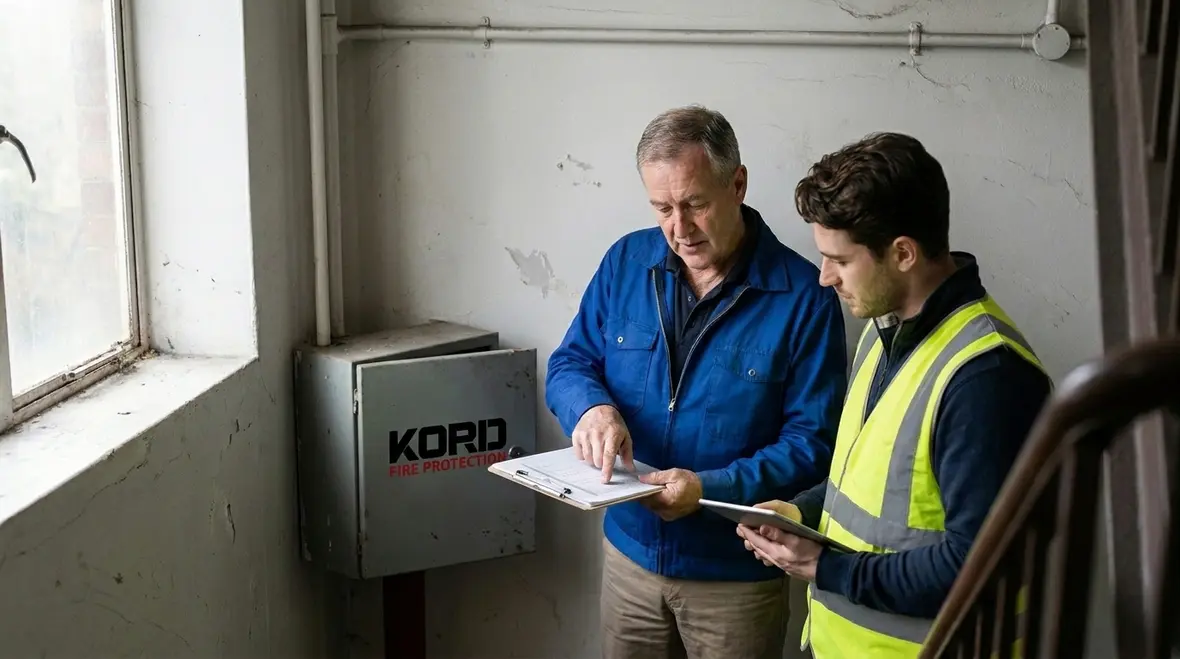
What owners should do when an impairment is confirmed
Once a suppression system impairment is identified, the owner’s job shifts from guessing to acting. First, the owner should treat the impairment as an operational gap and follow the building’s emergency procedures. Second, they should decide whether the space needs added fire watch or temporary safeguards until repairs finish. Third, they should set a correction timeline with clear responsibility and verification steps.
Here is a practical approach that keeps everyone aligned, and it usually saves time during audits:
- Document the finding with the inspection report details and the affected zones
- Assess immediate risk based on the location, occupancy, and system impact
- Correct the impairment with the right parts and proper system settings
- Verify performance through testing and final inspection sign off
- Update records so future inspections reference the corrected condition
And if owners think, “We will fix it next month,” fire suppression systems politely disagree. Fire does not follow a calendar. So the best plan includes quick scheduling and clear follow up. Fast repair is not about drama. It is about removing uncertainty before uncertainty becomes a very expensive personality trait.
Kord Fire Protection as the partner for impairment prevention and repair
Owners need more than a tech who shows up, fixes a part, and disappears. They need a partner who understands how impairments happen, where the gaps occur, and how to keep the system ready across the building’s changing life. Kord Fire Protection becomes that vital partner by supporting owners with clear communication, practical corrective action, and schedules that work with real business operations.
For example, when Kord reviews findings, the team focuses on what matters most: the affected area, the system impact, and the fastest path to restored readiness. Then, Kord helps owners tighten the feedback loop so similar impairment issues do not keep popping up after routine work. As a result, owners see fewer surprises and smoother compliance checks. That practical support aligns well with Kord’s broader full fire protection services, where inspections, repairs, and ongoing support are handled as connected work rather than random isolated appointments.
In addition, Kord helps reduce the “paper chase” by organizing documentation in a way that supports audits and helps teams respond quickly when questions arrive. Because when the fire alarm plays a symphony, nobody wants the owner conducting the chaos. A partner who can explain the issue, fix the issue, and document the issue is doing more than checking boxes. They are helping the whole building breathe easier.
FAQ
Conclusion and next step
Fire suppression system impairments do not announce themselves with fireworks. They show up in valves, pressure changes, damaged components, and missing follow up. Therefore, owners who act early protect lives, reduce compliance headaches, and keep operations steady. If a report already shows a concern, or if renovations are coming soon, Kord Fire Protection can help confirm conditions, correct impairments, and restore readiness with clear documentation.
Reach out to Kord Fire Protection to review the system and build a plan that keeps your building ready, every day. For owners looking for a direct next step, Kord’s fire suppression and fire protection services page is a strong place to start when it is time to schedule inspection, repair, or ongoing support.

Join Our Newsletter!
Get the latest fire safety tips delivered straight to your inbox From our Newsletter.



