Fire Suppression Impairment: Signs and Next Steps by Kord
Fire suppression impairment is the kind of issue that rarely announces itself with fireworks. In many cases, it hides behind a “maybe it will still work” attitude, until the day it matters most. That is why owners need to understand fire suppression system impairments, how they show up, and what they should do next. And yes, this is the boring part that prevents the expensive part. In the rest of this guide, third person will walk through the common impairment causes, the real-world signs to watch for, and how Kord Fire Protection can act as a steady, vital partner for testing, repairs, documentation, and peace of mind.
Understanding fire suppression impairment in plain business terms
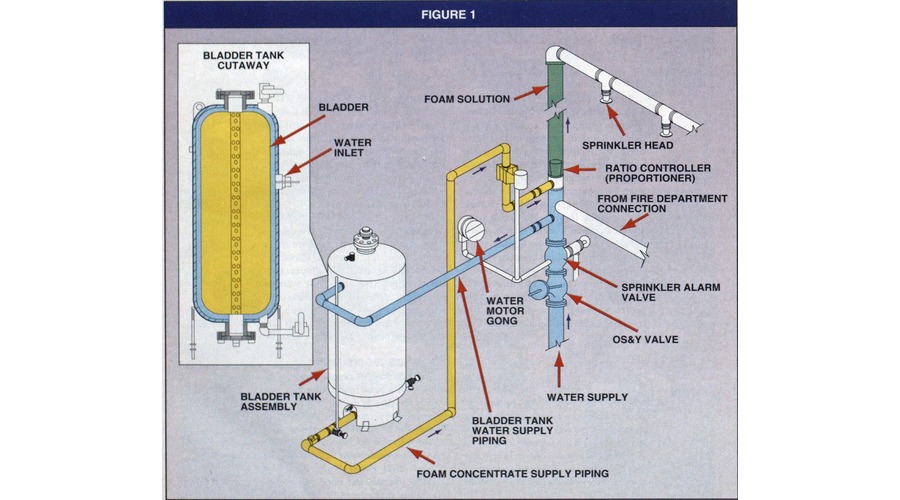
When an owner hears the phrase “system impairment,” it often sounds like a technical report written in code. Yet the idea stays simple. A fire suppression impairment means the system cannot perform as intended for a period of time, or it may not operate correctly when needed. Additionally, impairment may come from shutoffs, damaged components, incorrect pressure, blocked piping, or valves left in the wrong position.
To keep a property protected, the goal becomes clear: spot issues early, restore full function fast, and document what changed. Moreover, insurers and inspectors typically expect proof, not hope. So, the owner who stays proactive avoids the “we thought it would be fine” conversation that no one wants at 2 a.m.

Where impairments usually start in real installations
Most impairment problems trace back to a few predictable sources. First, owners often experience delays between work orders and service visits, especially after routine maintenance. Then, temporary systems changes, like valve adjustments, can accidentally remain in an unsafe state. Finally, poor coordination between trades plays a big role. When electricians, plumbers, and installers rush to finish, the fire system can get bumped, covered, or disconnected.
Common starting points include these areas:
- Control valves not fully seated, mispositioned, or blocked by building materials
- Detection components impaired by dust, paint overspray, or physical damage
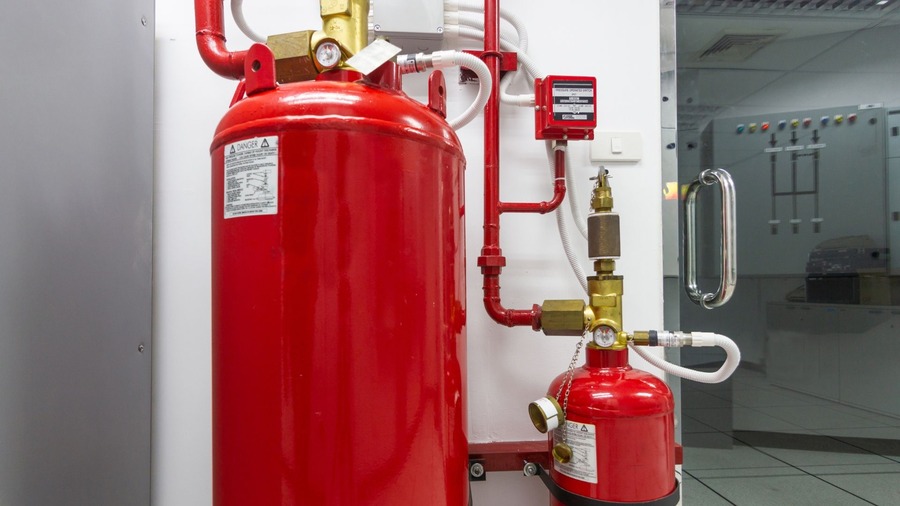
- Agent cylinders affected by age, corrosion, or incorrect maintenance records
- Air or nitrogen supply drifting out of range, which can affect discharge capability
- Hold-open devices for doors near the system that fail to close correctly
In other words, fire suppression weakness rarely appears out of nowhere. Instead, it develops through small changes that stack up like unpaid parking tickets.
This is also where owners benefit from a provider that understands the bigger picture. Kord Fire Protection offers fire suppression inspection, testing, installation, and maintenance services for commercial, industrial, and government facilities, making it easier to catch small problems before they become headline material. ([kordfire.com](https://kordfire.com/all-fire-suppression/?utm_source=openai))
How owners notice early warning signs before inspections
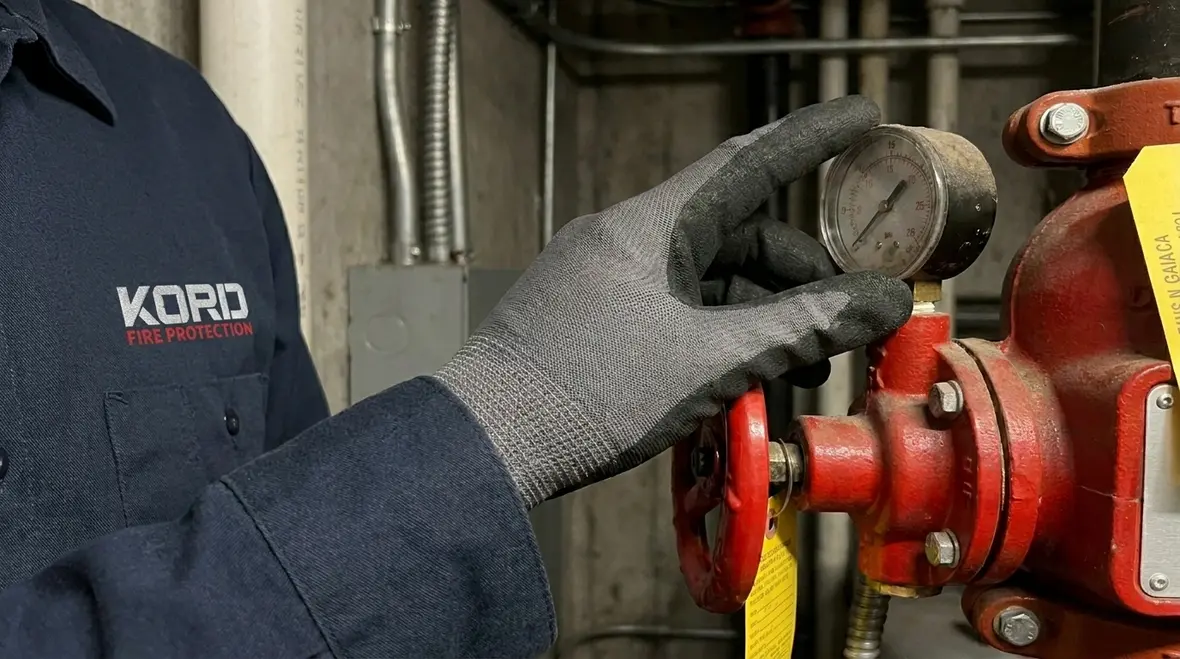
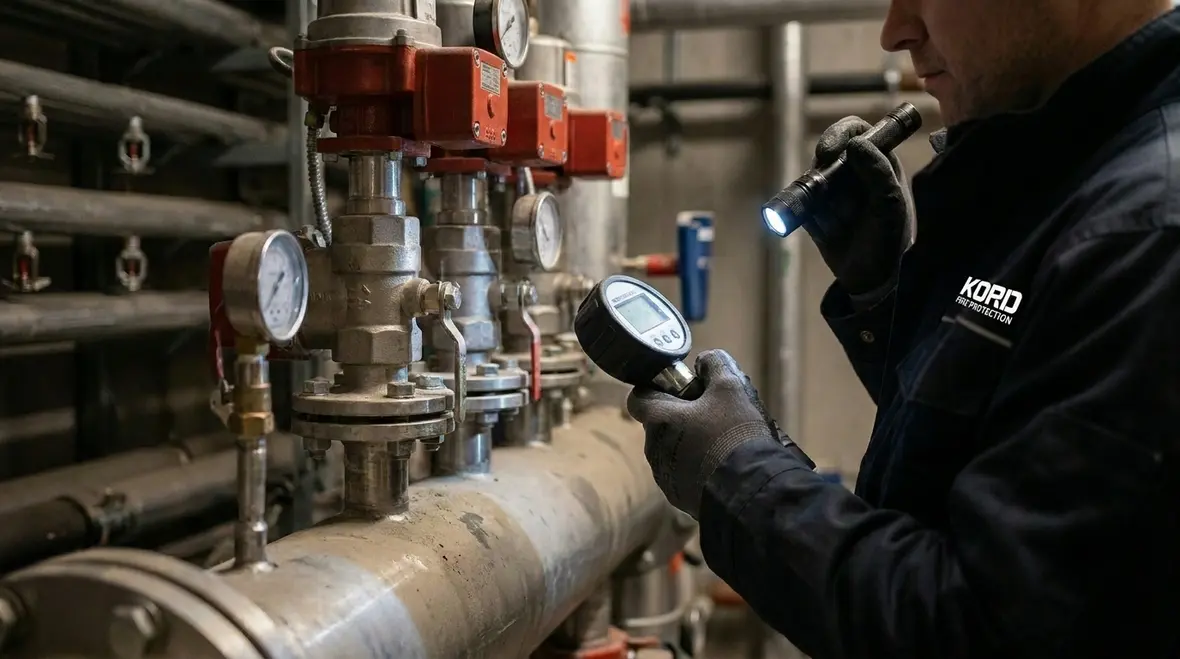
Even though many components stay hidden in ceilings and mechanical rooms, owners can still spot clues. For example, recurring trouble events on the panel often point to sensor drift or wiring issues. Also, low pressure readings, frequent supervisory alerts, or repeated “off normal” status should trigger action. Furthermore, unusual access patterns like contractors entering system spaces without informing the fire team can increase risk.
Owners should pay attention to these practical indicators:
- Supervisory signals that persist longer than expected
- Discharge zone anomalies such as alarms mapped to the wrong area
- Recent construction near piping, nozzles, or detection heads
- Paint or dust buildup around detection devices
- Missing tamper seals or incomplete inspection tags
And when someone says, “It’s probably nothing,” owners should treat that as a starting point for verification, not a conclusion. Because in fire life safety, “probably” is not a plan.
Why hidden warning signs cost more than obvious ones
The sneaky part about suppression impairments is that they often look harmless at first. A tag goes missing. A seal disappears. A contractor leans a ladder in the wrong place. Nothing catches fire, everyone moves on, and the problem gets filed under “later.” Then later turns into an inspection issue, a repair bill, or worse, a system that does not respond the way everyone assumed it would. That is why early warning signs deserve immediate attention, even when they seem small enough to lose in the shuffle of a normal workday.

What testing and maintenance standards expect
In most facilities, compliance depends on regular inspection, testing, and maintenance. This includes verifying the right readings, checking the status of releasing circuits, confirming valve position, and ensuring devices remain unobstructed. Additionally, good programs involve trained staff and clear records. The owner should not just collect paperwork, but also understand what each item means.
Consider two common situations. First, a system might pass a basic visual check, yet fail functionally due to a pressure issue or damaged actuator. Second, a system might show no trouble alerts, while sensors slowly degrade under routine environmental exposure. Therefore, the owner who relies only on “no alarms” misses the chance to catch early failures.
At this point, the most valuable step becomes coordination. Kord Fire Protection can integrate into the owner’s workflow so testing stays consistent, findings get explained clearly, and corrective actions do not drag on like a slow streaming service buffering at the worst time. Kord’s full-service fire protection offering emphasizes inspection, service, and readiness across sprinkler, alarm, extinguisher, and suppression systems, which supports a more coordinated approach when impairment issues appear. ([kordfire.com](https://kordfire.com/full-fire-protection-services/?utm_source=openai))
Documentation is not paperwork theater
Documentation matters because it turns a vague memory into a usable record. If an inspector asks when a valve was restored, a good answer is a date, a technician note, and a completed action, not a thoughtful stare into the distance. Clean documentation helps owners prove that they recognized the impairment, responded appropriately, and restored protection in a reasonable timeframe. It also keeps recurring issues from becoming recurring mysteries.
Managing impairments fast and documenting the truth
When a suppression system shows impairment indicators, owners need a response plan that moves quickly. First, they should isolate the affected area, manage interim fire protection, and confirm the system configuration with qualified technicians. Then, they should schedule repairs or adjustments without delay. Finally, they must document the impairment details, the timeline, and the restored condition.
Many owners also benefit from tracking impairment trends over time. For example, if the same valve shows issues repeatedly, there may be a recurring operational problem or a maintenance step that needs revision. Moreover, trending helps owners budget correctly and avoid surprise costs.
| Impairment trigger | Owner next step |
|---|---|
| Supervisory alert persists | Schedule qualified inspection and verify device position and wiring |
| Pressure reading out of range | Confirm supply condition, test affected components, restore specs |
| Contractor work near nozzles or heads | Request system impact check and confirm no obstructions remain |
| Valve tamper or missing seals | Verify sealing method and restore proper supervision |
Once documentation starts to tell a clear story, insurers and inspectors tend to ask fewer follow-up questions, and that saves time for the people who still need to run the business.
Why Kord Fire Protection becomes the right partner
Owners often manage fire systems like a “set it and forget it” asset. Unfortunately, the real world has different plans. Systems face building changes, tenant turnover, and maintenance interruptions. That is where Kord Fire Protection can serve as a vital partner. They help owners manage fire suppression impairment response with clear communication, consistent service scheduling, and repair follow-through.
Additionally, a strong provider does not just fix parts. They explain what caused the issue, what risks it created, and what steps prevent repeat problems. Then they align documentation to support compliance needs. In other words, the owner gets both protection and clarity, not just a bill and a shrug.
Kord Fire Protection describes itself as a trusted fire protection company with services that include fire suppression systems, inspections, and related life safety support, which makes them a practical fit for owners who want one provider that can explain the issue, fix the issue, and keep the paperwork from becoming its own small crisis. ([kordfire.com](https://kordfire.com/about-fire-protection/?utm_source=openai))
And if anyone still thinks the fire system is “too complicated,” Kord Fire Protection keeps the tone practical. After all, nobody wants a lesson in fire code at the exact moment something fails. The goal stays simple: keep the system ready, keep the records clean, and keep the facility moving forward.
FAQ: fire suppression impairment, answered for quick clarity
Next steps: take control before the system becomes a headline
Fire suppression impairments do not wait for a convenient week on the calendar. Therefore, owners should review recent system status, confirm inspection schedules, and address any alerts or unusual conditions right away. Then they should choose a partner who communicates clearly and finishes corrective work without delay. Kord Fire Protection supports owners with inspections, testing, and responsive repairs so the system stays ready when it needs to work.
For a stronger next step, owners can explore Kord Fire Protection’s fire suppression services page for support with inspections, testing, maintenance, and repairs, or review their broader full fire protection services for multi-system coordination. Contact Kord Fire Protection today to tighten your program and keep protection solid. ([kordfire.com](https://kordfire.com/all-fire-suppression/?utm_source=openai))

Join Our Newsletter!
Get the latest fire safety tips delivered straight to your inbox From our Newsletter.