
Fire Suppression Impairment: How Kord Fire Protection Helps
Fire suppression system impairments can turn a “protected” building into a risky one faster than a plot twist in a cheap thriller. In this article, owners will learn what fire suppression impairment means in real life, why it happens, and how to catch it before it becomes expensive, disruptive, or worse. Then, the owner will see where Kord Fire Protection fits in as a vital partner, helping teams reduce downtime, document findings, and move corrective work into a calm, scheduled plan. Because when life gets loud, sprinklers and gas systems need to be ready, not shrugging like an overworked barista.
What is fire suppression impairment and why it matters
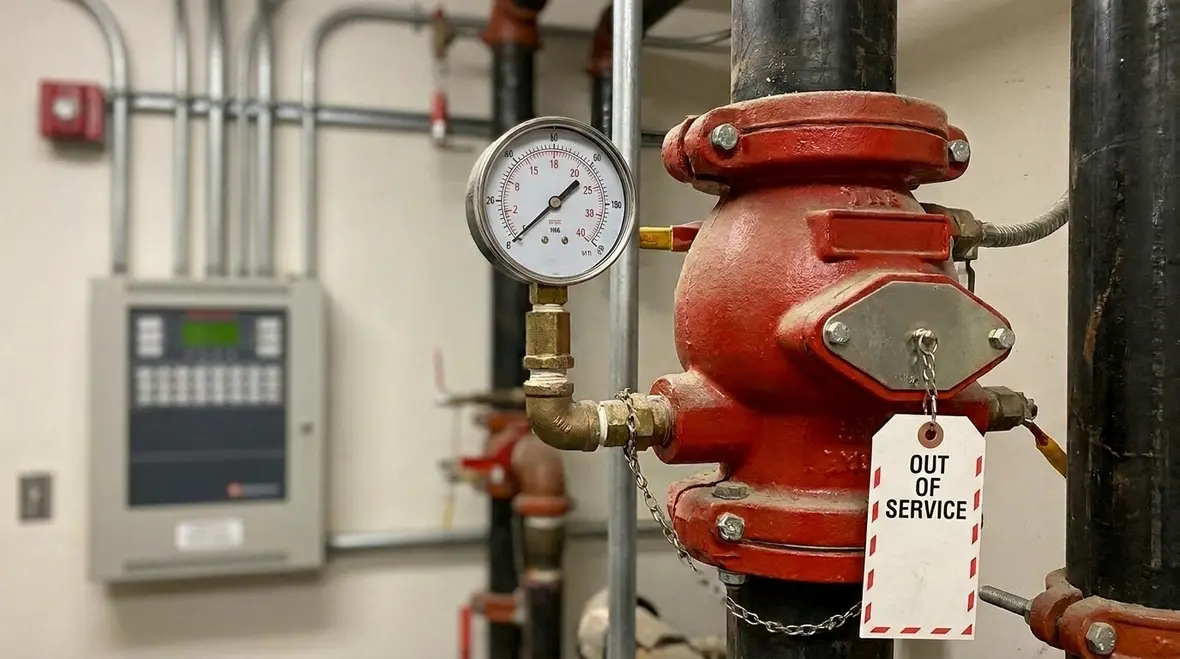
Fire suppression impairment refers to any condition that makes a suppression system perform less effectively or cannot perform at all. This can include partial loss of pressure, a disabled component, blocked piping, incorrect valve positions, or a device that fails inspection requirements. In other words, it is not just a warning light. It is a real reduction in protection.
Owners often learn about impairments after the fact, when a test uncovers a problem or when an insurance request shows gaps in records. However, the goal is earlier detection. When teams track impairment status consistently, they can prevent “out of service” time and reduce the chance of a delay during an incident. That is exactly why a more structured impairment management guide can be useful as a companion process for day to day oversight. ([kordfire.com](https://kordfire.com/fire-protection-impairment-management-guide/?utm_source=openai))
How impairments happen in the real world
Systems do not fail because the universe hates property owners. They fail because of change, wear, and neglect. Transitioning from renovation to occupancy, or from one contractor to another, creates blind spots. Also, many impairments start small, then grow.
Common paths to impairment include:
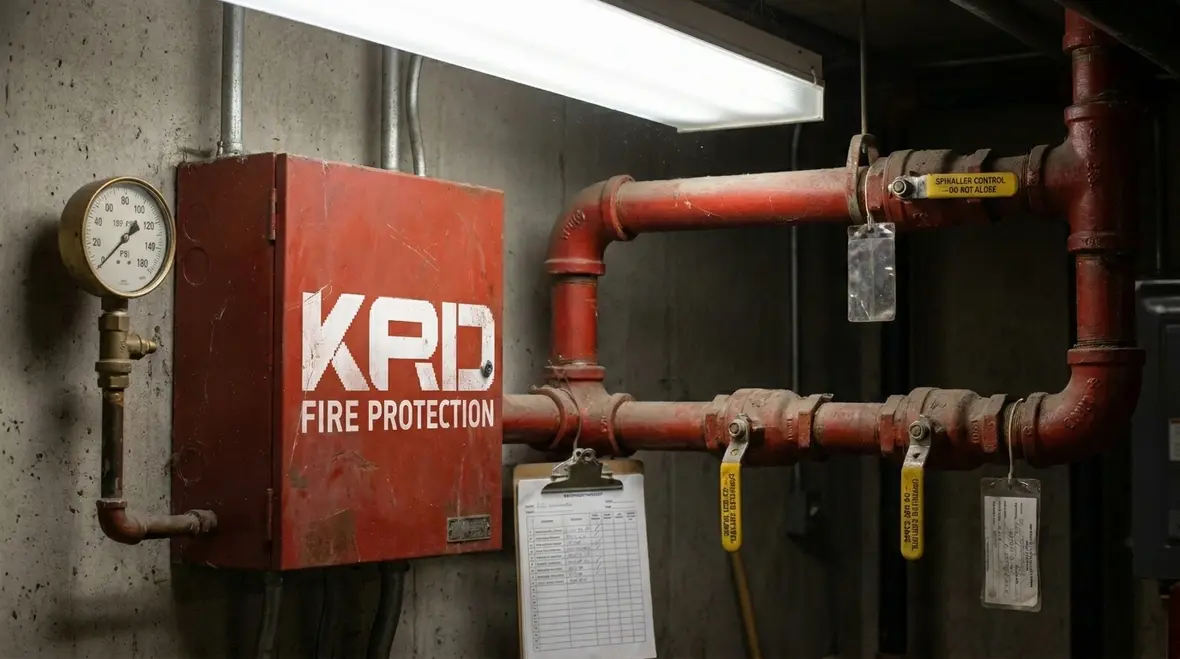
- Valves left in the wrong position after maintenance or tenant work
- Water supply issues such as low pressure, shutoff events, or hydrant problems
- Blocked or restricted flow from debris, construction material, or corrosion
- Device failures like tamper switches, gauges, or supervisory signals
- Improper changes made by trades who do not coordinate with the fire system
To keep this under control, owners need a simple rule: if someone touches a fire system, the system should get verified afterward. And yes, that rule applies even when the contractor says, “It is fine, we just moved a little pipe.” “Little” is how problems begin. Like spicy ramen, it seems harmless until it burns.
Why verification after work matters
Post work verification is where many owners either save themselves a headache or accidentally schedule a future one. A building may look finished, ceilings may be patched, and everyone may be eager to move on, but suppression performance does not care about appearances. If valves, trim, wiring, pressure levels, or monitoring connections changed during nearby work, the system needs a real check before anyone calls the job complete. Kord Fire Protection also emphasizes practical testing such as pressure verification and component checks in related guidance, which supports this same idea: readiness has to be proven, not assumed. ([kordfire.com](https://kordfire.com/fire-suppression-system-solenoid-testing-and-checks/?utm_source=openai))
Where impairments show up most often
Not all building areas carry the same risk. Therefore, owners should focus on the places that get the most movement, humidity, and maintenance activity. Next is the key: suppression systems depend on both equipment and the environment around it.
Impairments often appear in:
- Mechanical rooms, where valves, pumps, and controls receive constant attention
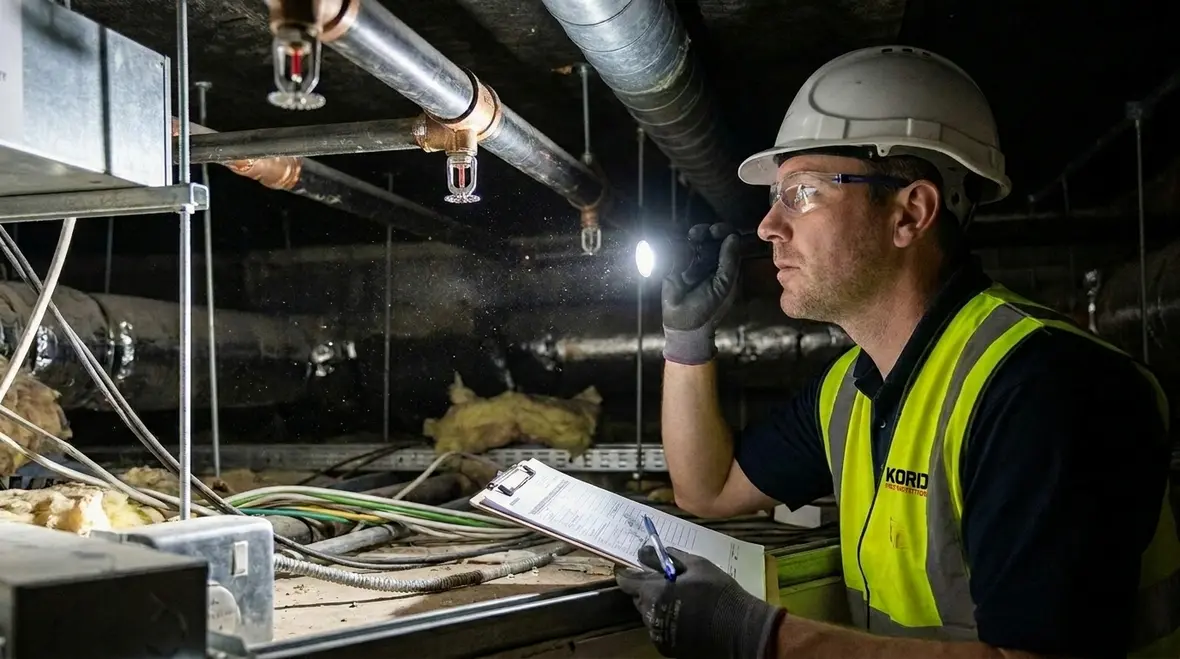
- Ceilings and concealed spaces, where renovations can hide piping changes
- Tenant build outs, where new walls and reroutes happen without system coordination
- Areas with high corrosion risk, such as coastal zones or sites with harsh chemicals
- Remote monitoring zones, where supervisory signals must report correctly
When owners review impairment trends by location, they can spot patterns early and schedule corrections. That beats waiting for a surprise inspection outcome, the way people beat the end of a season by ignoring the last episode. Unfortunately, building safety does not let viewers skip scenes.
Hidden risk zones owners forget about
Some of the most annoying impairments show up in places people do not review with enough suspicion. Concealed spaces above tenant finishes, corners of mechanical rooms no one photographs, older branch lines in corrosive conditions, and monitoring interfaces buried inside larger upgrades all have a talent for staying quiet until inspection day. Owners who map recurring trouble spots can make future testing more targeted and less reactive. That approach also pairs well with Kord Fire Protection’s broader fire sprinkler service and repair support for systems that need deeper inspection, maintenance, or restoration planning. ([kordfire.com](https://kordfire.com/fire-sprinkler-service/?utm_source=openai))
How owners should track inspections, tests, and reports
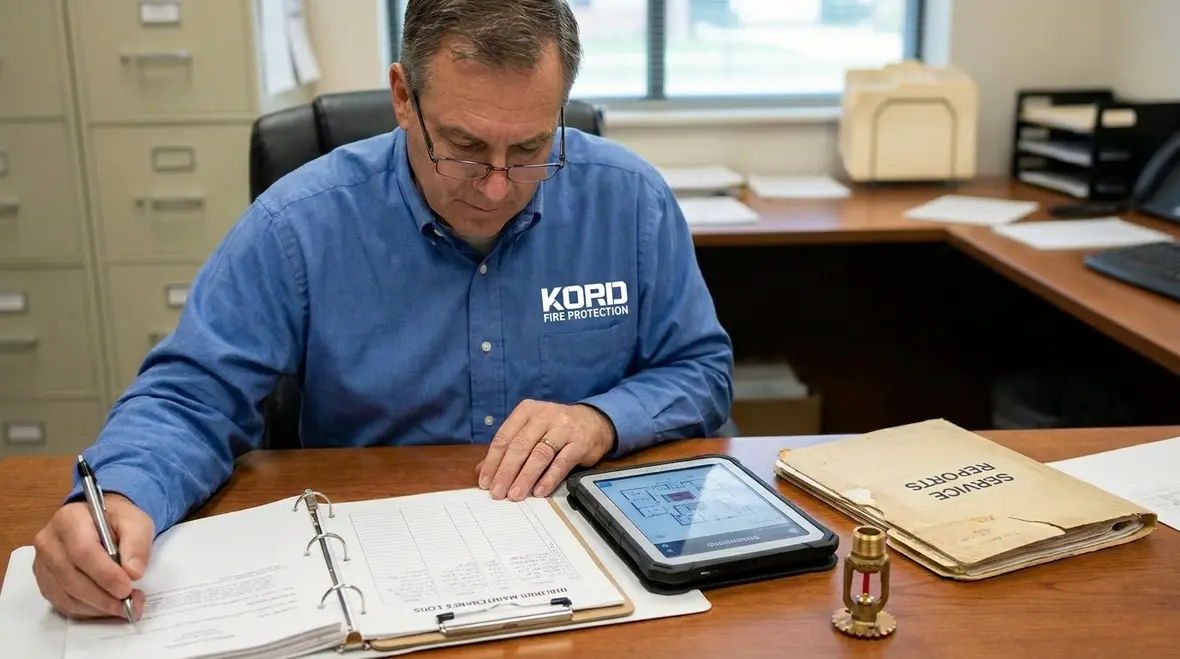
Owners should treat documentation like an emergency exit map. It must be accurate, current, and easy to find. Without strong records, a system may appear compliant on paper while real conditions drift out of spec.
They should ensure each inspection includes clear notes on supervisory status, operational checks, and any limitations. Then, they should confirm that correction work gets logged the same way, with dates, findings, and verification. A complete paper trail also helps with insurance questions and internal audits.
A practical approach looks like this:
- Maintain a centralized schedule for inspections and testing by system type
- Log impairments immediately, including what triggered the condition
- Track the path to restoration, not just the problem description
- Confirm corrective action with documented verification checks
- Review reports regularly so recurring issues get addressed at the root
Kord Fire Protection can support this with organized reporting and a clear workflow that helps owners stay ahead of compliance pressure, tenant churn, and “who touched it last” mysteries. When paperwork runs smoothly, field work runs smoother too. And nobody wants a fire protection process that behaves like a rerun show with the same problem every quarter. Kord’s broader service team positions this kind of readiness as part of full compliance, seamless scheduling, and inspection support across sprinkler, alarm, extinguisher, and related fire protection systems. ([kordfire.com](https://kordfire.com/full-fire-protection-services/?utm_source=openai))
What good documentation actually accomplishes
Good reporting does more than satisfy a file cabinet or a cloud folder with a superiority complex. It shortens response time when an impairment appears again, helps owners show what was found and when it was corrected, and makes it easier to coordinate among facility staff, vendors, insurers, and monitoring partners. Most importantly, it turns scattered observations into a pattern owners can act on before a reduced protection condition becomes a bigger operational mess.
Fixing impairments: restore, verify, and prevent repeat issues
Once an impairment is identified, owners should not stop at the repair. They should restore full function, then verify that the system performs as required. This includes checking related components, confirming correct valve status, and validating supervision and monitoring signals where applicable.
Next comes prevention. Owners can reduce future impairments by tightening coordination between maintenance, tenants, and contractors. They can also set expectations for what triggers a system check after work is performed.
For example, when a building undergoes electrical upgrades or HVAC modifications, teams should use a coordinated process. They should confirm that power supplies, control modules, and detection interfaces still behave correctly. Then, they should run testing at the right intervals.
Kord Fire Protection becomes especially valuable here because they act like a steady partner, not just a vendor. They help owners align impairment response with real building schedules, minimize unnecessary downtime, and communicate findings in a way that supports decisions. In short, they help ensure the system does not just get fixed, it gets secured. Related Kord guidance on system integration and water supply reliability also reinforces the same practical lesson: repair work is only part of the job, because system performance still has to be confirmed across the full chain. ([kordfire.com](https://kordfire.com/fire-suppression-system-integration-for-life-safety/?utm_source=openai))
Building a calmer response plan
The best impairment response plan is boring in the most beautiful way. People know who to call, what to document, how to isolate the issue, when to verify restoration, and where the records live afterward. That kind of repeatable process keeps owners from making decisions in a fog of urgency. It also protects tenants, operations, and budgets from the chaos that tends to arrive when everyone waits too long and then suddenly wants everything fixed by lunch.
Featured FAQ: quick answers for featured snippets
Call Kord Fire Protection when impairments show up
If a system impairment report lands on an owner’s desk, the next step should be calm, fast, and documented. Owners should respond by identifying the cause, restoring full function, and verifying performance before the building moves forward. Then, they should set up an ongoing inspection and correction workflow that reduces repeat issues. Kord Fire Protection can help owners manage that process with clear communication, strong reporting, and a steady plan.
Plan the next move, not just the next repair
For owners who want a stronger long term support path, Kord Fire Protection offers full fire protection services built around compliance, scheduling, inspections, testing, and system readiness. Owners can also explore fire sprinkler service and repair when suppression issues point to deeper sprinkler maintenance needs. Contact Kord Fire Protection today to keep protection ready when it matters most. ([kordfire.com](https://kordfire.com/full-fire-protection-services/?utm_source=openai))

Join Our Newsletter!
Get the latest fire safety tips delivered straight to your inbox From our Newsletter.



