
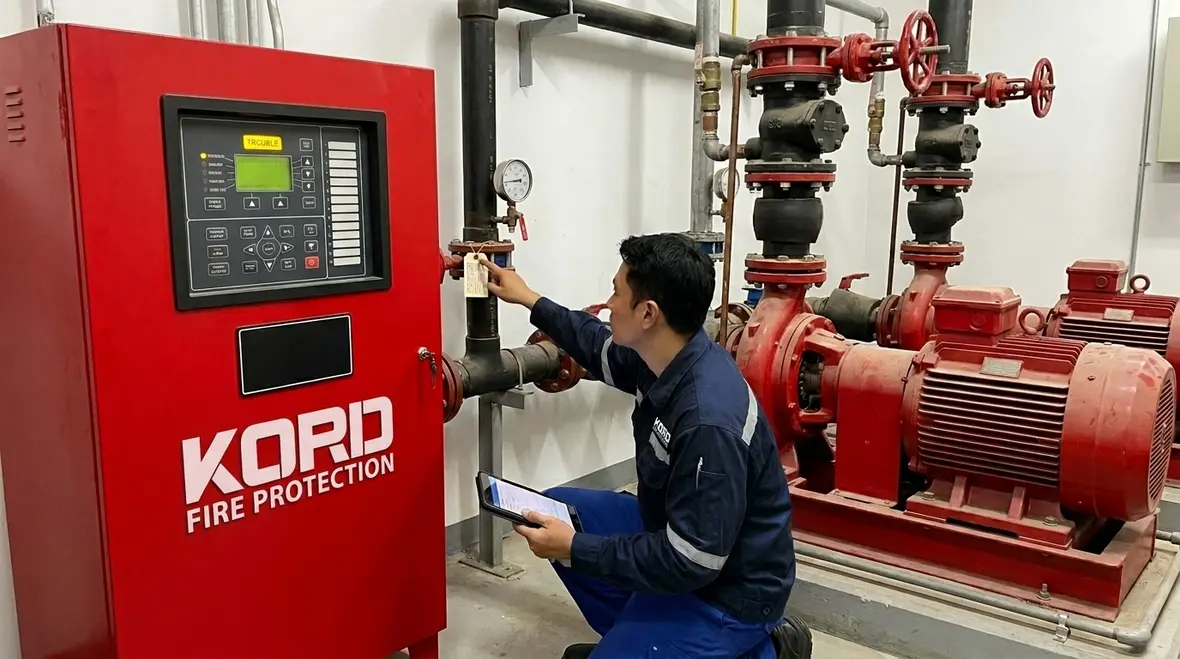
Fire Suppression Impairment: What Owners Must Do Now
Fire suppression systems are meant to stay invisible until they matter, and that’s exactly why fire suppression impairment deserves an owner’s full attention. When components, wiring, valves, or control panels drift out of spec, the system can look normal while quietly losing performance. And yes, that can turn a safety measure into a hopeful “maybe it will work” situation, which is not a strategy any responsible owner should bet on.
This article explains what fire suppression impairment means in plain terms, how it shows up during inspections, what to document, and how Kord Fire Protection can become a vital partner when issues surface. Because when the clock starts ticking, business owners do not want confusion. They want calm, clear next steps.

What is fire suppression impairment and why it happens
Fire suppression impairment refers to any condition that reduces or blocks the ability of a fire suppression system to perform as designed. In other words, the system may fail to discharge, may not detect heat or smoke correctly, or may not deliver the right flow and pressure at the right time.
Owners often assume impairment only happens after physical damage. However, routine wear can do its work too. Over time, a sprinkler room can gather grime, a dry system can face pressure problems, or a detection circuit can drift. Then, during an inspection, the impairment becomes documented for the first time, like finding the “check engine” light after a road trip. Not ideal, but at least it shows up before the worst moment.
- Mechanical impairment happens when valves, piping, pumps, or actuators malfunction or are obstructed.
- Electrical impairment happens when wiring, power supplies, or control circuits do not behave as required.
- System readiness impairment happens when pressures, timers, or release devices are not within acceptable ranges.
Additionally, changes on site can trigger impairment even when nothing “breaks.” A contractor might reroute a cable, a tenant might store materials near a hazard, or maintenance might unintentionally alter a setting. Therefore, owners need a process that connects the building’s day to day to its life safety equipment.
Why routine checks matter more than assumptions
A system can appear quiet, clean, and perfectly normal while still carrying a hidden problem that affects actual performance. That is why smart owners do not rely on appearances or memory. They rely on documented inspections, repeatable testing, and a provider that can explain what changed, what it affects, and what must happen next. Kord Fire Protection’s broader service approach centers on keeping facilities inspection-ready and fully supported across sprinkler, alarm, extinguisher, suppression, and pump needs, which is exactly the kind of structure owners need when impairment questions show up.
Common signs a system may not be ready
Many impairments reveal themselves through patterns, not alarms. For example, a system may repeatedly test in a way that leads to trouble signals, or it may fail to restore after a reset. Meanwhile, owners might notice slow response times, pressure readings that do not match prior reports, or frequent valve supervision issues.
During inspections, inspectors may find impairments like damaged nozzles, blocked access to control panels, or missing components. They may also find delayed water delivery in wet pipe systems due to shut valves left closed. Even a “temporary” action can become permanent if nobody owns it. And unfortunately, buildings do not run on best intentions.
- Supervisory signals show trouble but management treats them as nuisance alerts
- Testing reports show recurring small failures that never get fully corrected
- Maintenance documentation lacks specific corrective actions
- Control panels show impaired zones without clear restoration dates
- Access problems delay inspections or interfere with safe testing
Then comes the big question: what should happen next? That answer depends on the system type, the local code cycle, and how soon the facility needs to return to full readiness. It also helps to understand how related components interact. For example, if a control issue touches signaling or panel behavior, owners may need to coordinate with a provider familiar with fire alarm services as part of the correction path.
How inspections uncover impairments and what owners should document
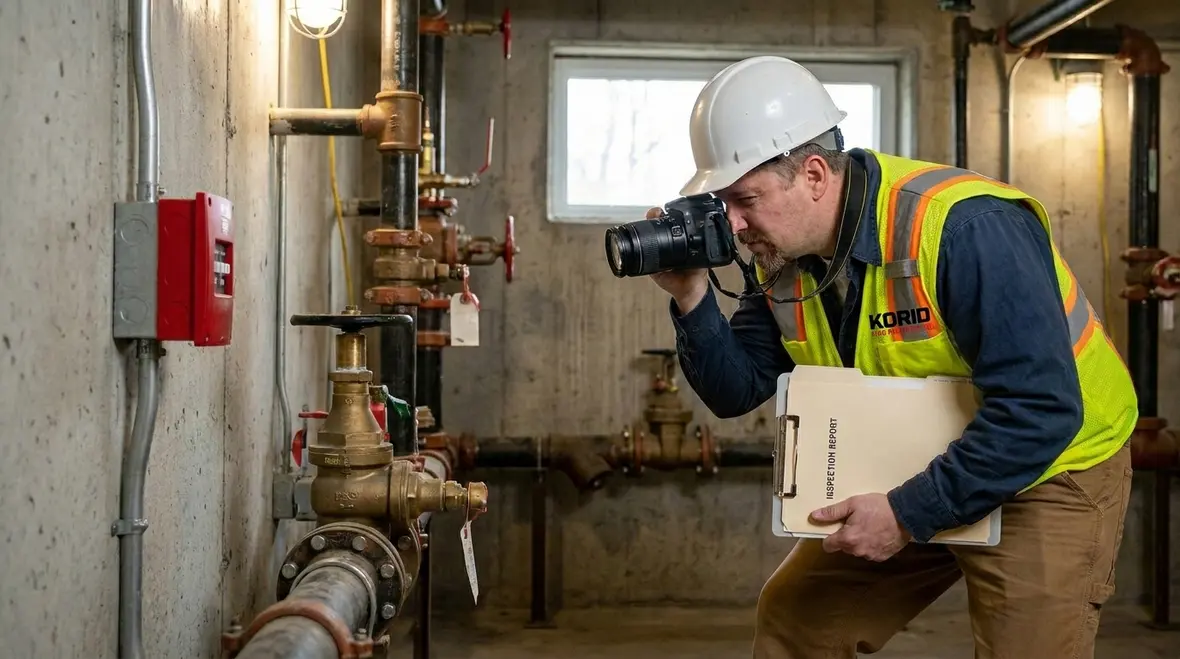
Inspections act like a spotlight. They expose what routine observation can miss. Furthermore, inspectors compare what the system should do against what it actually does. When there is a gap, they document it as an impairment and tie it to evidence such as readings, test results, photos, or device conditions.
Owners should treat documentation like a safety file, not a storage chore. When a report includes clear details, repairs become faster, estimates become accurate, and communication gets easier across contractors. If a report only says “issue found,” it creates a game of telephone with the fire protection team, and nobody wins that game.
- System impairment status and the reason for impairment
- Location of affected components
- Test dates, readings, and observed conditions
- Recommended corrections and severity level
- Restoration requirements and retest plan
Also, owners should track how long impairments remain unresolved. In many cases, the longer the system stays impaired, the more risk the site carries. Therefore, the operational goal should be not only “repair,” but “repair with verified readiness.”
Use the report to drive action, not just filing
One of the most useful habits an owner can build is turning every inspection report into a tracked action list. That means assigning responsibility, setting target dates, and confirming completion with retesting. Kord Fire Protection also publishes practical resources that help owners prepare for scrutiny, such as its article on top questions fire marshals ask during inspections, which fits naturally into a stronger documentation process.
Step-by-step: what to do when impairment is confirmed
Once a fire suppression impairment gets identified, owners should move with speed and structure. The first step is to confirm the scope. Then the owner should classify the severity based on how the affected components impact discharge and detection. After that, the owner should coordinate corrective work and required follow up testing.
- Secure the site context by limiting exposure to the affected hazard where needed
- Notify relevant staff so operations and maintenance understand the impairment status
- Request a correction plan that lists parts, labor, and a verification method
- Schedule repairs promptly and avoid long delays for “later” tasks
- Retest and verify until the system returns to full readiness
- Update records with test results and completion evidence
In the middle of this, owners sometimes fall into the classic trap: “We fixed it, so it must be fine.” However, even good repairs need proof. Verification testing closes the loop so the system does not look good on paper while failing under real conditions.
This is also the stage where owners benefit from specialists who understand the full lifecycle of fire protection, from inspection to repair to final verification. Kord Fire Protection discusses that broader approach in its full lifecycle of fire protection resource, and that mindset is especially useful when an impairment affects more than one component or service area.
How Kord Fire Protection helps owners stay compliant and calm
When impairment shows up, owners need a partner who can respond with technical clarity and business sense. Kord Fire Protection steps into that role by helping teams understand impairment details, coordinate corrections, and verify system readiness. In short, they do not just “service the equipment.” They help owners manage the risk and the documentation that go with it.
Also, Kord Fire Protection can support the full lifecycle. That means technicians can align repairs with inspection findings, confirm that fixes match the required performance, and help keep the maintenance plan realistic for how the facility operates. Therefore, owners spend less time chasing answers and more time running the business.
And yes, there is a tiny joke hidden here: paperwork feels like a villain. But when impairment records are accurate, that paperwork becomes a hero during audits, insurance questions, and internal reviews. Kord Fire Protection helps owners keep that hero energy.
- Inspection reports and impairment notifications
- System schematics if available
- Any recent construction, tenant changes, or maintenance actions
- Operational constraints such as access windows and shutdown limits
For owners dealing with suppression-specific equipment, Kord Fire Protection also offers dedicated fire protection services and suppression support across multiple system types. That makes it easier to keep repairs, inspections, and readiness planning under one roof instead of piecing together answers from three vendors and a crossed-fingers spreadsheet.
Risks of waiting too long, and how owners reduce them
Delay often looks harmless because nothing burns on the schedule. However, impairment risk grows over time because conditions can change. Valves can remain in the wrong position. A pump can degrade. A control circuit can weaken further. Meanwhile, building occupancy and fire load can increase after renovations or changes in storage.
Additionally, insurance and compliance reviews can become harder when impairment dates stretch out. If an owner cannot show timely corrective actions and verified restoration, questions follow. Not the fun kind either, like movie trivia. The serious kind.
Owners reduce risk by setting a clear response cycle. First, they should establish internal ownership for life safety impairments. Second, they should track action dates from report to repair to retest. Third, they should link contractors and maintenance teams to one shared schedule so corrections do not get lost between departments.
Finally, they should normalize regular system checks so impairments become manageable discoveries, not emergency surprises. When you treat readiness like a routine business metric, it stops feeling like a mystery. That is also why owners often benefit from specialized testing content like Kord Fire Protection’s article on fire suppression system solenoid testing and checks, which shows how small components can have very big consequences.
FAQ: Fire suppression impairment and next steps
CTA: get help before impairment becomes a fire drill
If a report shows a fire suppression impairment, owners should not wait for the next inspection cycle. Instead, they should act with a clear plan, fast verification, and reliable documentation. Kord Fire Protection can help turn impairment findings into corrected readiness, with steps that support compliance and real-world safety.
Contact Kord Fire Protection today to review inspection results, discuss your repair timeline, and confirm your system returns to full protection through its full fire protection services. Because nobody wants “almost ready” to be the final answer.

Join Our Newsletter!
Get the latest fire safety tips delivered straight to your inbox From our Newsletter.



