NFPA 2001 Section 4.5 Training for Clean Agent Systems
Quick Answer
NFPA 2001 Section 4.5 sets the training standard for clean agent system operators, and it matters because these systems protect high value spaces with precision. Proper training helps teams inspect, respond, and avoid costly mistakes. For commercial and industrial sites, Kord Fire Protection can support this service with expert training, system care, and practical compliance guidance. If your facility also needs hands-on system support, clean agent fire suppression services fit naturally into the bigger picture of keeping the system ready, understood, and dependable.
Why NFPA 2001 Training Matters for Clean Agent Systems
Clean agent systems do not fight fire the same way sprinklers do. Instead, they protect sensitive areas by releasing a clean extinguishing agent that limits damage to equipment, stock, electronics, and operations. That is why NFPA 2001 training for clean agent fire suppression systems plays such a serious role. When staff know how the system works, they can act fast, stay calm, and avoid the kind of panic that makes a bad day worse. And yes, panic and fire are still a terrible duet.
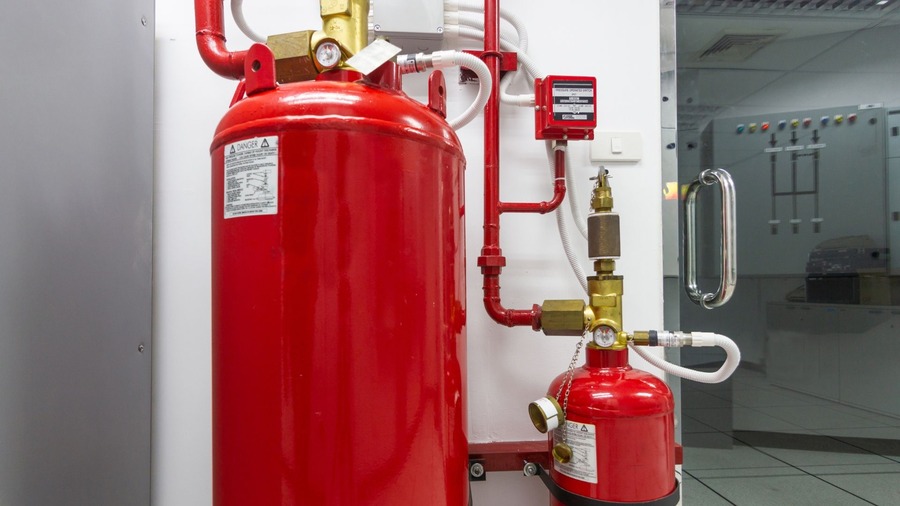
Section 4.5 of NFPA 2001 focuses on training for operators. It expects the people responsible for the system to understand the layout, normal conditions, warning signs, discharge response, and safety steps. In practical terms, training turns a complicated protection setup into something the site can actually trust instead of a mysterious red box everyone hopes never starts beeping.
Training is part of readiness, not an afterthought
That point matters because clean agent systems are usually installed where the stakes are high. Server rooms, control spaces, electrical rooms, telecom areas, and records storage do not usually have much patience for water damage or sloppy emergency response. The system may be engineered beautifully, but if the people around it do not know what the alarms mean or what to do next, the site is still vulnerable. A good system without trained operators is a bit like buying a race car and handing the keys to someone who only knows how to ride a bicycle.
What Section 4.5 Means for Site Operators
Section 4.5 places responsibility on the owner or operator to make sure the right people receive proper instruction. That training should cover how to recognize alarms, what to do before and after discharge, and how to avoid actions that could stop the system from working as intended. It should also explain agent storage, room integrity, manual release points, abort controls where provided, and shutdown procedures connected to the protected space.
For facilities in data processing, manufacturing, logistics, medical support, and commercial operations, this matters in places like data rooms, control centres, warehouses, labs, and back of house zones. These sites often rely on clean agent protection because water can damage electronics, interrupt service, or ruin inventory. Therefore, training is not just a formality sitting in a binder. It is part of business protection and day to day operational discipline.
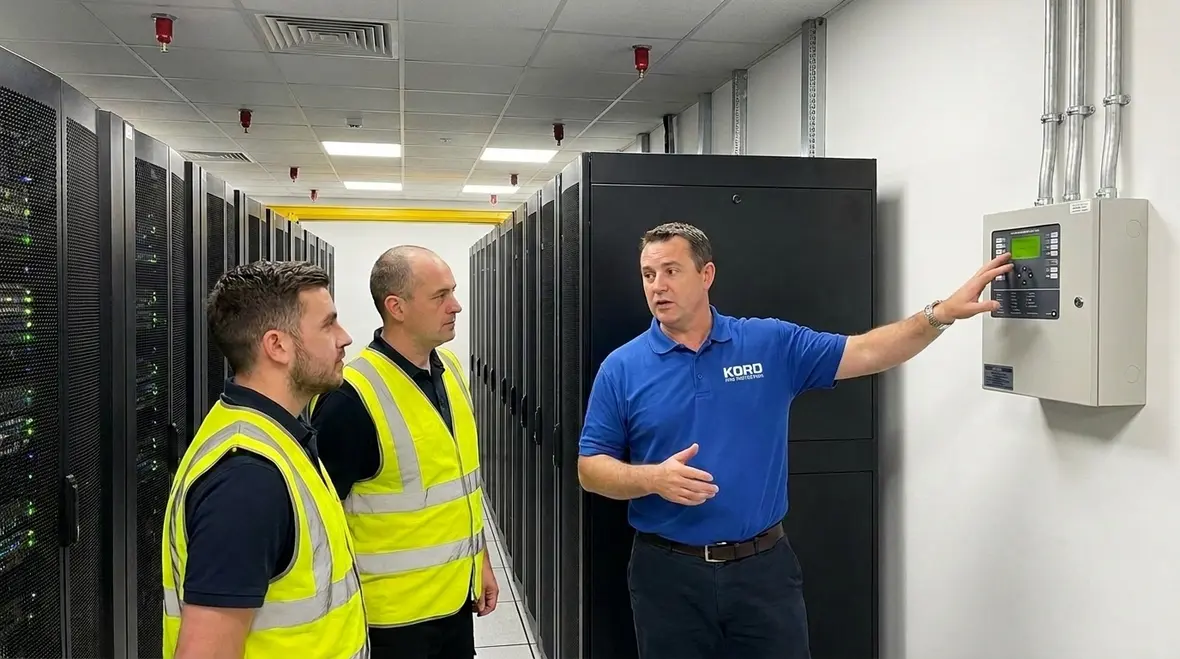
Operator training also helps reduce accidental misuse. People who understand the panel, indicators, and sequence of operation are less likely to interfere with the system out of confusion. That matters more than it sounds. In many facilities, the biggest danger is not dramatic sabotage. It is ordinary uncertainty. Someone sees a light, does not know what it means, presses the wrong thing, and suddenly everyone is learning a very expensive lesson in real time.
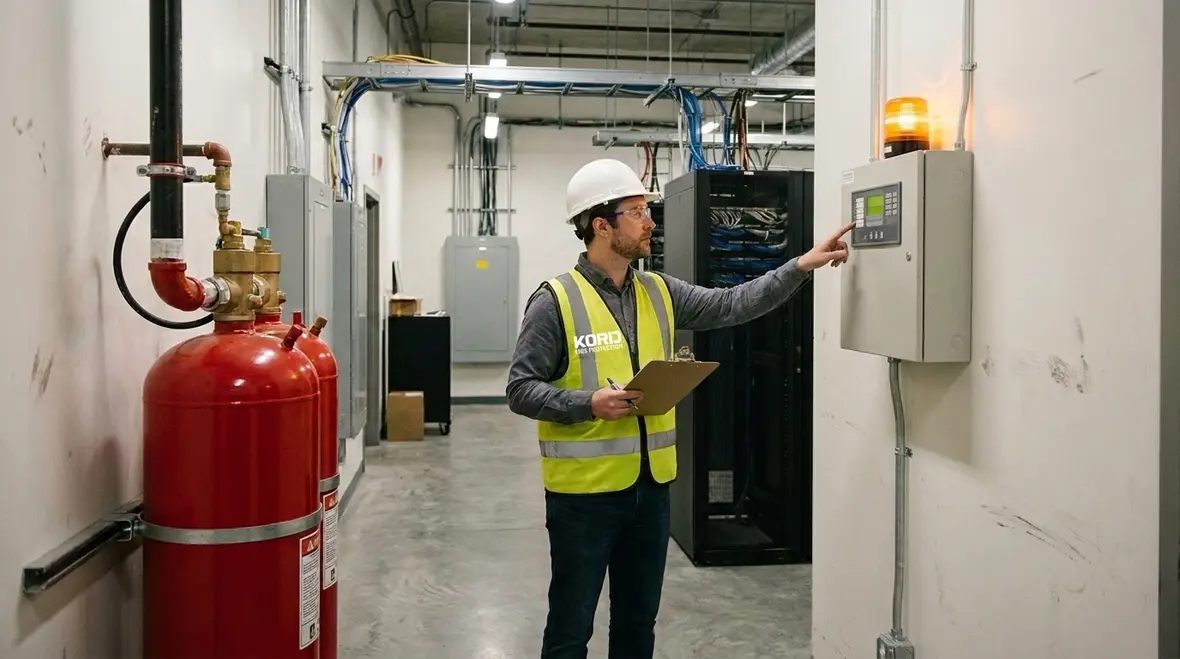
What Good Operator Training Should Cover
Strong training should give operators clear, simple knowledge they can use under pressure. It should not sound like a sleepy lecture from a dusty binder. It should feel practical, direct, and tied to the site. The goal is not to impress people with jargon. The goal is to make sure they know what the system protects, how it behaves, and how to respond without hesitation.
| Training Topic | What Operators Need to Know |
|---|---|
| System purpose | Why the clean agent system protects the area and what risks it controls |
| Alarm response | How to react when a pre discharge alarm sounds |
| Manual controls | Where release and abort controls are located and how they work |
| Safety steps | How to clear the area and protect people before discharge |
| Post discharge actions | What to do after the agent releases and how to secure the site |
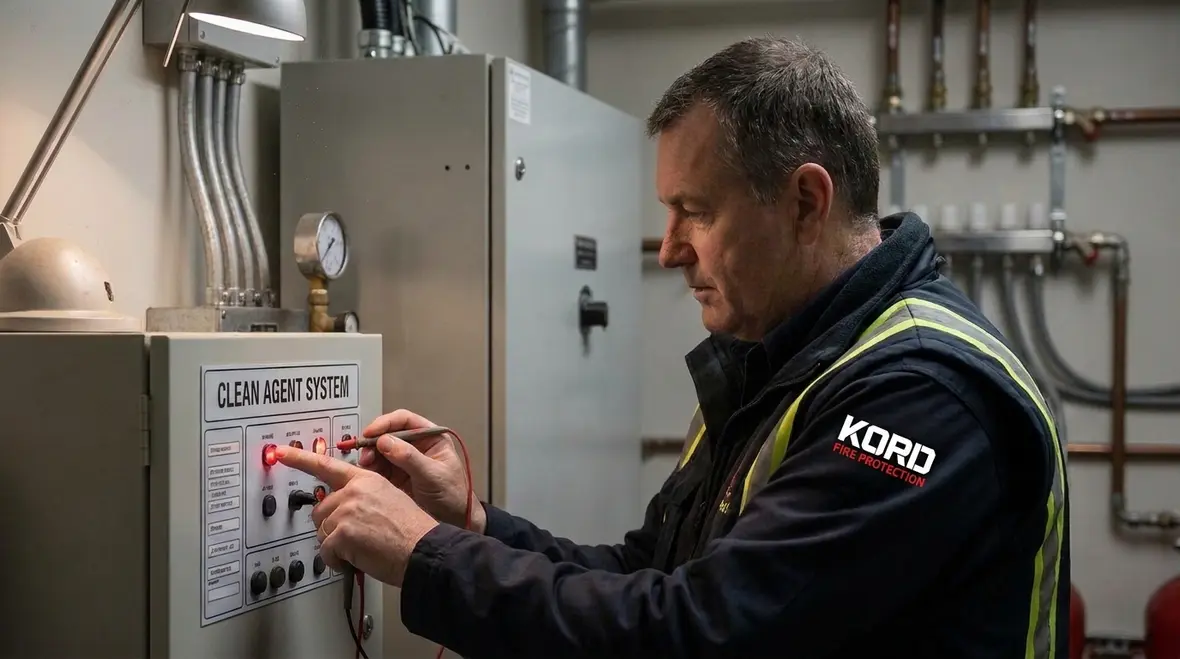
In addition, training should explain inspection schedules and basic troubleshooting signs. A blinking panel light should not become a mystery worthy of a crime series. The operator should know whether it signals a fault, a trouble condition, a supervisory signal, or normal status. That kind of understanding helps teams report issues faster and keeps minor faults from lingering until the next emergency kindly points them out.
Practical topics that should never be skipped
- How the detection and release sequence works in that exact room
- What warning devices sound like and what each stage means
- How long the pre discharge delay lasts, if one is configured
- Where to evacuate and who confirms the room is clear
- When not to re-enter after discharge
- How shutdowns, dampers, doors, and HVAC interact with the system
- Who to call for service, reset, documentation, and post event review
The most effective programs also connect the training to the actual hazards in the space. A server room, for example, may need emphasis on equipment sensitivity, ventilation behavior, and controlled re-entry. A control room may focus more on continuity, communication, and handoff to emergency teams. Site specific training sticks better because it answers the question every operator is quietly asking: what does this mean for my room and my job?
How Kord Fire Protection Supports Compliance and Confidence
Kord Fire Protection can become a vital partner because this service needs more than a one time handover. It needs support, planning, and a team that understands how clean agent systems behave in real conditions. Kord Fire’s clean agent service page explains that these systems protect high value spaces where water based methods could damage electronics, documents, or other critical assets, and that the company supports installation, servicing, repairs, and regulatory compliance for these systems. NFPA 2001 guidelines for clean agent fire suppression systems also fit naturally into that conversation because standards are most useful when they lead to clear action on site.
For many facilities, training must stay current across multiple shifts, changing contractors, and rotating staff. Kord Fire Protection can help by delivering practical operator training, system walkthroughs, and site specific guidance. The company also connects that support to broader maintenance and inspection work so the training is not floating separately from the equipment everyone relies on.
That matters because the best compliance programs are the ones people can actually follow. Clear documentation, understandable instruction, and consistent follow-up reduce confusion and build confidence when the pressure rises. For businesses managing warehouses, commercial buildings, or critical equipment spaces, long term support helps keep training aligned with system changes, staff turnover, and inspection needs. In other words, it helps prevent the classic set it and forget it approach that eventually returns with a bill and a headache.
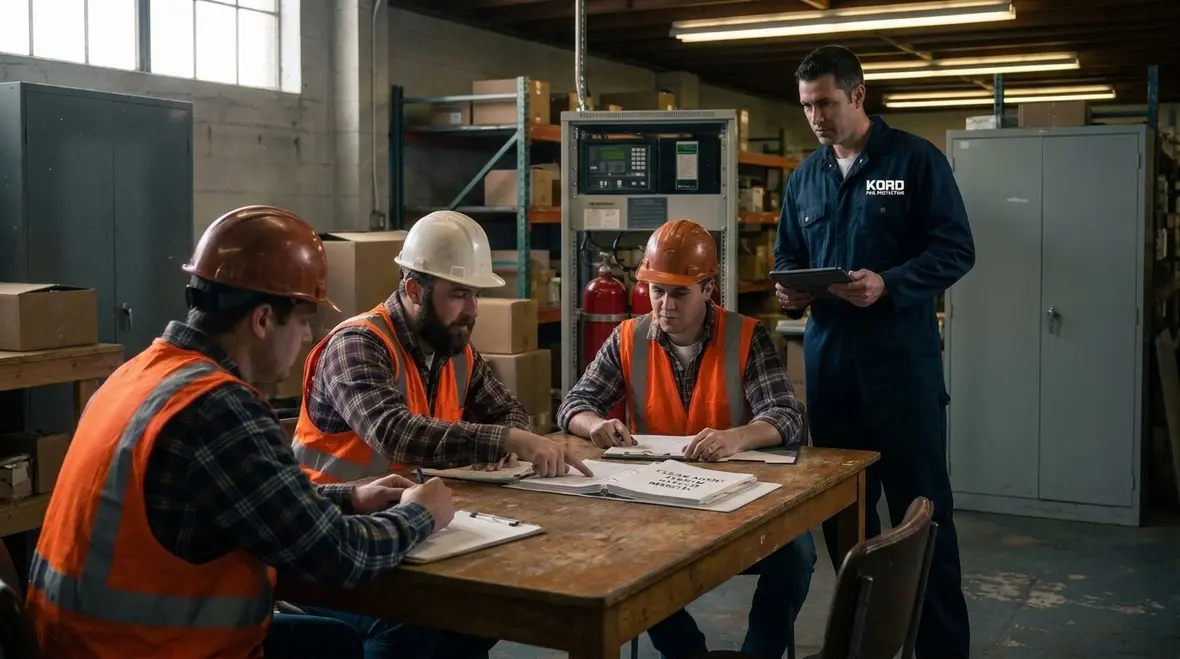
Where Clean Agent Training Helps Most
Clean agent systems often protect areas where downtime is costly and cleanup must stay low. That makes training especially useful in places such as:
- Data centres and server rooms
- Control rooms and monitoring spaces
- Warehouses with high value goods
- Retail stockrooms and cash handling zones
- Manufacturing and process control areas
- Medical, lab, and special equipment rooms
Because these environments often contain both people and critical assets, operator knowledge must balance fire response with life safety. Therefore, good training teaches when to evacuate, when not to enter, how to communicate during alarms, and how to coordinate with emergency response teams after an event. It also helps supervisors understand why room conditions, hardware changes, and airflow adjustments can affect system performance over time.
Training supports the room, the system, and the people in it
This is where operator awareness becomes more than a compliance exercise. A trained team can spot changes that may influence performance, such as penetrations in walls, unplanned cable openings, equipment rearrangement, or ventilation modifications. Even if the operators are not the people performing repairs, they are often the first to notice that something in the protected environment no longer looks the way it should. That makes training a practical layer of defense, not just an annual box to tick with a serious face.
Why Ongoing Training Beats One Time Instruction
Fire protection changes. Staff change. Equipment changes. So one short session is usually not enough. Ongoing training helps maintain awareness and keeps response steps fresh. It also helps new staff learn the system before an emergency teaches them the hard way, which is never the preferred instructor.
Regular refreshers support better record keeping, stronger site readiness, and more consistent communication across teams. That matters during audits, insurance reviews, internal safety checks, and contractor coordination. Just as important, repeat training builds confidence. People respond better under pressure when the information is familiar and connected to real scenarios instead of buried somewhere in a forgotten handover packet.
A smart refresher program does not need to be dramatic. It simply needs to be clear, current, and repeatable. Short walkthroughs, scenario reviews, panel familiarization, and updates after any system modification can go a long way. The point is to keep knowledge alive so the system does not become one of those pieces of infrastructure everyone assumes is fine right up until the exact moment they discover no one remembers how it works.

FAQs
Bring the Right Partner Into the Room
NFPA 2001 training for clean agent fire suppression systems is not just about checking a box. It is about protecting people, property, and business continuity with skill and calm. The right training helps operators understand alarms, safety steps, room conditions, and post discharge actions without guesswork or panic. That is a better outcome for the system and for everyone standing near it.
For facilities that rely on clean agent protection, Kord Fire Protection can provide the support needed to keep systems ready, understood, and practical to manage over time. With the right partner, training stays current, documentation stays useful, and compliance turns into something more valuable than paperwork. It turns into confidence. Reach out when you are ready to build a safer, smarter, and more dependable protection plan.

Join Our Newsletter!
Get the latest fire safety tips delivered straight to your inbox From our Newsletter.