Fire Sprinkler Water Storage Optimization in Australia
Quick Answer (40–60 words)
Optimizing fire sprinkler water storage tanks means sizing the supply correctly, protecting water quality, and maintaining reliable pressure and flow. When tanks, pumps, controls, and inspections work together, the system delivers water fast, every time. Kord Fire Protection can help facilities in Australia align upgrades with compliance and real-world fire scenarios.
Near the start of any upgrade conversation, it also helps to connect storage planning with broader fire sprinkler system service needs, because the tank never works alone. Pumps, valves, controls, and inspections all have to pull in the same direction, preferably without acting like coworkers who only read half the group email.
Why fire sprinkler water storage planning starts with the tank
In Australia, industrial, retail, and commercial sites rely on automatic sprinklers to control fire long before firefighters arrive. That is exactly why fire sprinkler water storage gets treated like mission-critical infrastructure, not “set it and forget it.”
When a system works, it feels simple. When it fails, it feels like Murphy’s Law showed up early for overtime. Proper storage planning ensures the right volume reaches the sprinkler network with stable pressure and predictable flow.
In practical terms, the tank is only one part of the story. However, it sets the limits for duration, delivery, water quality, and system response. So, organizations that optimize early avoid costly retrofits later, and they reduce the risk of downtime during maintenance.
That is also why teams reviewing storage strategy often benefit from related reading on fire protection water supply options. It helps frame where tanks fit among pumped, stored, and network-supported supplies, especially when a site is growing, changing occupancy, or putting older infrastructure under fresh pressure.
Sizing the water reserve for real hazards
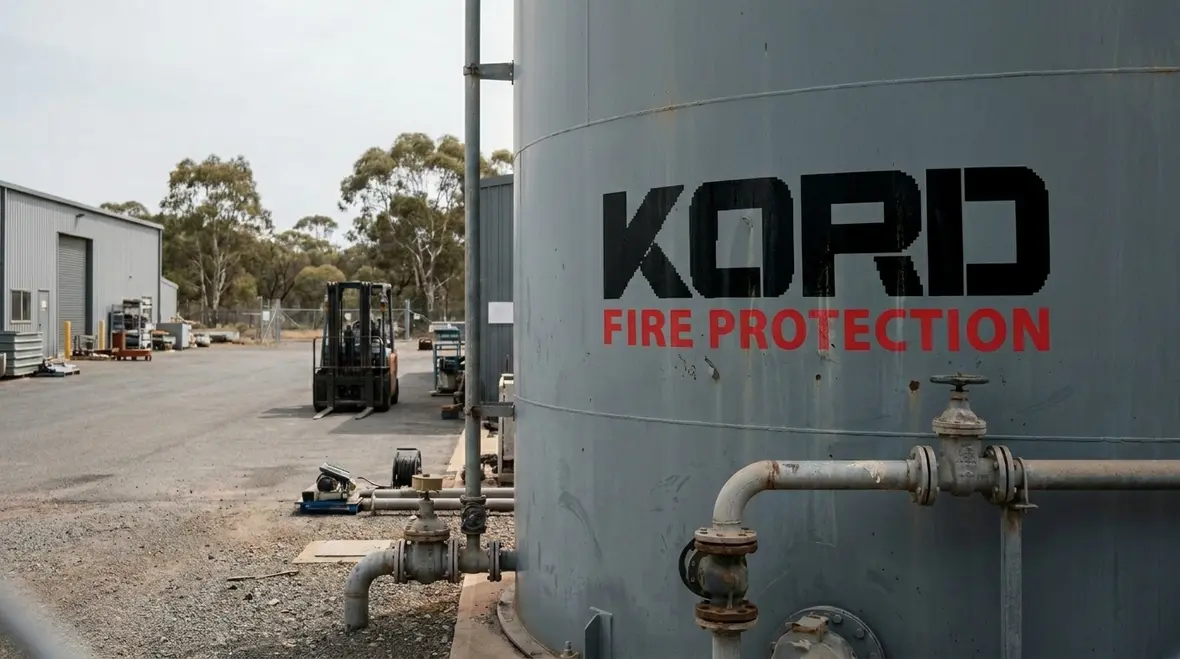
Many facilities treat tank sizing like a math exercise. In reality, it is a risk calculation with a punchy operational edge. The goal is to hold enough water for the required density and duration based on hazard class, building layout, and sprinkler design.
To size properly, fire sprinkler contractors and engineers typically review the following:
- Occupancy hazard level and expected fuel load
- Area of operation for sprinklers during a credible fire event
- Pipe network layout, friction losses, and elevation changes
- Whether the system relies on a gravity tank, pressure tank, or pumped supply
- Allowance for inspections and practical flow conditions
Then, they match the design to operational reality. For instance, retail fitouts change. Industrial processes add quick fuel hazards. Therefore, tank design needs a link to how the site actually runs today, not how it looked in a brochure.
This is where storage optimization stops being theoretical and starts becoming useful. If a facility expands racking, changes stock profile, introduces higher-value goods, or modifies production zones, the original assumptions may no longer deserve blind trust. Water reserve planning has to keep up with the building’s actual behavior, not its former best intentions.
Designing for today’s site conditions, not yesterday’s drawings
A tank sized for an earlier phase of operations may still exist physically, but that does not mean it still fits the risk. Seemingly small site changes can affect demand, response time, and hydraulic performance. That is why optimization reviews should compare current occupancy, available pressure, and supply duration against present-day use. Otherwise, the tank may be technically present and practically underprepared, which is a terrible combination in fire protection and not much better in comedy.
Maintaining pressure and flow when the system needs it most
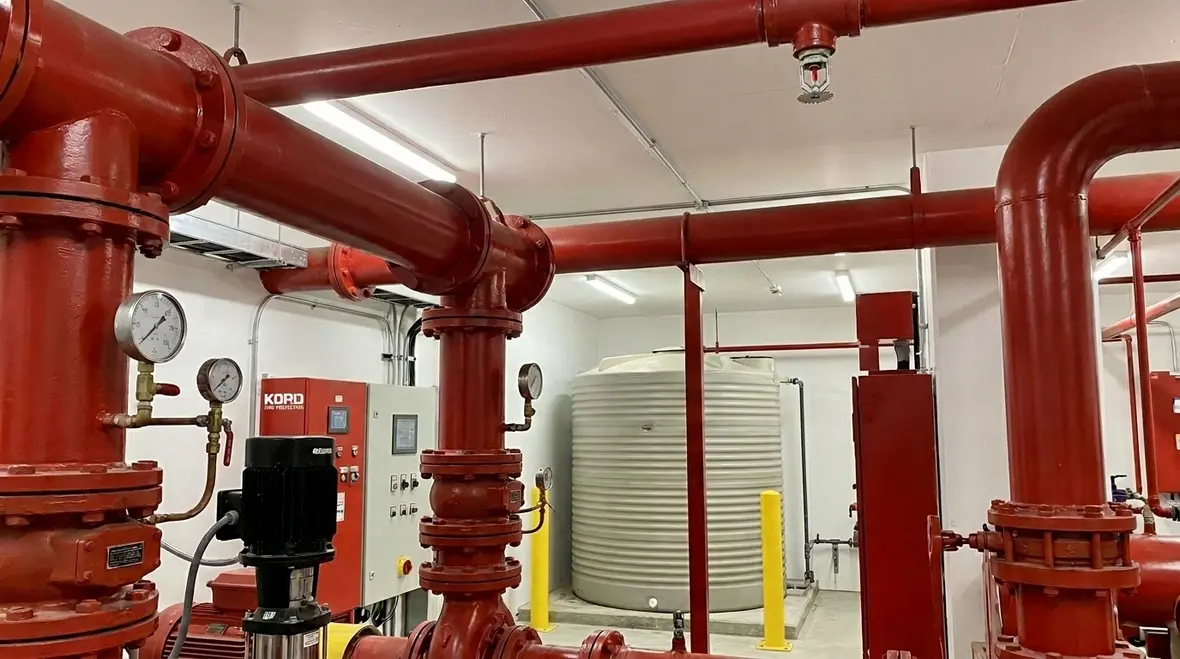
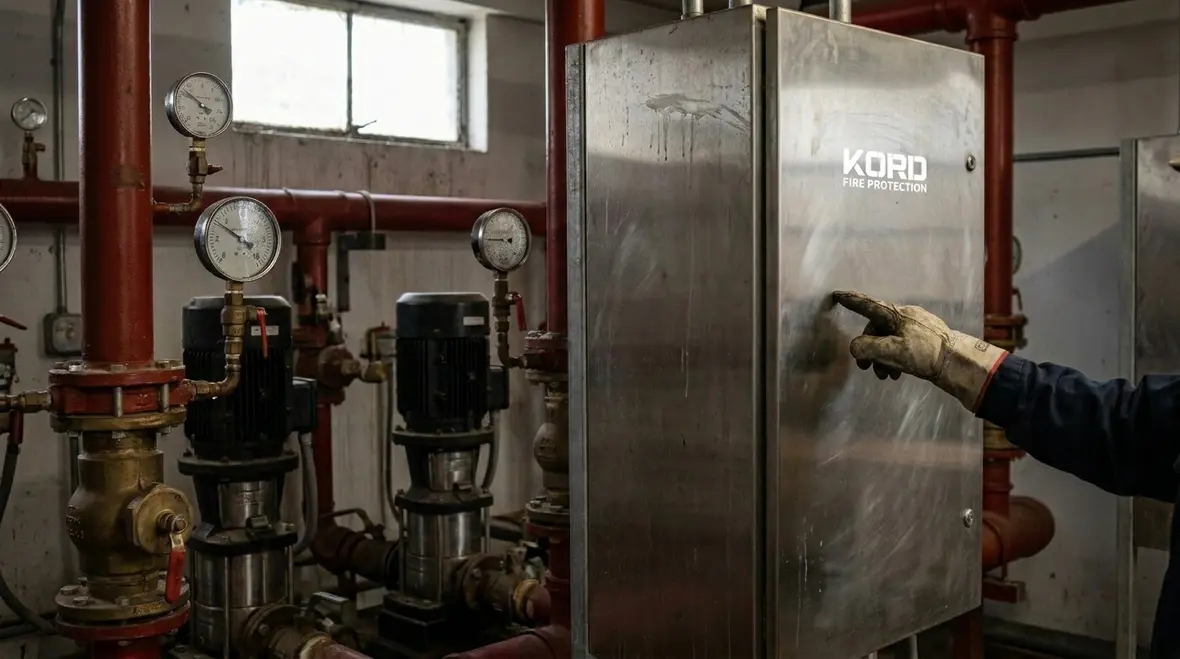
Even when the tank volume looks correct on paper, pressure and flow can still fail during an incident. That is where pump selection, jockey pumps, controllers, and discharge conditions earn their keep.
To keep the delivery stable, facilities should pay close attention to:
- Hydraulic calculation accuracy for each sprinkler zone
- Pipe sizing and expected friction losses
- Pump curve matching to the demand range
- Control logic for automatic start, transfer, and alarm outputs
- Water hammer and air management in pipework
Furthermore, commissioning matters. After installation, teams verify set points, check valve operation, and confirm the system can transition from standby to full flow without delays. If the controller hesitates, the fire does not.
Facilities also benefit from reviewing broader thinking around water supply reliability analysis for fire suppression systems. That perspective helps connect storage volume to what really matters in a live event: whether the water arrives with enough consistency, force, and duration to support the sprinkler design across the affected area.
This is often where optimization either succeeds or trips over its own shoelaces. A tank can be spotless, full, and beautifully documented, yet the system still underperforms if the pump curve is wrong, the suction conditions are poor, or the controls do something unhelpful at exactly the wrong moment. Reliable water delivery is a chain, and chains are not famous for outperforming their weakest link.
Protecting water quality and preventing “silent” system issues
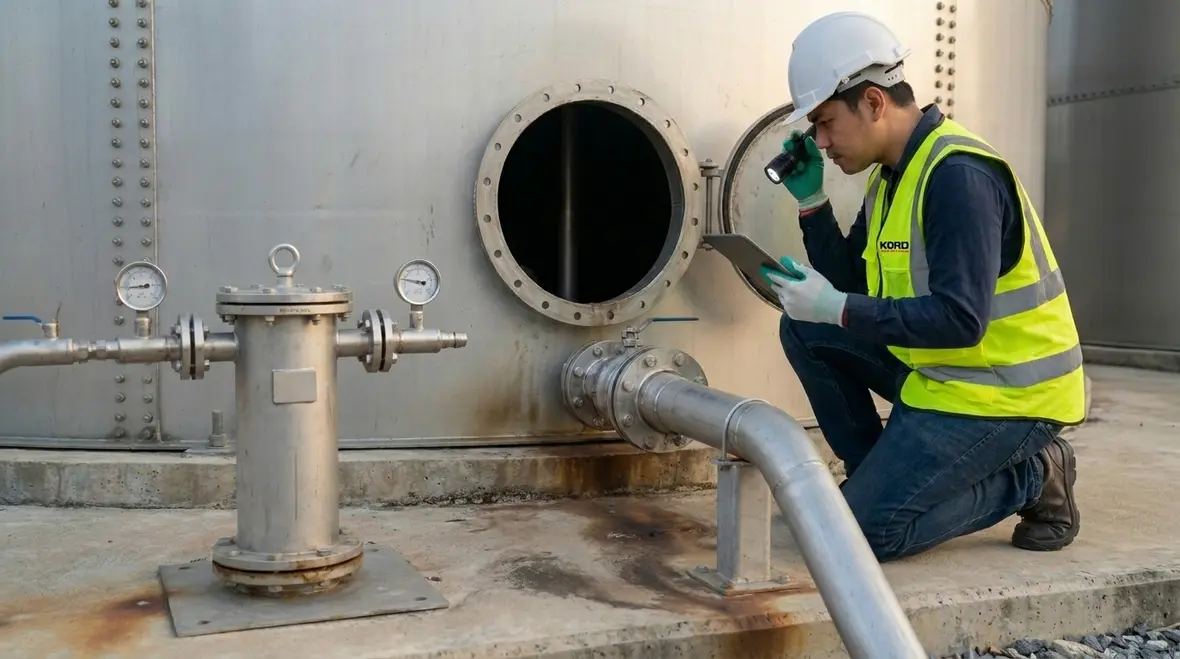
Water storage can degrade. Tanks can accumulate sediment, and water can change chemistry over time. And while the system may still pass basic checks, sprinklers can face reduced performance due to debris, scale, or blockage.
Therefore, owners should build a water quality strategy that includes:
- Filtration and strainer maintenance for suction conditions
- Tank inspection schedules with documented findings
- Corrosion management and protective coatings where suitable
- Dead-leg prevention in piping to reduce sediment settlement
- Draining and flushing plans aligned to operational impact
In many facilities, the biggest risk is not dramatic failure. It is slow decline. Think of it like leaving a guitar out of tune for months and only noticing when someone finally asks you to play. A good maintenance program catches drift early, before it turns into expensive firefighting equipment drama.
Water quality problems are sneaky that way. They rarely arrive wearing a name tag and announcing themselves. Instead, they build quietly through sediment, corrosion, scaling, or neglected flushing. By the time the symptoms show up in testing or equipment behavior, the issue has often been rehearsing backstage for quite a while.
Upgrades that reduce downtime during tank optimization
Tank optimization often sounds like a major shutdown event. However, with the right planning, facilities can improve reliability while keeping operations moving. This matters for warehouses, supermarkets, hospitality venues with back-of-house fire zones, and industrial plants where every hour counts.
For smooth upgrades, teams often coordinate in stages, such as:
- Temporary arrangements for water supply during isolated works
- Valve and pipe isolation planning to protect other zones
- Staged installation of filtration, alarms, and control updates
- Synchronised commissioning so changes do not “fight” each other
- Training sessions for operations staff on system status indicators
Then comes documentation. Updated as-built drawings, test results, and inspection logs help future technicians maintain the system without guesswork. That is where long-term cost control starts. Nobody wants to run a fire system on vibes.
A staged plan also gives facility teams something invaluable: options. Instead of choosing between progress and protection, they can sequence work so critical areas stay covered while improvements move ahead. Good coordination reduces downtime, reduces confusion, and reduces the odds of someone standing in a plant room asking, “Wait, was that valve supposed to be closed?”
Documentation that helps future technicians, not just today’s project team
Strong records are not glamorous, but they are incredibly useful. When drawings, test reports, maintenance logs, and commissioning notes are current, the next round of service becomes faster and safer. Future technicians can understand the system without playing detective, and site teams can make decisions based on facts rather than faded labels, conflicting notes, and optimistic memory.
How Kord Fire Protection supports fire sprinkler water storage projects
Optimizing storage tanks involves more than mechanical work. It requires a partner who understands how tanks, pumps, controls, pipe networks, and compliance requirements connect. That is where Kord Fire Protection can become a vital partner with this service job.
They help facilities across Australia align engineering intent with on-site outcomes. As a result, sites get safer systems, clearer test documentation, and fewer surprises during inspections. Kord Fire Protection can support throughout the lifecycle, including:
- Assessments that highlight hydraulic, water quality, and control risks
- Planning for upgrades that suit industrial and commercial operations
- Installation support for pumps, valves, and tank-related components
- Commissioning and verification that the system performs as designed
- Maintenance planning with practical inspection intervals
And yes, sometimes the most calming thing is knowing someone else has already checked the details that others forget. Fire protection does not tolerate half-measures.
For teams also focused on adjacent reliability issues, Kord Fire Protection’s article on fire alarm system reliability and battery health is a useful companion read. It reinforces the same larger idea: protection systems only earn trust when support equipment, maintenance discipline, and real-world readiness all line up together.
Practical checklist for facilities across retail, industrial, and commercial sites
Facilities that want repeatable results can use a structured checklist. It keeps teams aligned and reduces the risk of missed items during service visits.
Tank and water supply checks
- Inspect tank condition, vents, access points, and seals
- Verify strainer and suction setup stays clear of debris
- Confirm sediment control and planned flushing activities
- Check corrosion management and coating condition
System performance checks
- Review hydraulic test results and demand calculations
- Confirm pump operation and control set points
- Verify alarms, indicators, and failover functions
- Ensure valve positions match the current design
Then, schedule these checks so they fit the site reality. For example, industrial plants can coordinate during shutdown windows, while retail centres can plan around trade cycles. Moreover, document everything so future staff can make decisions quickly.
Consistency matters more than heroic last-minute scrambling. A practical checklist gives maintenance teams a repeatable rhythm, which is exactly what complex fire systems need. When routine checks become part of normal operations, issues are easier to catch, easier to explain, and much less likely to turn into expensive surprises.
FAQ
Ready to optimize the system before the next test (or incident)
Facilities that improve fire sprinkler water storage now protect people, reduce risk, and prevent last-minute fixes. Kord Fire Protection can help assess tank supply, water quality, and delivery performance, then plan upgrades that suit day-to-day operations across Australia.
If the system has to work under stress, it should be ready before stress arrives. Contact Kord Fire Protection to start a practical plan. Because when the next test or incident shows up, that is not the moment to discover your storage strategy was held together by paperwork, optimism, and crossed fingers.

Join Our Newsletter!
Get the latest fire safety tips delivered straight to your inbox From our Newsletter.