Automatic Sprinkler System Reliability Maintenance Best Practices
Automatic sprinkler systems protect homes and businesses with a mix of speed, precision, and steady maintenance. When the system’s automatic sprinkler system reliability stays strong, it helps prevent small problems from turning into big disasters. To keep that reliability high, Kord Fire Protection technicians recommend a simple rule: treat the system like life support, not like a background feature that only shows up during emergencies. Sure, most people do not check smoke alarms every day, but sprinklers are different. They sit quietly, then do a heroic job on command. And if they fail, the fire does not care about your excuses. Let’s walk through best practices that technicians use to keep performance dependable.
How Kord Fire Protection technicians keep systems dependable
Kord Fire Protection technicians focus on prevention first, then verification. That means they do not just look for obvious issues like missing heads. Instead, they confirm that every component can do its job when it matters. First, they review the system design and layout. Then, they inspect water supply, pipe condition, control valves, and alarm interfaces. After that, they document test results so owners can track trends over time. In other words, they treat maintenance as a system, not a one time chore.
Because sprinkler systems vary by building use, the technician approach stays practical. For example, a retail store might face more dust and ceiling obstructions, while a warehouse may see vibration and accidental damage. Therefore, the inspection plan adjusts. This reduces surprises and improves automatic sprinkler system reliability through real, site specific awareness. For owners managing multiple life safety systems, Kord Fire Protection’s full fire protection services can help coordinate inspections, service, and readiness under one partner.
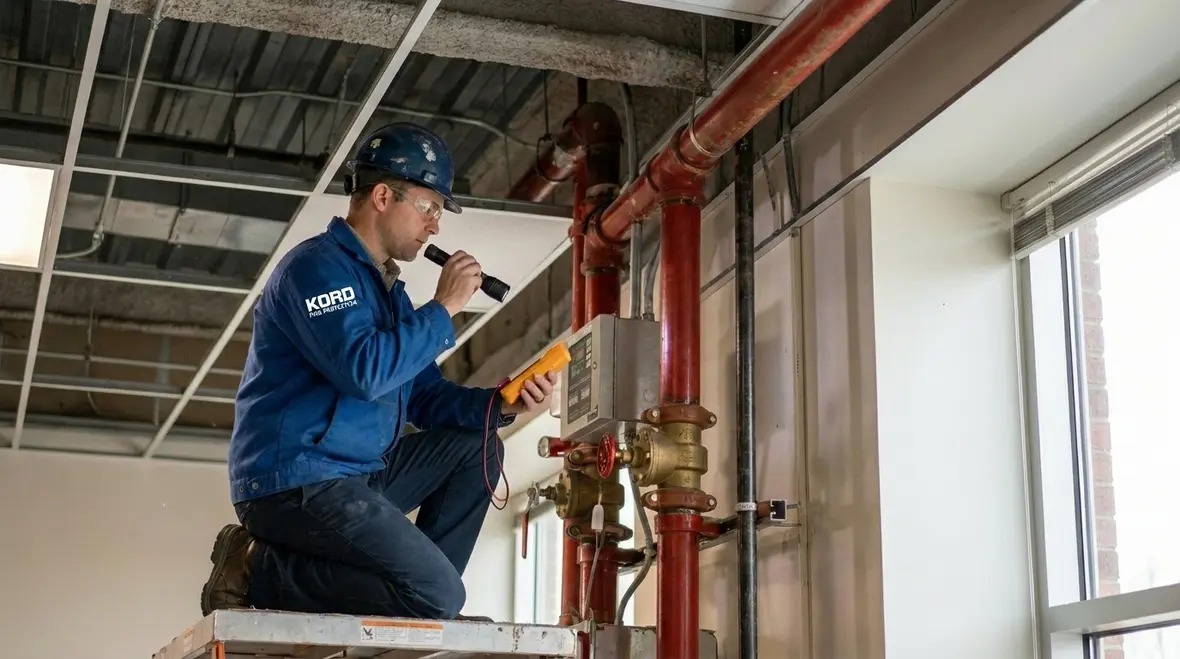
Inspect valves, flow switches, and alarms on a steady schedule
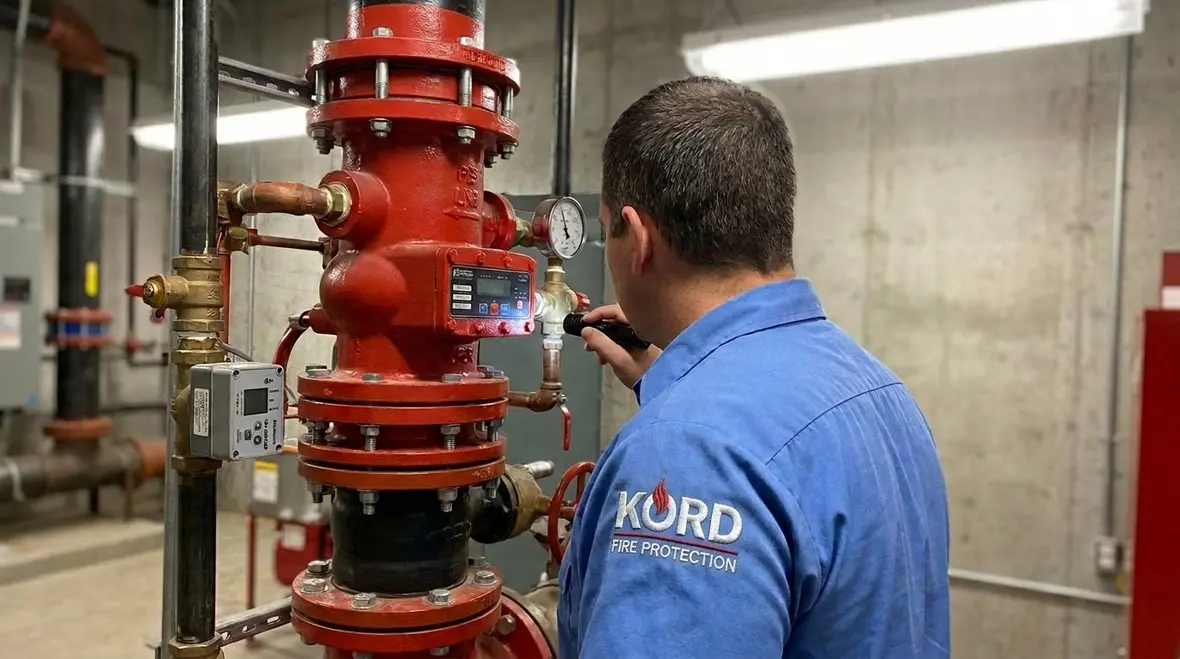
A sprinkler system can look fine and still fail to report properly. That is why Kord Fire Protection technicians pay close attention to valves, flow switches, and alarm signaling. They verify that control valves move smoothly, remain fully supervised, and do not stick in the closed position. They also test flow switches to confirm the system detects water movement quickly. At the same time, they check that alarms and monitoring devices send signals to the right place.
Why steady scheduling matters
To keep this reliable, owners should schedule inspections at intervals recommended by local code and the manufacturer. Additionally, any time a building remodel happens, technicians reassess changes that could affect valves or routing. If a contractor moves a ceiling or adds storage, the system still needs to “see” the same conditions it was designed for. That small bit of follow through can save a lot of future head scratching and an even larger amount of paperwork.
A solid schedule also creates accountability. When testing dates, noted deficiencies, and completed repairs are recorded in order, the system stops being a mystery box. It becomes easier to catch a sticking valve before it turns into a real emergency and easier to prove that the building has been cared for correctly.
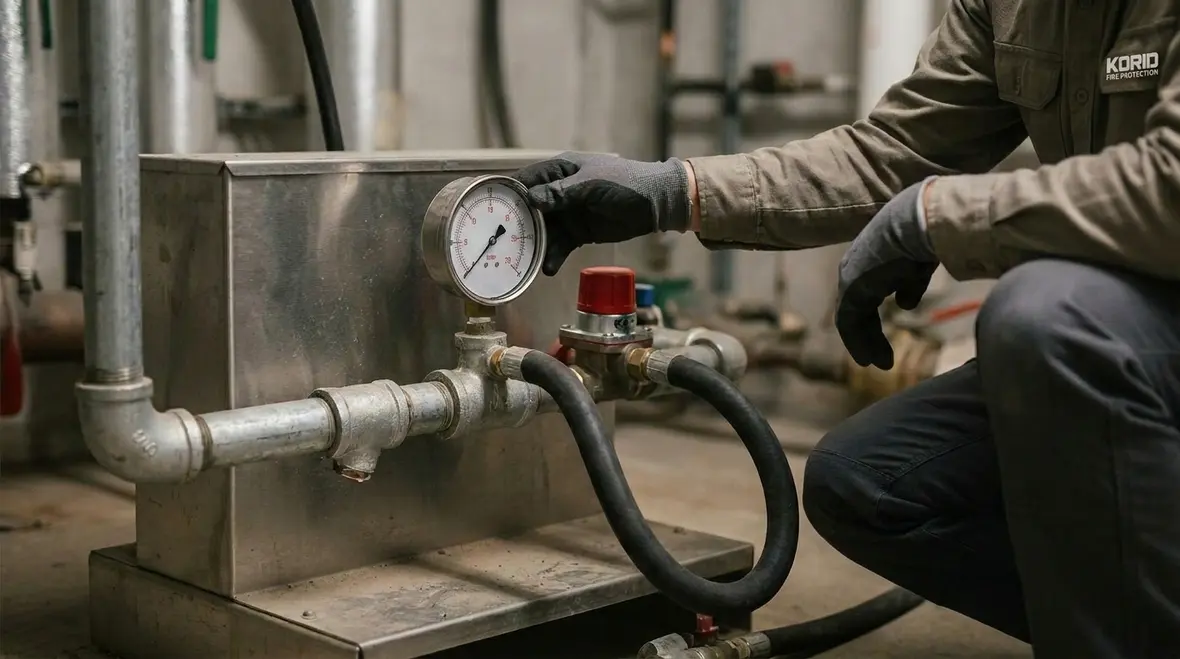
Maintain water supply pressure and prevent drain and backflow problems
Sprinklers rely on water pressure and flow, and the best schedule in the world cannot fix a poor supply. Technicians check hydrants, mains, tanks, and pump conditions where applicable. Then they confirm that pressure levels meet the design needs during real operational demand. They also verify backflow prevention assemblies, because these protect the water system and keep the fire line behavior predictable.
Next, they examine drain valves and auxiliary lines. A system can lose performance when drains stick open, when strainers clog, or when air pockets build up. During routine service, technicians clean strainers and remove debris they find. They also confirm that any automatic fill or makeup connections work correctly. As a result, the system keeps stable operation, which supports automatic sprinkler system reliability over time.
Pressure issues rarely announce themselves politely
That is part of what makes this category so sneaky. A system may appear normal during casual observation and still struggle when real flow demand hits. Pumps, backflow devices, and drains all play a role in whether water gets where it needs to go fast enough. If one part lags, the whole chain suffers. This is also why many owners pair sprinkler care with broader service coordination from Kord Fire’s comprehensive fire protection team, especially when pumps, alarms, and inspections all need to stay aligned.
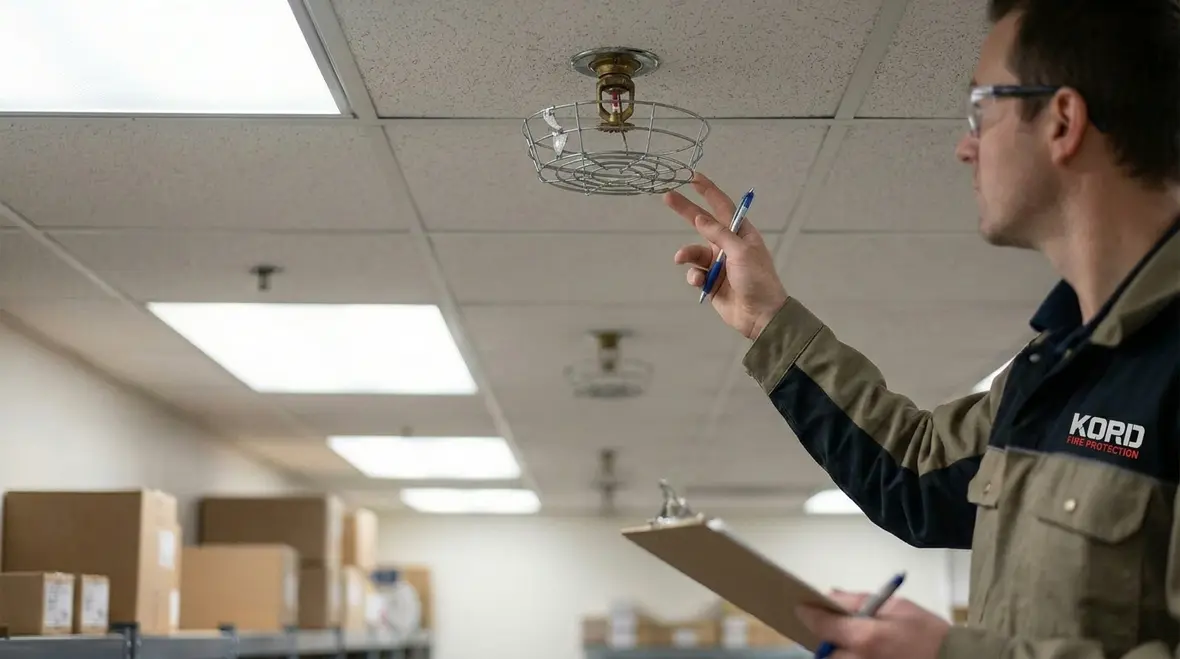
Protect sprinkler heads from damage and keep spacing clear
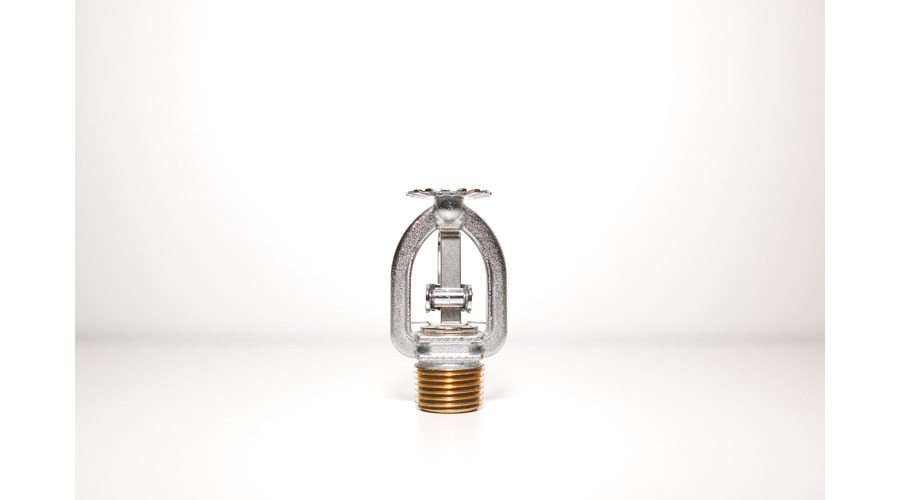
Sprinkler heads face daily threats: ceiling tiles get swapped, lighting gets installed, carts get pushed, and ladders do dumb things that ladders should not do. Kord Fire Protection technicians train teams to treat heads as critical equipment. During inspections, they check for physical damage, corrosion, paint contamination, and missing guards in high risk locations. They also verify correct spacing and unobstructed discharge areas.
In practical terms, they look for signs that a head got bumped during maintenance. Even a small shift can change spray patterns. Furthermore, they watch for items that hang too close to heads, like decorations, duct wrap, or seasonal signage. Therefore, owners should set a clear rule: anyone working above ceilings must notify the team, so technicians can confirm the system stays within design limits.
The tiny details that cause big trouble
This is where routine awareness pays off. A painted head might seem harmless to somebody trying to make the ceiling look tidy, but it can interfere with performance. The same goes for stacked inventory, new signage, and ceiling hardware added after the original installation. The system was designed with spacing in mind, not with somebody’s last minute banner idea hanging in the spray pattern.
Schedule annual inspections and verify performance with proper testing
Some parts of sprinkler maintenance are visual, and some require testing. Technicians typically conduct annual or periodic inspections that include flow tests and control checks based on code requirements. They verify that the system can move water and trigger alarms correctly, not just that it can sit quietly and look ready. Additionally, they check remote test connections where available and confirm that test results match expected performance.
Testing also reveals hidden issues. For instance, a valve may operate but take too long. A detector may report inconsistently. A pressure source might behave correctly at rest but struggle under flow. When technicians capture and compare results, they can schedule repairs before reliability drops.
And yes, testing can feel like homework. But think of it as a smoke test for your safety plans. Like checking a smoke detector battery, it prevents the “well, it should have worked” conversation nobody wants to have. It also gives property managers something even more valuable than optimism: actual evidence.
Use maintenance logs, training, and a clean handoff after repairs
After a repair, inspection, or contractor work, information matters. Kord Fire Protection technicians encourage owners to keep maintenance logs that include dates, results, and follow up actions. These records help facilities spot patterns. If multiple issues appear in the same zone, the owner can address the root cause rather than repeating fixes.
Training also plays a big role in automatic sprinkler system reliability. Staff should learn what changes require notification. They should know not to paint heads, not to remove tags, and not to cover sprinklers with non approved materials. They should also understand who to call when a head gets damaged. The fastest response protects both the system and the building occupants.
Finally, a clean handoff after repairs prevents mistakes. Technicians verify that correct parts install, that the system returns to normal mode, and that signage and valve positions match the updated conditions. It is one of those steps that sounds boring until somebody skips it, and then suddenly boring looks pretty wonderful.
What owners should do when contractors touch ceilings and equipment
When a building contractor enters the space, sprinklers can become collateral damage. That is why owners should set a simple work protocol. First, require pre job notification when work occurs above ceilings or near sprinkler piping. Second, insist on careful re inspection after installation, especially when ducts, lights, storage, or partitions change. Third, document what changed so maintenance technicians can cross check the system against the as built condition.
Kord Fire Protection technicians often advise property managers to treat sprinkler zones as controlled areas. When contractors follow that process, it reduces rework and helps maintain automatic sprinkler system reliability without turning every project into a fire drill. Because honestly, nobody wants the building to sound like a reality show every time a ceiling tile gets moved.
A smarter handoff between trades
This is where communication beats cleanup. Electricians, HVAC teams, ceiling crews, and maintenance staff all affect overhead space in different ways. A quick pre work notice and a post work recheck can prevent damaged heads, blocked spray patterns, and accidental valve changes. It is a simple process, but simple is usually what works best when multiple people are touching the same building systems.
FAQ
Conclusion and next step
Automatic sprinkler systems earn trust through consistent care, not luck. When owners follow inspections, keep water supply steady, protect heads from damage, and document results, they strengthen automatic sprinkler system reliability and reduce the chances of surprise failures. Kord Fire Protection technicians can review the building, check the system’s key components, and build a maintenance plan that fits the space.
If you want dependable protection that behaves correctly when it matters, schedule a service visit now and let the right experts handle the boring parts of safety. A strong next step is to explore Kord Fire Protection’s full fire protection services for coordinated support across sprinklers, alarms, extinguishers, and testing.

Join Our Newsletter!
Get the latest fire safety tips delivered straight to your inbox From our Newsletter.