Sprinkler System Water Flow Monitoring for Compliance
In a commercial building, seconds matter, and that includes how quickly a fire sprinkler system delivers the right water flow to control a fire. That is where sprinkler system water flow monitoring steps in. When Kord Fire Protection technicians explain the process, the message lands fast: monitoring is not “extra.” It is the way a fire system proves it can perform when it needs to most. And yes, while nobody wants to test sprinklers in real life, water flow monitoring helps teams spot weak spots ahead of time, like catching a leaky pipe before it becomes a mini water park. In the sections ahead, this article breaks down how flow monitoring strengthens sprinkler performance, improves compliance, supports faster troubleshooting, and helps property teams protect people and assets with confidence.
What water flow monitoring does for commercial sprinkler systems
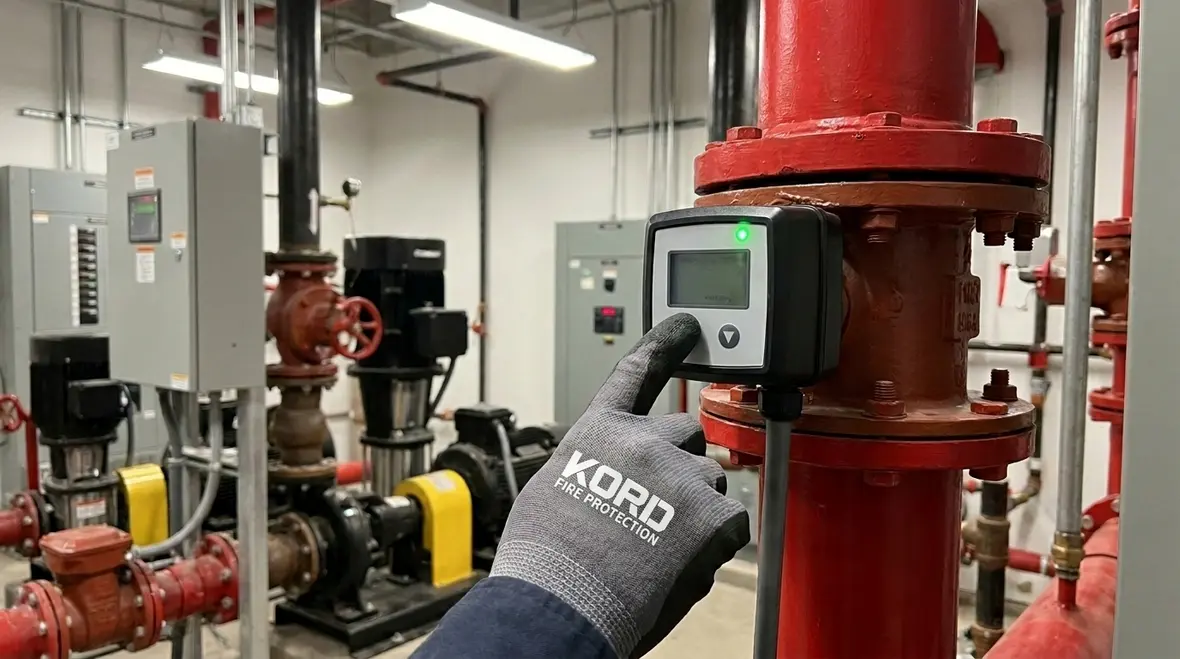
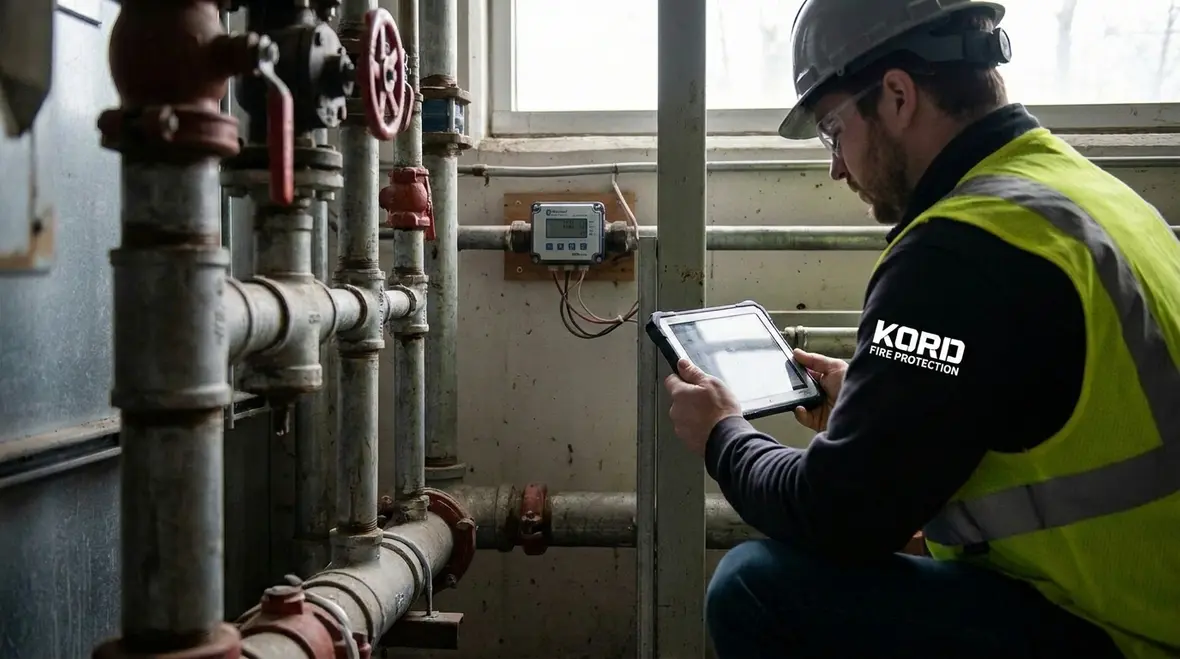
Commercial sprinkler performance depends on two big things working together: the sprinkler heads and the water supply that feeds them. If the supply flow is too low, unstable, or delayed, even the best sprinkler design cannot do its job. Therefore, sprinkler system water flow monitoring tracks the movement and behavior of water through the system so operators and service teams can confirm it stays within expected limits.
Typically, monitoring focuses on flow rate, pressure stability, and signals tied to system operation. Then, when something changes, the system provides clear data rather than vague assumptions. As Kord Fire Protection technicians often explain, the goal is simple. They want to know whether the system is delivering water the way the design intends, not just whether it looks fine during a quick visual check.
And if that sounds like being picky, good. Fire protection is not a “close enough” industry. It is more like checking your smoke alarm batteries before they die, except this time the cost of guessing is higher.
How flow monitoring improves response during a real fire
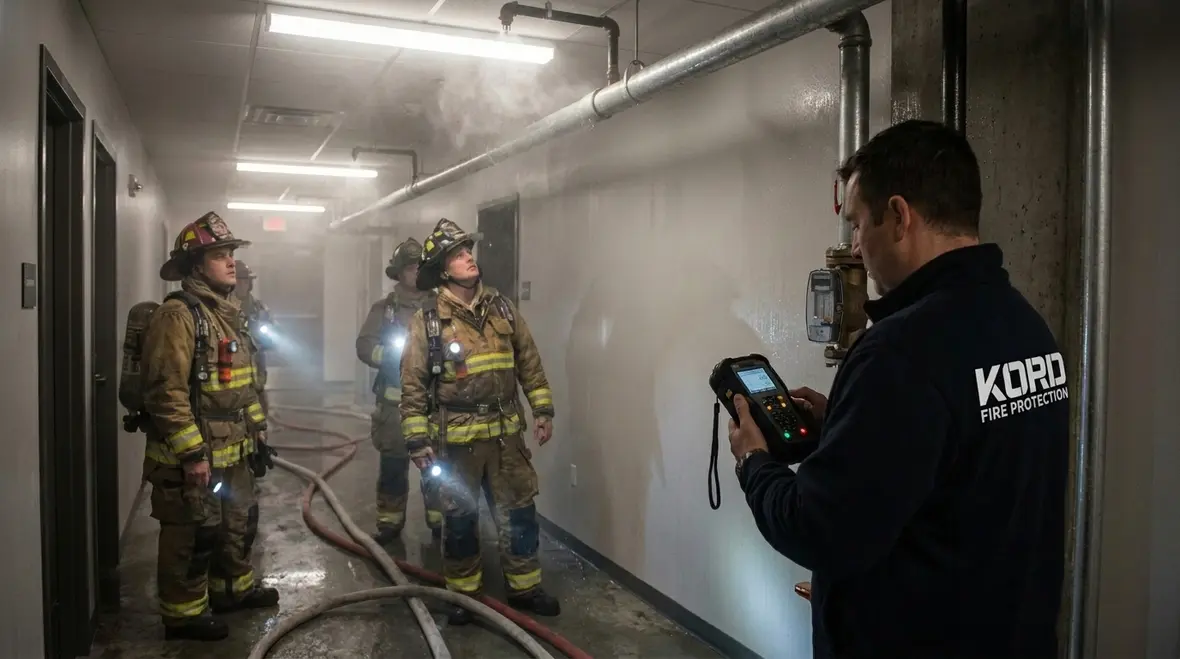
When a fire starts, the building needs reliable water delivery right away. In many commercial settings, sprinklers activate in sections based on heat and fire growth. Even so, the water supply must keep up. Water flow monitoring supports performance by giving early evidence of whether the system can sustain flow through the activated zones.
As flow conditions change, monitoring helps identify patterns that affect control, such as sudden drops, delayed changes, or inconsistent flow during demand. Then, technicians can link those patterns to possible causes like pump performance issues, valve positions, or supply limitations.
Just as importantly, monitoring helps during emergency response planning. Site teams can understand how the sprinkler system behaves, which supports better coordination with fire department operations. Kord Fire Protection technicians routinely explain that firefighters do not want mystery meat data. They want predictable system behavior, and flow monitoring helps teams talk about that behavior with facts.
Detecting supply problems before they become emergencies
Most sprinkler system failures do not announce themselves with fireworks. Instead, small issues build over time. Water flow monitoring helps catch them early by comparing real operating conditions against expected ranges.
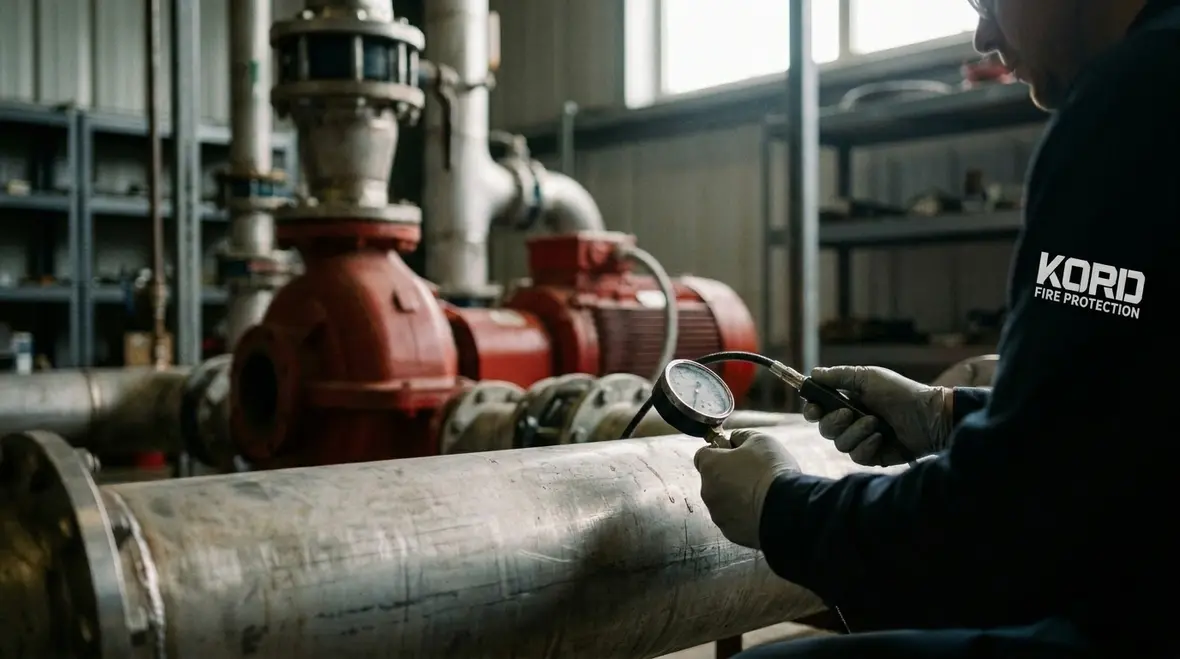
For example, an aging main supply line can develop flow restrictions. Similarly, a pump might still run during tests but lose efficiency under load. Then, valves can shift due to maintenance mistakes, vibration, or construction changes. Any of these can reduce water delivery when the system matters most.
Because monitoring keeps watching, it can reveal performance trends rather than one-time snapshots. And once technicians spot a trend, they can recommend targeted fixes, such as cleaning a component, adjusting a valve, or verifying pump curves. In other words, they can keep issues from turning into emergency calls where everyone suddenly becomes an amateur plumber.
Supporting inspections, service, and compliance with clear proof
Commercial fire protection teams handle inspections, testing, and documentation all year long. Flow monitoring adds an evidence trail that supports service quality and compliance reporting. Rather than relying only on periodic tests, monitoring can provide added confirmation of system behavior over time.
Kord Fire Protection technicians explain that this matters because building records must be accurate and understandable. Owners want to know what the system did and when. Inspectors want to see that service and testing align with the system’s design intent. Therefore, monitoring data can reduce confusion and speed up follow-up questions.
Also, when monitoring shows a deviation, teams can take action sooner. That improves uptime for the fire protection system and reduces disruption for the building. Nobody wants to close a wing for days because a problem was found too late. Flow monitoring helps shorten the time between “something feels off” and “we know exactly what is happening.”
Understanding what the data means for real decisions
Monitoring is only valuable when people interpret it correctly. So the data needs to connect to the system components that influence flow. Kord Fire Protection technicians often describe the monitoring process like a dashboard in a modern car. The numbers matter, but the meaning matters more.
When technicians review flow patterns, they can evaluate how the system responds to activation and how the supply holds pressure and rate. If a flow rate drops faster than expected, they can check whether a valve is partially closed or whether there is an obstruction. If pressure behaves oddly during demand, technicians can investigate pump controls, piping conditions, or water supply limitations.
Then, because the monitoring system logs events, teams can match the data to maintenance activity. For instance, if a contractor recently worked on plumbing or performed a system adjustment, the flow record can help confirm whether the system returned to normal operation. That prevents blame ping pong, which, in any industry, gets old quickly.
Integrating flow monitoring with design, upgrades, and maintenance
Flow monitoring works best when it fits the building and system design. In many commercial properties, sprinkler systems connect to fire pumps, tanks, or city mains. Each setup affects how flow and pressure behave during operation. Therefore, integration matters. A monitoring plan should match the water supply arrangement and the sprinkler layout.
During upgrades, monitoring also helps teams verify that changes improve performance. For example, a building may retrofit sprinklers, add a new wing, or update fire pump controls. After that, monitoring can confirm that the new configuration performs as intended rather than merely passing a basic test.
Maintenance becomes more focused too. Instead of repeating the same broad checks, technicians can use monitoring trends to prioritize what matters. In practice, this can mean fewer “random” service visits and more targeted attention. And yes, in the real world, that saves money. In the world of fire protection, it also saves time and stress.
FAQ: sprinkler system water flow monitoring
Conclusion: take action to protect performance now
Commercial sprinkler performance depends on steady, correct water delivery, and sprinkler system water flow monitoring helps teams prove that the system performs the way it should. Kord Fire Protection technicians use the data to detect supply issues early, support inspections with clear records, and reduce guesswork during maintenance. If a building team wants smarter service, faster troubleshooting, and better confidence in fire response, they should schedule a review with Kord Fire Protection. Protect people and assets with a system that stays ready, not hopeful.
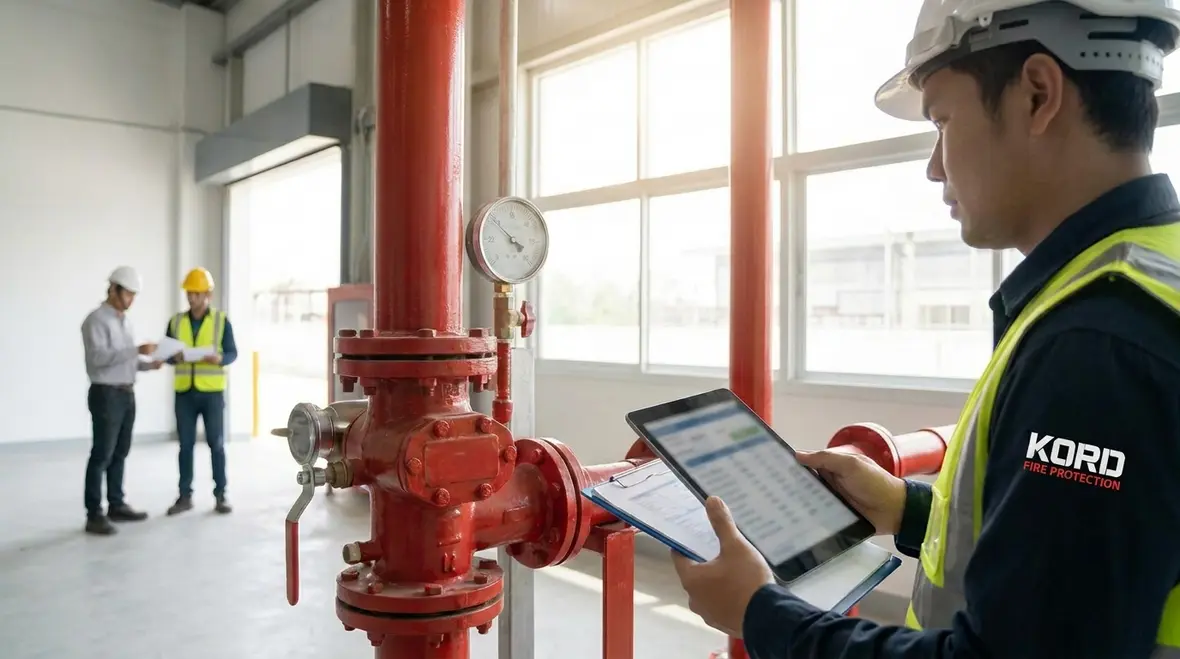
Ready to make compliance simpler and troubleshooting faster? Start with the service page below and connect with Kord Fire Protection.
Know Your Weapon Before You Fight the Flame
Kord Fire Protection is your go-to when it comes to all things fire protection. For over 20 years, we’ve been serving Southern California with the quality service and equipment to keep your home or business safe at all times. Our competitive prices reflect our unwavering commitment to protecting what matters most in the event of a fire emergency. Give us a call, send an email, or use that form!

Join Our Newsletter!
Get the latest fire safety tips delivered straight to your inbox From our Newsletter.