Fire Safety Considerations for Roll Up Doors in Commercial Buildings
Picture this: a sleek, high-functioning Roll Up Door in a Commercial Building, immaculately installed, quietly doing its job. But then — boom — fire breaks out. Suddenly, this trusty door isn’t just separating one room from another; it’s a first line of defense against disaster. And in that critical moment, the difference between controlled damage and catastrophic loss may all come down to fire safety. Dramatic? Maybe. Accurate? Absolutely.
Fire protection might not be as thrilling as a Marvel movie climax, but it’s arguably more important. Especially when it comes to roll up doors. Buckle up — or, you know, roll up — because we’re diving deep into what it really means to fireproof your doors without putting your entire building to sleep from boredom. Step aside, smoke detectors. Let’s talk doors that stand their ground.
What Role Do Roll Up Doors Really Play During a Fire?
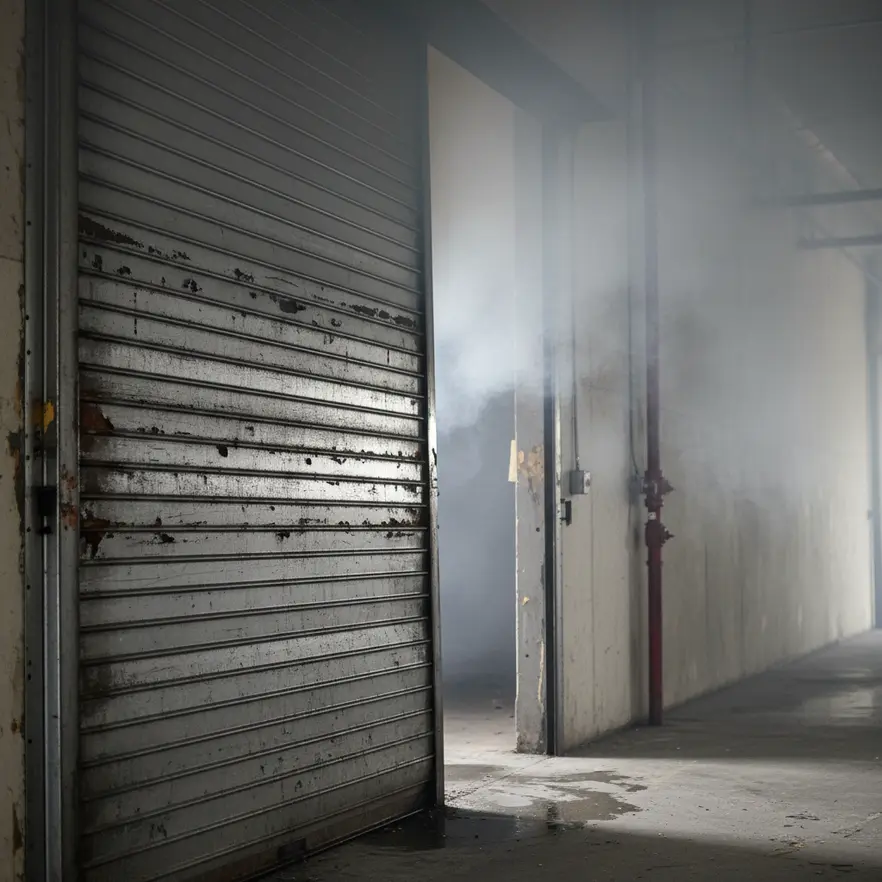
Roll up doors aren’t just about convenience or space-saving. These vertical titans are crucial in guiding how fire and smoke move in a structure. When properly designed and maintained, they can compartmentalize a building, preventing fire from spreading like a viral cat video.
They act as fire barriers, isolating zones and allowing more time for evacuation and firefighter access. Of course, that’s if they perform correctly in the heat of the moment — pun slightly intended.
Now, roll up doors in commercial buildings come in many flavors: steel curtain, insulated, coiling grilles — but only ones rated and installed correctly can meet fire codes and protect your property and people.
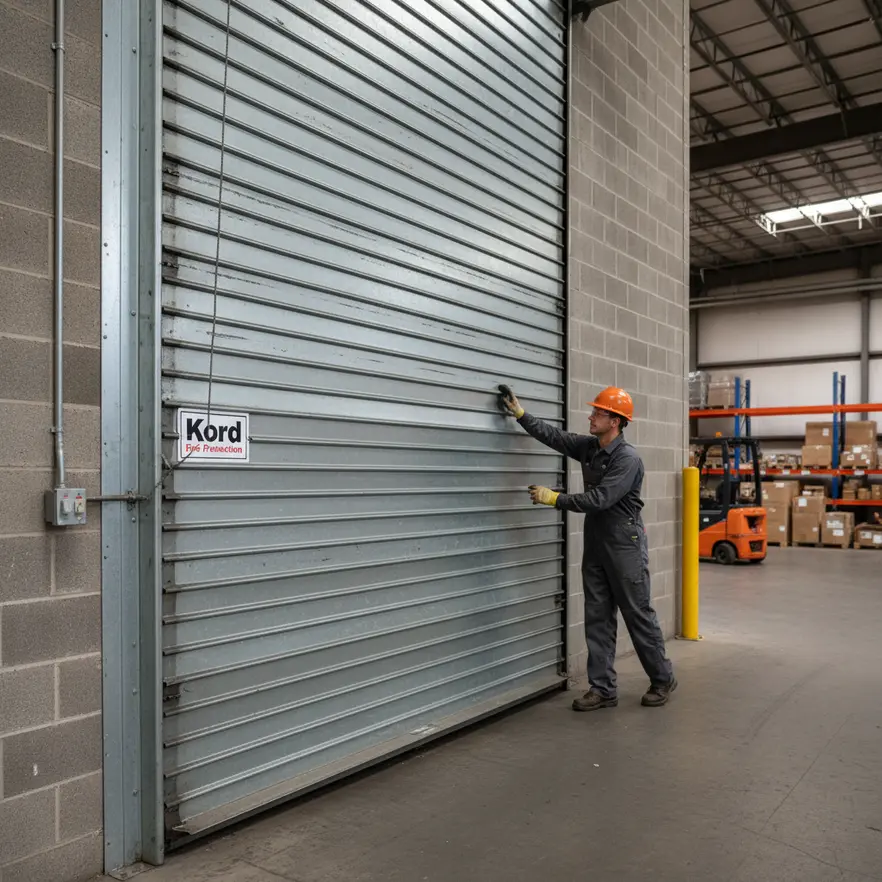
Secrets From the Pros: What Kord Fire Protection Technicians Want You to Know
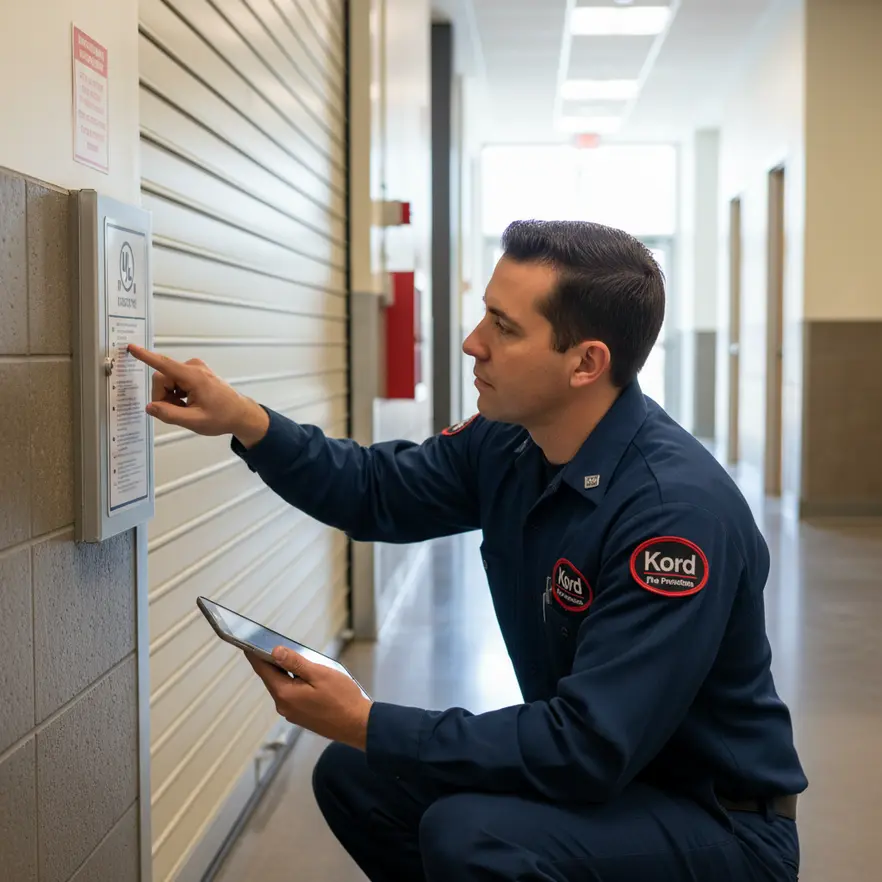
If you’ve ever had the privilege of speaking to a fire protection technician from Kord Fire Protection, then you know two things: 1) They take safety more seriously than Batman takes Gotham, and 2) They know a scary amount about doors.
Here’s what they stressed:
- Certification matters: Fire-rated roll up doors must be UL-certified. If your installer shrugs and says “Eh, close enough,” run.
- Installation is everything: A poorly installed fire door is as helpful as a chocolate teapot. Seriously.
- They should fall — intentionally: In a fire, auto-closing mechanisms should kick in, dropping the door with precision. No Hollywood explosions — just smooth, silent safety deployment.
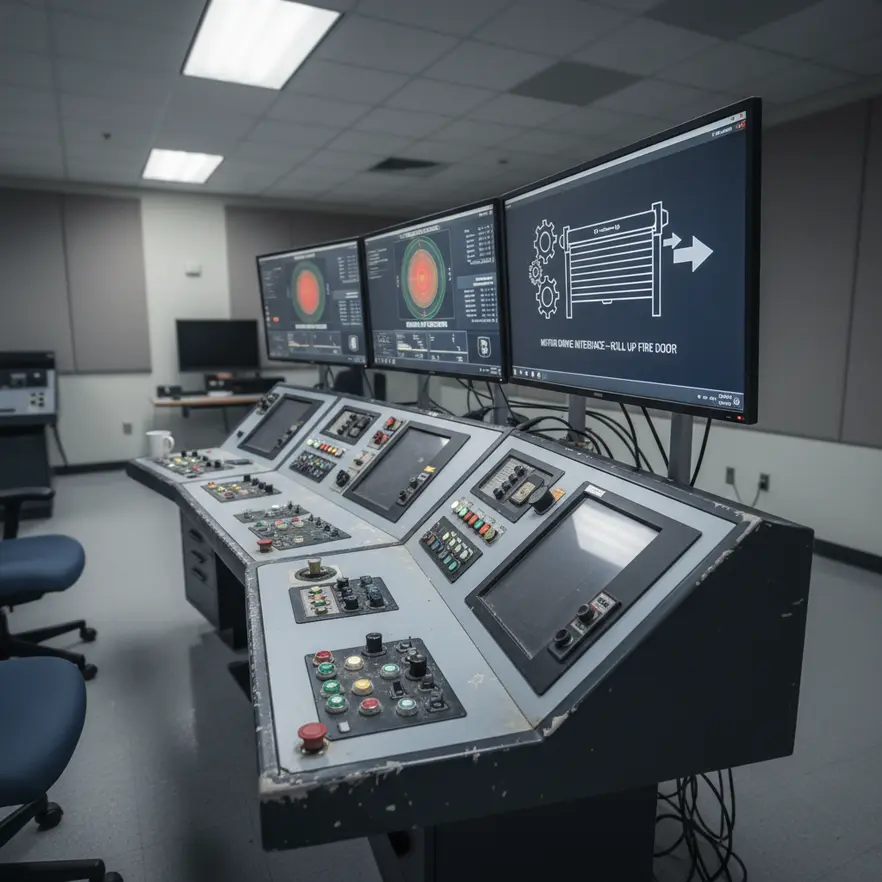
“Too many businesses assume these systems will just work because they’re installed,” says one seasoned Kord technician. “But they only work if you maintain the fire alarm interface, motor drive, and drop mechanism. These aren’t ‘set and forget’ systems.”
Feels like something your printer might say, if it could talk.
All Fired Up but Nowhere to Go: Why Testing is Non-Negotiable
You wouldn’t drive a car without brakes, right? (If you said yes, please stop reading and go lie down.) Yet many building managers assume their roll up fire doors are operational without annual testing. Spoiler alert: That’s a disaster waiting to happen — and not the fun, popcorn-movie kind.
According to industry standards — and yes, those do exist and deserve a little applause — these doors must undergo annual drop testing. That verifies two things:
- The auto-close feature activates when exposed to heat or the fire alarm
- It fully closes without gaps, grooves, or an awkward limbo competition
Don’t ignore testing documents, either. Your local Authority Having Jurisdiction (AHJ) will want to see them. No paperwork? That’s a red flag faster than an unpaid parking ticket on your windshield.
Smart Thermals: Fire Sensors and Intelligent Controls Evolve
Once upon a time, roll up doors used fuses or mechanical triggers. Now, they attend Ivy League smart school. Today’s premium-rated doors can connect to building automation systems, triggering based on environmental inputs like heat, smoke, or even the dreamy voice of Morgan Freeman narrating the fire alarm.
Newer systems include:
Component Integration
- Fire alarm control panel sync
- Sprinkler override system
- Cloud diagnostics
Sensors & Logic
- Digital heat sensors
- Zone-based triggers
- Accessible testing modes
It’s not about gadgetry for the sake of feeling futuristic. It’s about precision. A system that knows the difference between smoky barbecue and fire emergency? That’s a beautiful thing.
Can Fire Codes Be…Fun? Yes. Yes, They Can.
We get it. Fire codes sound about as thrilling as a plain broccoli sandwich. But ignore them, and you might get burned — both literally and financially. Fire codes, including the International Building Code (IBC) and NFPA 80, dictate everything from door material to drop speed.
Some juicy nuggets:
- IBC requires rated doors to sustain fires for 3 hours in certain structures
- Roll up doors must have labels indicating hourly fire ratings
- NFPA 80 outlines everything from repairs to field labeling (yes, labeling is that crucial)
And yes, your inspector will check that label like a TSA agent at the airport. If it’s missing, you might as well be trying to bring a water bottle through security.
Don’t Trust the Dust: Common Maintenance Mistakes to Avoid
Fire-rated doors may be steel-clad titans, but they’re still sensitive to grime, rust, and misalignment. Like a diva at a runway show, they work best when pampered appropriately.
Common mistakes commercial building owners make:
- Assuming routine janitorial work equals fire maintenance (spoiler: It doesn’t)
- Ignoring slow door retraction or uneven closures
- Letting debris accumulate in the guide tracks
The best advice? Sign up for scheduled maintenance plans. Think of it like a subscription box, but instead of scented candles, you get peace of mind — and doors that don’t fail the moment you need them most.
If you’re unsure what counts as “wear and tear,” trust the folks at Kord Fire Protection. They’ve seen it all — from melted cables to raccoon nests in the ceiling tracks. Yes, really.
When Industrial Aesthetics Meet Building Safety
Let’s take a moment to appreciate form and function. Fire-rated roll up doors today aren’t just bulletproof barriers against disaster — some of them look like they belong in a modern art museum. Combine that industrial chic vibe with rigorous fire ratings, and suddenly safety isn’t just practical but also stylish.
This is especially true with facilities that need both visibility and control, like food courts or airport terminals. Some doors offer louvered or perforated grills that maintain airflow while still delivering on the fire resistance front.
So next time someone tells you fire doors are “ugly,” just show them a roll up model that looks like the Batcave’s garage entrance. Boom. Fashion meets flames.
Training Day: What Your Staff Needs to Know
No matter how sophisticated your roll up door system is, it’s only as useful as the people managing it. Training isn’t an optional bonus — it’s a requirement.
At Kord Fire Protection, technician-led demos are standard issue. Your staff doesn’t need an engineering degree, just a well-rehearsed understanding of:
- Who to call if the system malfunctions
- How to manually override or reset, if needed
- How to identify early warning signs of failure
Keep logs, review them regularly, run drills, and for the love of fire codes — never prop the door open with a chair. That’s not MacGyver-ing your way through safety; that’s inviting disaster over for brunch.
What Happens If You Ignore This? Spoiler: It Gets Expensive
Beyond the obvious threats to life and property, failing to maintain your fire-rated roll up doors can lead to:
- Fines from your AHJ
- Insurance claim denials
- Full building code violations
- Forced shutdowns
And let’s not forget the PR fiasco of “Local Business Skirts Fire Code, Endangers Public.” Not a great look. Compliance isn’t just about avoiding the adult version of detention — it’s about protecting your team and investment. Simple as that.
FAQs: Quick Answers for Busy People
- What is a fire-rated roll up door?
A fire-rated roll up door is designed to contain fire and smoke by closing automatically when triggered by a fire event. - How often do these doors need to be tested?
At least once per year, per NFPA 80 and local codes. - Does every roll up door in a commercial building need to be fire-rated?
No, only those located in required fire partitions or along specified exit paths. - What triggers a fire-rated roll up door to close?
Heat sensors, smoke detectors, or connection to the building alarm system. - Can I manually reset a dropped fire door?
Yes, but only trained personnel should do so to avoid malfunction.
Time to Close the Door on Doubt
Fire safety and roll up doors? It’s not exactly the stuff blockbuster hits are made of — but in the real world, it’s life-saving and legally required. If you’re managing a commercial building, now’s the moment to invest in fully rated, professionally maintained roll up doors. Partner with engineers and techs who treat safety like sacred duty. Call Kord Fire Protection and discover what peace of mind really sounds like.
Don’t wait for smoke to trigger action. Your doors may just be the heroes your building needs.
Know Your Weapon Before You Fight the Flame
Kord Fire Protection is your go-to when it comes to all things fire protection. For over 20 years, we’ve been serving Southern California with the quality service and equipment to keep your home or business safe at all times. Our competitive prices reflect our unwavering commitment to protecting what matters most in the event of a fire emergency. Give us a call, send an email, or use that form!

Join Our Newsletter!
Get the latest fire safety tips delivered straight to your inbox From our Newsletter.