
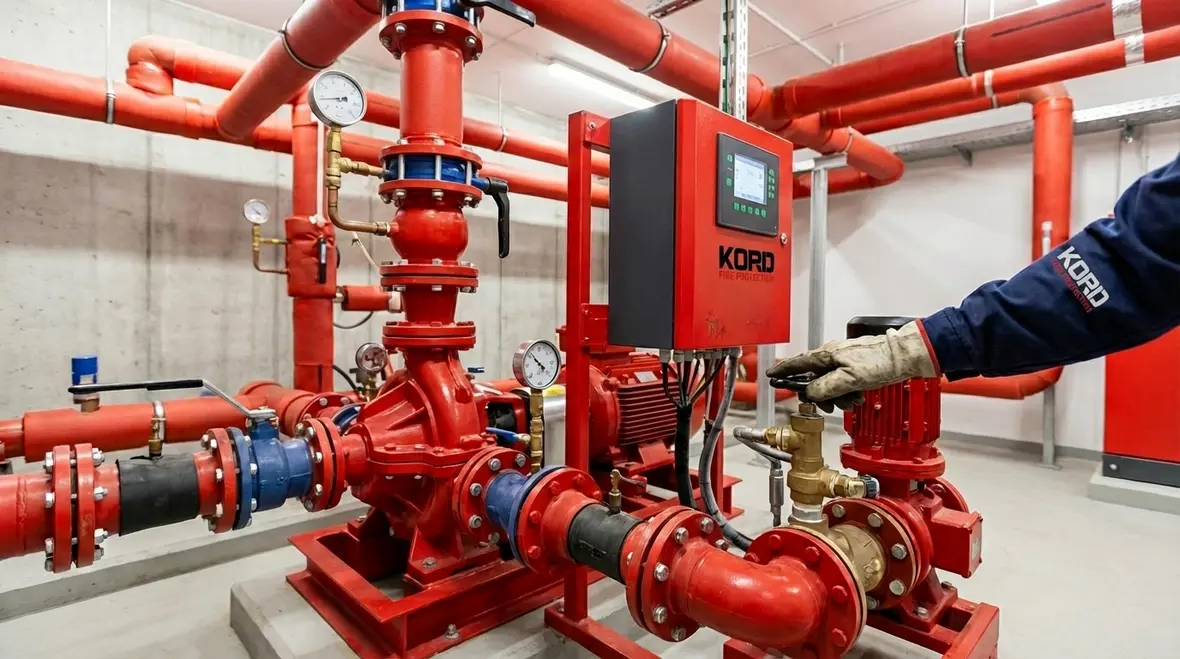
Fire Pump Start Sequence and Operating Settings
Fire Pump Start Up and Operating Setting Overview
In facilities across Southern California, from high rise hotels to wide spread logistics centers, the fire pump is the silent bodyguard waiting for the alarm bell. Whether discussing a fire pump start sequence Palm Springs property managers rely on, or fine tuning pump setting adjustments Los Angeles facilities require for code compliance, the goal remains the same. Deliver water, fast and with force. In the field, Kord Fire Protection technicians often explain that a fire pump does not get a second chance. When it starts, it must perform flawlessly. Therefore, understanding start up procedures and operating settings is not just helpful. It is essential.
What follows is a clear and practical guide to how fire pumps start, how they are set, and why proper adjustment matters. Along the way, expect a few light moments. After all, even serious equipment deserves a little personality.
The Role of a Fire Pump in a Modern Building
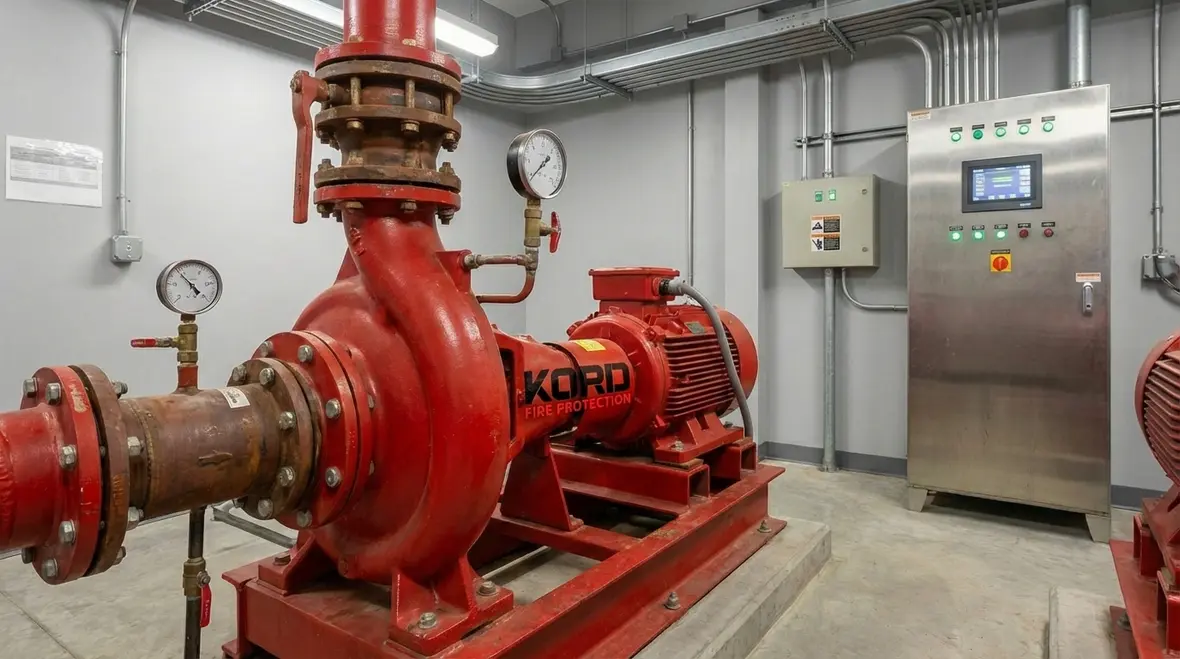
A fire pump exists to solve one simple problem. When municipal water pressure drops below what a sprinkler or standpipe system needs, the pump boosts it. Instantly. Without drama. Ideally without smoke, sparks, or a soundtrack from an action movie.
However, the pump is not always running. In fact, it waits in standby mode. It monitors system pressure through sensing lines connected to the fire protection piping. Once pressure falls below a preset threshold, the controller initiates the start sequence. Consequently, water flow increases and the system maintains design pressure.
Kord Fire Protection technicians often remind facility managers that a fire pump is part of a larger ecosystem. It works alongside:
- Water supply lines
- Backflow prevention assemblies
- Fire pump controllers
- Jockey pumps
- Pressure relief valves
Because these components interact, proper start up and operating settings demand a full system view. Adjusting one value without understanding the rest can lead to nuisance starts or worse, insufficient pressure during a real emergency.
For a deeper dive into how codes shape this ecosystem, many facility teams also review guidance on NFPA 20 fire pump design and installation, as well as ongoing testing expectations from NFPA 25. Articles such as Kord Fire Protection’s overview of NFPA 20 fire pump systems and their guide to fire pump testing requirements help connect daily operation back to code intent.
How Does a Fire Pump Start Sequence Work?
When someone asks this question, they usually expect a dramatic answer. In truth, the process is methodical and precise.
First, the jockey pump maintains system pressure during minor fluctuations. For example, a small leak or temperature change may cause slight pressure loss. The jockey pump handles this quietly. However, if pressure continues to drop and crosses the fire pump start threshold, the controller activates the main pump.
The start sequence typically follows this order:
- Pressure sensing device detects low pressure.
- Signal transmits to the fire pump controller.
- Controller initiates motor start or engine crank.
- Pump accelerates to rated speed.
- System pressure rises to required operating level.
In a fire pump start sequence Palm Springs hotels depend on, for instance, technicians must confirm that heat, dust, and seasonal demand changes do not affect the sensing lines or controller calibration. Therefore, environmental conditions always play a role in start performance.
Moreover, diesel driven pumps introduce additional steps. The controller checks battery voltage, fuel level, and engine status before and during cranking. If the engine fails to start on the first attempt, it automatically retries. It is persistent, but thankfully not stubborn.
Kord Fire Protection technicians often demonstrate this sequence during annual tests. They walk building engineers through each phase, explaining not only what happens, but why it matters. That knowledge builds confidence and reduces panic during inspections.
Key Components That Influence Operating Settings
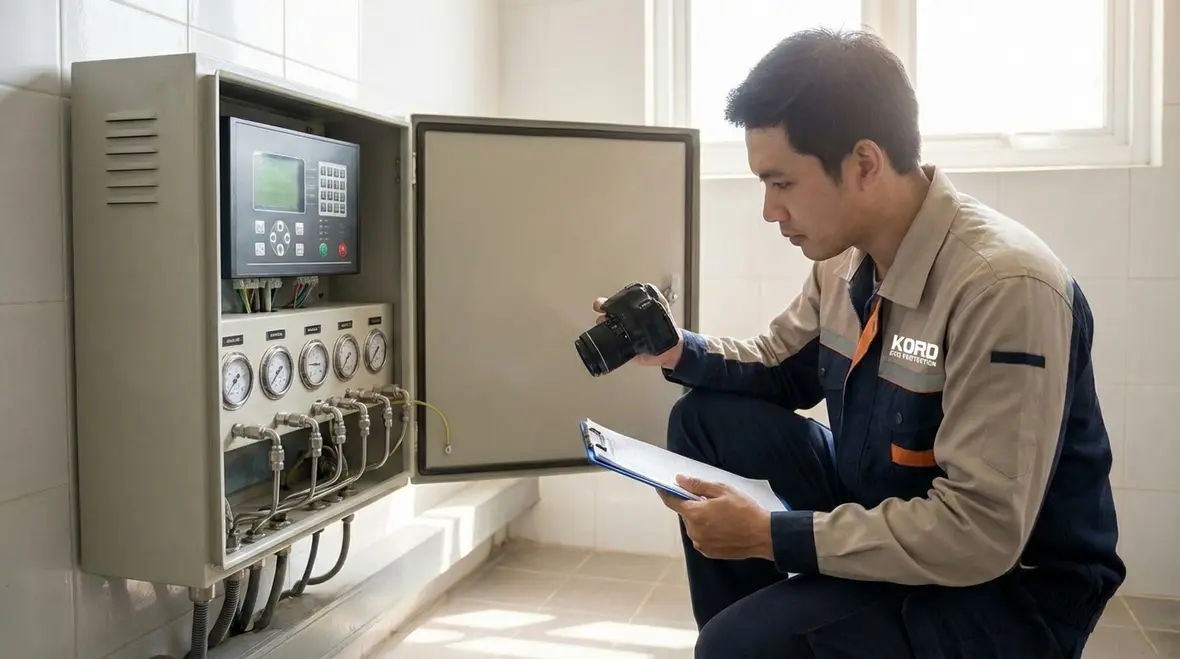
Operating settings are not random numbers selected on a quiet afternoon. They reflect hydraulic calculations, building height, hazard classification, and local code requirements.
Several components directly affect those settings.
Pressure Sensing Lines
These small diameter lines transmit system pressure to the controller. If clogged or improperly installed, they provide false readings. Consequently, the pump may start too late or too often.
Controller Start and Stop Points
The controller contains adjustable pressure set points. The start point must sit below normal system pressure yet high enough to avoid excessive water loss before activation.
Jockey Pump Settings
The jockey pump start and stop pressures must remain above the main pump start pressure. Otherwise, both pumps may compete. And in the world of fire protection, competition is not healthy.
Relief Valves and Pressure Regulating Devices
These components protect the system from over pressure once the pump reaches full speed. In tall buildings, improper settings can cause dangerously high pressures at lower floors.
Because each component influences the others, technicians approach adjustments with caution. As Kord Fire Protection technicians explain, a fire pump system is less like a light switch and more like an orchestra. Every instrument must tune correctly before the music begins.
Routine inspections and testing, such as those outlined in Kord Fire Protection’s guide to routine fire pump inspections, help verify that each of these elements keeps doing its job between major adjustments.
Dual Column Overview of Start Up and Setting Considerations
Start Up Focus
- Verify power supply or fuel source
- Inspect suction and discharge valves
- Check controller alarms and indicators
- Confirm rotation direction
- Perform no flow churn test
Operating Setting Focus
- Confirm rated pump speed and pressure
- Adjust start pressure below normal static pressure
- Coordinate jockey pump cut in and cut out points
- Set relief valves to prevent over pressure
- Validate pressure at remote test header
This side by side comparison highlights an important truth. Start up ensures the pump can run. Operating settings ensure it runs correctly.
Regional Factors in Palm Springs and Los Angeles
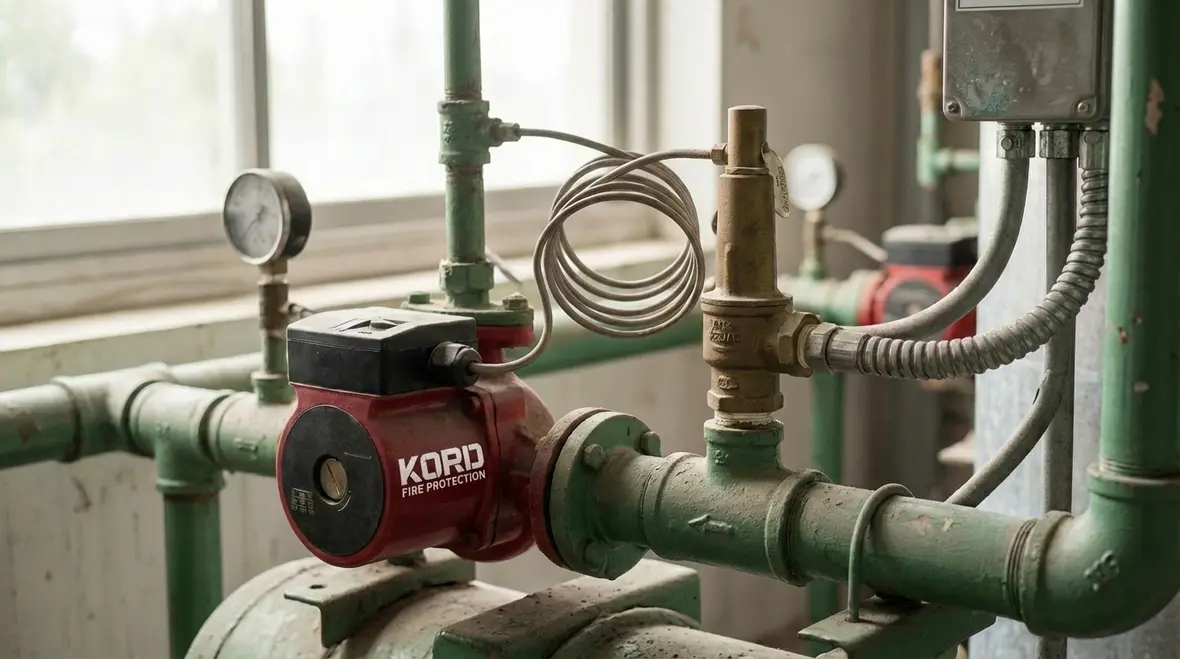
Southern California presents unique challenges. Heat, seismic activity, and varied municipal water pressures demand careful calibration.
In desert climates, a fire pump start sequence Palm Springs facilities test during summer months must account for higher ambient temperatures. Heat can affect diesel engine cooling and electrical component performance. Therefore, technicians check ventilation, radiator condition, and battery strength with extra care.
Meanwhile, pump setting adjustments Los Angeles facilities require often relate to vertical construction. High rise buildings need precise pressure zoning. Too little pressure at upper floors compromises sprinkler discharge. Too much pressure at lower floors risks pipe damage.
Kord Fire Protection technicians evaluate each property based on height, occupancy, and water supply data. They do not rely on guesswork. Instead, they review hydraulic calculations, compare them with field readings, and adjust settings accordingly.
Additionally, seismic bracing and flexible couplings matter in this region. A properly set pump means little if piping shifts during an earthquake. Thus, inspections consider structural support alongside mechanical performance.
Step by Step Fire Pump Start Up Procedure
Pre Start Inspection
Technicians first inspect the pump room. They verify that suction and discharge valves are fully open. They confirm adequate water supply. For diesel units, they check fuel levels, oil condition, and coolant levels. For electric units, they verify breaker position and voltage readings.
Moreover, they ensure that no alarm conditions appear on the controller. A flashing warning light is not a decorative feature. It is a conversation starter.
Controller Preparation
Next, they place the controller in automatic mode. This allows pressure drop to initiate the start. During acceptance or annual testing, technicians may simulate a pressure drop by opening a test header valve.
Initiating the Start
As water flows from the test header, system pressure falls. Once it reaches the programmed start point, the controller activates the pump. Technicians observe acceleration time, listen for unusual noise, and monitor discharge pressure.
Churn and Flow Testing
At churn, meaning no flow beyond the pump, technicians record pressure and speed. They then conduct a flow test at 100 percent and sometimes 150 percent of rated capacity. These readings confirm that the pump meets its performance curve.
Return to Service
After testing, they close test valves slowly, allowing pressure to stabilize. They confirm the pump remains in automatic mode and document all readings. Documentation, while not glamorous, keeps inspectors happy and insurance carriers calm.

Fine Tuning Pump Setting Adjustments in Large Facilities
Large campuses and high rise structures demand precision. Small changes in start pressure can produce significant differences in system behavior.
When performing pump setting adjustments Los Angeles facilities managers request, technicians analyze several data points:
- Static water pressure
- Residual pressure during flow
- Building height in feet
- Required sprinkler density
- Standpipe hose valve requirements
They then compare these values to the pump curve provided by the manufacturer. If start pressure sits too close to normal static pressure, the pump may cycle frequently. Consequently, wear increases and maintenance costs rise.
On the other hand, if start pressure is too low, significant water may discharge before activation. In a real fire, seconds matter. Therefore, technicians adjust settings in small increments and retest until they achieve stable and code compliant performance.
Kord Fire Protection technicians often explain this process to facility teams in plain language. They translate hydraulic math into practical impact. For example, they might say, If this setting stays here, your pump will wake up every time someone sneezes near a sprinkler head. Humor aside, clarity builds trust.
Common Mistakes and How Professionals Prevent Them
Improper Coordination Between Jockey and Main Pump
If the jockey pump stop pressure overlaps the main pump start pressure, both units may run unnecessarily. Technicians prevent this by maintaining a clear pressure gap.
Ignoring Sensing Line Maintenance
Blocked or air filled sensing lines create delayed starts. Therefore, technicians flush and inspect these lines during service visits.
Skipping Annual Flow Testing
Some assume that if the pump starts, it performs. That assumption can prove costly. Flow testing verifies output against design expectations and supports compliance with standards like NFPA 25, as outlined in Kord Fire’s article on fire pump testing requirements.
Overlooking Controller Updates
Modern controllers may include software updates or calibration checks. Keeping firmware current improves reliability and diagnostic capability.
Because fire protection involves life safety, professionals avoid shortcuts. They follow national standards and local amendments closely. In California, that often means aligning with state fire code and local authority requirements, including specialized programs such as Los Angeles Regulation 4 testing for pumps, sprinklers, and standpipes.
Why Professional Guidance Matters
While online guides provide helpful background, real world systems present variables that diagrams cannot capture. Pipe friction loss, municipal supply fluctuations, and occupancy changes all influence performance.
Kord Fire Protection technicians bring field experience to each inspection. They observe subtle clues, such as vibration patterns or delayed pressure recovery, that signal deeper issues. Moreover, they communicate findings clearly to owners and facility managers.
In both desert resorts and urban towers, a well tuned fire pump provides peace of mind. It stands ready, quiet yet capable. And when called upon, it performs without hesitation.
Frequently Asked Questions
Conclusion and Next Steps
A properly executed start up and carefully calibrated operating setting transform a fire pump from heavy machinery into a dependable guardian. From managing a fire pump start sequence Palm Springs properties depend on to refining pump setting adjustments Los Angeles facilities require, expertise makes the difference. Kord Fire Protection technicians stand ready to inspect, test, and fine tune every component. Schedule a professional evaluation today and ensure the system will answer the call when it matters most.
For owners and managers who want a broader maintenance roadmap, pairing this guidance with resources like Kord Fire Protection’s fire pump testing requirements article or their overview of routine fire pump inspections can clarify when to schedule testing and how to plan budgets.
If your property in Los Angeles, Palm Springs, or elsewhere in Southern California is due for an evaluation, explore Kord Fire Protection’s dedicated testing and inspection services. Their fire pump and sprinkler testing teams can combine NFPA 25, local code, and Regulation 4 requirements into one coordinated visit so your system is compliant, documented, and genuinely ready to perform.
Request fire pump testing and adjustment services today and turn your fire pump room into one less thing to worry about on your next inspection report.
Know Your Weapon Before You Fight the Flame
Kord Fire Protection is your go-to when it comes to all things fire protection. For over 20 years, we’ve been serving Southern California with the quality service and equipment to keep your home or business safe at all times. Our competitive prices reflect our unwavering commitment to protecting what matters most in the event of a fire emergency. Give us a call, send an email, or use that form!

Join Our Newsletter!
Get the latest fire safety tips delivered straight to your inbox From our Newsletter.


