Fire Pump Room Ventilation for Reliable Fire Protection
Quick Answer: Ventilation in a fire pump room keeps equipment within safe temperature and humidity limits, improves air quality around diesel or electric controls, and reduces condensation that can harm wiring and controllers. When properly designed, fire pump room ventilation supports reliable pump performance during emergencies and routine operations.
In an industrial site, the fire pump room is not the place for guesswork. It is a controlled space where heat, moisture, and fumes can quietly build up until they cause failure when it matters most. That is why fire pump room ventilation belongs in the plan from day one, not as an afterthought. It helps manage temperature swings, clears heat generated by pumps and motors, and protects control panels from damp conditions.
Now, let us be honest. People often treat ventilation like it is optional, the way someone treats a smoke alarm battery: “I will deal with it later.” But fire pumps do not run on optimism. They run on engineering. And that is where Kord Fire Protection can become a vital partner, helping teams coordinate ventilation decisions with broader full fire protection services and integrated system planning. For properties reviewing detection upgrades alongside pump room conditions, it also makes sense to understand commercial and residential fire alarm installation as part of the wider protection strategy.
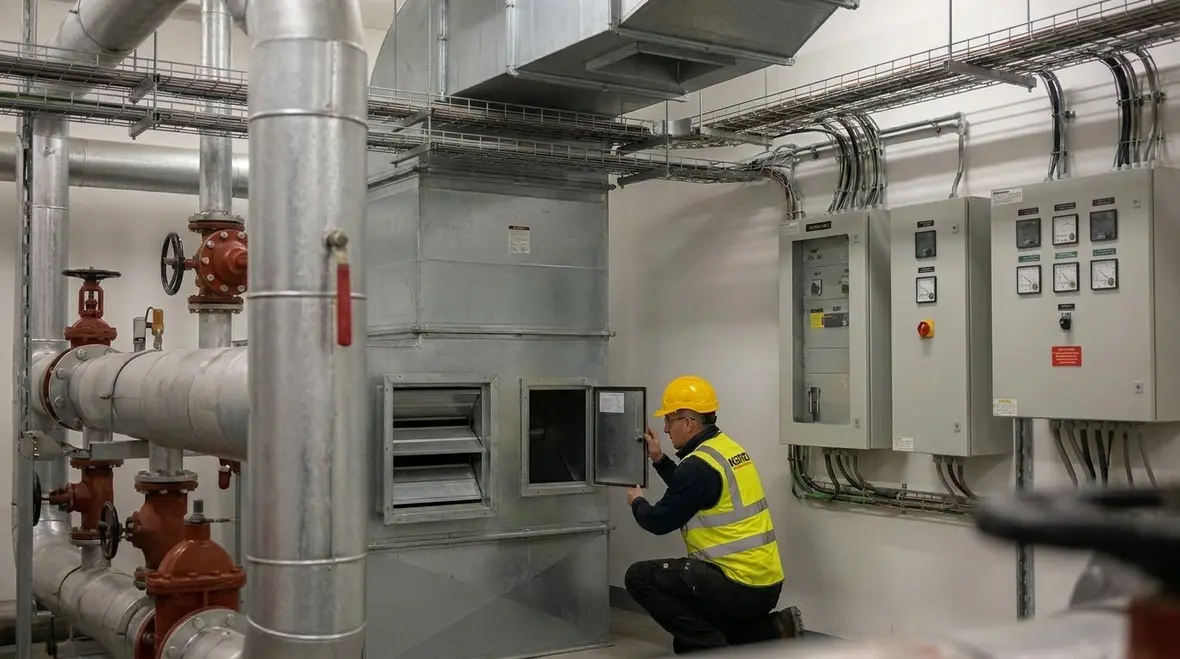
1) How ventilation protects performance during real emergencies
When an alarm triggers, the fire pump room becomes mission critical. Therefore, the space must support stable operating conditions. Without proper airflow, heat can accumulate around pump motors, controllers, and electrical cabinets. As temperatures rise, components can age faster and insulation can degrade. In turn, the pump may still start, but it may not deliver consistent performance.
Additionally, ventilation supports safe operation of diesel-driven pump systems where fuel vapours and exhaust gases require controlled management. Even electric pump rooms can develop problems if warm air has nowhere to go. Consequently, ventilation reduces thermal stress and helps keep control electronics within design limits.
Why this matters when seconds count
Emergency reliability is not built in the middle of the emergency. It is built long before, in the quiet design choices nobody celebrates until they save the day. Airflow is one of those choices. A pump room that stays within acceptable operating conditions is more likely to support stable starts, dependable controller behavior, and predictable motor operation when the building suddenly demands maximum performance.
This is also why Kord Fire Protection’s related guidance on fire pump room clearance and ventilation fits naturally into the discussion. Clearance and airflow are teammates, not distant cousins who only show up at code meetings.
2) What goes wrong when a fire pump room gets stuck in “stagnant mode”
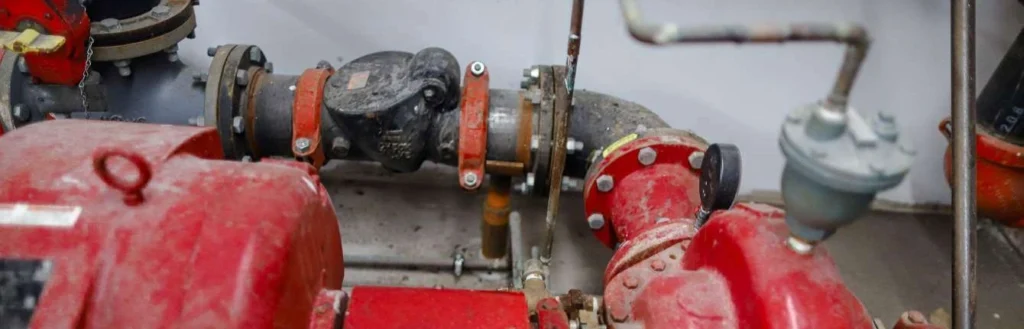
Facilities teams know that the smallest issues can become big ones. When air movement is poor, moisture can condense on cold surfaces such as pipework, cable trays, and panel enclosures. Over time, condensation can lead to corrosion, tracking, and nuisance faults. Then the system looks healthy during normal checks, yet it behaves differently under load.
Also, improper airflow patterns can create hot spots. For example, air might short-circuit directly from intake to exhaust without actually removing heat from equipment. As a result, ventilation might exist on paper, but it still fails to protect components in practice.
And just to keep things light, stagnant air is like a bad playlist. It feels fine at first, then suddenly it gets louder and more annoying. In a fire pump room, that “annoying” turns into unreliable operation.
3) Which ventilation elements matter most for pump rooms
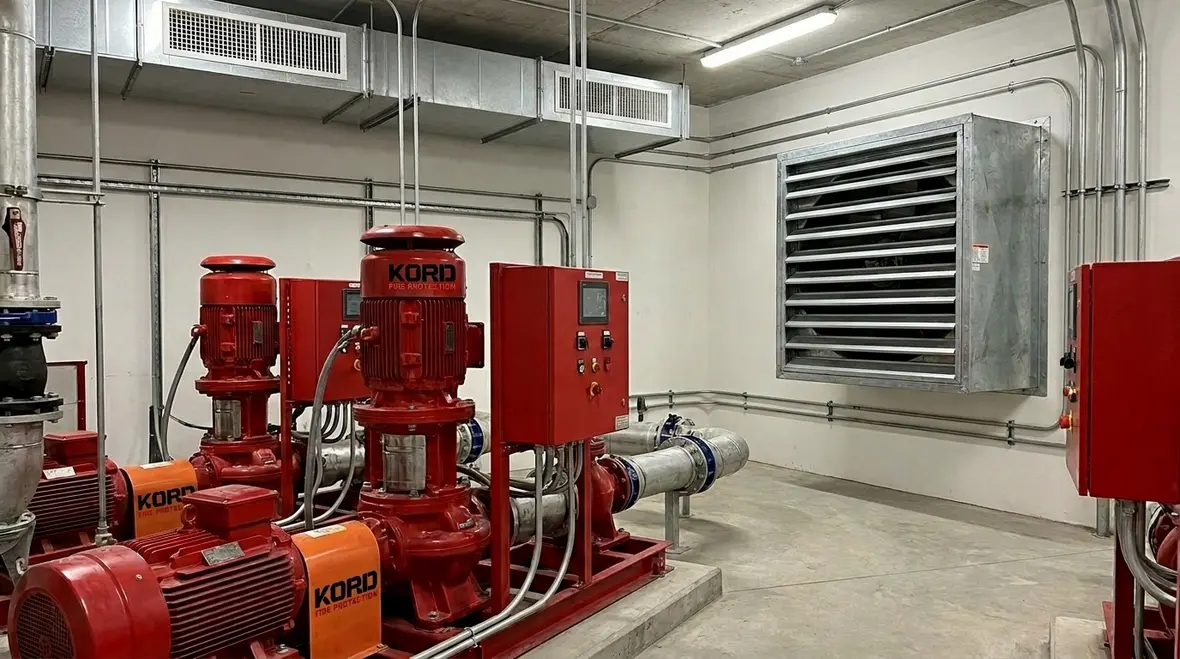
A well designed approach does not rely on one simple vent. Instead, it uses the right combination and placement so air moves where it should. Key elements typically include supply and exhaust paths, duct sizing, louvers or grilles, and pressure control where needed.
First, intake airflow should support steady removal of heat from the pump area. Next, exhaust should carry hot air out without creating recirculation. In many setups, duct routing and fan selection decide whether the ventilation system can overcome resistance from filters, grilles, or long runs.
Then there is the question of separation. Control cabinets should avoid being blasted with overly turbulent air that can disturb internal cooling designs. At the same time, stale air should not be allowed to pool behind pipe racks or above motor housings.
Ventilation design also considers access for maintenance. Technicians need safe working conditions for inspections, tests, and filter servicing. Therefore, the ventilation plan should support routine checks without requiring awkward workarounds that lead to skipped tasks.
Core pieces that do the heavy lifting
- Supply air openings positioned to feed the room instead of bypassing it
- Exhaust paths that remove accumulated heat from the hottest zones
- Fans selected for actual resistance, not imaginary best-case airflow
- Louvers, grilles, and ductwork sized to avoid unnecessary restriction
- Service access that allows maintenance without circus-level contortions
4) How ventilation interacts with sensors, alarms, and maintenance schedules
Ventilation should not live in its own bubble. Fire pump room ventilation ties into how the room is monitored and how staff maintain it. For instance, spaces often use temperature or humidity monitoring, and those readings influence control logic and alarm thresholds. If ventilation is wrong, sensor data becomes noisy or misleading.
Additionally, maintenance schedules depend on predictable airflow. If filters clog or dampers stick due to poor design, technicians will notice problems only after performance drops. Then the facility ends up in a reactive cycle: service calls instead of planned maintenance.
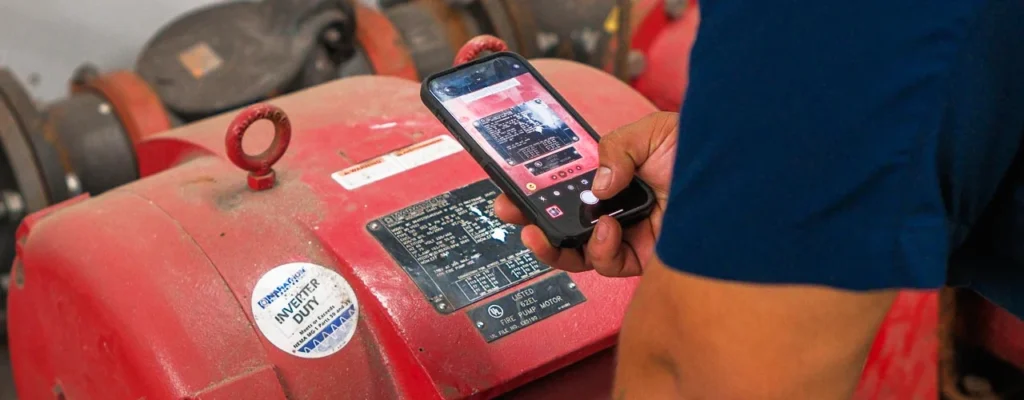
When ventilation is set correctly, inspections become smoother. Teams can document performance, verify damper positions, check fan operation, and confirm that airflow pathways remain clear. That is where Kord Fire Protection can help, because ventilation choices should align with the wider fire protection intent and commissioning approach. A vital partner does not just install hardware; it ensures the full system works as one.
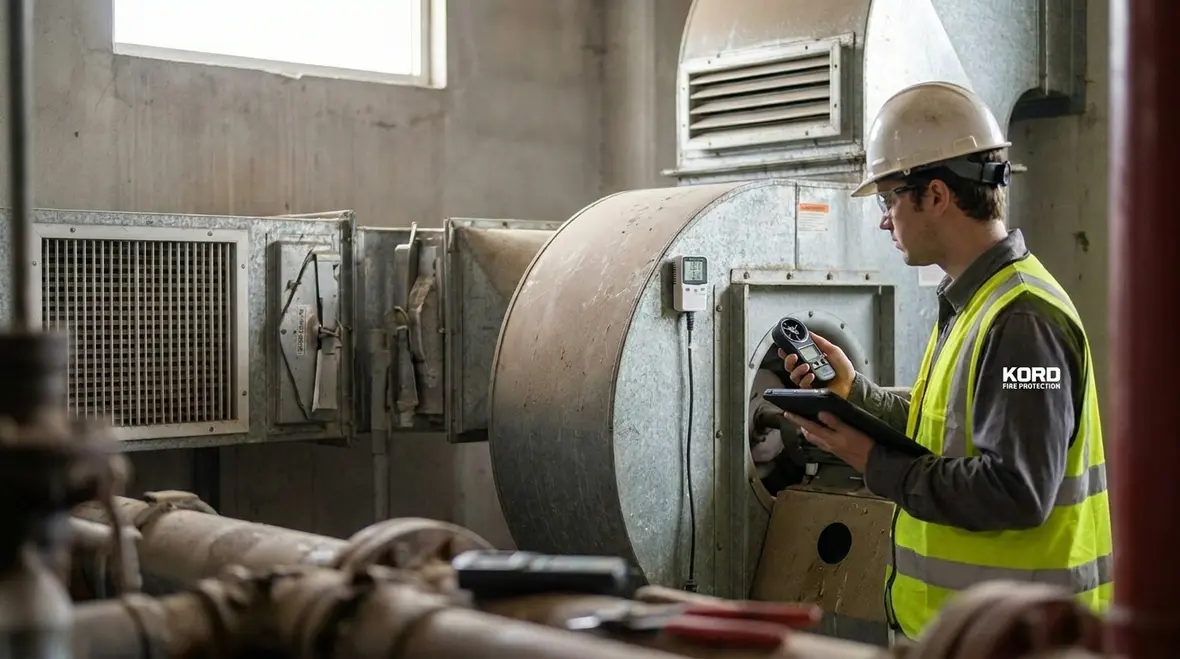
5) Designing for Australia climates across industrial, retail, and commercial sites
Australia does not deliver one universal climate. Therefore, a fire pump room ventilation strategy must handle heat in summer, cold or condensation risk in other regions, and dust exposure in industrial areas. Humidity and temperature patterns can change seasonally, so ventilation should keep equipment within target ranges across conditions.
In some facilities, air might also carry dust and pollutants from adjacent processes. That means intake locations and protective design matter. Filters, grilles, and duct cleanliness influence long term airflow and fan loads.
Then there is the building envelope. If a pump room sits in a plant with pressure variations, ventilation can become unpredictable. In those situations, proper pressure balancing helps avoid pulling in unconditioned air that causes moisture or contaminants to enter.
For industrial, retail, and commercial facilities, this becomes even more important because operations continue around the clock. A ventilation plan that supports stable conditions reduces downtime and supports consistent commissioning results for the fire system.
Climate planning is not one-size-fits-all
The room may be small, but the environmental variables are not. Summer heat, cool overnight temperatures, airborne debris, surrounding process conditions, and operating schedules all affect how ventilation behaves in the real world. If the design assumes perfect conditions, the room will eventually offer a very expensive reality check.
6) Commissioning and compliance: where good intentions meet reality
After design and installation, commissioning decides whether the system performs as intended. At this stage, teams verify airflow rates, damper response, fan performance, and temperature impacts around equipment. They also check that ventilation does not create interference with fire detection, suppression, or electrical safety measures.
Ventilation commissioning should include practical tests, not just readings. Technicians confirm that air actually reaches the equipment zones. They verify that exhaust removes heat effectively and that supply air does not create recirculation loops.
Because fire protection projects often involve multiple trades, coordination matters. Kord Fire Protection can function as a vital partner by aligning ventilation commissioning with the broader fire protection system workflow. That reduces the risk of “component installed, system not proven” scenarios, which is the kind of drama facilities do not need. In the real world, the goal is straightforward: reliable operation and clear documentation.
7) A practical checklist for facilities planning
Facilities managers often need a short, usable plan. Here is a practical checklist they can bring into design reviews and site assessments.
- Confirm pump room heat load assumptions for motors, pump duty, and any heat sources
- Identify condensation risk areas on pipework, control enclosures, and cable routes
- Review ventilation airflow paths to prevent recirculation and hot spots
- Verify duct and grille sizing so airflow stays within design targets
- Check fan selection for duty, noise, and maintenance access
- Plan filter and damper maintenance with clear access routes
- Coordinate with monitoring so temperature and airflow measurements remain reliable
- Commission and document performance with equipment zone verification
If teams treat this checklist as a living document, fire pump room ventilation becomes a system strength rather than a future problem. It is easier to solve airflow issues during planning than to discover them later during testing, troubleshooting, or the least convenient emergency imaginable.
FAQ
Conclusion
Good fire pump room ventilation is a reliability tool, not a cosmetic upgrade. It reduces condensation, manages heat, and supports stable control performance across changing Australian conditions. When facilities coordinate ventilation with the broader fire protection system, they cut risk and improve commissioning outcomes.
If your site needs a dependable, compliant approach, reach out to Kord Fire Protection for a coordinated plan and practical support from assessment to commissioning. The best time to take pump room ventilation seriously is before the room decides to teach the lesson itself.

Join Our Newsletter!
Get the latest fire safety tips delivered straight to your inbox From our Newsletter.