Proactive Sprinkler System Pressure Maintenance in Australia
Quick Answer: Proactive pressure management keeps commercial sprinkler systems within the right range so heads activate reliably, water flows when it matters, and inspections stay smoother. It includes monitoring, testing, and tuning pumps, valves, tanks, and controllers before problems appear. Kord Fire Protection can support this work as a vital partner.
For facilities that want connected support across sprinklers, alarms, and compliance planning, it also helps to align this work with broader fire sprinkler system service so pressure checks do not live in a lonely little paperwork silo. When a building depends on consistent protection, coordinated service tends to beat crossed fingers every time. ([kordfire.com](https://kordfire.com/commercial-sprinkler-system-longevity-with-proper-maintenance/?utm_source=openai))
Proactive sprinkler system pressure maintenance that prevents downtime
In commercial buildings across Australia, sprinkler system pressure maintenance is not a “set it and forget it” task. It begins with planning and continues with careful monitoring, so pressure stays within design limits. When pressure drifts low, water delivery can slow down. When it drifts high, wear and leaks can rise. Either way, the system pays the price.
That is where proactive pressure management earns its keep. Instead of waiting for a trouble ticket, facilities teams detect changes early, then act. And yes, nothing kills a workday like a last minute callout during peak trading hours. Proactive work reduces that chaos.
How pressure affects sprinkler performance in real buildings
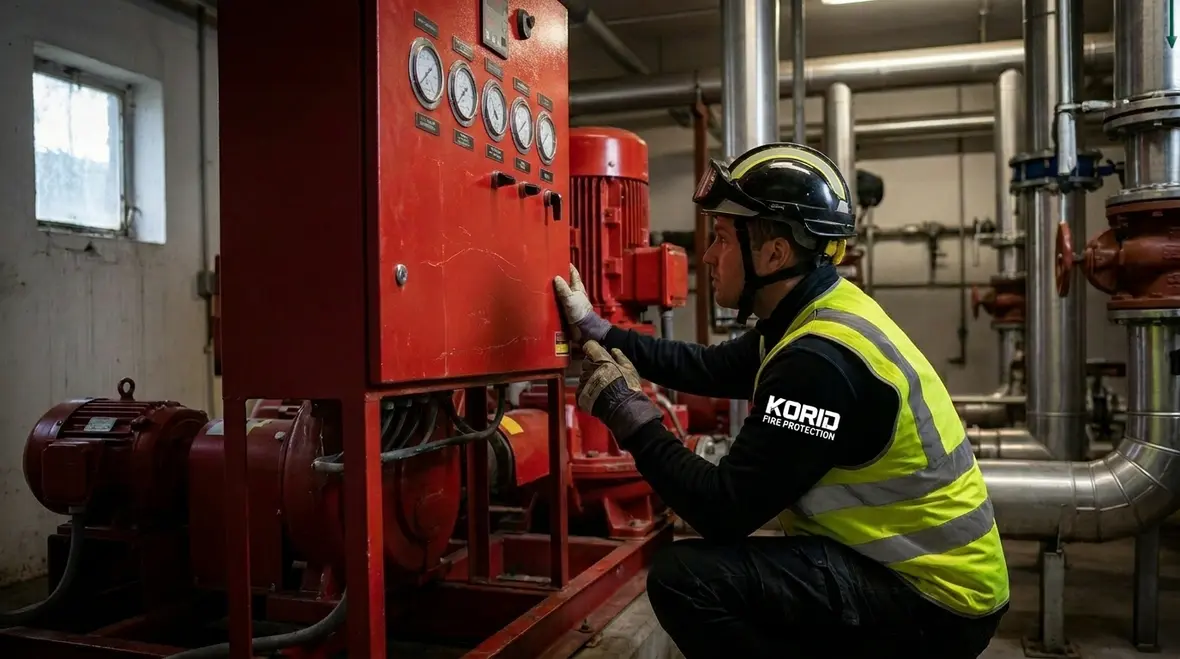
Fire sprinkler systems rely on precise conditions at the moment heat activates the sprinkler. Pressure influences three critical things. First, it affects flow rate through pipework and sprinklers. Second, it shapes how water moves through standpipes, risers, and branch lines. Third, it impacts the stability of the system as multiple sprinklers operate under demand.
In practical terms, facilities can expect higher losses when pipe sizes change, fittings age, or scaling develops. Meanwhile, pump performance can shift as wear builds up, filters clog, or control logic changes after commissioning upgrades. Consequently, pressure can move without anyone noticing, until a test reveals a surprise.
To manage this, professionals treat pressure like a live indicator. They verify it against the system design, confirm it during credible flow conditions, and keep it aligned across different zones and modes of operation. Kord Fire Protection’s recent guidance makes the same point plainly: sprinklers depend on both pressure and flow, and reliable service means checking supply, pump condition, and pressure levels under real operational demand rather than assuming yesterday’s reading still tells today’s story. ([kordfire.com](https://kordfire.com/automatic-sprinkler-system-reliability-maintenance-best-practices/?utm_source=openai))
Pressure is not just a number on a gauge
It is a running snapshot of how the entire hydraulic network is behaving. A stable gauge can support confidence, but only when the reading comes from healthy instrumentation, known operating conditions, and a system that has not quietly changed behind the walls. That is why trend data matters so much. One isolated reading can be polite. A pattern tells the truth.
Pressure problems usually start long before the alarms
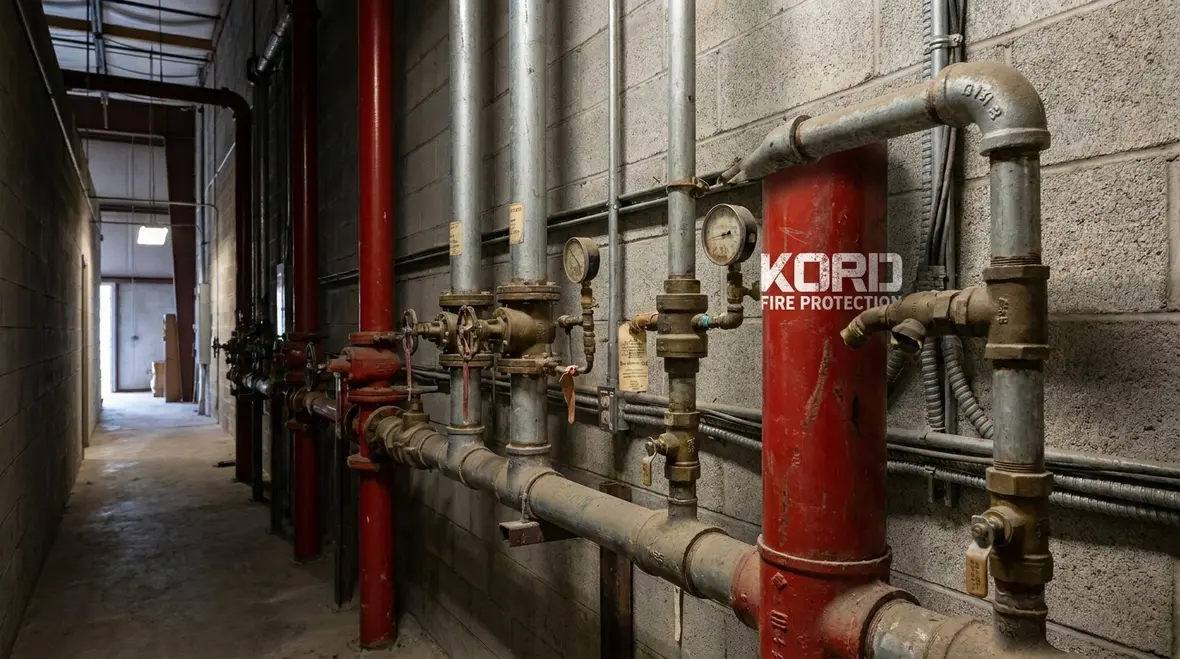
Most pressure issues do not arrive wearing a trench coat and a dramatic soundtrack. They show up quietly. Over time, system components experience normal wear. Additionally, construction changes can subtly alter hydraulics, even if drawings look unchanged.
Common triggers include the following:
- Partially closed valves, often caused by routine maintenance or contractor work
- Air trapped in lines, which can reduce effective water delivery
- Water supply fluctuations from municipal mains or on site tank operations
- Corroded pipe sections that increase friction losses
- Pump controllers that drift out of calibration after power events
- Reduced water supply availability due to ongoing site processes
When these factors combine, sprinkler system pressure maintenance becomes the difference between a stable system and a system that performs inconsistently. Instead of reacting to failures, proactive teams look for drift patterns and correct them early. Kord Fire Protection’s sprinkler reliability and pressure-management articles both emphasize that pressure loss often begins quietly through supply fluctuations, clogged strainers, air pockets, valve issues, and component wear long before anyone sees an obvious failure. ([kordfire.com](https://kordfire.com/automatic-sprinkler-system-reliability-maintenance-best-practices/?utm_source=openai))
What proactive pressure management looks like day to day
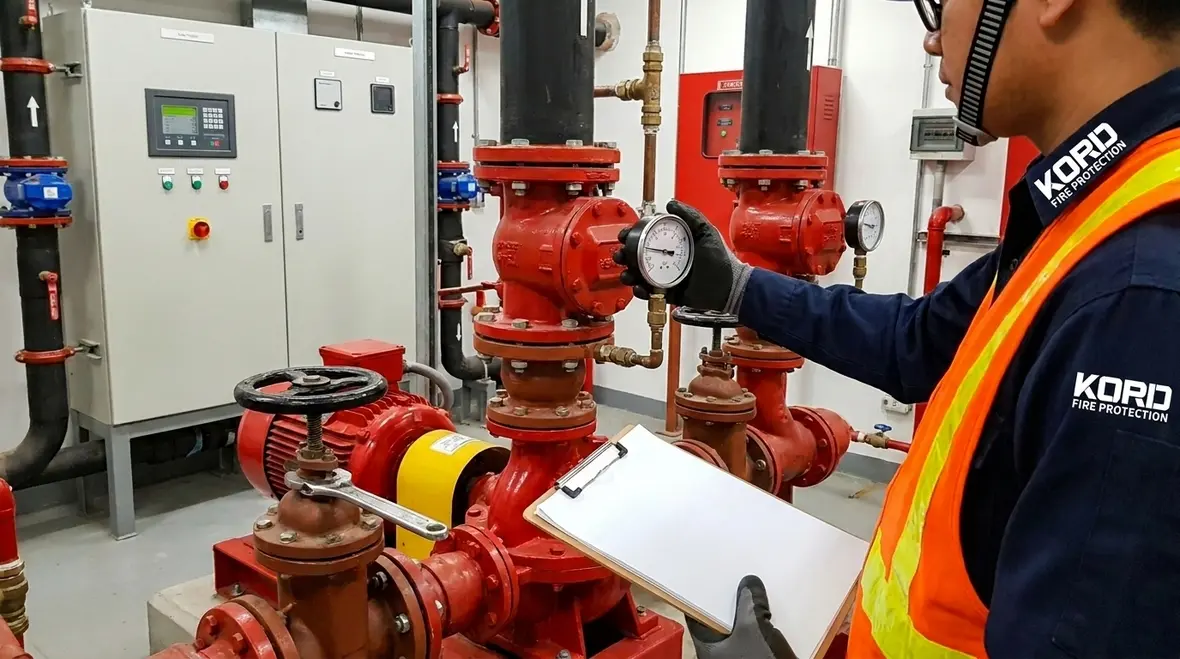
Proactive pressure management means scheduling the right checks, using the right methods, and documenting results so trends become visible. Then teams can plan adjustments during normal business windows rather than emergency hours.
A solid approach typically includes:
- Baseline verification: confirm setpoints, pump curves, tank levels, and pressure tolerances against the system design
- Timed pressure trending: monitor pressure at key points and during system events to spot drift early
- Valve and isolation audits: inspect control valves for position, condition, and sealing integrity
- Hydraulic checks: evaluate friction losses when changes occur, such as rack rearrangements in warehouses
- Controller calibration: confirm sensors, transmitters, and logic remain within acceptable accuracy
- Water supply assurance: validate reliable supply from municipal or on site sources, especially during peak usage
Transitioning from reactive checks to planned pressure maintenance also helps teams coordinate with fire compliance scheduling. In other words, it keeps the paperwork and the pipes speaking the same language.
Documentation is part of the maintenance, not the afterparty
A pressure check that is never compared against earlier results is only doing half the job. Teams should record where readings were taken, what conditions existed at the time, what changed afterward, and whether corrective action followed. That makes drift easier to spot and easier to explain during service reviews, especially when the building has seen tenant work, upgrades, or operating changes. Kord Fire Protection specifically recommends coordinated service plans that document results, prioritize repairs, and compare current conditions to earlier pressure tests so trends do not disappear into a folder nobody has opened since last spring. ([kordfire.com](https://kordfire.com/commercial-sprinkler-system-water-pressure-management/?utm_source=openai))
Where pumps, tanks, valves, and controls need closer attention
Pumps and controls often get blamed first, but the issue can start anywhere in the chain. Pumps require stable inputs and correct control settings. Tanks require correct levels and reliable operation of float and fill control systems. Valves require correct positions, healthy seals, and freedom from obstruction.
During proactive pressure management, teams pay attention to:
- Pressure reducing and control valves: confirm proper response and stable setpoints
- Check valves: verify they stop backflow without causing excessive restrictions
- Pressure relief behaviour: monitor whether relief actions create pressure spikes or instability
- Strainers and filters: remove restriction buildup that can reduce effective flow
- Instrumentation health: ensure sensors and transmitters report true readings, not guesswork
Furthermore, facilities teams in industrial and retail sites often operate in dynamic environments. When doors open frequently, compressors run, or forklifts move throughout the day, other systems can shift water use patterns. Therefore, ongoing monitoring supports both safety and continuity.
The building changes, so the hydraulic picture changes too
Warehouses get reconfigured. Retail tenancies churn. Plant rooms inherit “temporary” adjustments that somehow survive longer than most office plants. Each of those changes can alter friction loss, demand patterns, or the practical margin available at remote areas. That is why pressure management should follow the actual life of the building rather than the fantasy version preserved in untouched commissioning memories.
Why Kord Fire Protection can be a vital partner
Commercial sprinkler systems span many assets, many trade contractors, and many compliance timelines. Kord Fire Protection can become a vital partner by supporting facilities teams with expertise in pressure-focused service, coordinated testing, and documentation that helps operations stay in control.
Rather than treating pressure issues as isolated faults, Kord Fire Protection helps teams view the system as a connected hydraulic network. Then, it supports a proactive plan that reduces surprises during inspections, and it helps facilities align maintenance actions with how the building actually runs. In short, Kord Fire Protection keeps the system ready, while the business keeps moving. Kord Fire’s own pressure-management article says almost exactly this in spirit, positioning pressure checks as part of a clear maintenance and compliance program rather than a guessing game. ([kordfire.com](https://kordfire.com/commercial-sprinkler-system-water-pressure-management/?utm_source=openai))
And for the record, if a fire system has one job, it is the job. There is no sequel, no redo, and no “we will fix it later.”
Where alarm supervision is part of the wider life safety picture, Kord Fire Protection also connects facilities with fire alarm monitoring systems so notification, emergency response, and system oversight stay aligned instead of operating like distant cousins at a family reunion. Kord Fire’s monitoring overview explains that detection handles the first signal, while monitoring makes sure somebody answers the call right away. ([kordfire.com](https://kordfire.com/what-is-fire-alarm-monitoring-and-how-it-works/?utm_source=openai))
Compliance outcomes for facilities across Australia
Industrial, retail, and multi site facilities all face similar pressure realities, even when building types differ. Warehouses and distribution centres may see changing pipe loads and frequent fit outs. Shopping precincts may experience varied water demand patterns and constant tenant activity. Meanwhile, mixed facilities may run shared plant and services that affect supply.
Proactive sprinkler system pressure maintenance supports outcomes that facilities care about. It helps reduce downtime, improves inspection readiness, and strengthens confidence that the system can perform under real conditions. Additionally, it provides better records for reviews, audits, and ongoing service decisions.
Ultimately, this approach lets teams manage risk with fewer firefights. It is the kind of calm control you want when the building is busy, the trading floor is full, and everyone is slightly too focused on the weekend playlist.
FAQ
Take action with a partner that thinks ahead
Commercial sites across Australia benefit when pressure stays stable and predictable. Proactive sprinkler system pressure maintenance reduces surprises, supports reliable operation, and keeps facilities moving through inspections with confidence. Kord Fire Protection can help build and support a pressure focused maintenance plan that fits real operating conditions.
If it is time to tighten performance and reduce risk, reach out to Kord Fire Protection today and schedule an expert review. Whether the need starts with sprinkler pressure, coordinated service, or monitored alarm support, a connected plan usually saves more headaches than heroic last minute scrambling ever will. ([kordfire.com](https://kordfire.com/commercial-sprinkler-system-water-pressure-management/?utm_source=openai))

Join Our Newsletter!
Get the latest fire safety tips delivered straight to your inbox From our Newsletter.