Fire Pump Power Reliability for Uninterrupted Backup Power
Commercial fire pump systems cannot afford “maybe” when the smoke alarm starts doing its job. That is why fire pump power reliability must stay steady, clean, and ready at all times. When power dips, swells, or disappears, a fire pump that cannot start or that runs too slowly turns into a big, expensive problem. Fortunately, a good plan helps companies keep service continuity and protect lives, property, and their insurance paperwork. Kord Fire Protection technicians often explain that uninterrupted power is not a single device, it is a chain of protection, from incoming utility power to the controller, and from batteries to testing habits. In other words, it is like building a seatbelt and then checking it monthly, not just buying it and hoping for the best.
That chain works best when nobody assumes the electrical side will simply figure itself out. Reliable fire protection is wonderfully unglamorous. The pump should start, run, and keep running without drama, attitude, or mysterious pauses. If the building loses normal power, backup power should pick up the slack fast enough that the pump does not turn into a spectator. If the controller sees a weird voltage condition, the system should already have been reviewed, tested, and documented long before the emergency. It is the kind of preparation that feels boring right up until the exact moment boring becomes heroic.
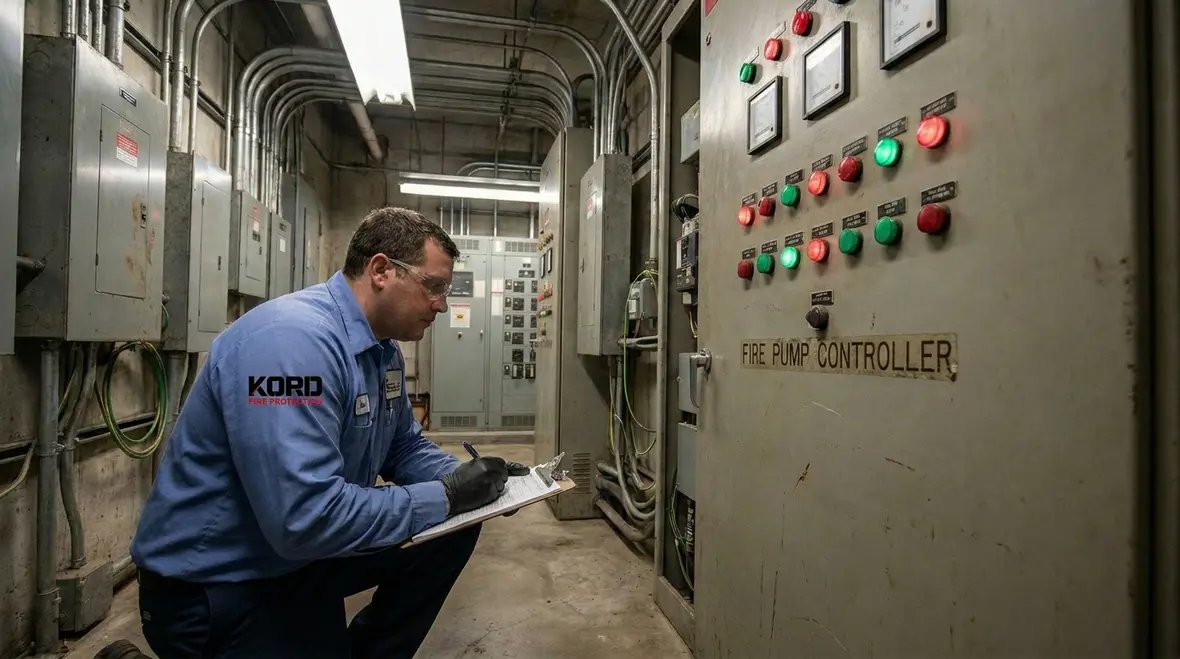
Know the power risks that stop fire pumps
To prevent failure, teams first identify what usually goes wrong. Then they match the fix to the risk instead of guessing. Power problems often come from three areas: utility issues, equipment faults, and poor maintenance. Utility issues can include voltage drop during high load, momentary outages, frequency changes, or single phase loss. Equipment faults include bad wiring, failing contactors, corroded terminals, or malfunctioning transfer switches. Maintenance gaps include skipping load tests, ignoring alarms, or letting batteries age past their useful life.
As Kord Fire Protection technicians explain, fire pumps need power that stays within control tolerances. Even if a pump motor still has mechanical parts that look fine, the controller may trip if voltage or signal status is off. Therefore, the site plan should include a power study, plus a review of the pump controller settings and how it behaves during abnormal conditions. That electrical side matters just as much as the wet side, which is one reason the related guide on essential fire pump electrical requirements and design fits naturally into any reliability discussion.
What usually fails first
- Incoming utility instability that causes low voltage or interruption right when the controller expects clean input
- Transfer equipment delays that create an awkward little gap at exactly the wrong time
- Aging batteries that still look respectable on paper but no longer support dependable start logic
- Loose or corroded terminations that add heat, resistance, and future regret
- Ignored alarms that quietly become tomorrow’s emergency headline
Design a backup power plan that actually covers the moment
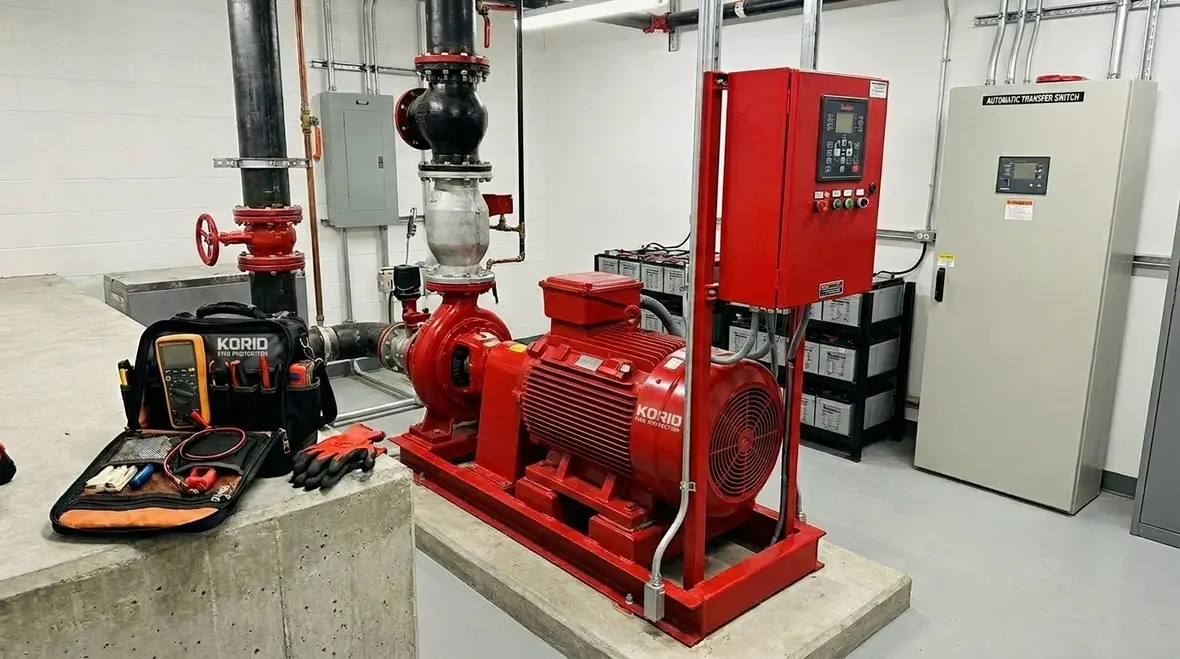
Backup power should cover the exact time window when the pump must start. Some failures happen fast, and the system must ride through the gap. A common strategy uses multiple layers. First, a clean power path to the pump controller. Next, transfer equipment that switches without long delays. Then, a backup source sized for the pump load and control load.
Two common layers work together:
- Battery based power for control circuits and certain starting logic, depending on the system design
- Generator or utility alternate for full pump operation when the outage lasts longer
Transition matters here. When the transfer switch timing is wrong, the controller can see an interruption and refuse to start. So technicians typically review the sequence of operations and verify that the pump controller receives the correct voltage and phase status during transfer. Think of it like a restaurant reservation. The food may be perfect, but if the hostess gives the party the wrong table, nobody eats.
Sequence matters more than good intentions
A backup source can be properly sized and still fail the mission if the switching sequence is sloppy. Teams should verify not only that backup exists, but also that it arrives in the right order, at the right voltage, and for the right duration. That includes controller inputs, motor starting demands, and any supervisory signals the building depends on. The shortest outage can feel very long when a controller is waiting for confirmation that never comes.
Protect the power path with surge, grounding, and clean wiring
Even when backup systems exist, the electrical path must behave. Surge protection helps guard against lightning induced surges and switching transients. Proper grounding stabilizes reference points for controls and prevents nuisance trips. Clean wiring practices reduce resistance and heat that can cause voltage drops or intermittent faults. This is where small details prevent big emergencies.
Because fire pump systems often sit near heavy electrical loads, teams should separate circuits where possible and verify routing. They also should inspect terminations for tightness, look for corrosion, and confirm that conductors match the approved wiring diagram. Kord Fire Protection technicians commonly note that “it looks tight” does not count. They check with proper tools, because heat cycles can loosen connections over time.
In addition, they may verify that the controller and accessories remain within voltage and current limits. If the controller uses relays or contactors, they must be in good condition. Therefore, preventive work should include visual checks, torque verification, and functional testing of alarms and supervisory contacts. It pairs well with the inspection habits described in Kord Fire Protection’s article on routine fire pump inspections and their importance, because reliable power and reliable inspection routines belong in the same conversation.
Maintain power reliability through testing and trouble response
A plan without testing is just a brochure. To keep fire pump power reliability strong, companies must test the system under realistic conditions and document results. Testing should include periodic checks of batteries, transfer switch operation, generator readiness, and pump controller status. It also should include inspection of the control power supply and associated annunciators.
When faults appear, the response must be fast and tracked. Technicians should follow a clear process: confirm the alarm, inspect the relevant components, log the findings, and confirm correct operation after repair. This prevents the same issue from returning quietly, like a pop song stuck in a store playlist.
Best practice includes analyzing trends, not only pass or fail results. For example, if battery test results drift lower each quarter, the site may still pass today, but the next outage could reveal the weakness. As Kord Fire Protection technicians explain, proactive replacement beats emergency scramble, especially when parts lead times stretch longer than a superhero movie runtime. For teams refining their schedule, Kord Fire Protection’s breakdown of fire pump testing requirements offers useful context on how disciplined testing supports dependable performance.
A simple trouble response workflow
- Confirm the alarm or abnormal indication
- Inspect the specific control, transfer, battery, or wiring component involved
- Document readings, conditions, and corrective action
- Retest under normal and transfer conditions
- Trend the result so the issue does not come back wearing a fake mustache
Use dual layers of assurance for controls and pumps
Some failures stop the controller, while others stop the pump motor. To cover both, many organizations use a layered approach that targets each area. This is also where dual assurance helps when one layer degrades. A robust approach typically includes both power and control readiness, not just the power source.
Below is how teams often separate responsibility during a reliability review:
Transitioning between layers must work as designed. Therefore, the team should confirm that when the system transfers from utility to backup, the controller starts the pump, the motor gets proper voltage and current, and supervisory functions report correctly. This reduces the chance that a transfer event creates a hidden delay. In plain language, it keeps the system from taking a dramatic pause right when it should perform.
Plan for real site conditions, not just ideal diagrams
Many commercial sites have conditions that change over time. Renovations add loads. New tenant equipment changes demand. Weather and aging affect panels. Sometimes the biggest risk is not the pump at all, it is the environment around it.
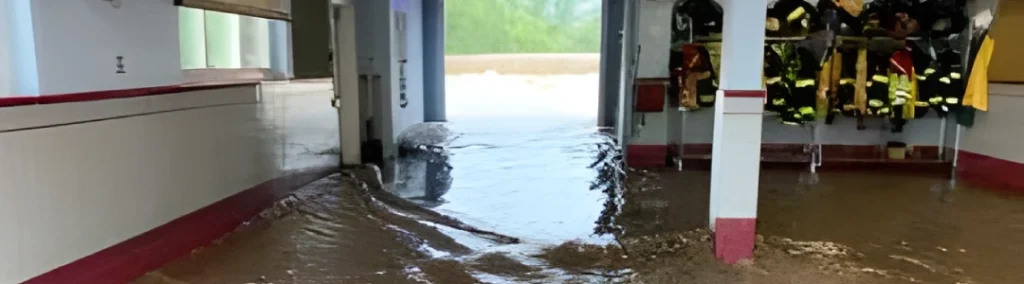
Companies should review the electrical room layout, access clearances, ventilation, and heat exposure around switchgear and batteries. If the room gets too hot, batteries lose capacity faster and controllers can behave unpredictably. They also should verify that the fire pump area remains protected from water intrusion, since moisture can corrode terminals and reduce insulation strength.
Moreover, site leadership should coordinate with facility teams, because changes to HVAC, lighting, or service panels can affect power quality. Therefore, the best method is a joint review whenever the electrical system changes. Kord Fire Protection technicians often stress that uninterrupted power depends on communication just as much as it depends on equipment. When owners want broader support beyond a single component review, Kord Fire Protection’s fire pump service page is a practical next stop for maintenance, testing, inspection, and support.
FAQ on fire pump power reliability
Final call to action for uninterrupted power
Uninterrupted power for commercial fire pumps takes more than good intentions. It requires a layered plan, clean wiring practices, surge and grounding checks, and testing that proves the system works when it counts. Kord Fire Protection technicians can help assess risks, review transfer sequences, and build a maintenance schedule that protects both life safety and business continuity.
Schedule a power reliability review today, and keep your fire pump ready, dependable, and boring in the best possible way. If you are ready for support from a team that handles inspection, testing, and ongoing service, visit Kord Fire Protection’s fire pump services page and move reliability from wishful thinking into an actual plan.

Join Our Newsletter!
Get the latest fire safety tips delivered straight to your inbox From our Newsletter.