Commercial Fire Sprinkler Longevity Factors for Longevity
Commercial fire sprinkler longevity decides how long a system stays ready when smoke rolls in and seconds start acting like hours. In this article, kord fire protection technicians explain the real factors that shape long term performance, from water quality to inspection habits. Because a sprinkler system does not “age” like a fine wine, it depends on how it is installed, how it is maintained, and how the building actually gets used. And yes, neglect can turn a life safety system into something closer to a fancy decoration. But with the right controls and routines, commercial sprinkler piping can stay dependable for decades.
What drives Commercial fire sprinkler longevity in real buildings
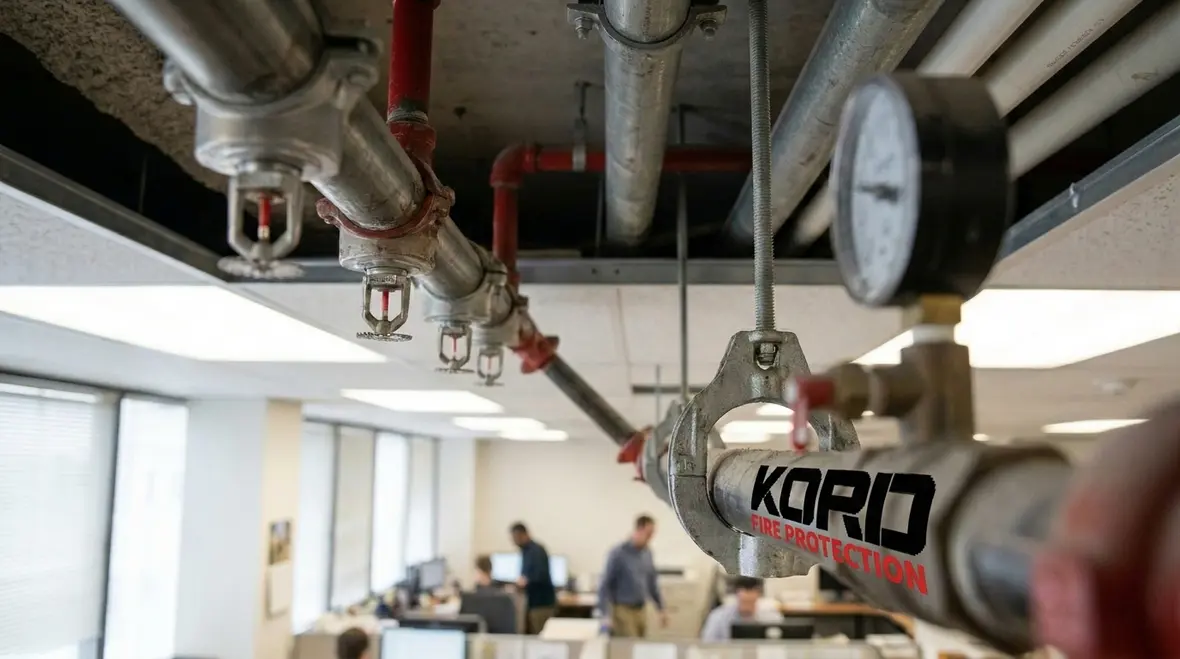
Most people think sprinklers simply need time. In truth, Commercial fire sprinkler longevity comes from a chain of conditions working together. First, the system must stay clean and pressurized within design specs. Then, it must avoid corrosion, physical damage, and hidden water issues. Finally, a building team must test and inspect on schedule, not on vibes.
kord fire protection technicians often point out that even small changes matter. For example, a new tenant might add storage that blocks spray patterns. Or a contractor might modify ceiling tiles and accidentally mess with clearances. These changes do not always break the system immediately, yet they can shorten its dependable service life.
Long life depends on more than age alone
That is why a solid service plan matters so much. A system can look fine from the floor and still hide developing issues inside the pipe network or around valve assemblies. Teams that review performance trends, keep inspection records organized, and respond quickly to deficiencies usually get better reliability over time than teams that rely on visual assumptions and crossed fingers. If you want a broader primer on how these systems are designed to protect a property, Kord Fire Protection also covers the basics in its Fire Sprinkler Overview and System Guide.
Installation quality that shows up years later
Good installation works like good plumbing at a budget dinner party. You do not notice it, and that is the goal. To support commercial sprinkler longevity, technicians evaluate pipe alignment, hanger spacing, and sprinkler placement. They also check thread quality, joint methods, and proper torque where it applies.
When installation cuts corners, the problems tend to appear later. Pipe stress can develop, fittings can weep, and water flow may become less uniform. Moreover, a poorly planned layout can create dead spaces or areas where hazards do not get covered in the way the design expects.
Therefore, kord fire protection technicians recommend treating installation documentation as a living record. If someone cannot find the as built drawings or the hydraulic calculations, troubleshooting becomes a scavenger hunt. And scavenger hunts are fun at theme parks, not during an inspection.
Why documentation quietly protects system life
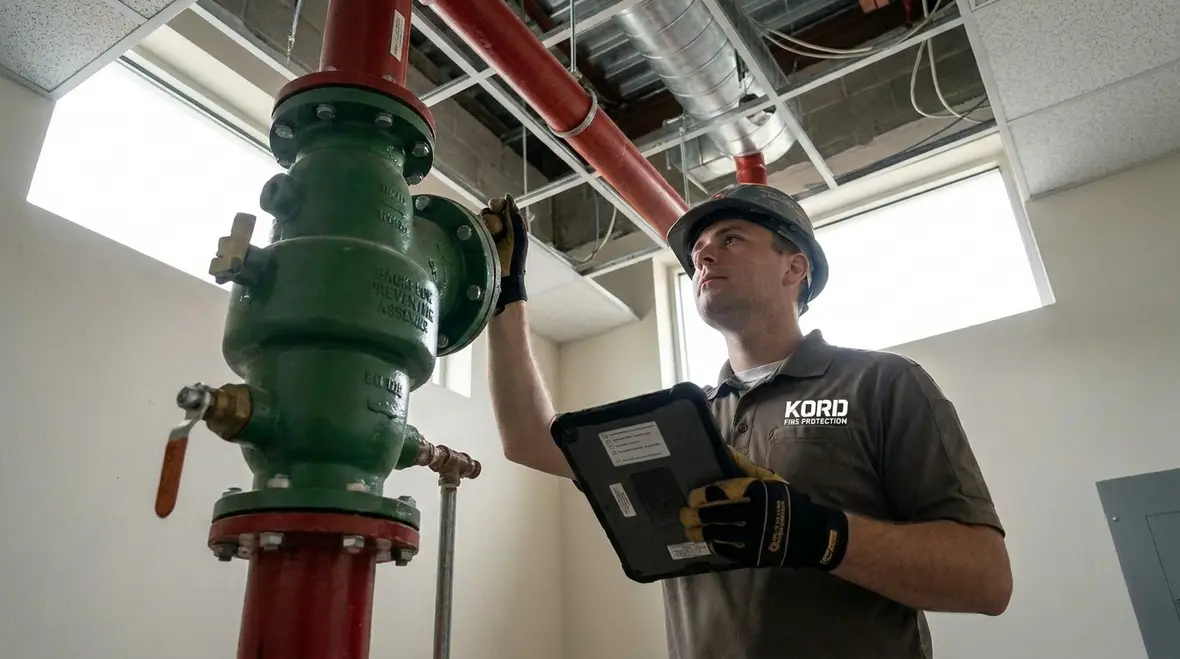
Accurate records help technicians compare what the system was supposed to do with what it is doing now. That gap is where a lot of longevity problems show up. When a property manager can pull up prior layouts, test results, and repair notes quickly, service becomes sharper and less reactive. It is not glamorous, but neither is replacing damaged piping because nobody knew what was changed three remodels ago.
Water supply and pressure stability over time
Even a well designed sprinkler system loses trust when the water supply becomes unstable. Pressure that fluctuates too much can affect spray coverage and alarm performance. Meanwhile, water additives, sediment, and mineral content can build up inside piping.
In many buildings, the water source changes. Municipal supplies can adjust, storage tanks can get refilled with different water, and private pumps can start cycling differently. Consequently, older systems may show new issues after these changes, even if the sprinklers were never touched.
kord fire protection technicians commonly emphasize monitoring. They look for long term flow test results, maintain records of internal inspection findings, and compare backflow test history. When teams track these trends, they spot deterioration before it becomes a failure story.
Flow data tells a story if someone actually reads it
A single good reading does not guarantee long term reliability. What matters is the pattern. Small declines in water delivery, repeated pressure anomalies, or gradual signs of obstruction can all point to conditions that shorten service life. This is one reason owners often benefit from scheduled support through fire sprinkler service, where inspection, testing, and corrective work can be coordinated before a minor issue becomes an expensive surprise.
Environmental exposure and corrosion control
The environment around sprinklers decides how fast corrosion develops. Humidity, coastal air, chemical vapors, and temperature swings all affect steel components and wet system piping. For instance, a warehouse near a loading dock can collect moisture, while a kitchen exhaust area can release corrosive byproducts that drift into ceilings.
Additionally, condensation can form when air conditioning runs irregularly. Then water droplets settle on pipes, valves, and hangers. Over time, that moisture can lead to pitting, coating failure, and weakened metal surfaces.
To support long term performance, kord fire protection technicians recommend looking beyond the sprinkler heads. They inspect valves, strainers, drain systems, and fittings that might hide corrosion. In a business casual way, they also remind teams that “out of sight” should not mean “out of mind.”
Corrosion likes hidden areas and patient owners
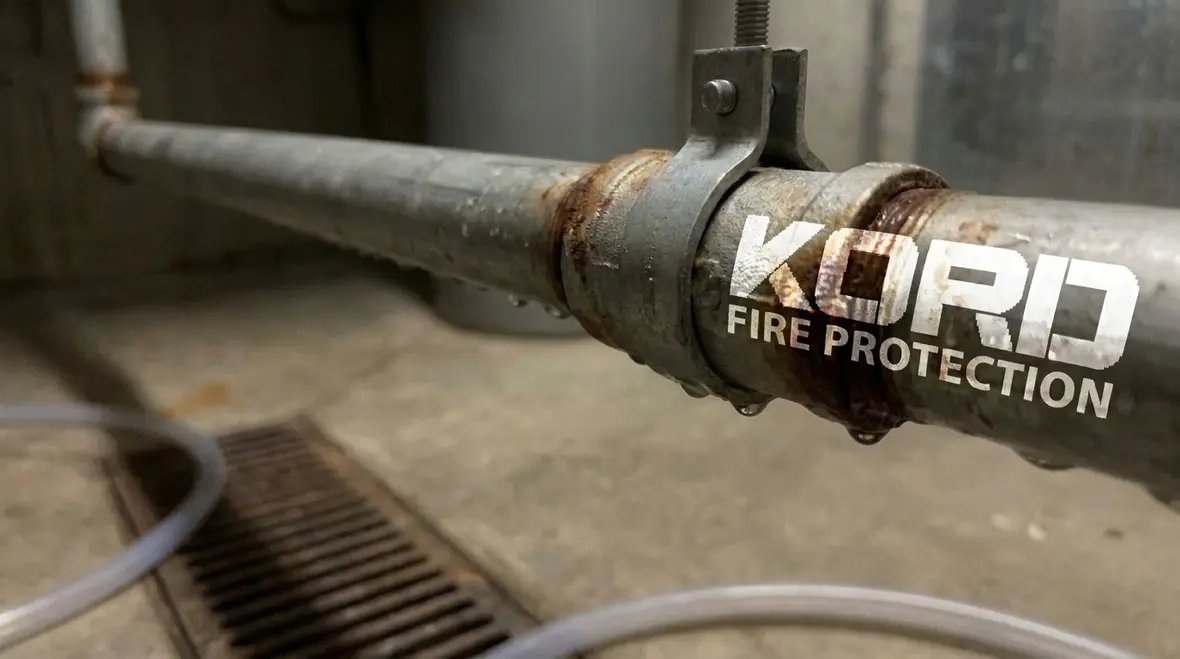
Corrosion problems are sneaky because they often start in spaces nobody checks often enough. Mechanical rooms, ceiling voids, and low points in piping can all become problem areas. By the time staining, leaks, or scale buildup are visible, the issue may already be well into the system’s retirement plan. That is why internal reviews and timely service matter so much for commercial fire sprinkler longevity.
Maintenance schedules and testing that actually mean something
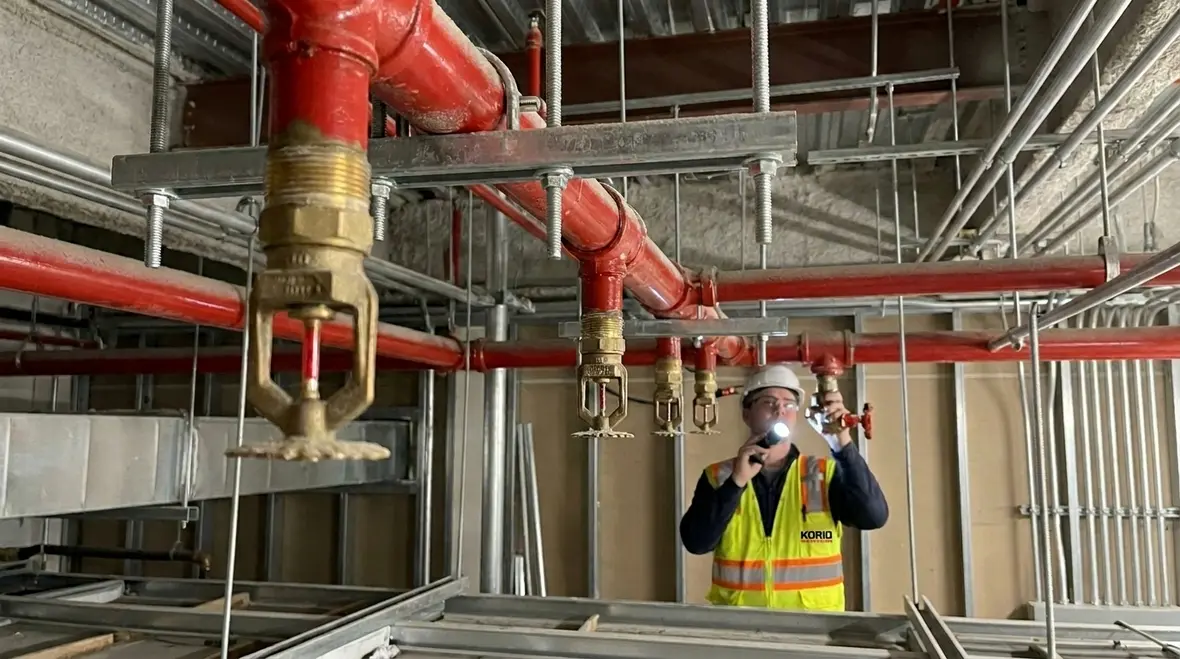
Commercial fire sprinkler longevity improves when maintenance stays specific, documented, and consistent. Many systems fail due to lack of attention, not because the technology is bad. Inspections should verify the system remains unobstructed, that valves show normal operation, and that waterflow devices detect movement as intended.
Also, testing plays a key role. Flow tests confirm real performance and help validate that alarm devices and water delivery work together. Main drain tests, when needed, help verify flow and check for issues like partially clogged piping.
However, testing without records creates a problem of its own. When building teams cannot show history, they cannot prove what changed. Therefore, kord fire protection technicians push for clear logs, dates, and findings. Like keeping receipts for tax season, records help you plan and defend decisions later.
Inspections are only useful when they lead to action
A checklist is not a maintenance strategy if it ends in a drawer. The value of inspection comes from what happens next: repairs get scheduled, deficiencies get tracked to completion, and system conditions get reviewed again after building changes. That cycle is what keeps a sprinkler system from turning into a set of very expensive ceiling ornaments.
System alterations, renovations, and tenant turnover
Buildings do not stay still. Floors get renovated, ceilings get reworked, and tenant layouts shift. When alterations happen, they can move sprinklers out of their intended coverage or interfere with airflow and discharge patterns. Even small changes in ceiling heights can matter, because sprinkler positioning links directly to required coverage and deflector performance.
Furthermore, modifications sometimes create hidden risk. A contractor may cap a line during drywall work and forget to restore it correctly. Or they may install equipment too close to sprinkler heads, which can reduce clearance and change spray behavior. And yes, that is as annoying as a movie sequel no one asked for.
To reduce these risks, kord fire protection technicians recommend a strict change process. Any renovation should include sprinkler review, and any schedule work should be coordinated with certified fire protection professionals. Then the building team can confirm that new construction still matches the approved design.
Tenant changes can quietly rewrite the risk profile
A different occupancy can mean different storage heights, fuel loads, chemicals, and obstructions. Even if the piping stays put, the building use may no longer match the original assumptions behind the design. Reviewing changes early keeps the system aligned with reality, which is always nicer than discovering the mismatch the hard way.
Inspection triggers that prevent small issues from becoming big ones
Some problems announce themselves. Others wait quietly, like a villain who thinks he has time. Technical signs include repeated valve tampering alarms, ongoing sprinkler leakage reports, visible corrosion at hangers, or recurring waterflow device activations without real fire signals.
Beyond visible issues, teams should treat certain events as triggers for deeper checks. Examples include long power outages affecting monitored systems, changes to water supply, new chemical storage, or an occupancy use change that increases fuel load. Even seasonal shutdowns and restart cycles can stress components.
When kord fire protection technicians arrive, they look for patterns. If drain readings trend upward, or if inspection findings show recurring obstruction issues, they recommend corrective action. That approach supports commercial fire sprinkler longevity by addressing the root cause, not just the symptom.
FAQ
Final call to action for safer, longer performance
If a building wants strong commercial fire sprinkler longevity, it needs more than a yearly checklist. It needs real documentation, smart change control during renovations, and inspections that catch corrosion and water issues early. kord fire protection technicians can help a facility team review system history, confirm current performance, and build a practical maintenance plan. For properties that also need coordinated detection support, Kord Fire Protection offers commercial & residential fire alarm installation as part of a broader life safety approach.
If you are ready to tighten up inspections, verify current conditions, or plan service with fewer surprises, explore Kord Fire Protection’s full fire protection services and book an assessment now. Treat your sprinkler system like the life safety asset it is, not like a background prop in someone else’s risk story.
Quick note: This article offers general guidance. Codes and inspection intervals vary by location and system type, so local requirements apply.

Join Our Newsletter!
Get the latest fire safety tips delivered straight to your inbox From our Newsletter.