Fire Pump Motor Maintenance for Industrial Readiness
Fire pump motor maintenance: the quiet hero of industrial fire readiness
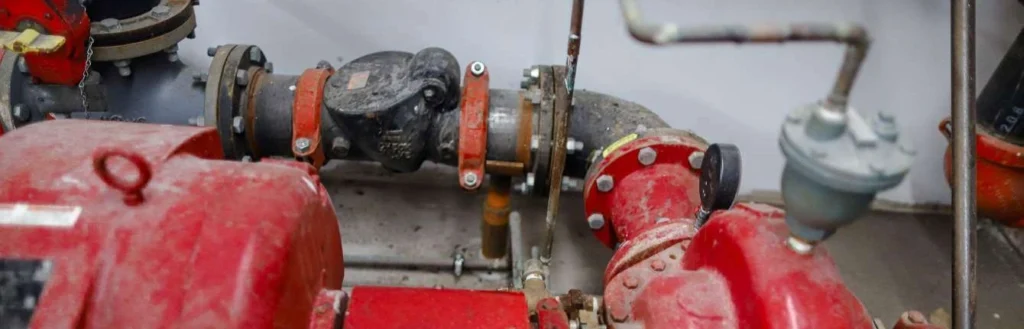
In industrial sites, Fire pump motor maintenance keeps the heart of the fire protection system dependable when it matters most. It is not glamorous, and it rarely trends on social media, but it does show up every time an alarm wants to do its job. Kord Fire Protection technicians often explain that a fire pump motor is like a reliable truck in a movie chase, it only needs to start perfectly once, but it must be ready on the day everyone else is calm.
Therefore, this article lays out practical electrical maintenance protocols for industrial fire pump motors. It covers inspections, testing, documentation, and common hazards, with clear steps that maintenance teams and Kord Fire Protection technicians can use to stay organized and compliant. After all, the only thing worse than a dead motor is a system that fails during a real demand.
That larger mindset also connects directly to the full lifecycle of fire protection servicing, because readiness is not a single test or a lucky startup. It is a chain of planning, inspection, maintenance, and proof that the system still performs like it owes you money.
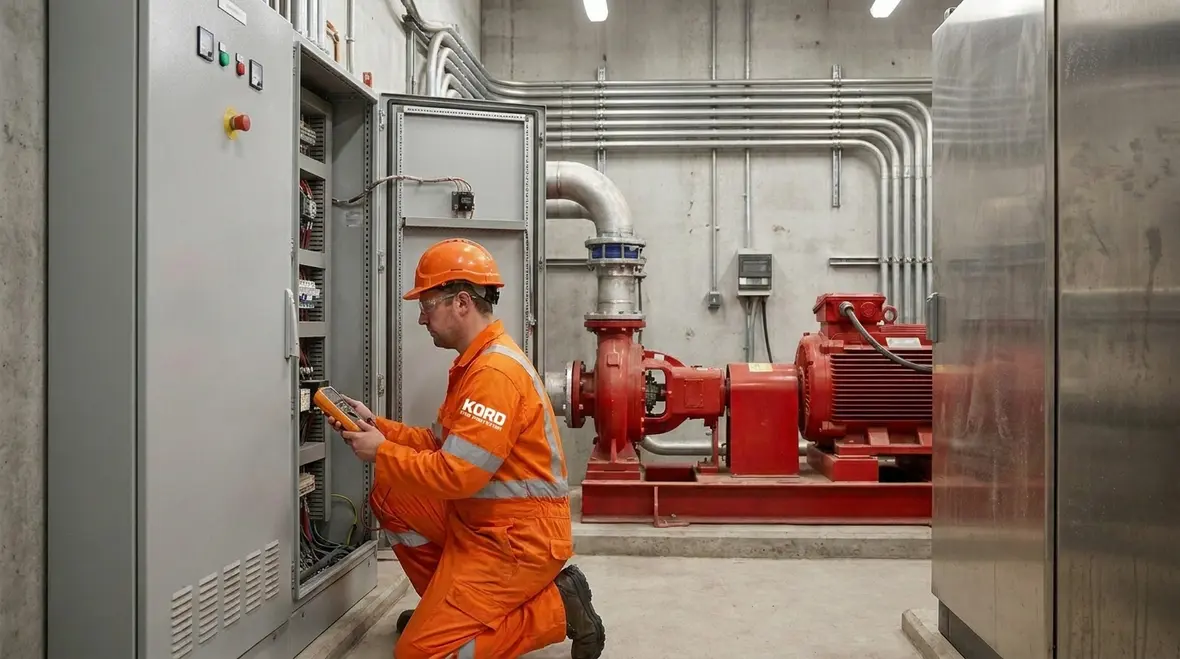
How industrial fire pump motors should be inspected each shift
Shift level checks help catch small problems before they become big repairs. First, technicians verify that the motor starts and stops with normal control commands. Next, they confirm that indicators and alarms match the actual controller status. Then, they look for visual signs like burned terminals, loose conduit fittings, or heat discoloration around the motor leads and contactor.
Even simple actions help. For example, checking the panel door seal, confirming airflow paths are not blocked, and making sure access doors stay closed can prevent dust and moisture from turning electrical parts into a science project nobody asked for. Transitioning from observation to action is key, so teams should record findings immediately and notify the lead electrician if anything looks off.
Meanwhile, Kord Fire Protection technicians typically remind teams that fire pump equipment is not a set it and forget it item. It is a prove it still works item, because code officials and insurers expect evidence, not hopes. That practical thinking fits neatly with Kord Fire Protection’s guidance on routine fire pump inspections, where consistency is treated less like paperwork and more like survival with a clipboard.
A practical shift checklist that does not waste time
- Confirm controller power is normal and status lights match the actual mode.
- Look for loose wiring, overheated terminals, or unusual odors near starters and disconnects.
- Verify louvers, vents, and cooling paths are clear.
- Check room condition for moisture, dust buildup, or unauthorized storage.
- Log the findings immediately so the next shift does not inherit a mystery.
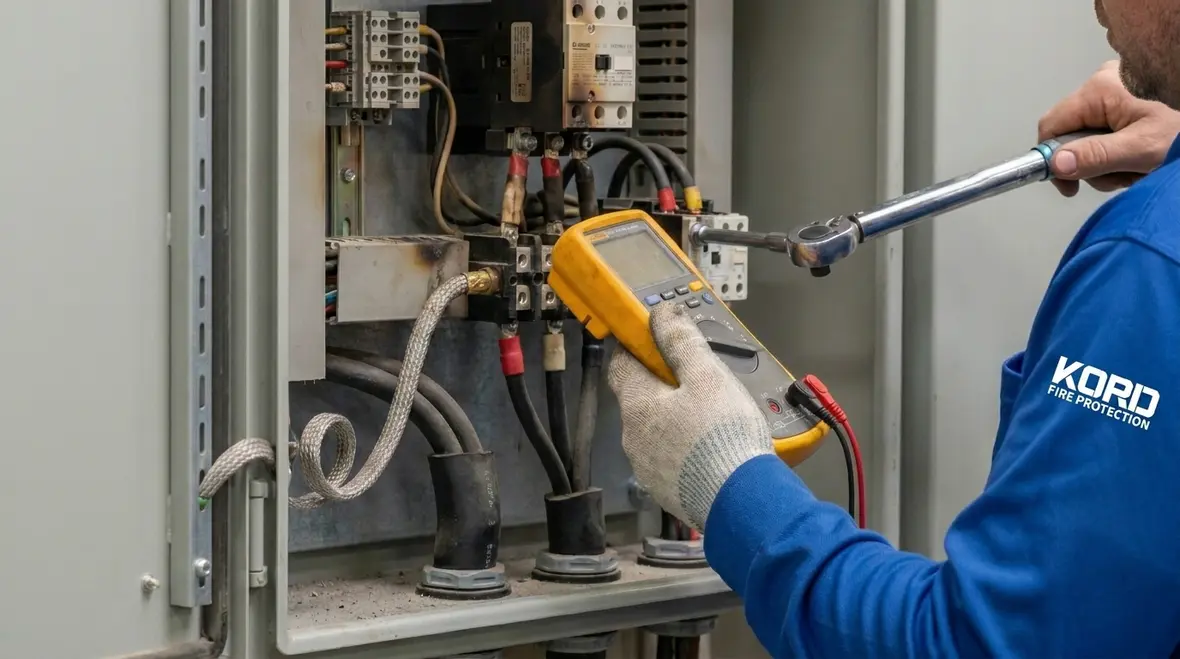
Electrical maintenance protocols that reduce failure points
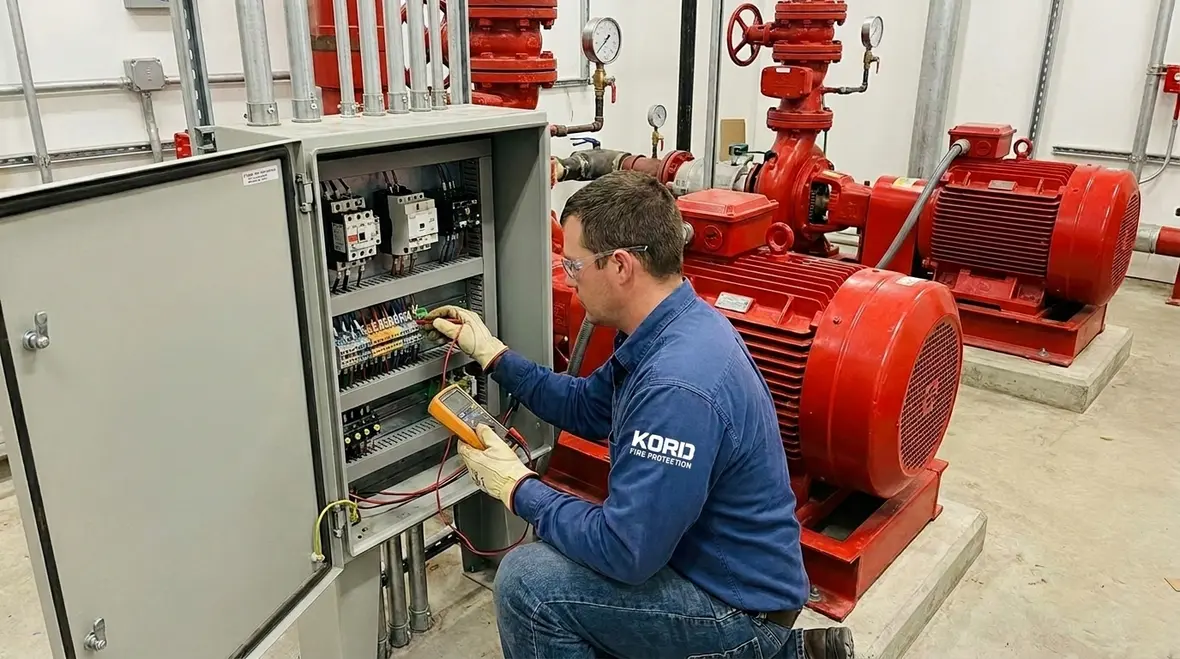
Maintenance should target the most common electrical failure spots. To start, teams inspect power feed components, including disconnects, breakers, and fuses. They tighten connections using the correct torque method and confirm terminal integrity. After that, they review the contactor and starter components, since pitted contacts or worn coils can cause heat, poor pull in, or unreliable starting.
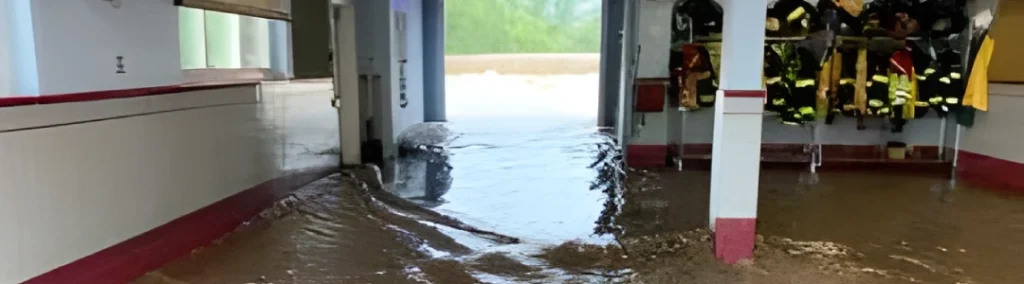
Then the protocol moves to motor insulation and grounding. Technicians check that grounding paths remain solid and that bond straps have no corrosion or damage. Also, they verify that conduit entries have proper seals and that cable jackets remain intact. If moisture gets in, it does not negotiate, it just worsens insulation over time.
In addition, teams confirm the wiring scheme matches the approved drawings. Any temporary jumper that has survived longer than a coffee break deserves attention, because it may defeat coordinated protection settings. This is also where strong design matters, and Kord Fire Protection’s article on essential fire pump electrical requirements and design supports the same point: a dependable fire pump system is supposed to be boring, stable, and predictable, not creative in the worst possible way.
Where electrical failures usually like to hide
- Loose or under torqued terminations at breakers, lugs, and starters.
- Heat damaged contacts inside the controller or starter assembly.
- Compromised grounding and bonding hardware.
- Moisture intrusion through conduit entries or damaged seals.
- Field modifications that no longer match approved drawings.
What testing methods confirm motor readiness?
Testing should follow a planned schedule and documented results. Common methods include insulation resistance testing, motor phase current checks, and timing verification of start and transfer sequences. Many sites also perform torque and vibration checks when vibration monitoring programs exist, because abnormal mechanical load can reflect back into electrical stress.
Moreover, technicians evaluate the control system logic that commands the motor starter. They confirm that the pump start sequence triggers correctly when a pressure drop occurs, when the fire alarm control logic requests a start, and when the controller switches to manual mode for testing. Kord Fire Protection technicians often describe this as following the breadcrumbs, meaning the team should trace each step from demand signal to actual motor operation.
Finally, teams compare test results to prior baselines. If phase current rises over time, it can indicate misalignment, bearing wear, clogged strainers, or electrical issues. Therefore, electrical testing alone cannot tell the whole story, but it often reveals where the real problem lives. That is one reason many facilities also benefit from reviewing Kord Fire Protection’s article on the fire pump testing and certification process, because testing only becomes useful when the results actually lead to action.
Preventive maintenance for cables, terminations, and cooling pathways
Most electrical trouble starts at the edges, and that means cables, terminations, and airflow. First, technicians inspect cable runs for rubbing, cracking, or signs of heat. Next, they examine lugs, ring terminals, and splices for looseness, discoloration, and corrosion. They also check that wire size and conductor identification match the documentation.
Cooling pathways matter just as much. If the motor has fan cooling, teams ensure the airflow is not blocked. They also confirm that motor space heaters or anti condensation devices, if installed, operate correctly. Otherwise, moisture collects and then the system behaves like it has a grudge.
Additionally, preventive maintenance should cover cleaning practices. Technicians remove dust and debris from panels and motor surfaces using methods that do not damage insulation. Then they verify that enclosures remain sealed and that gaskets are intact. Transitioning from cleaning to verification is essential, so teams should recheck indicators and check that no wires loosen during service.
Small details that prevent big failures
This part of the program is where discipline beats drama. A cracked jacket, a weak gland seal, or a blocked vent opening may not look impressive on a work order, but those are exactly the small things that show up later wearing a fake mustache and pretending they were never warned about. When teams inspect edges, seals, and cooling paths routinely, the motor has a much better chance of starting like it means business.
How Kord Fire Protection technicians keep compliance and records tight
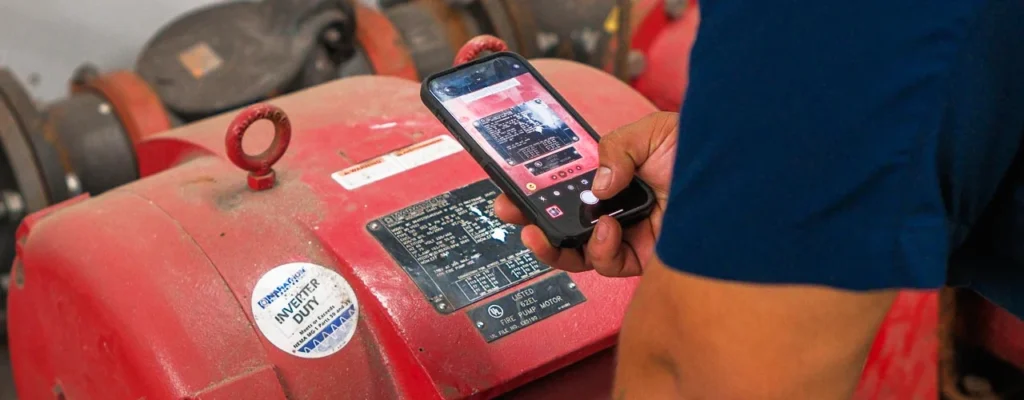
For industrial facilities, good records are part of good safety. Kord Fire Protection technicians typically emphasize that inspection results must be clear enough that a reviewer can understand them without guessing. That means test dates, equipment identifiers, readings, pass or fail status, and any corrective actions must appear in the log.
Also, teams align maintenance activities with manufacturer instructions and applicable standards. They confirm that the correct motor starter type, protective device ratings, and controller settings are used. When a technician replaces a component, the record should note what changed and why, including part numbers and installation verification.
Then, they conduct periodic functional tests and compare outcomes. If the motor starter fails to pull in within expected timing, they treat it as an electrical cause first, but they still check mechanical load and system demand signals. Because if the system behaves oddly, it rarely behaves politely.
In short, documentation turns maintenance into proof. And proof is what keeps everyone calm during audits and during real emergencies. Kord Fire Protection also presents this broader picture in its full lifecycle of fire protection servicing article, which makes a simple point worth repeating: systems do not stay ready because people assume things; they stay ready because people check, record, compare, and correct.
FAQ: Fire pump motor maintenance answers for quick clarity
Ready to tighten your fire pump motor program?
If the facility wants dependable performance, it should build a structured electrical maintenance plan and document every step. Kord Fire Protection technicians can help teams review starter components, test results, and control logic so problems do not hide until a real demand arrives. Next, the site should schedule practical inspections, confirm torque and grounding, verify cooling pathways, and track baselines for trend changes.
For a direct next step, explore Kord Fire Protection’s full fire protection services to connect this maintenance work with inspection, testing, and system support across the site. Reach out today to upgrade Fire pump motor maintenance with a clear, auditable protocol that keeps the system ready, not lucky.

Join Our Newsletter!
Get the latest fire safety tips delivered straight to your inbox From our Newsletter.