Fire Pump Electrical Integration and Supply Chain Optimization
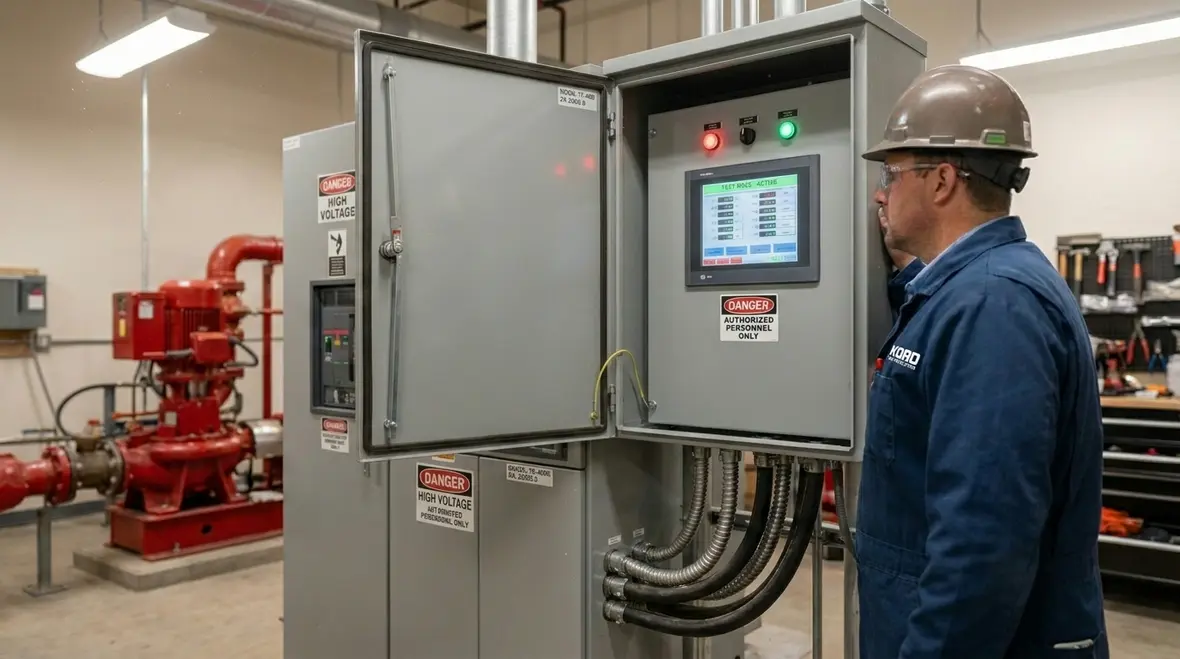
When electrical systems fail, fire pumps do not “kind of work.” They either perform when called or they disappoint like a movie sequel nobody asked for. That is why fire pump electrical integration matters from the start. Kord Fire Protection Technicians routinely explain that seamless pump power is not just about wiring and luck. It is about how supply chain decisions affect voltage stability, motor starting, protection settings, and inspection readiness. In this article, third person experts walk through how to optimize electrical supply chains so fire pumps run smoothly, meet code expectations, and stay reliable under stress.
Why electrical supply chains impact fire pump reliability
Fire pump performance depends on more than the pump itself. First, the pump motor must receive the right voltage and current at the moment the system demands flow. If materials arrive late, specs get substituted, or equipment ratings drift, the electrical pathway can become a weak link. Next, protective devices like breakers, fuses, and transfer controls must match the motor load and the system design. If they do not, nuisance trips or slow response can follow.
Kord Fire Protection Technicians often break it down in business casual terms: the supply chain sets the rules of the game. If the game uses the wrong ball, no amount of coaching will fix the final score. Therefore, the electrical team needs clarity on exact components, lead times, and compatibility requirements long before installation begins.
That same coordination becomes even more important when teams are balancing controller selection, motor behavior, and the kind of field realities that show up after drawings meet actual conduit runs. Projects tend to go smoother when the procurement side understands what the testing side will eventually demand. This also aligns closely with Kord Fire’s guidance on essential fire pump electrical requirements and design, where dependable performance starts with clean planning and not crossed fingers.
Plan the spec early and lock it down with vendors
Sound planning reduces guesswork. To begin, project teams should document motor horsepower, voltage, controller type, starting method, and required protective device characteristics. Then they should align those needs with equipment data sheets from qualified manufacturers. After that, they confirm that switchgear, disconnects, and control wiring meet the same assumptions used in the fire pump design.
Kord Fire Protection Technicians explain that a “similar” part can behave very differently during starting surges. Also, even when the substitute functions in a normal environment, it may not survive long ramp cycles or respond correctly during timed tests. In other words, a supply chain shortcut can turn into a commissioning headache that no one wants, like finding out the coffee you ordered is decaf after the meeting started.
A practical early-spec process
- Written component cross checks before purchase orders go out
- Vendor confirmation of electrical ratings, not just form factor
- Documented approvals for any change requests
Match components to avoid voltage drop and nuisance trips
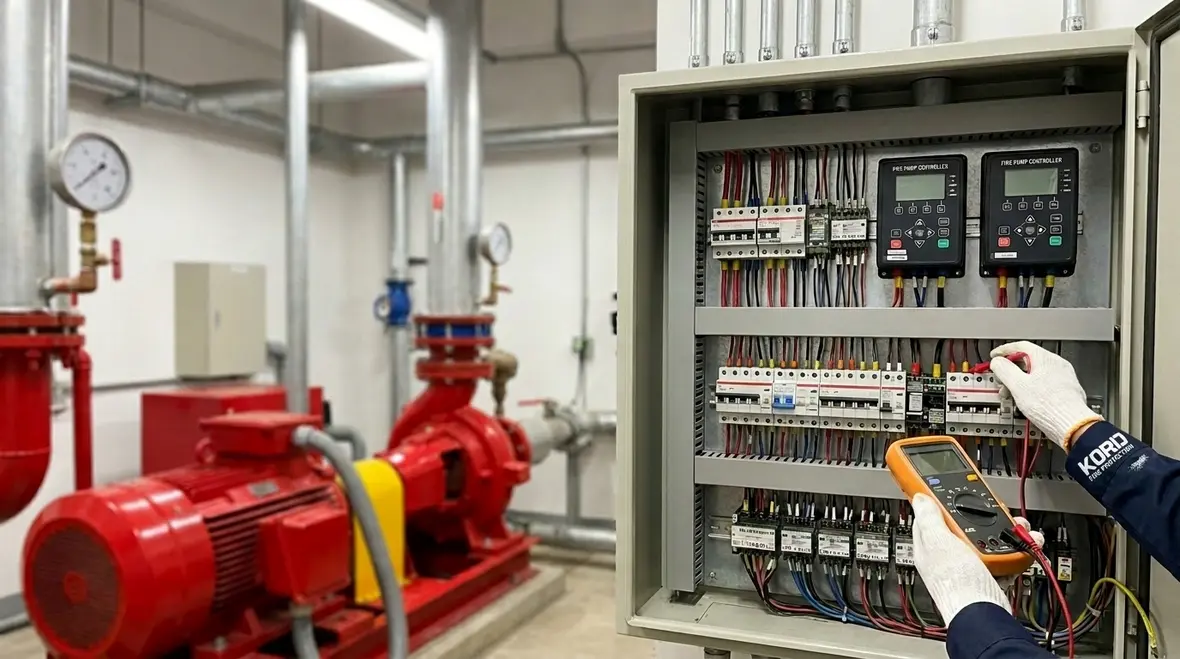
Electrical integration works only when the full pathway cooperates. If cables run longer than expected, conductor size drops, or terminations are rushed, voltage drop can increase. That matters because motor starting draws high current and sensitive components can see voltage dips. As a result, contactors may chatter, controls may reset, and protective devices may trip in ways that do not reflect the real health of the pump system.
To keep performance smooth, teams should design for the expected fault and starting conditions. Then they should verify that installed conductor sizes match the drawings and that torque specifications are followed during termination. Kord Fire Protection Technicians also remind teams to treat grounding and bonding as a real job, not a footnote. Poor bonding can create stray voltage paths and unpredictable behavior during testing.
They also recommend using a “no surprises” acceptance checklist. When the checklist is used, it catches common issues like mismatched phase identification, loose lugs, or incorrect control wiring mapping before the system reaches commissioning. Yes, someone still forgets phase order. Humans do that. The job exists to prevent it from becoming a story.
This is also where related controls matter. Fire sprinkler systems often rely on clean communication between field devices, alarms, and pump controls, so understanding how interdependent signals behave can save a project from strange troubleshooting later. Kord Fire’s article on electrical interlocks in fire sprinkler systems is a useful companion for teams trying to keep every signal path honest.
How to manage lead times without compromising inspection readiness
Delays happen. Yet fire pump readiness cannot wait for the calendar to feel cooperative. Therefore, procurement should include a clear lead time plan that accounts for switchgear submittals, motor controller fabrication, and specialty items like fire pump controllers and listed accessories. Next, teams should set realistic buffers based on past projects and supplier reliability.
Kord Fire Protection Technicians explain that inspection readiness depends on more than installing equipment. It depends on complete documentation, tested settings, and traceable component information. If the supply chain swaps parts late, the paperwork trails can break. That can slow authority reviews and commissioning sign off.
A strong lead time strategy includes
- Submittal schedules that align with electrical ordering milestones
- Staging plans for critical electrical integration items
- Early verification of labeling, serial numbers, and listing data
Additionally, teams should coordinate logistics with commissioning needs. In other words, they should ensure that power components arrive with enough time for pre checks, minor adjustments, and functional tests. This keeps the schedule from turning into a sprint that feels like it was designed by a villain with a stopwatch.
Dual column strategy for procurement and quality checks
To keep work organized, teams can use a simple dual column approach that links procurement actions to quality outcomes. This helps everyone stay on the same page, from purchasing to electricians to Kord Fire Protection Technicians involved in field review.
Procurement focus
- Confirm motor controller type and ratings with the fire pump submittal
- Source listed breakers and fuses that align with motor protection needs
- Order conductors and terminations based on approved calculations
- Ensure standby and supervisory circuits include correct interfaces
Quality check outcome
- Verify controller settings match the designed starting behavior
- Check time current curves and trip logic during functional testing
- Inspect conductor sizing, termination quality, and torque records
- Test supervisory signals and alarm behavior under simulated conditions
Commissioning practices that prove the electrical integration works
Commissioning turns plans into proof. First, teams should review as built wiring and control mappings against the approved drawings. Then they should verify that protective device settings match the equipment data. After that, functional tests should confirm that alarms, starter behavior, and pump startup sequence follow the required logic.
Kord Fire Protection Technicians often stress that commissioning should also test failure modes. For example, they should confirm that control power supervision works and that fault indications trigger as expected. Furthermore, teams should document results clearly, including test values and observed conditions.
During these steps, the supply chain story shows up. If wrong parts were installed or if documentation is incomplete, it becomes obvious fast. So, by handling electrical integration through careful procurement and then proving it through testing, teams avoid the classic problem: the system looks right until the moment it must perform.
For many facilities, that final proof naturally connects to ongoing service. Teams that already know where to turn for fire pump service are in a better position to keep inspections, maintenance, and operational checks consistent after turnover. It is much easier to stay inspection ready when the handoff from project team to service team is not a game of telephone.
FAQ on optimizing electrical supply chains for fire pump performance
Conclusion and CTA
Optimizing electrical supply chains keeps fire pumps dependable, and it starts long before the first wire gets pulled. When teams align specs, lock compatible components, manage lead times, and commission with proof, fire pump electrical integration performs the way it should. Kord Fire Protection Technicians can help teams tighten the link between procurement, installation, and test results so the system passes review and stays ready.
If a project is underway or a retrofit is planned, contact Kord Fire Protection to build a reliable path from switchboard to pump start. For teams that need a broader partner near the end of construction and into long-term support, explore full fire protection services and connect with the specialists behind Kord Fire’s contact page to move the project forward with fewer surprises and better documentation.

Join Our Newsletter!
Get the latest fire safety tips delivered straight to your inbox From our Newsletter.