Fire Pump Control Panel Troubleshooting Guide for Faults
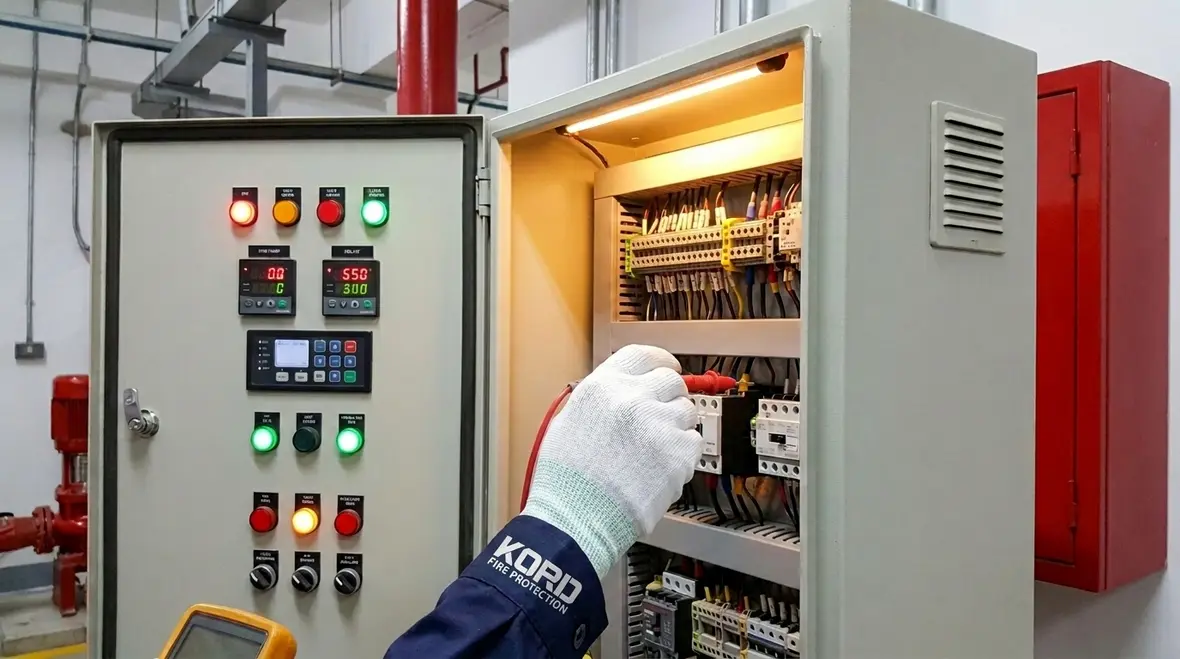
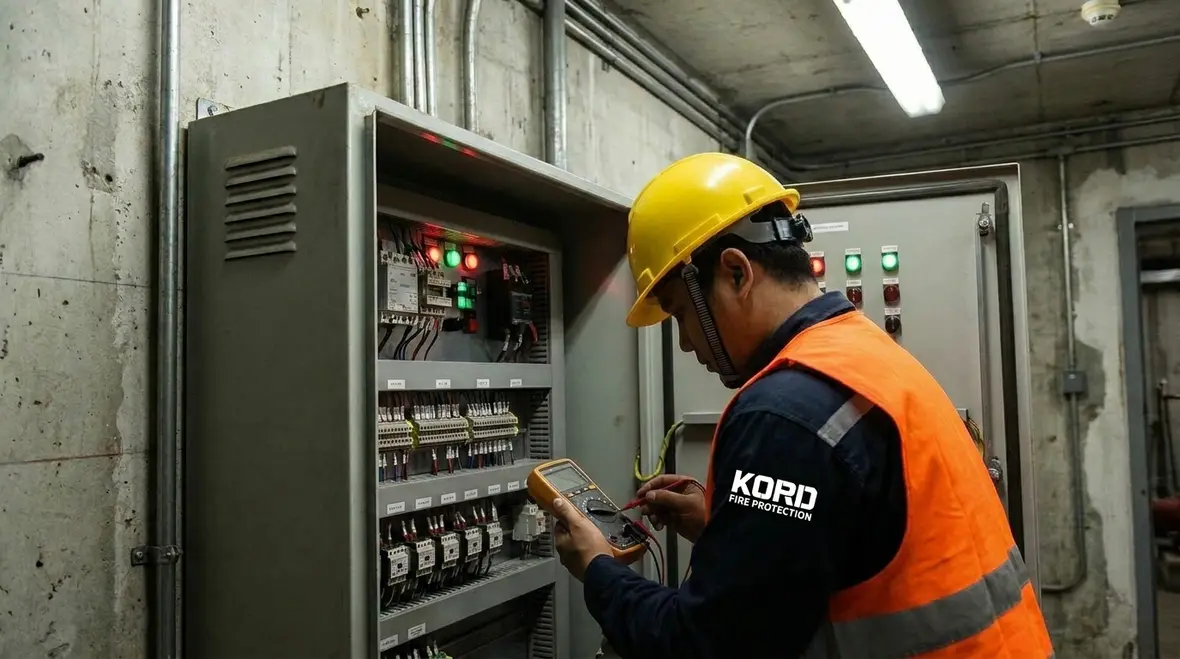
Fire pump control panel issues rarely arrive politely. One moment the system sits calm and ready, and the next moment alarms start chiming like a smoke detector that just learned it can do stand-up. This is why fire pump control panel troubleshooting matters right away. In the first pass, cord fire protection technicians typically verify power, check for tripped breakers, inspect panel indicators, and confirm the pump control mode matches the site needs. From there, they move into deeper checks such as pressure sensor health, flow switch logic, and the reason the controller chooses to start or refuse to start. Then, with a methodical eye, they log findings and recommend repairs that keep the system dependable, not just temporarily quiet.
What problems show up most on fire pump controllers
Most common faults land in a few familiar buckets. First, the panel shows an alarm or a fault without the pump running. Second, the pump starts but fails to reach expected pressure or stays in the wrong state. Third, the controller resets again and again, which can feel like it is trolling the building.
- Loss of control power or unstable voltage
- Bad wiring on the start signal, feedback, or auxiliary contacts
- Failed relays or contactors that stick in one position
- Sensor drift on pressure transducers or switches
- Auto mode and hand mode misconfiguration
- Incorrect parameter settings after prior service
And because fire safety systems work under stress, small errors often become big ones during a real demand. Therefore, the goal stays simple: find the cause, confirm the effect, and restore stable operation.
How technicians interpret panel LEDs and alarm codes
- Power status first to confirm the controller and control circuits receive clean energy
- Controller state to ensure it sits in the expected mode
- Alarm text and relay name mapping so the team interprets correctly
- Start permissives such as tank level, suction pressure, or valve positions
- Pump feedback such as running proof and contactor feedback
Electrical faults that trigger nuisance trips and dead starts
- Measure incoming voltage at the controller terminals
- Confirm proper phase rotation for three phase systems
- Inspect terminals for looseness, corrosion, or overheated spots
- Verify contactor coil voltage and continuity
- Check overload relay settings and trip history
- Inspect control wiring for breaks in start circuits or feedback loops
Sensor and pressure control problems that cause unstable performance
- Pressure transducer accuracy and calibration drift
- Wiring integrity for sensor signals, including shielding and grounding
- Setpoints and control ranges that match the system design
- Flow switch or water demand input that tells the pump when to run
- Check valves and suction conditions that affect pressure readings
Professional troubleshooting steps that reduce downtime
- Review last service notes, alarm history, and prior component replacements
- Confirm the system is in the correct operating mode for the test scenario
- Inspect the panel interior for damage, loose wiring, and heat marks
- Verify power quality and control voltage
- Test inputs one by one using safe test procedures
- Confirm feedback circuits match controller expectations
- Check pressure targets and confirm stable control behavior
- Log results and update settings only when needed and documented
Why record keeping and routine testing prevent repeats
Fire pump panels do not fail randomly. They fail because wear builds, settings drift, and components age. Therefore, owners and facility managers who keep clean records usually spot trends before alarms become emergencies. You can also review related insights on fire alarm system reliability and battery health to strengthen overall system performance.
FAQ
When a fire pump control panel starts acting up, the best move stays the same: bring in trained help and follow a proven troubleshooting path. Kord fire protection technicians use a clear sequence, confirm electrical and sensor inputs, and repair the root cause so the system performs in real demand.
If the panel shows faults, trips, or unstable pressure, reach out for a professional assessment and dependable next steps through Kord Fire Protection services. Because in fire protection, “close enough” does not cut it.

Join Our Newsletter!
Get the latest fire safety tips delivered straight to your inbox From our Newsletter.