
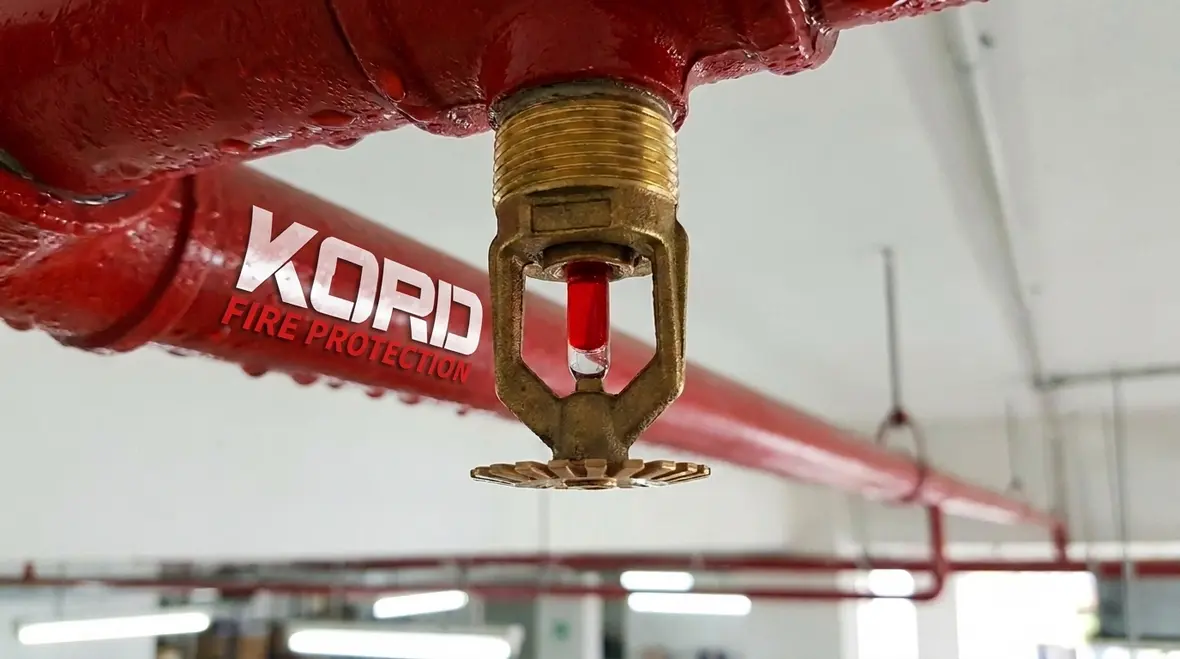
NFPA 16 Section 7.7: Temperature Ratings for Foam-Water System Sprinklers
Quick Answer
NFPA 16 Section 7.7 requires foam-water system sprinkler temperature ratings that match the design environment and the protection intent. Correct temperature rating selection prevents premature activation or failure to operate during fire conditions. Facilities must also confirm listing, inspection condition, and ongoing operational readiness.
What NFPA 16 Section 7.7 Requires for Foam-Water Sprinklers
NFPA 16 addresses foam-water systems for hazards where both suppression and application control matter. Section 7.7 specifically focuses on temperature ratings for foam-water system sprinklers, because sprinkler thermal response strongly influences detection and water delivery timing. In practical terms, the foam-water sprinkler temperature rating must align with the ambient temperature conditions the sprinkler faces, including potential heat sources, HVAC effects, and any seasonal or operational extremes.
Commercial facilities commonly discover compliance problems during renovations, tenant build-outs, warehouse rack changes, new rooftop units, or process equipment additions that alter ceiling temperatures. A temperature rating mismatch can lead to nuisance operation in warmer conditions or inadequate actuation in conditions where response needs to be reliable.
For a complete compliance reference framework, consult Kord Fire Protection’s NFPA 16 standard overview.
Why Temperature Rating Selection Becomes a Real Operational Issue
The temperature rating on a sprinkler is not a cosmetic label. It governs the thermal element response and the point at which the sprinkler transitions from closed to operating. Foam-water systems also add complexity because the system design must coordinate foam concentrate delivery, water flow, and discharge pattern at the fire location. If the sprinkler opens too early, the hazard protection can fail to perform as designed due to premature discharge and system depletion. If it opens too late or never, the foam-water application may not reach the seat of the fire in time.
Common commercial site conditions that affect sprinkler temperature response
-
HVAC air distribution that changes ceiling stratification during different operating schedules.
-
Heaters, make-up air units, and process exhaust that raise localized temperatures near sprinkler linkages.
-
Warehouse loading and storage practices that alter airflow and radiant heat exposure at ceiling height.
-
Seasonal climate swings in retail and light industrial facilities with intermittent building heat.
Failure point pattern seen in audits and service visits
Most temperature rating issues do not occur because a facility intentionally installs the wrong rating. They occur because maintenance teams replace sprinklers during leaks or damage without verifying the original temperature rating, listing, and installation basis. Another frequent problem involves mixing sprinklers from different original project specifications after ceiling modifications.
How Foam-Water Systems Use Sprinkler Activation Timing
Foam-water systems rely on sprinkler activation to start the chain of system operation. The system then discharges water and foam in the designed proportions and sequence. The temperature rating therefore affects:
-
Activation reliability under expected ceiling temperature and heating conditions.
-
Timing synchronization with foam proportioning and delivery components.
-
Discharge duration and extent after activation, which directly impacts extinguishment effectiveness.
From a field engineering standpoint, service personnel should treat temperature rating compliance as part of the system performance package, not as an isolated sprinkler label check. When temperature ratings do not match the design intent, downstream equipment can appear to “work” in testing but still fail under real fire dynamics.
If your facility is evaluating broader inspection and upkeep needs, foam fire suppression inspection requirements and service can help connect temperature rating verification with the rest of the system readiness picture.
Installation and Listing Checks That Prevent Noncompliance
NFPA 16 Section 7.7 expectations translate into practical inspection and verification steps. Facilities should implement a disciplined approach during new installation, maintenance, and after any ceiling or mechanical change.
Verification steps that commercial teams can standardize
-
Confirm the required temperature rating against the original design documents and the installation criteria used for the hazard location.
-
Verify sprinkler listing and identification so the temperature rating, manufacturer model, and temperature design correspond to the approved system scheme.
-
Check ambient influences from HVAC outlets, radiant processes, and heat-producing equipment near the protected area.
-
Document replacements with service records that include the exact temperature rating installed and the reason for replacement.
-
Inspect physical condition for corrosion, impact damage, or signs of thermal cycling that can indicate improper operating history.
Commercial compliance teams often discover late-stage problems when maintenance uses a “close enough” sprinkler temperature rating replacement. Even if the sprinkler appears similar, the thermal response can shift enough to undermine the hazard intent of the system.
Inspection, Testing, and Maintenance Practices for Temperature Rating Compliance
Sprinkler temperature rating compliance connects directly to ongoing inspection and service quality. A foam-water system can be fully operational on paper but still be out of compliance due to incorrect replacement parts, improper repairs, or unaddressed environmental changes.
Key maintenance and inspection considerations
-
Replacement control: ensure only the specified temperature rating is used, supported by manufacturer and project documentation.
-
Ceiling changes: treat light fixture swaps, insulation additions, or duct modifications as sprinkler thermal condition change triggers.
-
Ongoing records: maintain a clear “as-installed” temperature rating inventory for foam-water system sprinklers.
-
Seasonal monitoring: where HVAC schedules vary significantly, confirm temperature-related assumptions remain valid.
Kord Fire Protection supports commercial facilities with field verification, compliance documentation, and maintenance readiness practices that reduce the risk of temperature rating mismatches. This includes supporting system inspections, helping track replacement history, and coordinating corrective action after renovations or component failures. For more background on NFPA 16 program expectations, see https://kordfire.com/nfpa-16-standard/.
Frequently Asked Questions
Conclusion and Call to Action
NFPA 16 Section 7.7 turns sprinkler temperature rating into a performance and compliance requirement, not a minor detail. Facilities should verify as-installed temperature ratings, control replacements, and reassess sprinkler thermal conditions after renovations or mechanical changes. Kord Fire Protection helps commercial, industrial, and retail teams maintain correct installation, documentation, and service readiness. Schedule an NFPA 16 focused review to confirm temperature rating compliance and reduce risk before it becomes an audit issue.

Join Our Newsletter!
Get the latest fire safety tips delivered straight to your inbox From our Newsletter.



