
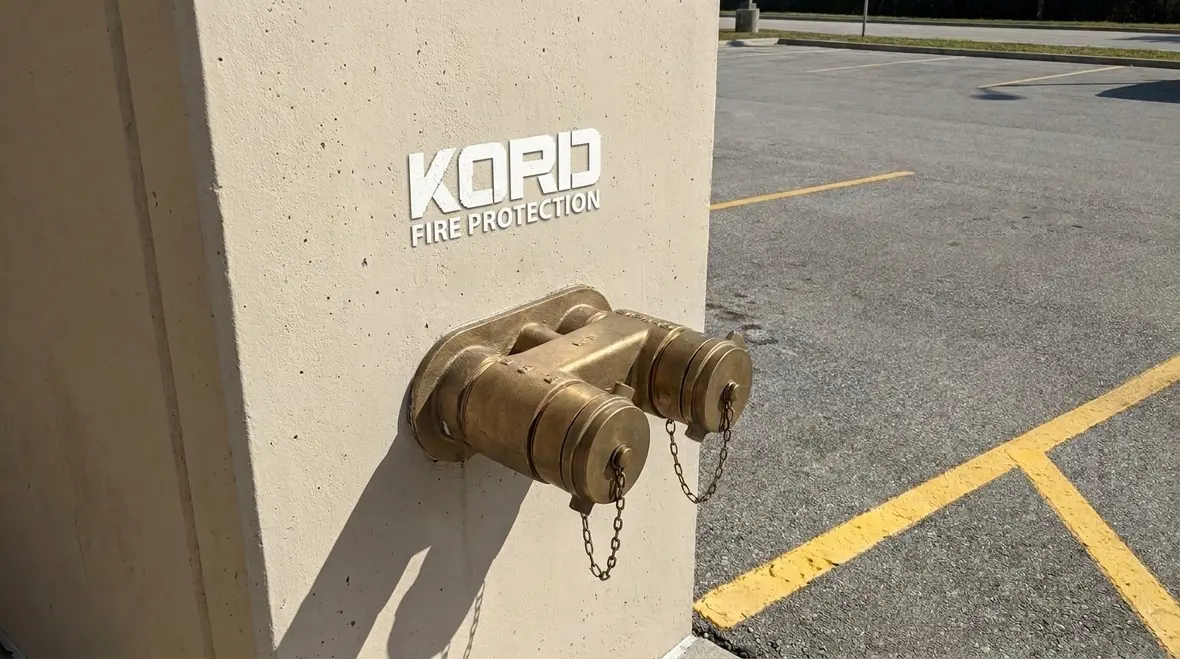
NFPA 16 Section 7.9: Installing the Fire Department Connection for Foam Systems
Quick Answer: NFPA 16 Section 7.9 requires fire department connections (FDCs) for foam-water systems to be installed for correct operation, reliable foam supply, and safe, identifiable use. This includes proper locations, signage and marking, hose connection compatibility, and inspection readiness for ongoing testing.
What NFPA 16 Section 7.9 expects for FDC setup in foam-water systems
NFPA 16 governs the installation and testing of foam-water fire protection systems, including how crews connect fire apparatus to the system. Section 7.9 focuses on the FDC because it acts as the interface between a fire department pumping source and the foam system piping. In practice, the goal is straightforward: crews must be able to connect quickly, match the correct connection types, and deliver foam solution as designed without bypassing critical control functions.
For facility teams, proper FDC installation foam-water systems work depends on more than selecting a fitting. Compliance failure often shows up later during drills, inspections, or live-flow testing when mismatched threads, incorrect check valve behavior, obstructed access, or missing identification delays operations.
If your facility is also reviewing foam fire suppression inspection requirements and service, this article fits naturally into that bigger readiness picture. For a broader standard overview, refer to NFPA 16 Standard requirements.
Where the FDC goes: location, access, and operational usability
Section 7.9 aligns the FDC installation with real-world firefighter workflow. That means the connection must be accessible, unobstructed, and positioned so apparatus hoses can be routed without strain or unsafe angles. Common commercial and industrial placement issues include vehicle loading docks restricting access, landscaped islands blocking sightlines, or FDCs installed behind fences that delay opening during an emergency.
Facilities typically need to coordinate with civil and site teams to ensure the FDC is positioned for hose reach and safe stepping surfaces. Retail and mall complexes also see problems when construction changes or tenant buildouts block previously clear paths. Kord Fire Protection recommends treating FDC access as a maintained condition, not a one-time installation detail.
Connection design: matching the fire department and preventing system upset
The FDC must connect to the system in a way that maintains the foam-water design intent. This includes ensuring the connection type, size, and orientation support quick attachment by trained responders. For foam systems, the FDC must also integrate properly with downstream hydraulics and foam concentrate delivery components so the system can generate foam at the required rate and concentration.
Operational reliability depends on preventing common failure points, including:
Mismatched hose couplings or incorrect connection thread standards: results in delays during hookup and the potential for partial connection leaks.
Mispositioned or reversed check valve behavior: can allow unwanted backflow, reduce foam concentrate delivery, or trap air that disrupts discharge.
Improper fittings or transitions: can create flow restrictions, turbulence, or pressure loss that impacts foam quality.
Incorrect orientation of the FDC: can cause kinking or twisting of department hoses, especially when the apparatus has to approach from limited angles.
When FDC installation foam-water systems are engineered, designers and installers must confirm the fire department’s typical hose and pumping interfaces expected for the jurisdiction. Kord Fire Protection routinely verifies that facility documentation and field conditions match the system’s designed hookup method before the first annual inspection cycle.
Signs, markings, and documentation: compliance that crews can use
NFPA 16 Section 7.9 emphasizes usability. In foam-water systems, the connection interface must communicate what responders need, where to connect, and how it supports foam generation. This often includes required marking, identification for foam type or system type, and placement that can be read quickly during emergency operations.
Commercial facilities commonly overlook these items during tenant remodels, new signage campaigns, or facade upgrades. Even if the physical hardware remains correct, faded labels, overwritten stencils, or missing plates can create real response delays.
High-performing facilities maintain a simple verification workflow:
Confirm markings are visible from the approach direction used by fire apparatus
Verify the FDC label matches the foam system design and concentrate type
Keep as-built piping diagrams on file and aligned with the installed configuration
Kord Fire Protection supports ongoing compliance by aligning field marking checks with routine system inspections, so the facility stays prepared between scheduled testing events.
Inspection, testing readiness, and maintenance that prevent later failures
Even when installation meets the intent of NFPA 16 Section 7.9, systems can drift out of compliance due to routine site changes. The FDC is a high-risk component because it experiences physical impacts, weather exposure, and access traffic. Maintenance must confirm mechanical integrity and ensure the connection remains functional as designed.
Facility teams should prioritize these maintenance and inspection considerations:
Physical condition: check for corrosion, missing caps, damaged hoses connections, or loose fasteners.
Valve and check control functionality: confirm that backflow prevention and isolation components respond correctly during system operation and test procedures.
Piping alignment and supports: verify no settlement or movement that could affect flow or create strain at the FDC interface.
Drain and purge behavior: ensure the system can clear air and water where required for proper foam operation.
Access pathway continuity: confirm that fencing, landscaping, and new site equipment do not block the FDC during an emergency response.
In many buildings, the first visible sign of a developing issue occurs during annual testing. Air entrainment, inconsistent flow, or check valve sticking can reduce foam quality and force repeat testing. Proactive service by experienced technicians reduces downtime and improves reliability when it matters.
Common compliance challenges in commercial, industrial, and retail environments
Field observations show predictable patterns when FDC installation foam-water systems are installed or maintained without a life cycle plan. These patterns matter because commercial facilities often face constant change, while foam systems require stable interfaces.
1) Construction and site reconfiguration
Parking layout changes, dock expansions, new barriers, and updated curb lines can shift hose approach angles or obstruct the FDC. Even small relocation of planters or temporary construction fencing can affect accessibility during emergency calls.
2) Documentation drift and labeling mismatches
Tenant spaces sometimes trigger updates to signage, but the FDC label and system drawings are not updated. When responders arrive, they rely on labels to confirm they are connecting to the right system.
3) Poor weather protection and capped connection care
Outdoor FDC assemblies require durable caps and protection against water intrusion and debris. Without consistent maintenance, connection faces corrode or threads become difficult to engage.
4) Lack of coordinated verification with local fire services
Fire departments vary in preferred hose coupling styles and pumping setups. Jurisdiction coordination reduces the likelihood of incompatible hookup during training or emergency response.
Kord Fire Protection helps facilities close these gaps through field verification, inspection discipline, and documentation alignment that supports continuous compliance. This approach reduces last-minute operational surprises and helps ensure the foam system performs as designed when the FDC is used.
Frequently Asked Questions
Conclusion and Call to Action
NFPA 16 Section 7.9 places the FDC at the center of foam-water reliability. A compliant FDC installation foam-water systems setup requires correct interface design, accessible placement, accurate labeling, and disciplined inspection and maintenance to avoid operational failures during real events. Kord Fire Protection provides field verification, inspection readiness, and ongoing service support so your foam system remains dependable across commercial life cycle changes. If you need broader fire suppression system services to support inspection, maintenance, and compliance planning, Kord Fire can help. Schedule a compliance-focused FDC review today.

Join Our Newsletter!
Get the latest fire safety tips delivered straight to your inbox From our Newsletter.



