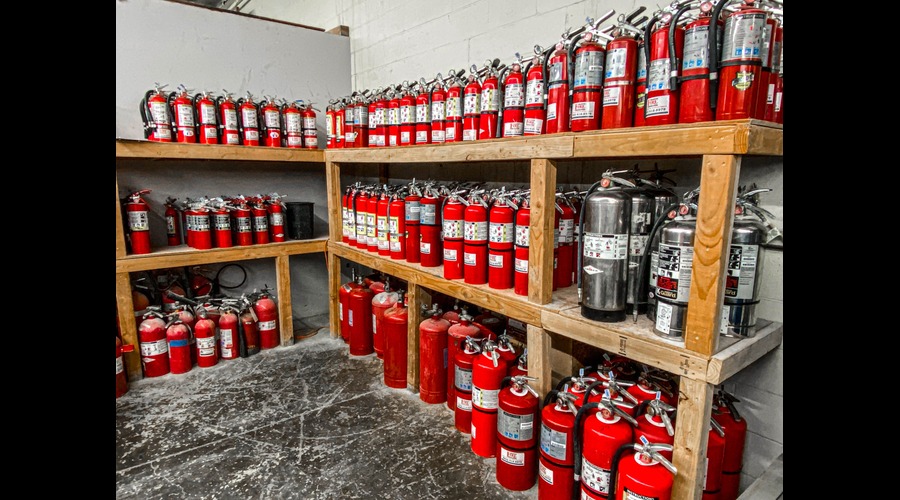
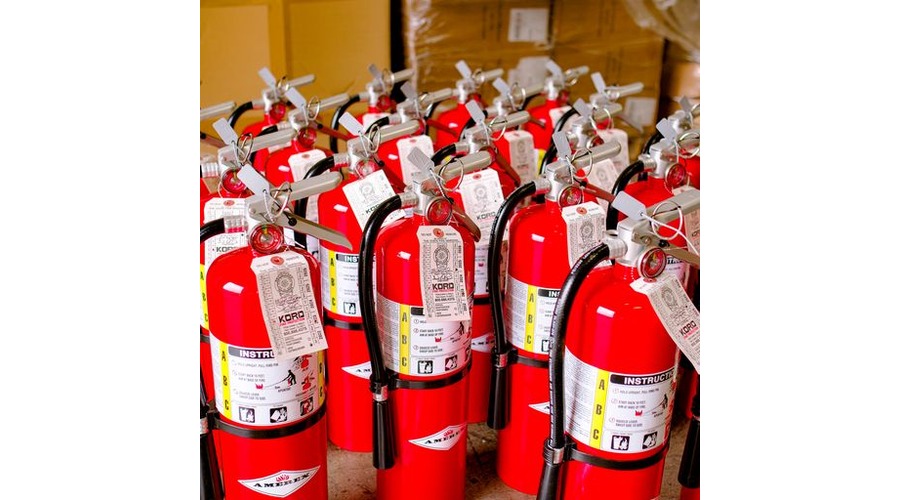
Fire Extinguisher Placement Guide for Strategic Distribution
Fire extinguisher placement guide first, always. In the real world, teams do not fail because they lack courage, they fail because equipment lands in the wrong spot. So, this article begins where action starts: use a fire extinguisher placement guide to choose locations that are visible, reachable, and aligned with the room layout. Next, match extinguisher type to likely hazards, then plan spacing so people can grab the right unit fast, even in smoke and stress. From there, strategic distribution becomes a system, not a guess. And yes, kord fire protection technicians explain this every day, because “we’ll figure it out later” is a fun plan for movies, not for buildings.
Strategic distribution sets the pace for fire response

When a fire starts, seconds matter. Therefore, strategic extinguisher distribution aims to reduce the time between ignition and first response. A smart setup does not just sprinkle units around like confetti. Instead, it places them where trained occupants and responders can access them quickly from normal paths of travel.
Also, distribution ties to how people move. For example, hallways, entrances, and near common equipment areas tend to see faster grabs. Meanwhile, areas hidden behind doors or tucked in corners force delays. In other words, you want the extinguisher to feel like the easiest tool in the room, not a scavenger hunt.
kord fire protection technicians often walk clients through this with a simple truth: if people cannot reach the extinguisher without turning back, climbing, or weaving through obstacles, the system loses value. And that is before we even talk about smoke, heat, and panic.
How placement should follow real building layouts
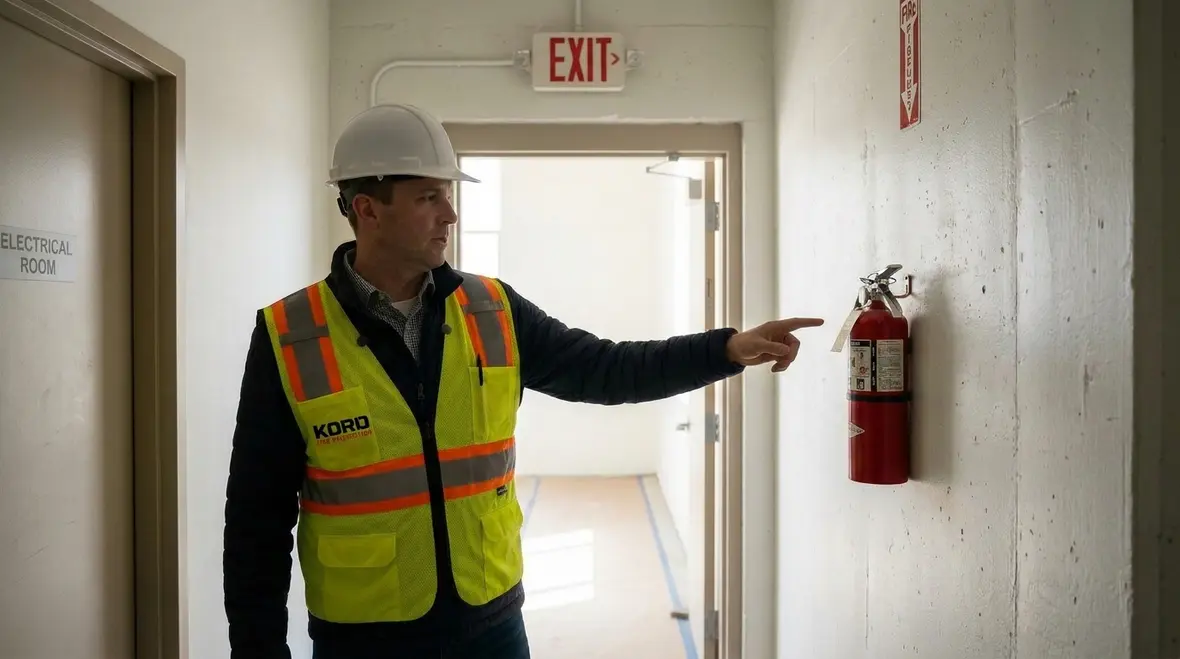
Every building tells a different story. So the plan must follow traffic flow, door swing direction, and the placement of high risk items. During walkthroughs, technicians look at sightlines and barriers. For example, a cabinet might look fine on paper, but in practice it sits behind storage racks that shrink the usable path.
Next, they check reachability. That means the extinguisher should mount at a height that most staff can operate without awkward stretching. Additionally, they confirm that the location supports quick use by the same people who will stay and respond. If a unit requires a ladder, it might as well be in a museum.
They also review travel paths. A proper fire extinguisher placement guide is not only about where the extinguisher sits. It also considers how occupants exit the area while accessing it. In many cases, the best spots sit near exits but not directly blocking them, so people can grab and still move safely.
Choosing the right extinguisher reduces the wrong decisions
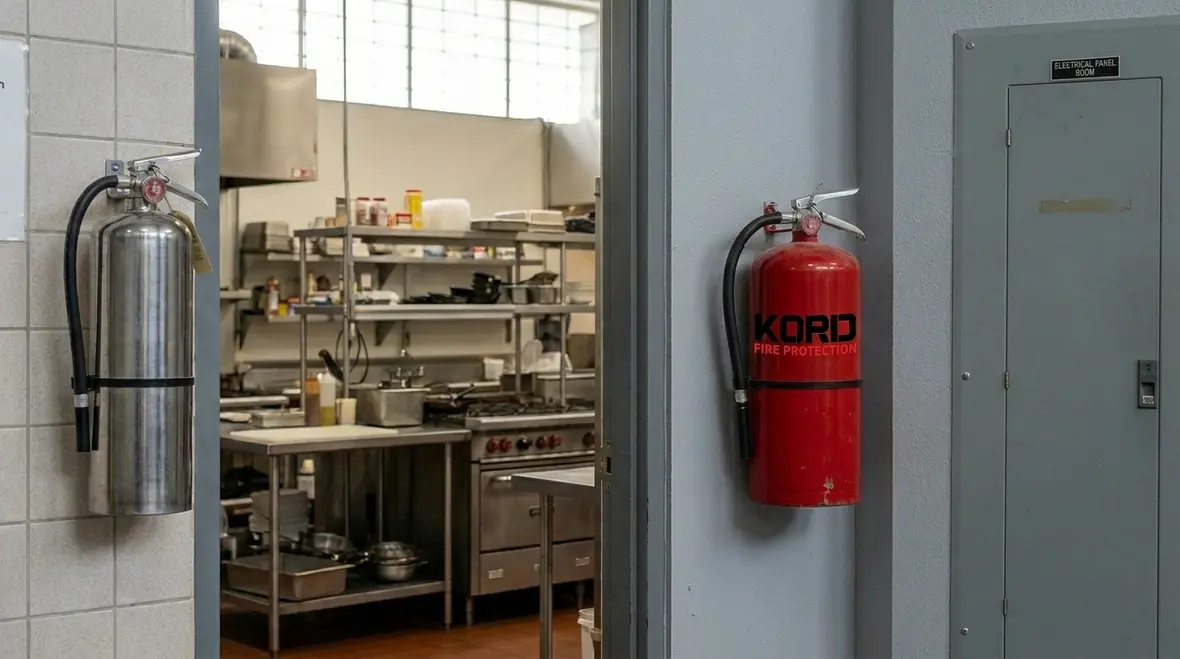
Distribution without correct selection is like giving everyone a hammer and hoping for great plumbing. The extinguisher must match the hazard. That means staff and responders need units that can handle the likely fuels and ignition sources in each space.
For example, cooking areas often require protection designed for grease and cooking vapors. Meanwhile, electrical rooms and areas with wiring demand equipment built to manage energized hazards safely. And for general combustibles, units suited for ordinary solid materials can make first response more effective.
Of course, the goal is not to turn occupants into firefighters. The goal is to help them stop small fires early. To do that, technicians focus on hazard mapping. Then, they align extinguisher types with that map, so the right tool sits at the right point in the response path.
kord fire protection technicians explain this in plain terms: “If the fire starts as an electrical event and you mount a unit meant for paper, you just invited the flames to keep writing the script.” That joke usually earns a laugh, and then clients get serious fast.
Distribution planning improves coverage and avoids blind spots
A strong plan covers the building without creating gaps where fires can grow. Therefore, coverage calculations and spacing rules matter. They help ensure that a person reaching for an extinguisher can do so quickly and that the protected area receives reasonable reach.
At the same time, planning avoids crowding. When too many units sit in one zone, teams waste effort and still miss other risks. So technicians treat distribution like a balancing act: enough units where hazards concentrate, and smart positioning where travel routes pass.
To make this easier to see, some clients use a simple layout review. Here is an example of how coverage logic connects to real placement choices:
| Where risk concentrates | How technicians place equipment |
| Kitchen prep zones and hood area | Near exits and close to common access paths |
| Electrical panels and data closets | Mounted for quick reach without blocking access |
| Storage and supply rooms | Placed so units remain reachable despite aisle use |
Now, notice what this does. It ties fire extinguisher placement guide thinking to hazard behavior, not just wall space. That is where the plan becomes operational, not decorative.
Training, signage, and maintenance keep the plan alive
Even the best distribution plan fails if staff cannot find or trust the equipment. So teams support placement with clear signage and easy access. They also maintain units so they remain ready.
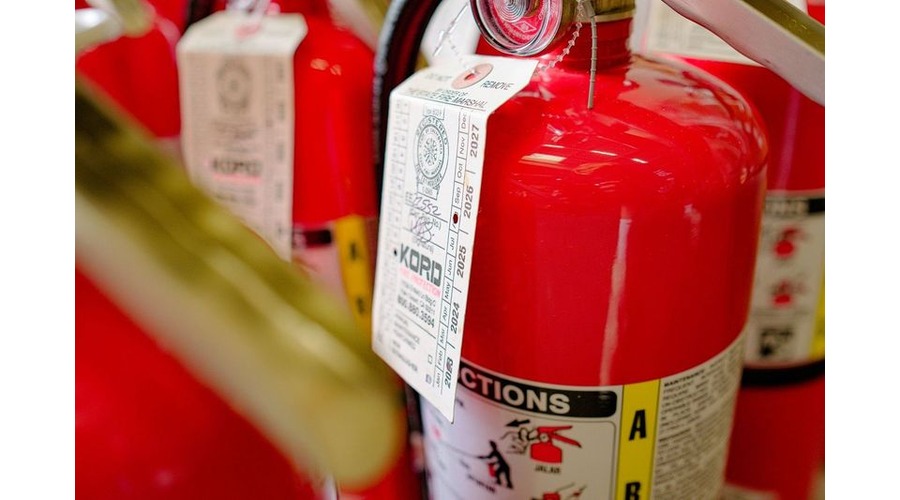
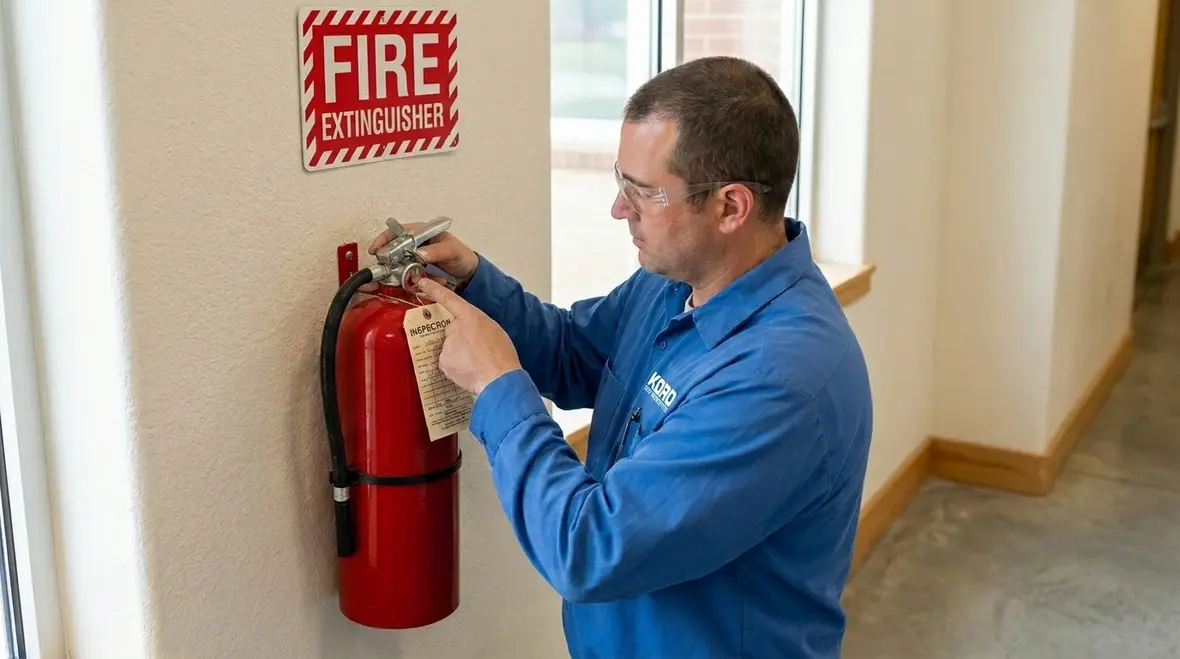
Therefore, technicians verify mounting security, clear pathways, and inspection dates. They check that hoses are not kinked, gauges are in range, and labels remain readable. In addition, they confirm that no changes to the room layout block access over time. Because people rearrange things. It is what humans do. One day it is a small display, the next day it is a tower of boxes blocking the extinguisher. The room never tells you it changed, but the risk sure does.
Then, staff training connects the dots. kord fire protection technicians often stress that training should include simple actions like recognizing hazards, selecting the right extinguisher type, and using the PASS steps in a calm, coached way. And yes, the first time many people practice, they look like they are auditioning for a drama class. That is normal. Better awkward rehearsal than heroic improvisation.
Common distribution mistakes that slow down response
Many buildings install extinguishers, but they do not always distribute them for fast response. As a result, certain patterns keep showing up.
First, units get hidden behind doors or placed where furniture blocks the view. Second, teams mount extinguishers too high, assuming everyone has the same reach. Third, selection mismatches the hazard area, so occupants grab the wrong type. Fourth, maintenance lapses cause units to fail inspection even when they look “fine.”
Additionally, some plans ignore changes. A tenant adds equipment, a storage area expands, or a new wall goes up. Then, the original distribution plan becomes outdated. That is why scheduled reviews matter. teknicians do not just install and leave. They help clients keep the system working as the building evolves.
So, if a plan feels static, it probably needs a refresh. Buildings are not statues. They shift, grow, and adapt. Fire safety must do the same.
FAQ about strategic extinguisher distribution
Ready to improve coverage and response time?
Strategic extinguisher distribution turns fire response into a repeatable action, not a hope. When kord fire protection technicians review your building layout, hazard types, and access paths, they spot gaps that slow first response and they align placement with real movement.
If your plan feels dated, or if your spaces have changed, now is the time to update it. Contact kord fire protection technicians to get a clear assessment, practical recommendations, and a safer setup that stays ready when it matters.

Join Our Newsletter!
Get the latest fire safety tips delivered straight to your inbox From our Newsletter.