Fire Protection System Remote Monitoring for Faster Response
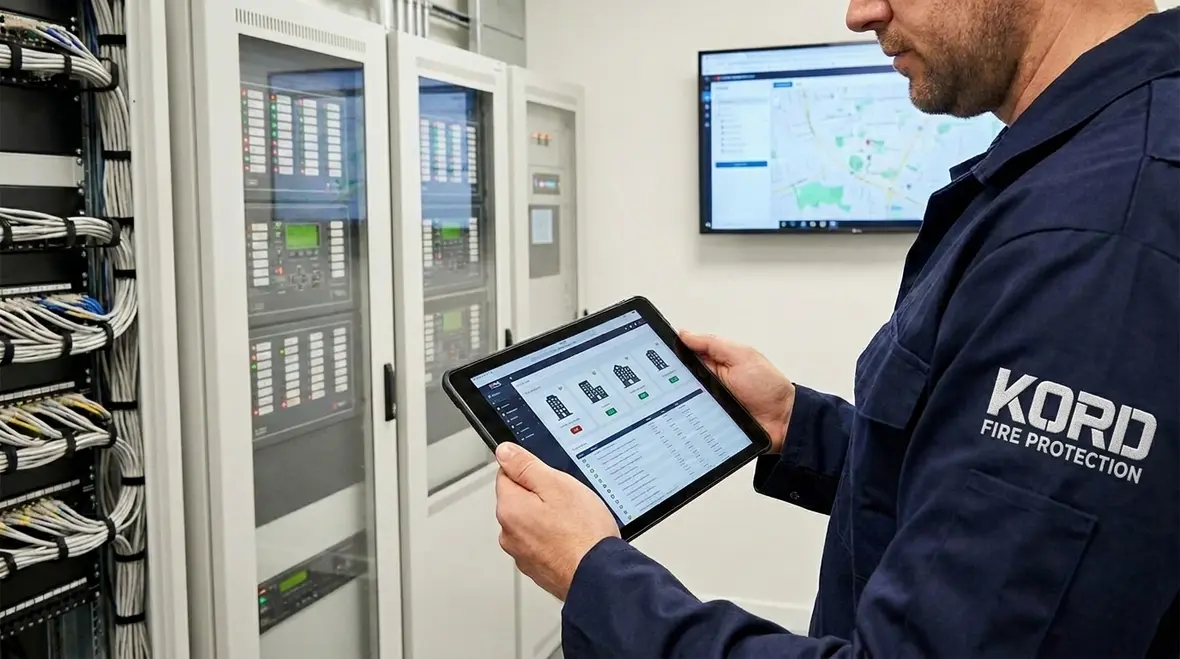
When a fire alarm system is installed, the job should not end at the panel and a printed checklist. With fire protection system remote monitoring, teams can watch key system signals from off site, spot trouble early, and reduce the time between a problem starting and someone responding. As kord fire protection technicians explain, this is not about “spying on buildings” like a bad spy movie. Instead, it helps facilities keep protection active, and it helps managers act before a small issue turns into a big call, a big bill, or a big headache. And yes, it still counts as responsible adulthood.
That practical advantage becomes even clearer when buildings are empty overnight, stretched across multiple sites, or managed by teams that already have enough on their plate. Kord Fire Protection’s fire alarm monitoring approach centers on getting signals seen quickly, routed clearly, and acted on with less confusion. It is the difference between learning about a problem after it has grown teeth and catching it while it is still a manageable annoyance. For facilities that want fewer surprises and more control, that is a very good trade.
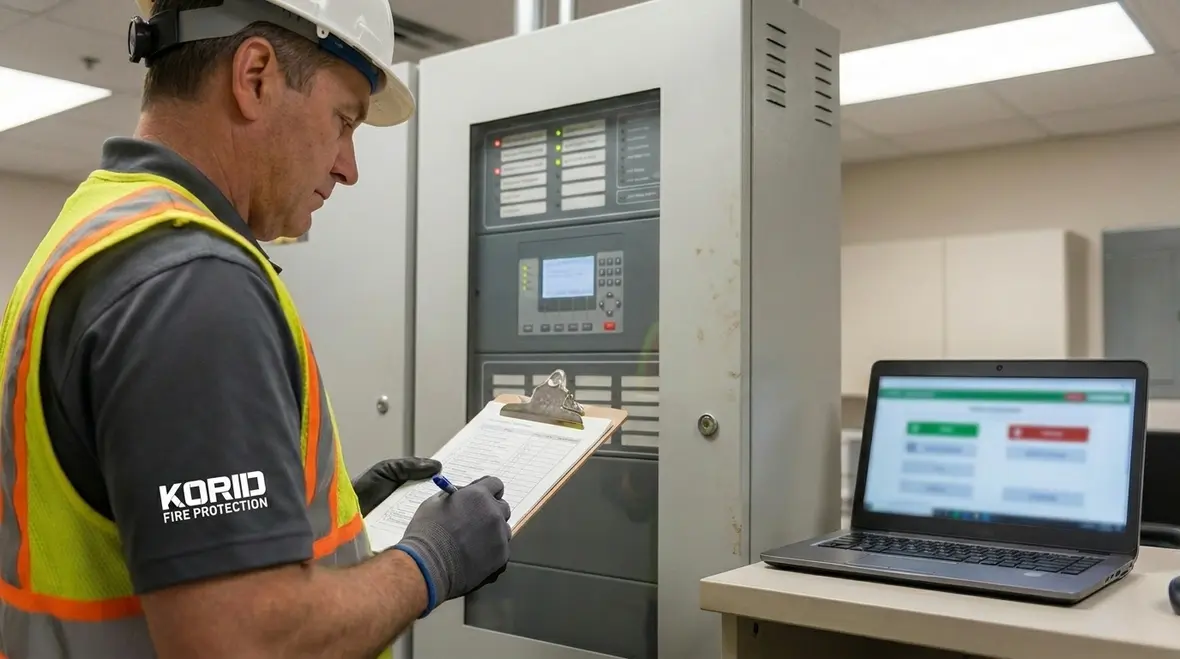
Why remote monitoring improves fire readiness
Remote monitoring strengthens fire safety because it brings awareness to the places where people cannot stand guard 24 hours a day. Instead of waiting for a late night phone call that starts with “We just saw something,” the system can send alerts when a device reports a fault, a tamper, or an abnormal state. Then teams can investigate while the problem is still minor.
Furthermore, kord fire protection technicians often note that early detection matters more than most people realize. If a sensor drifts out of range, or a wiring issue shows up as intermittent trouble, catching it sooner can prevent a future failure during an emergency. In short, remote visibility supports faster correction, which improves reliability.
From silence to visibility
Buildings do not usually announce small system issues with dramatic flair. They whisper. A panel logs a trouble. A communication path blinks. A device starts behaving just oddly enough to become future-you’s problem. Remote monitoring turns those whispers into visible events that can be reviewed, tracked, and handled before they become emergency theater.
Faster fault detection and clearer decision making
Many facilities run on limited time and limited staffing. As a result, troubleshooting needs to be focused, not frantic. With fire protection system remote monitoring, alerts arrive with context so the right person can act quickly. For example, remote events can show patterns such as recurring device trouble or intermittent panel signals. That helps technicians diagnose the cause with less guesswork.
In addition, clear reports reduce “round two” work. Instead of sending someone out only to confirm what a manager already suspects, the technician can prepare for the specific service tasks. Therefore, the response becomes more efficient, and maintenance actions get completed with fewer site visits.
This is also where good monitoring starts paying off operationally, not just technically. When event details are organized, teams spend less time swapping screenshots, making guesses, or re-explaining the same panel behavior to three different people. Decisions get made faster because the information is less fuzzy. Oddly enough, fewer mystery signals tends to improve everyone’s mood.
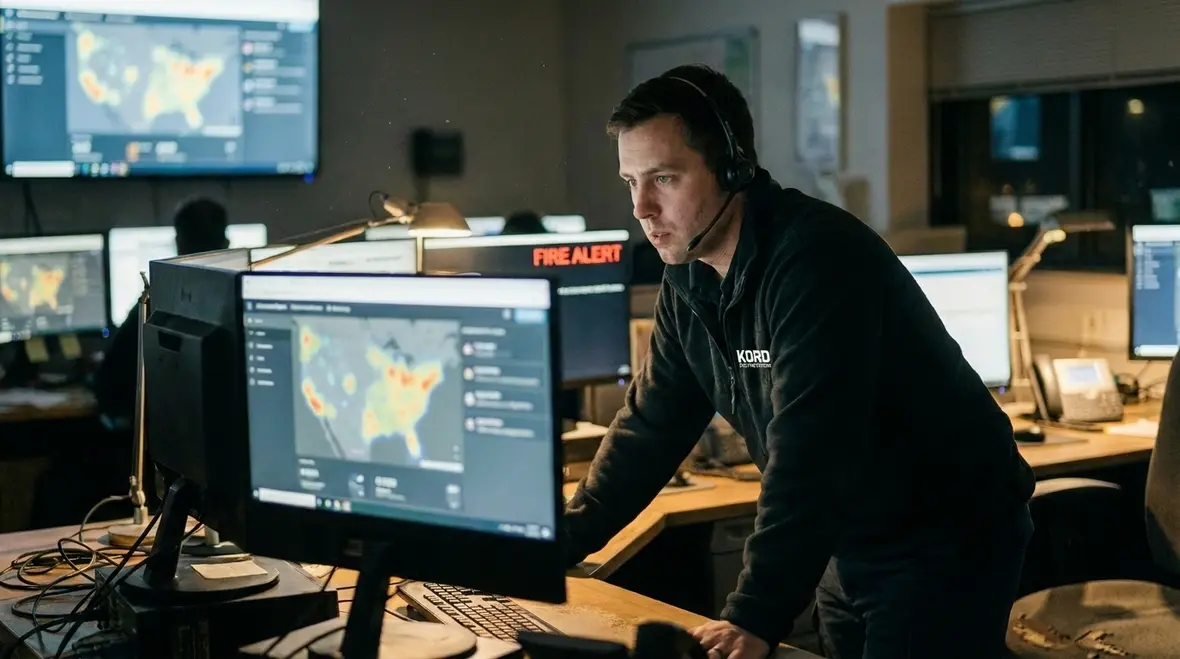
Reduce unnecessary callouts with smarter triage
Not every alert signals a real threat. Sometimes a building experiences nuisance conditions, short-lived disturbances, or configuration changes. Remote monitoring supports triage, which means teams can sort alerts by urgency. When the data shows a condition is temporary or has a known cause, teams can schedule service during business hours. Meanwhile, they can escalate true emergencies immediately.
And if you have ever watched a group of humans argue about whether a light was “really on,” then you know why this matters. Remote documentation cuts down on confusion. It also helps leadership track recurring issues so they can fix the root cause, not just swat the symptom.
kord fire protection technicians explain that this approach improves consistency across properties. When the monitoring and response rules are set, the building does not rely on memory or luck. It runs on a process.
Why documented alerts matter
A documented event trail makes it easier to answer basic but important questions: What happened, when did it start, who was notified, and did it happen before? That kind of clarity is useful during service, useful during internal review, and very useful when nobody wants to hear the phrase “I thought someone else handled it.”
Support compliance and maintenance documentation
Fire systems come with rules, schedules, and documentation requirements. Remote monitoring helps maintain records that show when issues occurred, when notifications were sent, and when they were cleared. That information can support maintenance reporting and audit readiness.
Moreover, remote systems can track events that might otherwise be missed between inspections. If a trouble signal appears and resolves before the next scheduled visit, monitoring can still log it. This creates a more complete maintenance story.
As kord fire protection technicians advise, better logs also help plan future work. If a specific device fails repeatedly, the data highlights it. Then the facility can replace or upgrade the component before it becomes a recurring disruption.
Facilities that want stronger documentation can also benefit from related reading on what fire alarm monitoring is and how it works, especially when comparing detection, notification, and ongoing monitoring as separate but connected parts of a complete life safety plan.
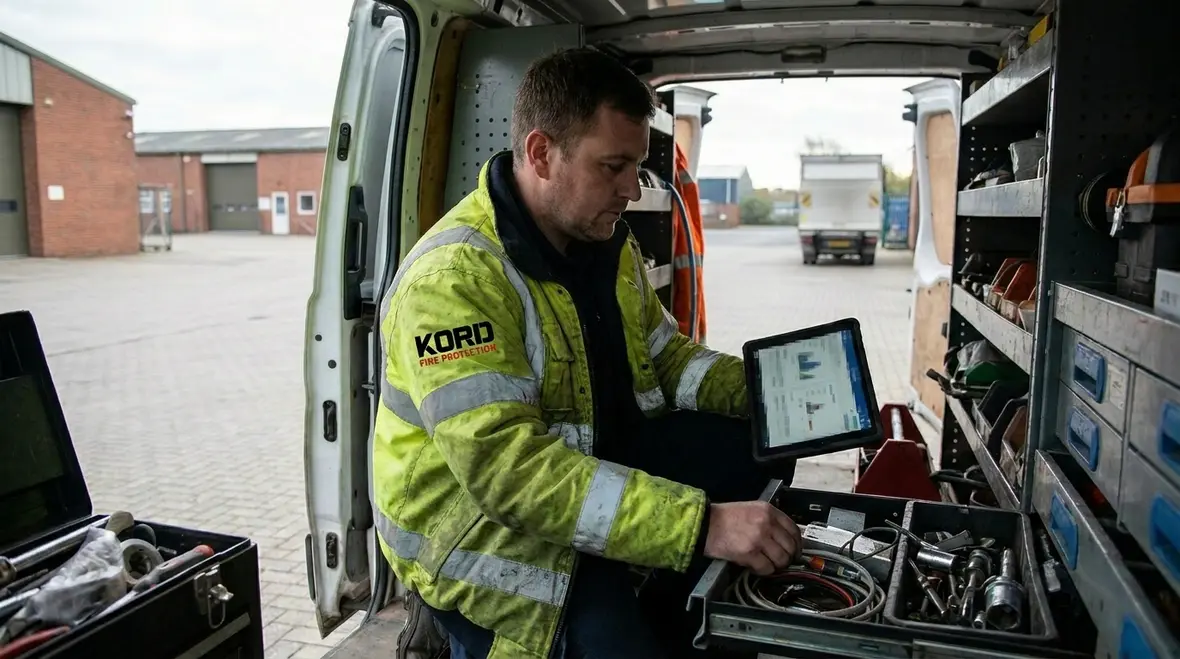
Improve response times across multiple locations
Remote monitoring becomes especially valuable when a company manages more than one site. Instead of treating each building as an isolated island, teams can view conditions across locations and prioritize action. Then they can send the right technician, with the right parts, to the right place.
In practice, that means fewer delays. For example, if a panel reports a critical issue at one address, staff can respond while they still have time to control damage. Meanwhile, they can schedule repairs for noncritical trouble codes. Transition from “reactive” to “planned” is where the real business value shows up.
Even a well run facility can struggle with staffing. Therefore, the ability to coordinate remotely helps organizations protect people while keeping operations moving.
This advantage lines up closely with Kord Fire Protection’s overview of how fire alarm monitoring improves response time, where the focus stays on turning system signals into faster action instead of delayed discovery.
Strengthen system health with proactive maintenance insights
Remote monitoring does more than send alerts. It also supports proactive maintenance by highlighting trends. When a system shows repeated trouble states, it often points to aging components, environmental stress, or installation wear. Over time, these insights can guide targeted maintenance.
For instance, if certain circuits or devices report trouble more often than others, technicians can focus testing and replacement. That prevents failures that could happen during the busiest weeks of the year. Also, it helps avoid emergency repairs that cost more and disrupt operations.
kord fire protection technicians often stress that “proactive” means using data, not hope. With remote system signals and event history, teams can make decisions based on evidence. That approach reduces guesswork and improves the protection plan.
Data beats crossed fingers
There is a certain optimism in assuming that a recurring trouble condition will simply stop being annoying on its own. Unfortunately, systems are not usually moved by optimism. Historical event data gives technicians something better: patterns, frequency, timing, and enough detail to separate random noise from a component that is slowly asking for retirement.
Remote monitoring setup: what facilities should plan for
To get results, facilities need a solid setup. First, they should confirm the monitoring points, such as panel status signals and device trouble events. Next, they should set alarm routing so alerts reach the right people fast. Then they should define service response expectations, including who investigates, who escalates, and who clears events.
Additionally, a good monitoring plan includes regular review. Alerts should not be ignored, even when they seem minor. Instead, teams should evaluate trends and adjust maintenance schedules. Finally, training matters. When facility staff understand the meaning of monitoring messages, they respond correctly the first time.
That is where business casual becomes smart. It means doing the work, not just wearing it. And it keeps everyone from treating every notification like an email from a distant coworker: “It might be important… probably.”
If the goal is a monitored system that supports real response, it also helps to review Kord Fire Protection’s fire alarm monitoring systems service page and the broader full fire protection services page when planning upgrades, service coverage, and ongoing support.
FAQ about remote monitoring for fire systems
Conclusion: take action now
Fire safety should not rely on luck, late patrols, or hoping a trouble signal stays quiet until the next visit. With fire protection system remote monitoring, teams gain faster awareness, better triage, stronger documentation, and proactive maintenance insights. kord fire protection technicians recommend starting with a clear setup plan, then reviewing alerts regularly so the system supports real work.
If a building manager wants fewer surprises and safer outcomes, now is the time to explore Kord Fire Protection’s fire alarm monitoring systems and request support through the fire alarm monitoring service request page. Faster awareness is useful. Faster action is better.

Join Our Newsletter!
Get the latest fire safety tips delivered straight to your inbox From our Newsletter.