
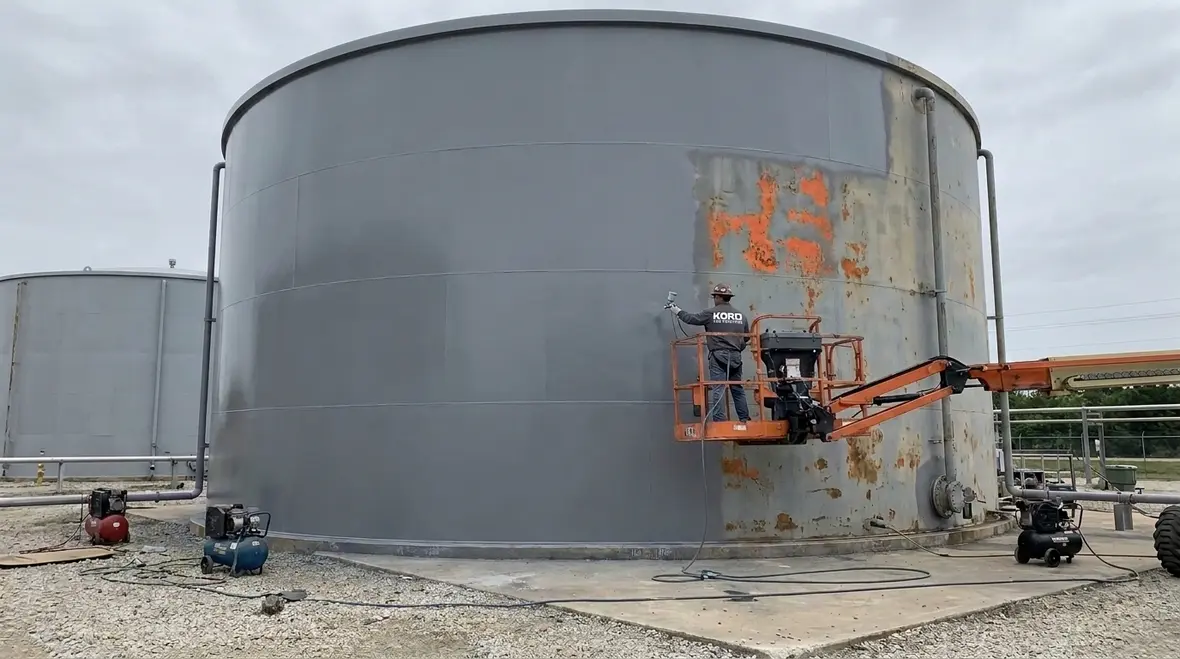
NFPA 22 Section 5.6: Painting and Corrosion Protection for Steel Water Tanks
Quick Answer
NFPA 22 Section 5.6 requires steel water tanks to receive proper painting and corrosion protection systems appropriate for the tank’s environment and water use. Effective protection supports structural integrity, maintains reliability of the water supply, and reduces inspection and maintenance failures in commercial facilities.
For facilities managing fire protection infrastructure across multiple assets, coordinated fire pump acceptance testing requirements can fit naturally alongside water tank compliance planning so readiness is documented across the full water supply chain.
Why painting and corrosion protection matters for steel tank reliability
NFPA 22 treats the fire protection water supply as mission critical. For steel water tanks, coatings do not just improve appearance. They control corrosion mechanisms that can degrade tank wall thickness, compromise fittings, and create conditions that increase maintenance downtime. For facilities implementing painting and corrosion protection steel water tanks, the compliance goal is consistency: coating selection, surface preparation, application control, and ongoing inspection.
In practice, many commercial facilities underestimate the operational cost of corrosion before coatings fail. Kord Fire Protection routinely supports clients by connecting NFPA 22 requirements with facility maintenance workflows, documentation, and inspection readiness.
What Section 5.6 expects from a compliant coating program
NFPA 22 Section 5.6 focuses on corrosion protection performance for steel tanks used as part of a fire protection system. Compliance typically centers on these operational expectations:
- Appropriate coating selection based on environment (interior, exterior exposure, splash zones) and service conditions.
- Correct surface preparation to remove mill scale, rust, oils, and contamination that can prevent adhesion.
- Controlled application that meets system requirements for thickness, coverage, and cure time.
- Verified condition after installation and before the tank enters service.
- Ongoing maintenance so damaged coating areas receive prompt remediation.
Facilities that manage coatings as a one time construction task often experience recurring defects at welds, roof seams, and threaded penetrations. Those locations tend to be where corrosion initiates and then accelerates due to coating holidays and trapped moisture.
Where tanks typically fail under real world conditions
Common commercial failure points include:
- Weld seams and heat affected zones where surface chemistry changes and coating thickness may vary.
- Bolted and flanged connections with crevice corrosion potential if coatings are thin or discontinuous.
- Top roof and dome areas exposed to condensation and temperature swings.
- Splash and overflow zones where water impacts erode coatings.
- Pipe penetrations and hangers where coating breaks occur during service work.
When these defects progress, facilities often encounter both coating failure and hydraulic reliability concerns, including valves that do not move freely and gauges that become unreliable due to corrosion and fouling.
Operational compliance: coatings, surface prep, and application controls
NFPA 22 compliance is difficult to prove after the fact. Coating systems must be installed correctly, and the facility must retain evidence that the process occurred under controlled conditions.
Surface preparation controls that prevent coating breakdown
The coating system cannot bridge over contamination and still perform as intended. A compliant approach typically requires:
- Verified cleanliness prior to coating, including removal of oil, grease, and residual mill coatings not compatible with the selected system.
- Removal of rust and scale to a defined profile so the coating can mechanically anchor.
- Mitigation of flash rust if the work is delayed after preparation.
- Protection of surfaces that should not be coated such as mating surfaces where coating may impair assembly.
Commercial facilities often use contracted coating crews. NFPA 22 expects the final outcome to align with the corrosion protection intent, so coordination is critical. Kord Fire Protection can help facilities align coating documentation and inspection timing with ongoing water tank program requirements.
Application controls: thickness, continuity, and cure
Coating systems depend on meeting specification thickness and continuity. The biggest operational risks include:
- Insufficient dry film thickness that reduces barrier protection.
- Missed areas and thin spots around transitions, corners, and welds.
- Improper mix and handling that changes viscosity and application behavior.
- Inadequate cure time before the tank returns to service or before water exposure.
Facilities should implement coating acceptance checks such as visual verification of coverage and, when specified, thickness verification. For complex tanks, it also helps to plan access equipment so the coating crew can reach top and underside surfaces without shortcuts.
Inspection and maintenance: keeping corrosion protection effective
Painting and corrosion protection steel water tanks must remain effective throughout the tank service life. NFPA 22 compliance relies on a maintenance program that identifies coating deterioration early and corrects it before the corrosion front spreads.
What inspectors look for during coating condition reviews
During routine tank assessments, facilities should expect checks that include:
- Coating blistering that indicates trapped moisture or adhesion failure.
- Rust bleed through and surface discoloration that signals loss of barrier performance.
- Coating holidays around seams, penetrations, and recent work areas.
- Mechanical damage from ladder impacts, maintenance access, or equipment contact.
- Condition of internal and external surfaces based on actual exposure modes.
Commercial, industrial, and retail facilities often differ in exposure. A food distribution center may face higher humidity loads. A retail campus may experience prolonged exterior temperature cycling. These differences should drive inspection frequency and maintenance planning.
Repairing damaged coatings without creating new defects
When coating damage occurs, prompt repair matters. A compliant repair process typically follows these steps:
- Identify the failure boundary to remove all compromised material, not just the visible spot.
- Reprepare the surface to the correct standard for the existing coating system.
- Apply the coating system correctly with attention to thickness and blend-in across edges.
- Verify cure readiness before returning the tank to fire protection duty.
Kord Fire Protection supports facilities with inspection coordination and documentation so water tank performance does not depend on ad hoc maintenance decisions. This helps facilities demonstrate operational readiness during audits and AHJ discussions.
How NFPA 22 connects to whole system performance for water tanks
Coatings connect directly to the reliability of the water tank as a fire protection supply. If corrosion reduces tank integrity or damages components, the tank cannot perform as designed under demand.
For context on how NFPA 22 regulates fire protection water tanks beyond coatings, review how NFPA 22 regulates fire protection water tanks. Aligning corrosion protection with the broader compliance program helps facilities manage the entire risk chain, from tank readiness to inspection and testing outcomes.
Frequently Asked Questions
Conclusion and next step
NFPA 22 Section 5.6 makes painting and corrosion protection steel water tanks a reliability requirement, not a cosmetic project. Facilities should verify coating selection, enforce strict surface preparation and application controls, and maintain an inspection and repair program that closes coating holidays before corrosion spreads. Contact Kord Fire Protection to align your tank coating documentation, inspection cadence, and operational readiness with NFPA 22 expectations and your facility maintenance schedule.

Join Our Newsletter!
Get the latest fire safety tips delivered straight to your inbox From our Newsletter.



