
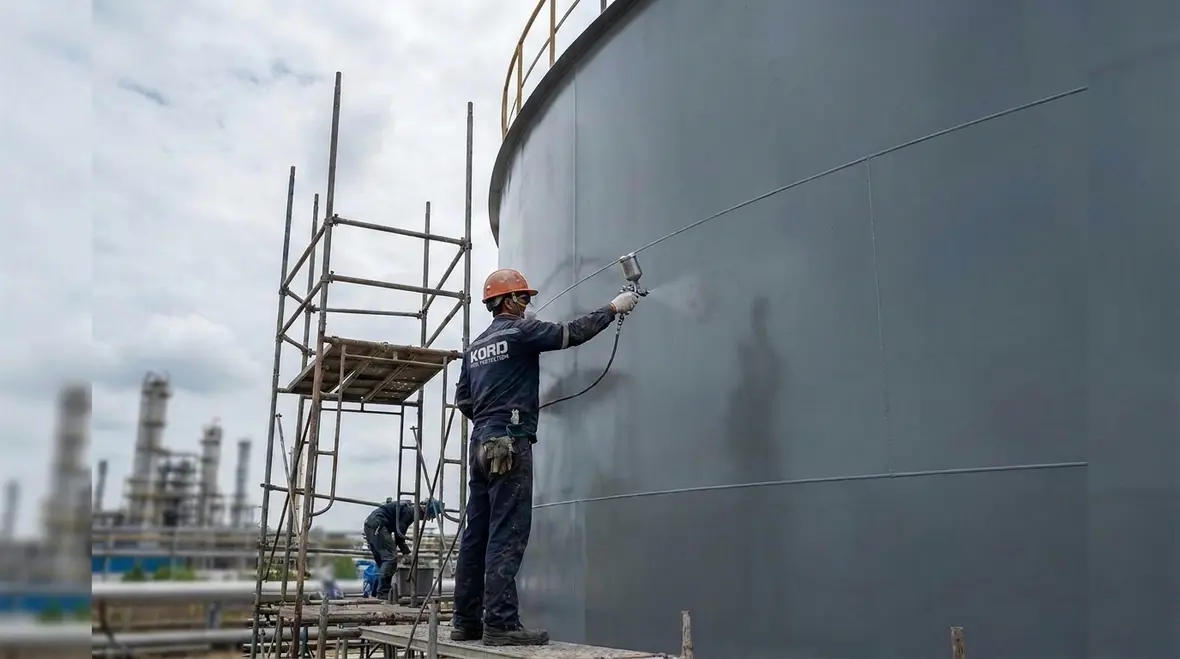
NFPA 22 Section 5.7: How Paint Must Be Applied to Water Tanks
Quick Answer: NFPA 22 Section 5.7 sets paint application rules that protect water quality, maintain corrosion control, and support reliable fire protection operation. Compliance hinges on surface preparation, coating compatibility, required curing, and verification during inspection and maintenance.
For facilities coordinating broader water supply reliability, NFPA 25 water supply inspection and testing requirements add useful context around tanks, pumps, and documentation discipline across the fire protection system.
Why Section 5.7 matters for commercial fire protection water tanks
In commercial facilities, water storage is not only a utility requirement. It directly supports fire protection performance, reliability, and inspection readiness. NFPA 22 Section 5.7 addresses how paint is applied to water tanks used for fire protection systems. This protects the tank structure and helps prevent coating failures that can introduce contaminants, accelerate corrosion, or interfere with system performance.
For facility teams managing paint application requirements water tanks NFPA 22, the practical risk often comes from field shortcuts: incomplete surface cleaning, incompatible coatings, rushed drying, or coating thickness variability. These issues show up later as blisters, peeling, corrosion under film, sediment buildup, or difficult access for reinspection.
What Section 5.7 is trying to prevent
Paint on a fire protection water tank must serve two jobs at once. First, it must protect the tank from corrosion. Second, it must not compromise the stored water or the operational dependability of the fire protection system. Section 5.7 focuses on application and process control so the coating performs predictably over the service life.
Common failure points that Section 5.7 is designed to reduce include:
- Poor substrate preparation, which causes premature adhesion failure.
- Coating incompatibility, such as applying a new system over an old chemistry that has not been properly removed or stabilized.
- Improper cure times, which can lead to coating defects that trap contaminants or release residues.
- Inconsistent coating thickness, which increases risk of corrosion through thin areas and cracking in overcoated sections.
- Uncontrolled application conditions, including humidity and temperature that prevent proper film formation.
How to meet the paint application requirements water tanks NFPA 22 in the real world
Facilities usually comply with Section 5.7 most effectively by treating tank coating as a controlled industrial process. The tank owner, installer, and fire protection service partner must manage procedures, documentation, and verification. While contract language varies by vendor, the operational expectations are consistent.
1) Start with tank condition assessment and documentation
Before paint selection or application, crews should assess:
- Internal and external surface conditions, including rust depth, existing coating condition, and wet corrosion indicators.
- Presence of scale, debris, biofilm, or sediment that can interfere with coating adhesion and water quality.
- Tank history, including prior coating systems and maintenance records.
Then the facility should confirm the selected coating is compatible with the tank material and intended service. This includes confirming coating data sheets, surface prep standards, recommended film thickness targets, and cure schedules.
2) Surface preparation is where most compliance gaps happen
Section 5.7 performance depends on adhesion and corrosion control. That starts with correct surface preparation. Typical operational controls include:
- Cleaning to remove oil, grease, and contaminants that block bonding.
- Removal of failing coatings rather than covering defects that have not been addressed.
- Surface profiling where required to achieve coating mechanical bond.
- Controlling flash rust after blasting or cleaning by timing application and using appropriate environmental controls.
From a commercial facility perspective, the biggest challenge is scheduling. If maintenance windows are too short, the contractor may rush cleaning and apply paint before the prepared surface conditions stabilize.
3) Apply paint using manufacturer approved process controls
To satisfy NFPA 22 Section 5.7 expectations, application must follow documented coating instructions, including:
- Correct application methods such as spray, brush, or roller where permitted by the coating system.
- Film thickness control with measurable targets and checks during application.
- Intercoat timing to avoid solvent entrapment or incomplete film formation.
- Environmental conditions monitoring for temperature, humidity, and dew point where applicable.
For operational continuity, facilities often ask whether spot repairs meet requirements. The practical answer is that spot repairs can comply only when the repair system and process control match the integrity goals of the full coating system. Partial or improvised repairs raise the likelihood of future edge corrosion and coating failure.
4) Curing and commissioning controls protect stored water
After application, curing verification and controlled return to service help prevent coating defects from becoming water quality or corrosion issues. Common controls include:
- Holding the tank out of service for required cure time before refilling or connecting system operation.
- Verification of coating readiness using manufacturer guidance and acceptance checks required by the project specification.
- Documented turnover so maintenance teams can track what was applied, when, and how.
Facilities should also plan for how the tank will be inspected after coating. Coating thickness that looks visually acceptable can still fail if cure conditions were not achieved. That is why documented commissioning matters.
5) Prevent contamination and manage debris during maintenance
Paint application work introduces material handling risks. Sediment, blasting residue, cleaning water, and loose coating chips can migrate into the tank if the process is not controlled. Compliance readiness depends on:
- Containment of work debris and control of runoff.
- Final cleaning steps aligned with coating requirements.
- Verification of tank interior cleanliness before coating system installation begins.
Inspection, testing, and maintenance after coating
Compliance does not end when the coating truck leaves the site. Commercial facility maintenance teams must plan for ongoing verification. Painting affects how inspectors evaluate corrosion control performance and interior condition.
What inspectors look for over time
After the coating system is in service, routine inspection programs should watch for:
- Blistering or peeling, often tied to incomplete surface prep or poor cure.
- Rust staining through the coating, indicating thin areas or coating holidays.
- Edge corrosion around appurtenances, welds, and penetrations.
- Sediment or residue patterns that can suggest coating breakdown.
Maintenance scheduling for commercial, industrial, and retail facilities
Retail and industrial sites frequently face constraints that affect maintenance windows and water outage coordination. Best practice is to align coating work with:
- Planned system shutdown periods.
- Operational recovery timelines after curing.
- Inspection routes and access needs so coated surfaces remain serviceable and visible.
Where tank access is limited or the tank is used for multiple functions, coordination becomes more complex. Kord Fire Protection supports these compliance workflows by aligning coating project needs with broader NFPA 22 expectations for tank readiness, system performance, and inspection support.
Related NFPA 22 context: tank regulation and facility planning
Painting is one piece of a larger compliance picture. For a broader view of how NFPA 22 regulates fire protection water tanks, including operational and maintenance considerations that often intersect with coating work, refer to:
How NFPA 22 regulates fire protection water tanks
Frequently Asked Questions
Take action now
Ensure your facility’s tank coating work supports reliable fire protection performance. Kord Fire Protection helps commercial teams plan coating projects, align procedures with NFPA 22 compliance expectations, and maintain inspection readiness after application. Contact Kord Fire Protection to review your tank coating plan, documentation, and post application verification needs before your next maintenance window.

Join Our Newsletter!
Get the latest fire safety tips delivered straight to your inbox From our Newsletter.



