
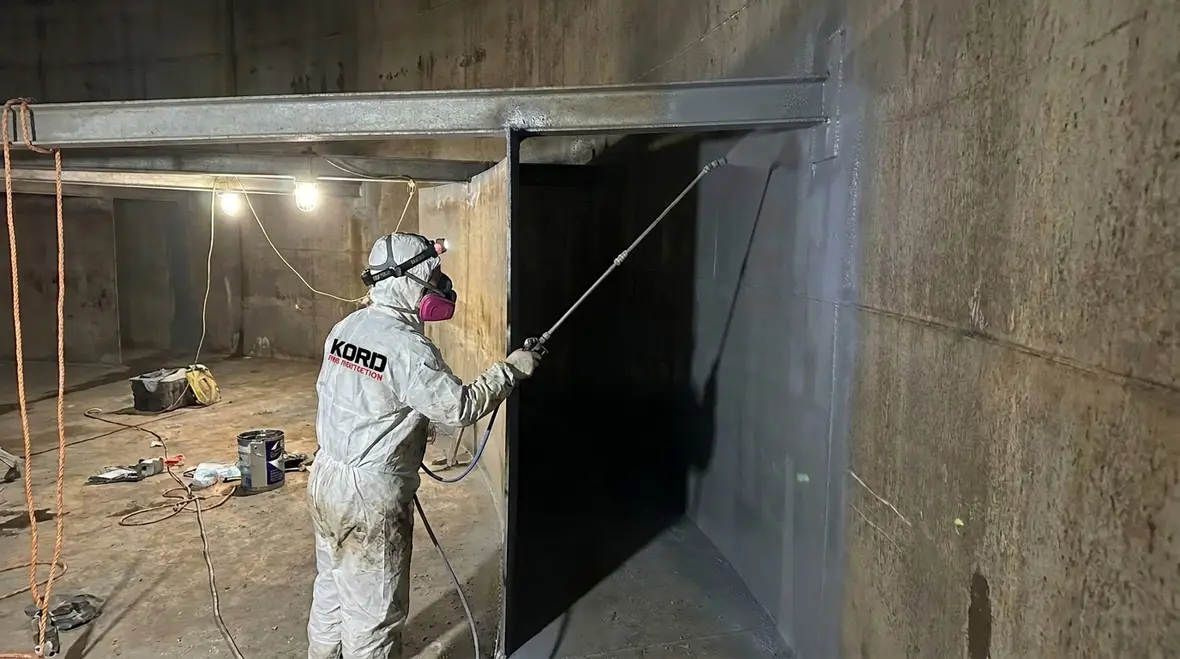
NFPA 22 Section 5.5: Painting Inaccessible Areas of a Water Tank
Quick Answer: NFPA 22 Section 5.5 addresses how and when commercial facilities must paint areas that the design or construction makes difficult to access inside fire protection water tanks. The rule aims to preserve corrosion protection, maintain inspection readiness, and support reliable system performance.
If your facility is already planning broader fire protection services in Southern California, it makes sense to coordinate tank coating work with inspection, repair, and maintenance scheduling rather than treating it like an isolated paint project.
Why painting inaccessible tank areas becomes a compliance risk
Facilities often treat tank painting as a cosmetic or routine maintenance task. NFPA 22 Section 5.5 changes that mindset. It directly connects the integrity of internal and hard to reach surfaces with long term corrosion control, coating performance, and the ability to keep the fire protection system dependable.
For teams planning painting inaccessible areas water tanks, the most common compliance failures come from skipping precoat surface preparation, using coatings that are not suitable for wetted conditions, or performing work that blocks inspection access or compromises the tank structure. A compliant approach requires controlled preparation, correct coating selection, and proof that the coating performance will not create new hazards.
What NFPA 22 Section 5.5 targets in inaccessible areas
Section 5.5 focuses on ensuring that surfaces that cannot be readily reached during routine inspection and maintenance receive coating treatment appropriate for the service environment. In commercial and industrial settings, these “inaccessible” areas typically include lower shell segments, underside regions near structural supports, tight corners around appurtenances, and areas shielded by internal components.
Operational intent: corrosion control where inspection cannot easily verify
Once coatings degrade in accessible areas, inspections may catch the issue. In inaccessible zones, corrosion can progress without clear visual evidence. Section 5.5 reduces that risk by driving coating practices that account for the realities of tank geometry and access constraints.
Performance intent: coating systems must remain stable over time
Painting in inaccessible areas must create a coating system that stays adherent, resists water and chemical exposure, and does not introduce contaminants that could affect system components or water quality. This matters for facilities that operate large capacity tanks for fire pumps, sprinkler systems, standpipes, or other water based protection.
How facilities should plan painting work to stay compliant
Compliance starts before any coating touches the tank. A strong plan protects coating adhesion, limits coating defects, and keeps the tank ready for required service and inspections.
1) Define the inaccessible zones and access method
Engineering and maintenance teams should map the tank interior and clearly identify inaccessible surfaces. Then they select the access method that will actually reach those surfaces. Common approaches include specialty wand systems, extended applicators, or controlled surface prep and coating application processes.
The goal is not just coverage. The coating must contact the proper surface areas with enough thickness and uniformity to resist corrosion under the tank’s normal water conditions.
2) Surface preparation drives coating success
Most coating failures originate from inadequate surface preparation. In inaccessible areas, this risk increases because cleaning and profile creation become harder. Facilities should confirm that the coating contractor can achieve required cleaning standards for the specific condition of the substrate, such as removal of rust, mill scale, and residues that block adhesion.
Procedures should include verification steps suitable for confined access, including visual checks and quality documentation tied to the coating system requirements.
3) Select coatings compatible with fire protection water service
Not all industrial coatings perform equally in wetted, long duration exposure. For painting inaccessible areas water tanks, the coating selection must account for water contact, adhesion over time, and the specific tank environment. Coatings must also be consistent with any facility water quality expectations and system constraints.
If the facility uses additives, treatment chemicals, or operates in a corrosive atmosphere, coating selection should reflect that reality. Commercial facilities often discover too late that the coating system they chose performs well in dry areas but fails in sustained moisture conditions.
4) Control application parameters and workmanship
Coating thickness, cure conditions, and application technique matter. In inaccessible areas, over application can trap voids or create uneven cure, while under application can leave thin spots prone to early corrosion. Proper coverage requires workmanship control, consistent mixing, and documented batch and cure parameters.
Facilities should require contractor documentation that ties surface readiness, coating product data, and application verification to the tank conditions and inaccessible geometry.
Inspection readiness and common failure points during Section 5.5 work
Painting work can unintentionally create new compliance issues. The strongest programs treat inspections and future maintenance planning as part of the coating scope.
Blocked access and appurtenance conflicts
Coating overspray, drips, or improperly masked areas can interfere with tank appurtenances, sensors, sample points, valves, or inspection ports. Facilities should protect functional openings and ensure that coatings do not impair equipment movement or reading accuracy.
When future access becomes limited, maintenance teams can no longer verify coating condition or corrosion trends, undermining the intent of Section 5.5.
Undetected prep deficiencies in tight zones
Inaccessible areas often hide prep defects. Common outcomes include coating peeling due to residual contaminants, pinholes caused by poor surface condition, and premature blistering where moisture migration disrupts adhesion.
Commercial facilities typically only recognize these issues after failures spread to adjacent areas. This pattern creates costly remediation and can drive longer downtime than planned.
Coating incompatibility with the tank environment
Coatings not designed for sustained water exposure can degrade, soften, or delaminate. In fire protection service, coating performance matters because the coating system becomes part of the tank’s long term protective barrier.
Facilities benefit from pairing coating selection with tank water service details and operational history, including prior coating type, observed corrosion patterns, and the presence of any tank treatments.
Pair painting scope with broader NFPA 22 water tank compliance
Painting inaccessible areas should align with the larger framework of NFPA 22 water tank requirements. For facilities coordinating tank work, it helps to view Section 5.5 as one piece of a compliance program that includes tank acceptance, ongoing inspection, and maintenance planning.
To support holistic planning, review how NFPA 22 regulates fire protection water tanks and the operational expectations for commercial facilities: how NFPA 22 regulates fire protection water tanks.
This perspective helps facilities connect painting decisions to inspection cycles, maintenance access, and the reliability requirements that drive acceptance and continued service of the system.
How Kord Fire Protection supports compliant tank painting and maintenance
Commercial and industrial facilities need more than a coating contractor. They need a coordinated compliance partner that understands how fire protection water tanks get inspected, tested, and maintained over time. Kord Fire Protection helps facilities manage the technical and documentation side of tank work so painting decisions support NFPA 22 compliance goals.
Typical value areas include planning coordination with inspection and testing schedules, supporting documentation readiness for compliance review, and helping facilities maintain reliable service after maintenance events. This approach reduces rework risk and protects system dependability, especially when tank access and geometry make workmanship verification difficult.
For teams that want a broader maintenance lens, Kord’s water storage tank inspection and maintenance guide pairs well with Section 5.5 planning because it connects coating condition, access, sediment, hardware checks, and ongoing documentation into one practical workflow.
Frequently Asked Questions
Call to action
Plan painting work for fire protection water tanks as a compliance project, not a finish job. Engage Kord Fire Protection early to coordinate painting activities with NFPA 22 expectations, reduce access related defects, and protect system reliability. If your facility is scheduling tank coating repairs, contact Kord Fire Protection to align scope, documentation, and ongoing maintenance planning.

Join Our Newsletter!
Get the latest fire safety tips delivered straight to your inbox From our Newsletter.



