Fire Protection Records Retention Guidelines Explained
There is something quietly powerful about good paperwork. In the world of alarms, sprinklers, extinguishers, and inspection tags, fire protection records retention is not just administrative housekeeping. It is legal protection, operational clarity, and sometimes the difference between a smooth insurance claim and a long, expensive headache. Within the first few minutes of a compliance audit, inspectors will ask for reports, test logs, and service tags. If those records are missing, even the most advanced fire system can look suspicious. Fortunately, as Kord Fire Protection technicians often explain to clients, keeping the right documents for the right amount of time is simpler than it sounds. It just requires a plan and the discipline to follow it.

Why Fire Protection Documentation Matters More Than Most People Think
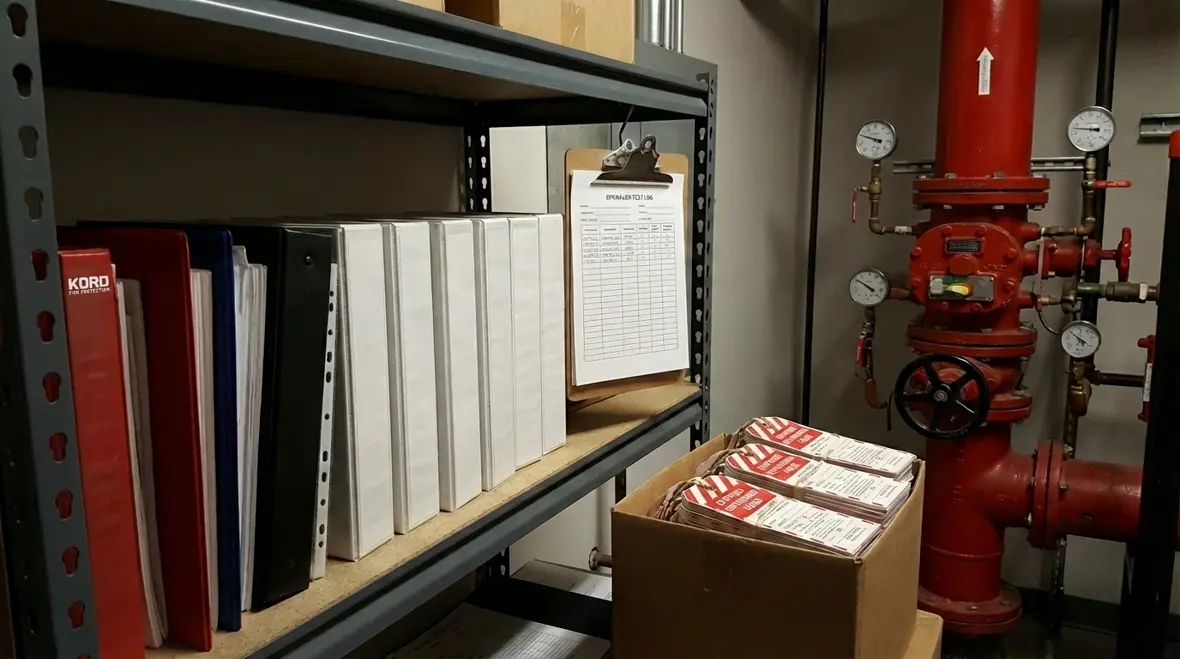
At first glance, inspection tags hanging from a sprinkler riser may seem like small details. However, those tags tell a story. They show that someone tested the system, checked the valves, and confirmed that everything works as intended. Moreover, they demonstrate accountability.
When a fire occurs, investigators and insurance carriers immediately request maintenance logs. Consequently, incomplete documentation can delay claims or reduce payouts. On the other hand, organized records help prove due diligence. That proof can shield building owners from liability.
Kord Fire Protection technicians often compare documentation to a black box on an airplane. While no one hopes to use it, it becomes invaluable after an incident. Furthermore, fire marshals rely on documented inspections to verify that properties comply with local codes and national standards. Without those reports, a building owner stands on shaky ground.
Therefore, maintaining proper records is not about satisfying bureaucracy. It is about protecting people, property, and reputations. And yes, it is also about sleeping better at night.
For example, Kord Fire’s overview on Los Angeles County fire sprinkler testing highlights how inspectors expect organized inspection, testing, and maintenance reports to be readily available during reviews. That expectation does not stop at sprinklers—it extends to alarms, pumps, and special hazards systems as well.
How Long Should You Keep Fire Protection System Reports and Tags
This is the question that echoes through property management offices everywhere. How long is long enough?
The answer depends on the type of system and the governing standard. However, several widely accepted guidelines provide clarity.
General Retention Guidelines
Inspection and testing reports for sprinkler systems are often kept for a minimum of five years.
Alarm system testing records typically require at least three to five years of retention.
Hydrant flow test results are commonly stored for five years or longer.
Extinguisher inspection logs are usually maintained for at least one year, with annual maintenance tags kept until replaced.
Additionally, some jurisdictions require longer retention periods. Therefore, local fire codes always take priority. Kord Fire Protection technicians regularly advise clients to verify municipal requirements before setting a document destruction schedule. After all, guessing may work in trivia night, but it does not work with compliance officers.
Importantly, if a system undergoes significant modification, records before and after the change should be preserved. That historical timeline shows system evolution and can clarify responsibility if issues arise later.
Resources like Kord Fire’s breakdown of NFPA 25 compliance make it easier to align your retention timelines with inspection and testing frequencies for water-based systems.

Understanding Legal, Insurance, and Code Requirements
Fire codes do not exist in a vacuum. Instead, they intersect with insurance policies, liability law, and safety standards. Consequently, record retention policies must align with multiple authorities.
National standards such as those from NFPA outline inspection, testing, and maintenance frequencies. While these standards specify what must be documented, they also indicate how long documentation should remain accessible. Meanwhile, local amendments can expand those requirements.
Insurance carriers add another layer. Many policies require proof of routine system maintenance. If documentation cannot be produced, carriers may argue negligence. Therefore, organized records directly support coverage.
From a legal standpoint, statutes of limitation also matter. In some cases, claims related to property damage can surface years after an event. Because of this, many risk managers retain fire system documentation beyond the minimum code requirement. They prefer to have more records than regrets.
Kord Fire Protection technicians often explain it this way. Compliance keeps inspectors satisfied. Documentation keeps attorneys calm. And when both groups are calm, building owners can focus on running their business.
Well-documented maintenance on systems like NFPA 20 fire pumps or regularly tested sprinklers can mean the difference between a straightforward insurance claim and a prolonged dispute over negligence or non-compliance.

Building a Practical Fire Protection Records Retention Policy
A solid policy transforms good intentions into consistent action. However, the policy must be realistic. A three ring binder buried in a storage closet will not help during a surprise audit.
Start with a Clear Inventory
First, list all fire protection systems in the facility. This includes sprinklers, alarms, standpipes, extinguishers, kitchen suppression systems, and emergency lighting. Next, identify required inspection frequencies for each system.
Assign Responsibility
Someone must own the process. Whether it is a facilities manager or compliance officer, accountability prevents gaps. Moreover, that person should understand both local code and company policy.
Create a Retention Schedule
Once requirements are clear, define how long each type of document will be stored. Align this schedule with legal and insurance guidance. Then, document the schedule in writing.
Standardize Storage Methods
Consistency is key. Reports should follow a naming convention. Tags removed during upgrades should be archived rather than discarded immediately. In addition, digital files should be backed up regularly.
Kord Fire Protection technicians often help clients develop these systems. They explain the purpose behind each report so staff understand that the paperwork is not busywork. It is evidence. And evidence, as any courtroom drama will confirm, carries weight.
Paper vs Digital Storage: Choosing the Right System
Some managers trust paper binders. Others prefer cloud storage. The wise approach often blends both.
Below is a simple comparison to guide decision making.
Paper Records vs Digital Records
Paper Records Digital Records
Immediate physical access during inspections Accessible from multiple locations
No need for software training Easy duplication and backup
Vulnerable to water or fire damage Requires cybersecurity measures
Limited storage space Searchable and organized quickly
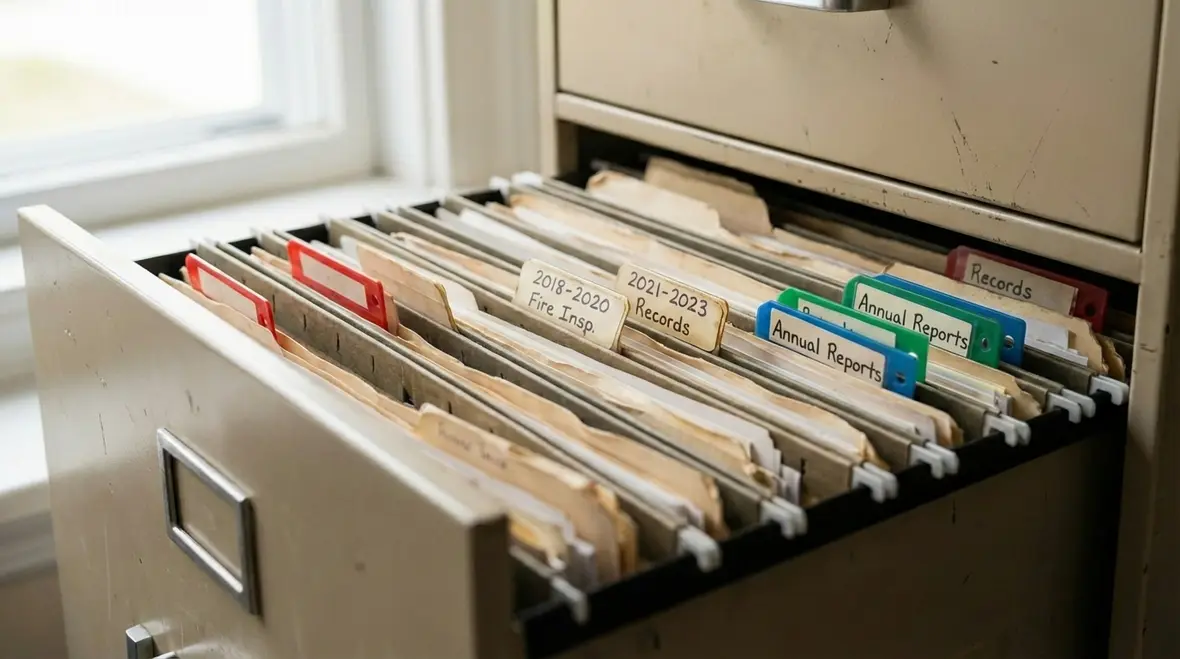
While paper feels reliable, it can burn or flood. Ironically, fire system documentation stored only in a mechanical room may not survive a major incident. Therefore, many organizations scan reports and store them securely online.
However, digital systems require strong password control and regular backups. Otherwise, a cyber issue could create a different kind of emergency. Balance is the key. Keep essential records accessible onsite, and maintain secure digital copies offsite.
Common Mistakes That Create Compliance Nightmares
Even responsible organizations make avoidable errors. Fortunately, awareness prevents repetition.
Throwing Away Old Reports Too Soon
Some facilities purge files annually without reviewing retention requirements. As a result, they lose documentation that could have supported long term compliance.
Failing to Document Deficiencies
An inspection report that lists issues without proof of correction creates risk. Therefore, always attach repair documentation to the original report. This demonstrates that deficiencies were resolved promptly.
Relying on Verbal Confirmations
A technician may say a valve was tested. However, without written proof, that statement means little during an audit. Documentation should follow every inspection and service visit.
Ignoring Tag Management
Tags on extinguishers and risers serve as quick visual proof of service. When tags are replaced, the old ones should be archived if required by policy. Kord Fire Protection technicians remind clients that a missing tag invites questions. And inspectors, like detectives in a crime series, tend to follow missing details with enthusiasm.
What Happens During an Audit or After a Fire Event
When authorities conduct an inspection, they typically request recent inspection and testing records. If those records are organized and accessible, the process moves smoothly. In contrast, scrambling through boxes slows everything down and raises suspicion.
After a fire, the stakes rise. Investigators examine whether systems were maintained properly. Insurance adjusters evaluate compliance with policy conditions. Therefore, thorough documentation can accelerate recovery.
In many cases, organized records demonstrate that a system functioned as designed. That clarity can limit disputes over responsibility. Moreover, it shows a pattern of responsible management.
Kord Fire Protection technicians often prepare clients for this scenario. They encourage mock audits, during which staff practice locating reports quickly. While it may feel excessive, preparation builds confidence. And confidence, especially during high stress situations, is priceless.
Frequently Asked Questions
Protect Your Property with Smarter Recordkeeping
Fire systems stand ready every day, often unnoticed and underappreciated. Yet the paperwork behind them carries equal importance. By implementing a clear retention policy, verifying local requirements, and working closely with experienced professionals like Kord Fire Protection technicians, organizations can protect more than buildings. They can protect their credibility.
Now is the time to review existing files, close documentation gaps, and ensure that every inspection report and tag stands ready when needed. If you are already coordinating inspections or repairs, consider pairing your documentation overhaul with scheduled service outlined in Kord Fire’s guide to fire protection maintenance for Southern California.
For properties that need a more comprehensive plan—not just for recordkeeping but for inspections, testing, and emergency response—partnering with a full-service provider makes the process easier. Kord Fire’s regional teams, such as their Irvine fire protection services group, help owners align on-site practices with local codes, NFPA standards, and insurance expectations.
Whether you manage a single facility or a multi-site portfolio, smarter recordkeeping is one of the simplest, most cost-effective upgrades you can make to your life safety program. Start with your next inspection, commit to a retention schedule, and let every neatly filed report quietly strengthen your protection long before anyone asks to see it.
Know Your Weapon Before You Fight the Flame
Kord Fire Protection is your go-to when it comes to all things fire protection. For over 20 years, we’ve been serving Southern California with the quality service and equipment to keep your home or business safe at all times. Our competitive prices reflect our unwavering commitment to protecting what matters most in the event of a fire emergency. Give us a call, send an email, or use that form!

Join Our Newsletter!
Get the latest fire safety tips delivered straight to your inbox From our Newsletter.