
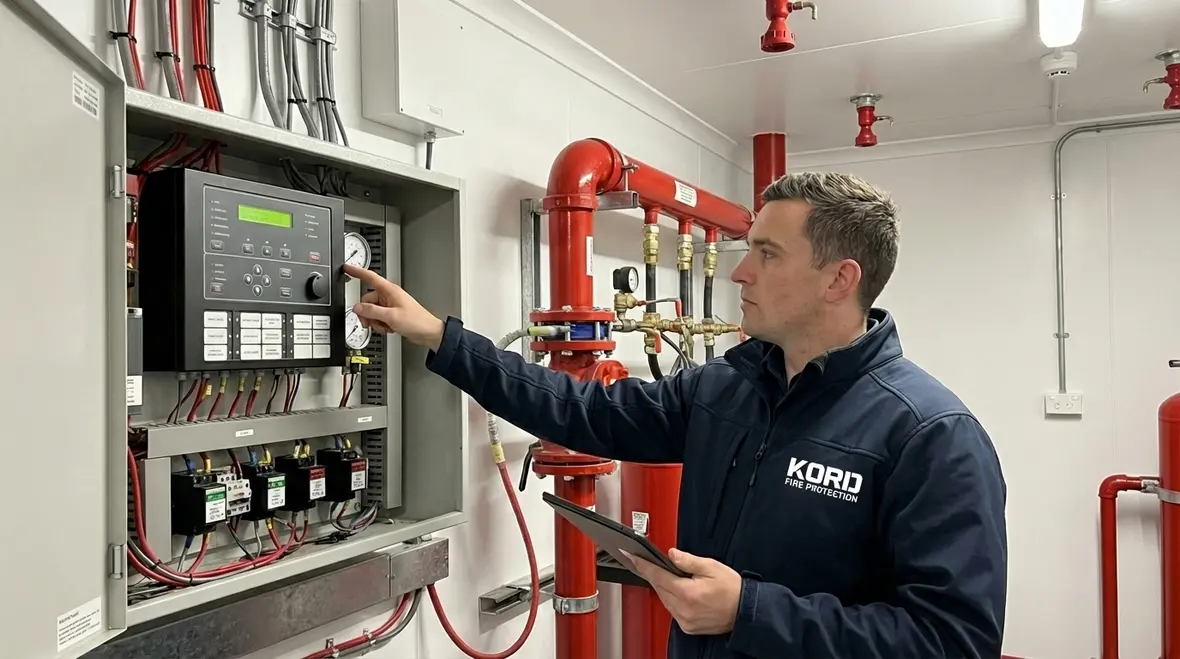
Mechanics of Automatic Fire Suppression Systems
In every building, from quiet offices to busy industrial plants, fire waits patiently for a mistake. That is why understanding the Mechanics of Automatic Fire Suppression matters. Within the first few seconds of ignition, the right system can mean the difference between a minor incident and a headline on the evening news. Kord Fire Protection technicians often explain that these systems are not magic. They are carefully engineered networks of detection, control, and discharge components working together with split second timing. When designed and maintained correctly, they act faster than any human could. And thankfully, they do not panic under pressure.
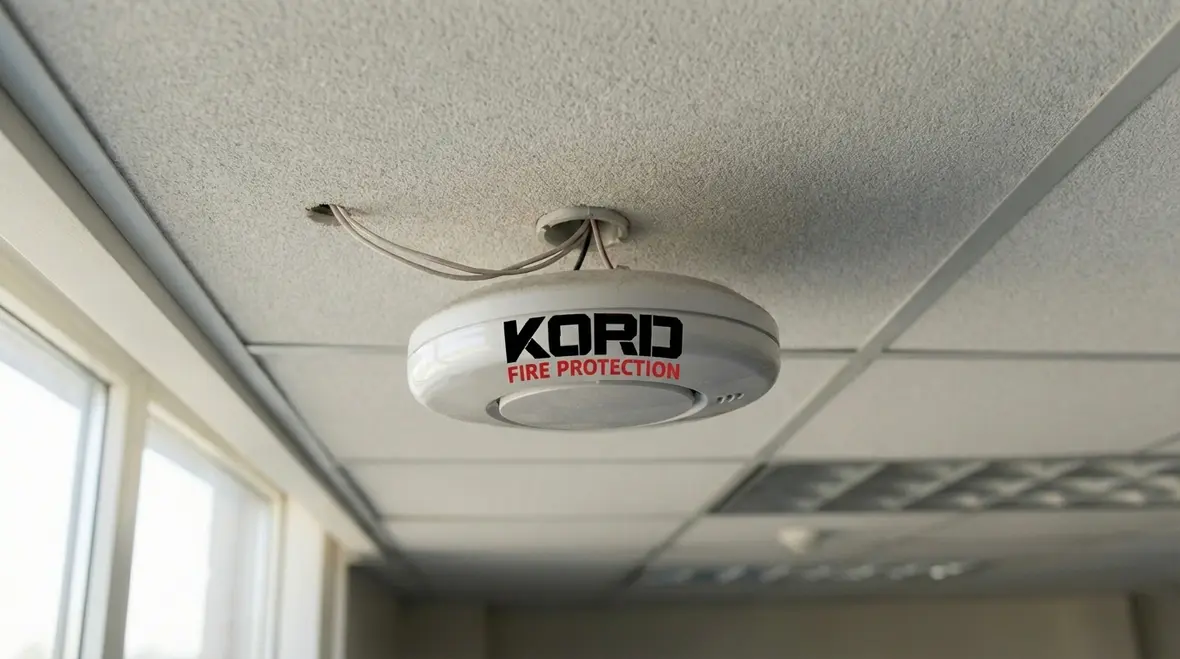
The Science Behind Fire Detection and Response
Fire does not simply appear. It follows a chain reaction known as the fire triangle, which includes heat, fuel, and oxygen. Remove one element, and the fire dies. Automatic suppression systems exist to interrupt that triangle quickly and efficiently.
First, detection devices monitor environmental changes. Heat sensors track rising temperatures. Smoke detectors analyze airborne particles. Flame detectors identify specific light wavelengths emitted during combustion. Once a threshold is reached, the system sends a signal to a control panel. That panel acts as the brain. It processes data and determines whether to activate suppression.
Meanwhile, every component communicates through wiring or wireless signals. This network ensures the response is not random but calculated. Kord Fire Protection technicians often compare it to a well rehearsed orchestra. When one instrument signals danger, the entire ensemble responds in harmony. No dramatic speeches required.
Because early detection is critical, placement matters. Sensors must sit in areas where smoke or heat will reach them first. Improper placement can delay activation. And in fire safety, seconds matter more than apologies.
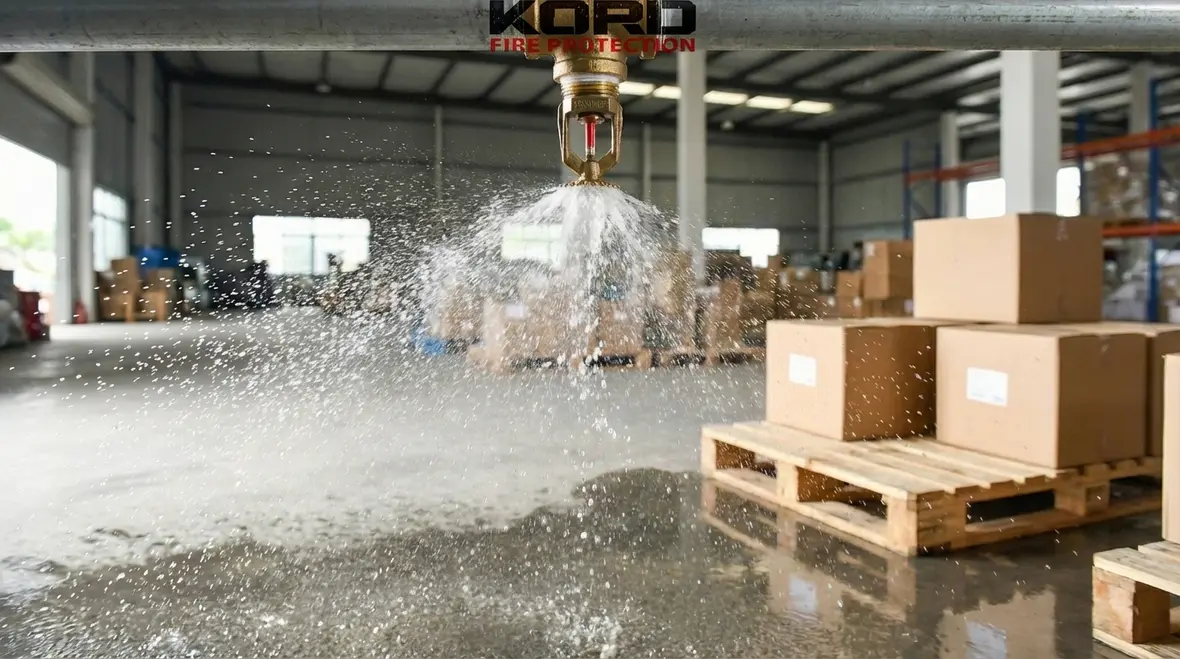
What Happens When an Automatic Fire Suppression System Activates?
The moment conditions meet preset thresholds, the control panel releases a signal. That signal triggers a valve or actuator. Then, the suppression agent discharges through piping and nozzles directly over the hazard area.
However, activation is not chaotic. Most systems use either wet pipe, dry pipe, pre action, or clean agent technology. Each operates differently based on the environment.
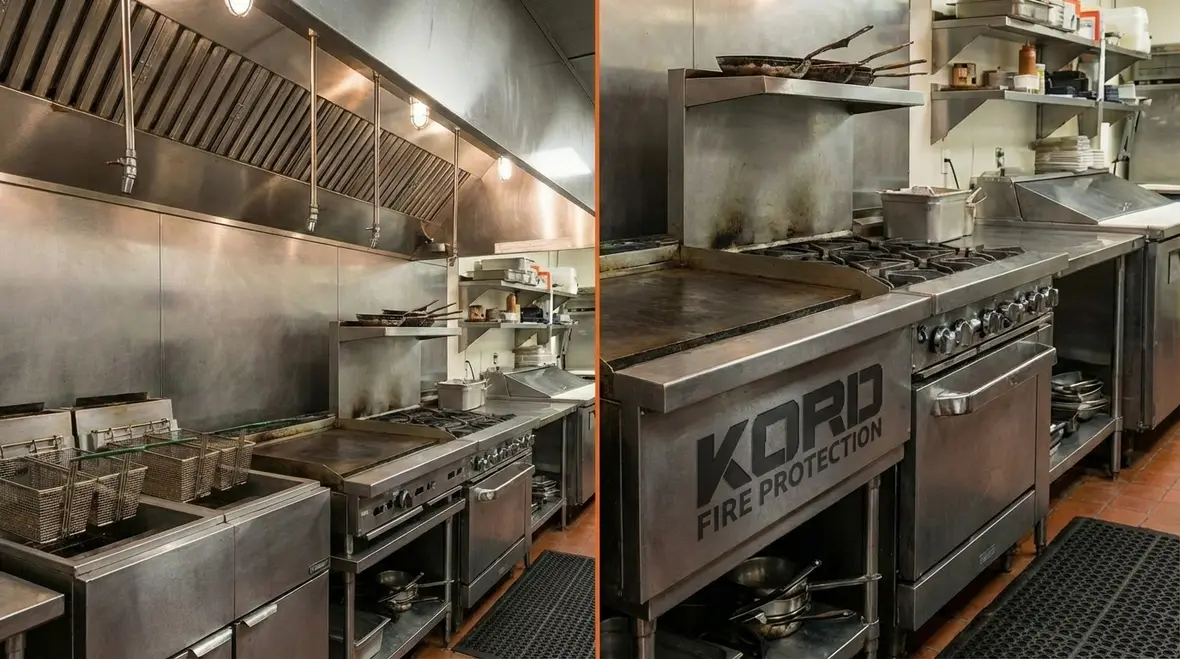
For example, in a commercial kitchen, heat fusible links melt at a specific temperature. This mechanical reaction releases a wet chemical agent that blankets cooking surfaces. In contrast, a data center may rely on a clean agent that displaces oxygen without harming electronics. No one wants their server room saved from fire but ruined by water. For a deeper look at clean agent strategies in IT spaces, explore Kord Fire Protection’s guidance on NFPA 75 for IT environments and data centers.
Additionally, many systems include alarms and building notifications. Occupants receive both audible and visual warnings. This dual response both suppresses the fire and alerts people to evacuate. It is efficiency at its finest.
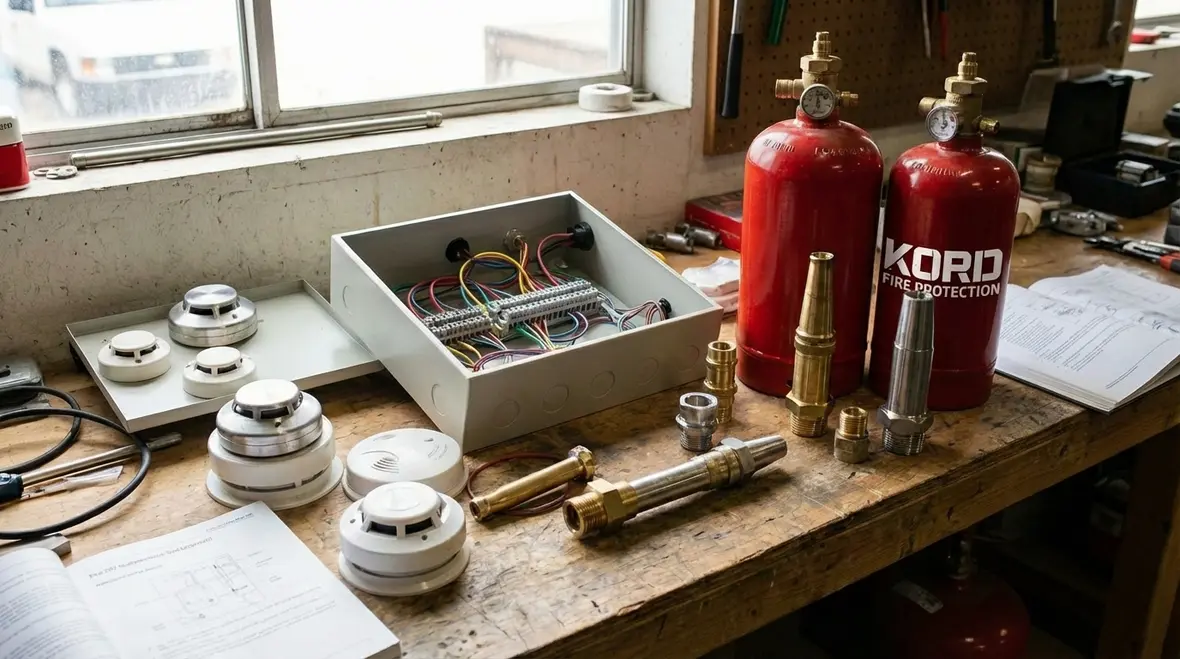
Core Components That Make the System Work
Every automatic suppression setup includes several essential parts. While designs vary, the foundation remains consistent.
Detection Devices
These include heat, smoke, and flame sensors. They serve as the eyes and ears of the system.
Control Panel
This unit interprets incoming signals and determines when to activate discharge. Think of it as mission control.
Suppression Agent Storage
Tanks or cylinders store water, foam, gas, or chemical agents under pressure.
Distribution Network
Pipes and nozzles deliver the agent precisely where needed.
Manual Pull Stations
Although automatic, many systems allow human override for immediate activation.
Together, these components form the backbone of the fire suppression process. Remove one, and the chain weakens. Maintain all, and the system performs like a seasoned first responder.
How Do Different Environments Shape System Design?
No two buildings share identical risks. Therefore, engineers tailor systems to match specific hazards. A warehouse storing paper products faces different threats than a laboratory handling flammable liquids.
Below is a simplified comparison often shared by Kord Fire Protection technicians when explaining design considerations.
| Environment | Suppression Approach |
| Commercial Kitchen | Wet chemical system targeting grease fires |
| Data Center | Clean agent gas to protect electronics |
| Manufacturing Plant | Foam or water deluge for large fuel loads |
| Healthcare Facility | Pre action sprinkler to prevent accidental discharge |
As shown above, system selection depends on fuel type, occupancy, and asset value. Furthermore, local fire codes guide installation standards. Engineers must comply with national and regional regulations to ensure both safety and legal approval. For example, NFPA 13 provides detailed guidance on automatic fire sprinkler system installation across different hazard classifications.
Because risk varies, customization becomes essential. A one size fits all solution works well for hats, not for fire protection.
The Role of Regular Inspection and Testing
Even the most advanced system cannot protect a building if it sits neglected. Over time, valves corrode, sensors drift out of calibration, and pressure levels change. Therefore, routine inspection ensures readiness.
Kord Fire Protection technicians emphasize scheduled maintenance as strongly as initial installation. During inspections, they test detection devices, verify control panel communication, and measure agent pressure levels. If something falls outside safe limits, they correct it immediately.
Moreover, technicians review discharge nozzles for obstructions. Dust, grease, or debris can block distribution. It would be unfortunate if a system activated only to spray a wall instead of the fire. That would be like bringing a garden hose to a dragon fight and aiming at the clouds.
Testing also includes simulated activation scenarios. These drills confirm that alarms trigger properly and that signals reach monitoring stations. Consistent maintenance extends system life and ensures compliance with fire codes.
Understanding the Mechanics of Automatic Fire Suppression in Modern Buildings
Today’s buildings integrate fire suppression with broader safety networks. Smart panels connect to building management systems. As a result, facility managers receive instant alerts on mobile devices. Some systems even provide real time diagnostics.
This integration allows faster decision making. For example, once a suppression system activates, ventilation systems may shut down automatically to prevent smoke spread. Elevators can return to designated floors. Access controls may unlock exits. Each action works together to protect occupants.
Additionally, data logging records every event. This information helps investigators analyze incidents and refine future safety measures. Over time, technology continues to improve precision and reliability.
While the mechanics remain grounded in physics and chemistry, digital advancements enhance responsiveness. It is not science fiction. It is simply smart engineering doing its job quietly in the background.
Why Professional Expertise Matters More Than Ever
Designing and installing suppression systems requires more than reading a manual. Engineers must calculate hazard classifications, fluid dynamics, and discharge density. Incorrect calculations can leave blind spots in coverage.
That is why businesses rely on experienced professionals. Kord Fire Protection technicians explain each phase clearly, from hazard assessment to final inspection. They ensure systems align with building layout and operational needs.
Furthermore, professionals stay updated on evolving fire codes and standards. Regulations change, and non compliance can lead to fines or liability issues. Expert oversight reduces that risk significantly.
In short, expertise transforms equipment into dependable protection. Without proper design and maintenance, even advanced systems lose effectiveness. And when it comes to fire safety, close enough rarely counts.
Frequently Asked Questions
Conclusion and Next Steps
Fire does not wait, and neither should preparation. The right suppression system protects property, preserves lives, and offers peace of mind long before smoke appears. Kord Fire Protection technicians stand ready to design, inspect, and maintain systems built for real world risks.
If safety matters, now is the time to act. Schedule a professional assessment and ensure protection works exactly when it is needed most. Explore Kord Fire Protection’s full range of fire suppression insights, then take the next step by contacting their team for a tailored solution.
Know Your Weapon Before You Fight the Flame
Kord Fire Protection is your go-to when it comes to all things fire protection. For over 20 years, we’ve been serving Southern California with the quality service and equipment to keep your home or business safe at all times. Our competitive prices reflect our unwavering commitment to protecting what matters most in the event of a fire emergency. Give us a call, send an email, or use that form!

Join Our Newsletter!
Get the latest fire safety tips delivered straight to your inbox From our Newsletter.


