Fire Extinguisher Placement Strategy for Commercial Safety
When a business wants to stay safe and stay in line with local rules, the fire extinguisher placement strategy matters as much as the extinguisher itself. In the first walk-through, kord fire protection technicians should map where hazards sit, how people move, and where quick access beats guesswork every time. They place units where staff can reach them fast, not where the last company happened to mount a tag. And yes, the “we’ll put it by the door” plan can work, until it doesn’t, like a sitcom character who keeps touching the stove. This article explains a practical, compliance-focused approach that helps facilities reduce risk, pass inspections, and respond quickly when smoke decides to audition for the lead role.
And because safety should never feel like a scavenger hunt, the guidance below breaks placement into clear steps, using real-world logic that kord fire protection technicians often apply on job sites. Businesses that already review broader system readiness may also want to explore fire alarm system reliability and battery health so backup notification planning stays as sharp as extinguisher access.
How commercial rules shape extinguisher placement
Fire codes guide where extinguishers must go, but they do not mean “install and hope.” In most commercial settings, inspectors look for accessibility, proper travel distance, and correct mounting height. They also want extinguishers near likely ignition sources and placed so occupants can grab them without weaving through blocked paths.
Moreover, the standard expectation is that a person can reach the unit quickly and operate it with minimal delay. Consequently, businesses must consider floor plans, exit routes, storage areas, and workstations. In practice, kord fire protection technicians review site layout first, then confirm the placement matches the hazard profile. That same practical approach shows up in Kord Fire’s fire extinguisher service and certification guidance, where code compliance and real-life usability have to work together, not glare at each other from across the room.
- They identify high risk rooms and areas such as electrical closets, kitchens, labs, boiler rooms, and machine bays
- They account for normal pedestrian paths and any bottlenecks
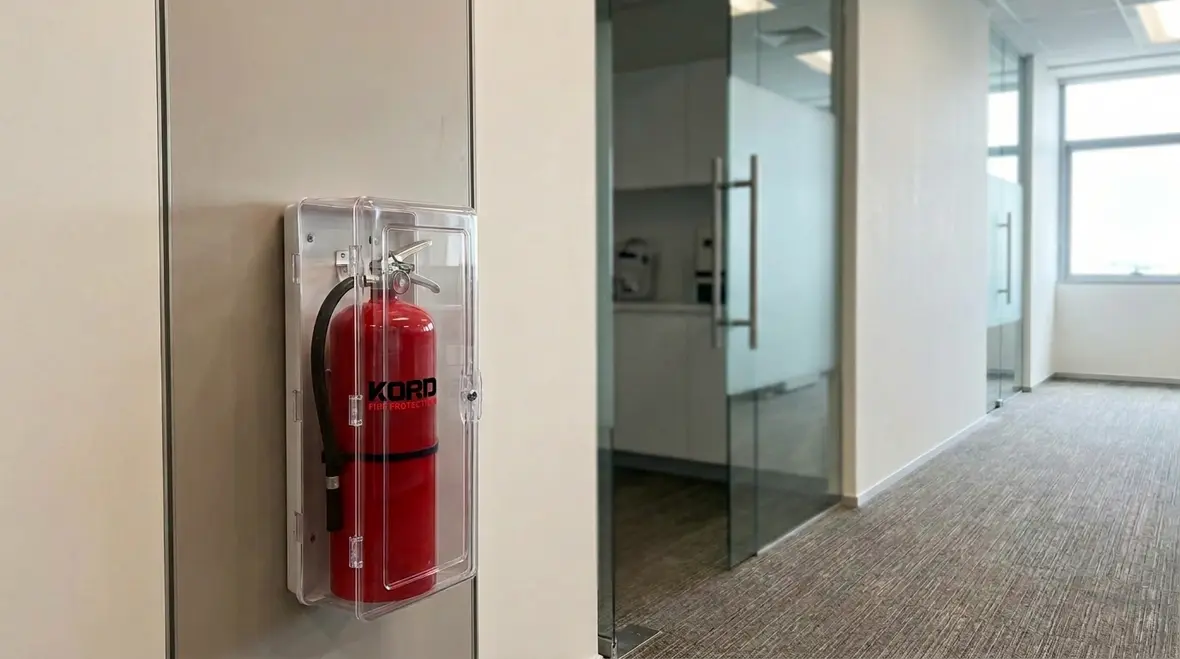
- They check mounting locations so the unit stays visible and reachable
Here is the calm truth: codes aim to stop small fires early, and placement makes that goal achievable. A wall-mounted extinguisher is not decorative confidence. It is a tool meant to be found fast, reached fast, and used without delay.
Why layout matters more than assumptions
A surprising number of placement mistakes begin with a harmless assumption. Someone believes the hallway is “close enough,” or the break room wall “seems central.” Then a renovation shifts traffic patterns, shelving grows like ivy, or a display turns a once-clear location into a minor obstacle course. The extinguisher did not move, but the building did. Good strategy accounts for how people actually work, turn corners, carry materials, and react when stress hits.
Assess hazards and travel paths first, then mount
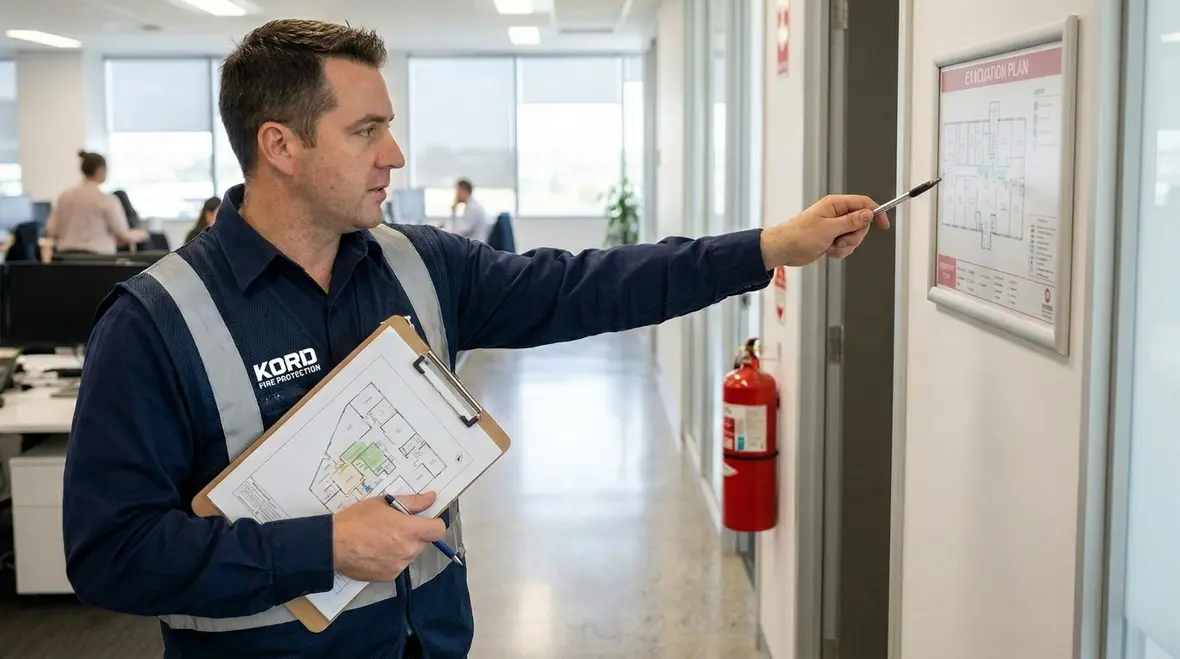
A strong placement plan starts with asking a simple, practical question: where would a fire start, and how would someone reach the extinguisher in time? kord fire protection technicians usually begin with a hazard walk, then they trace how people actually move during normal operations, not how they would move in a training video.
For example, a stockroom might look quiet, but if the aisle layout forces staff to squeeze past tall shelving, the extinguisher location must still allow a safe grab and exit. Meanwhile, a sales floor might hide its risk behind “customer friendly” design, such as near a break room, behind a printer wall, or next to a server cabinet.
Then the technicians translate that walk into placement decisions:
- They locate extinguishers near the likely origin points, not just near doors
- They ensure the unit is on the way, not around the corner you reach only after the smoke alarm
- They keep access clear so carts, seasonal displays, or signage do not block the unit
As a result, the fire extinguisher placement strategy becomes part of how the building functions day to day. It supports operations quietly, which is exactly what good fire protection should do until the day it is suddenly not quiet at all.
Where access rules often fail in real life
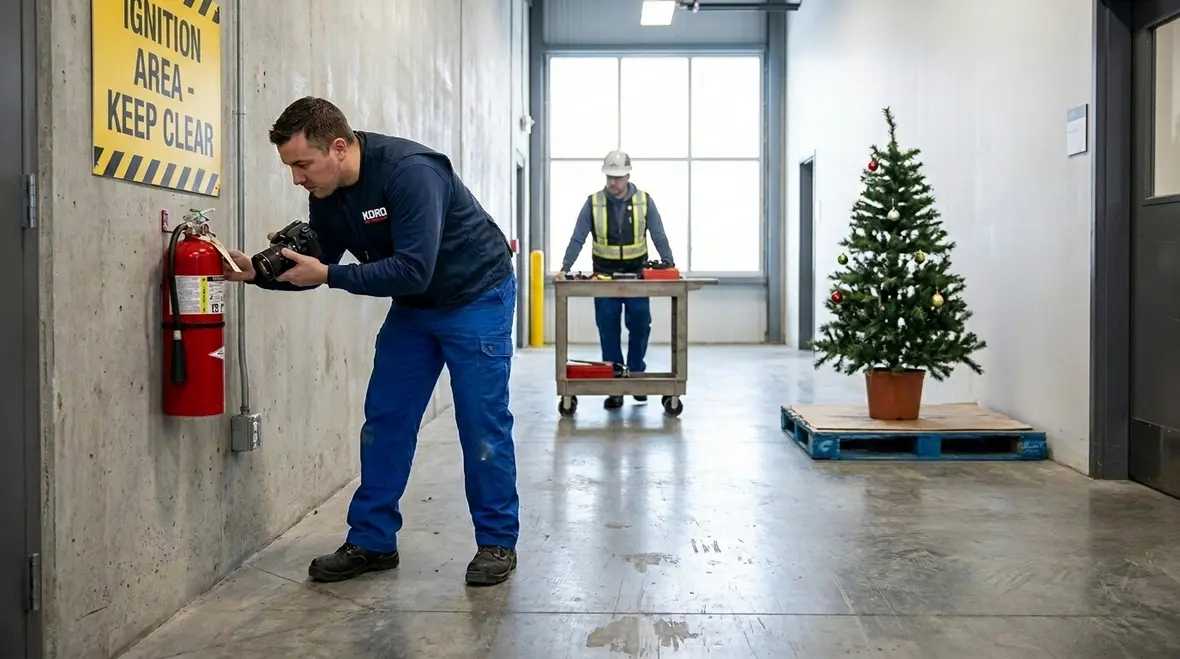
Even well-meaning staff can sabotage extinguisher access without trying. And yes, it happens more than anyone wants to admit. A manager places a seasonal banner next to a wall-mounted unit, or maintenance parks equipment in front of it for “just a day.” After a week, it becomes tradition.
Therefore, kord fire protection technicians focus on the details that inspectors and firefighters care about: clear reach, clear line of sight, and enough space to operate. They also check for common trouble spots such as:
- Units installed behind doors that swing into the access route
- Extinguishers mounted inside closets or behind locked cabinets with no fast access
- Locations blocked by shelving, pallet racks, or tall displays
- Units too high or too low so a person can’t grab the handle quickly
In addition, staff must know what they see. If the extinguisher blends into the wall like it is trying to become modern art, response time slows. So technicians often recommend clear labels, consistent placement, and training that matches what people will face on site. If your facility already performs recurring checks, Kord Fire’s monthly inspection and annual service page is a useful companion, because access problems tend to reveal themselves during routine eyes-on reviews, not during wishful thinking.
Common blockers that quietly create risk
Some access failures are dramatic, but most are painfully ordinary. A copier gets relocated. A rolling ladder gets stored in a “temporary” spot. A festive display appears for one promotion and somehow survives three fiscal quarters. None of these changes seem urgent on their own, yet each one steals seconds from a response window that was already short. The better the placement plan, the easier it becomes for teams to notice and correct these small betrayals before they matter.
Spacing, mounting height, and visibility that inspectors expect
Placement involves more than choosing a wall. It includes spacing between units, mounting height, and visibility so a person can spot and reach it fast during stress. kord fire protection technicians typically verify these items using the building layout and the hazard map.
For mounting height, the goal stays the same: someone of average reach can grab the extinguisher without climbing or hunting for a step stool. Meanwhile, spacing matters because a single unit cannot cover every fire scenario across a large commercial space. If a staff member must walk too far, the extinguisher loses its value.
Visibility also plays a role in real response. If a unit sits behind equipment or under hanging signage, it may not register until it is too late. Therefore, technicians commonly ensure:
- Clear markings and unobstructed access paths
- Consistent placement so people recognize it across floors
- Proper classification for the risk area so the extinguisher actually helps
And if someone thinks “we will just add more later,” the site should still be treated as if today is the day smoke decides to show up early. Planning after the problem appears is a terrible hobby.
How to handle special areas like electrical rooms and kitchens
Not all hazards behave the same, and extinguisher placement must match that reality. For example, electrical rooms and server areas often require quick response due to energized components. However, that does not mean placing an extinguisher blindly near the equipment. kord fire protection technicians look at safe access and the path an operator can use without stepping into danger.
Kitchen areas add another twist. Cooking fires can flare with heat and grease, so the extinguisher should be positioned near likely ignition points while still keeping the unit away from heavy splatter zones. In addition, technicians consider how staff handle doors, vents, and tight corners around cooking equipment.
Special areas also include storage rooms with chemicals, workshops with tools, and loading docks with product traffic. In these spaces, the placement plan often includes:
- Placing units where staff can reach them without crossing a hazard zone
- Reviewing traffic patterns during shift changes and peak operations
- Ensuring the extinguisher stays visible despite seasonal or operational changes
In short, the plan adapts to risk, and risk adapts to how people work. That is why a warehouse, restaurant, medical office, and machine shop should never borrow the same extinguisher map and call it a day. The hazards have different personalities, and some of them are ruder than others.
Special hazards deserve special thinking
Electrical rooms need reach without forcing someone deeper into danger. Kitchens need response without putting the extinguisher in the very splash zone where grease and chaos like to mingle. Loading docks need visibility that survives pallets, deliveries, and traffic surges. The best placement strategy respects these differences before the wall bracket ever goes up.
Document the plan and keep it updated
A compliance plan that lives only on paper becomes a relic. Instead, businesses should treat extinguisher placement as a living system that changes when the building changes. If a tenant rearranges a floor, adds storage, or moves workstations, placement may need to shift.
kord fire protection technicians often encourage facilities to document the strategy, including photos of each location, a simple floor plan, and a record of mounting locations. Then they set a schedule for review, often aligned with maintenance cycles or upcoming inspections.
Just like updating a playlist before a road trip, keeping documentation current helps response stay smooth. It also helps staff understand where the extinguisher is and why it sits there.
- They store a placement map with clear location labels
- They track changes after renovations or layout updates
- They confirm access stays open and safe throughout the year
That way, compliance does not depend on memory or luck. It depends on a repeatable process, which is much less dramatic and far more useful.
FAQ: Fire extinguisher placement for commercial safety
Conclusion and next steps
Fire safety should feel clear and dependable, not like a guessing game played at 2 a.m. With a solid fire extinguisher placement strategy, commercial sites can improve reach, visibility, and response speed while aligning with inspection expectations. kord fire protection technicians can help assess hazards, map travel paths, and confirm mounting and access details that actually hold up.
If this topic matters to your facility, schedule a placement review today and make sure your extinguishers stand ready, not just mounted. For a direct next step, explore Kord Fire’s fire extinguisher service and broader full fire protection services to turn planning into compliant action.

Join Our Newsletter!
Get the latest fire safety tips delivered straight to your inbox From our Newsletter.