
Fire Extinguisher Inspection Tag Meaning Guide
Fire Extinguisher Inspection Tag: What the Colors, Punches, and Initials Mean
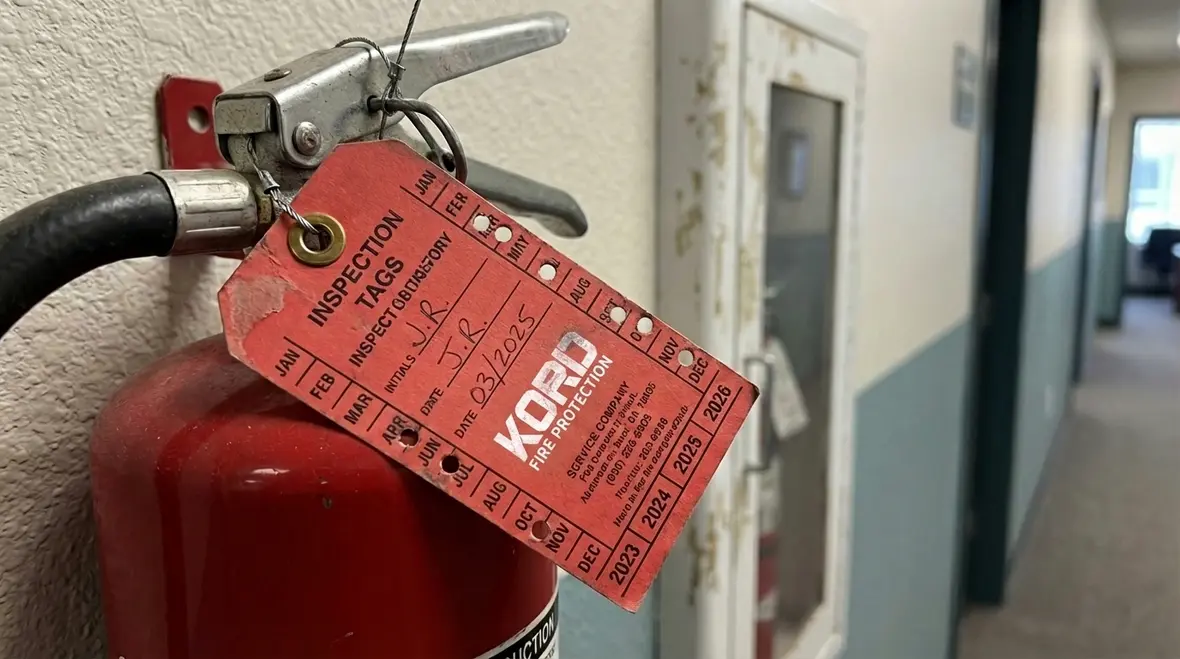
In the quiet corner of a hallway, mounted in plain sight, a fire extinguisher waits like a silent hero in a red suit. Yet attached to that hero is a small card that holds a surprising amount of authority. Understanding the fire extinguisher inspection tag meaning is not just about reading dates. It is about decoding a record of safety, compliance, and accountability. Within the first glance, that tag tells a story of who inspected the unit, when it was serviced, and whether it stands ready for duty. As Kord Fire Protection technicians often explain to clients, that little tag carries more weight than it looks. And yes, it deserves more respect than most people give it.
So let us slow things down and walk through what those colors, punches, and initials actually mean, and why they matter more than most office gossip.
Why the Fire Extinguisher Inspection Tag Meaning Matters More Than People Think
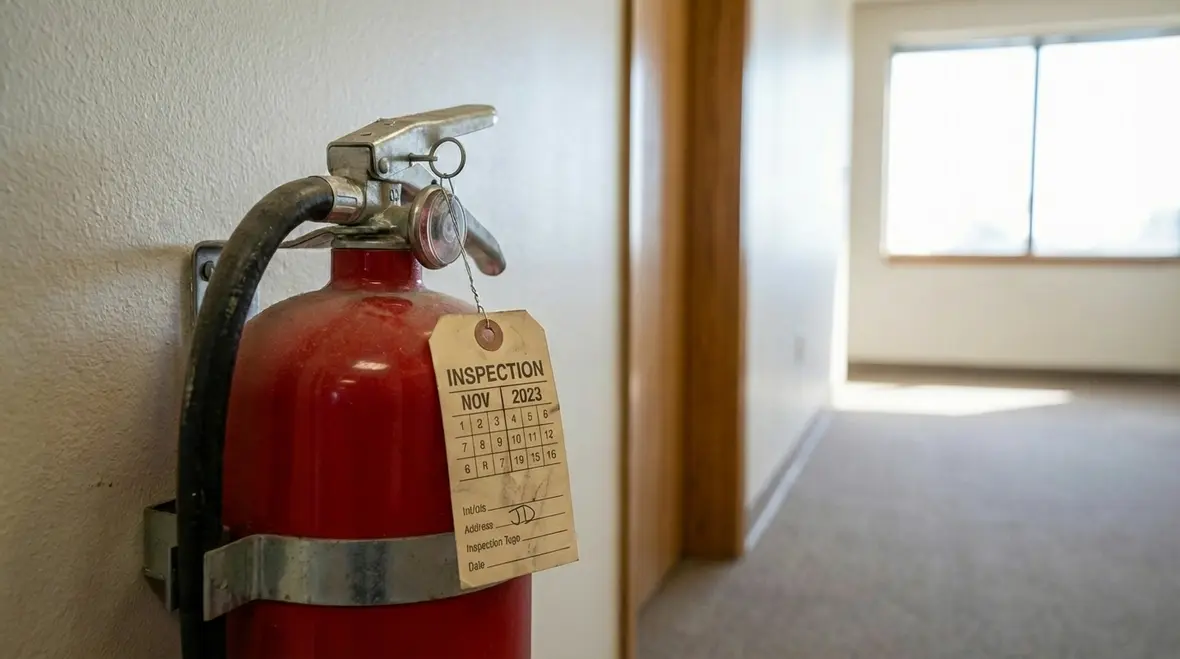
Most people glance at a fire extinguisher only during a fire drill. However, safety professionals know that the inspection tag is the real headline act. It proves that the extinguisher has been checked according to national and local codes. Without it, the unit might as well be a decorative prop from an action movie.
First, the tag shows compliance. Fire codes require routine monthly visual inspections and annual maintenance by certified technicians. Therefore, the inspection tag becomes written evidence that those steps happened. If a fire marshal walks through the building, that tag speaks before anyone else does.
Second, the tag protects business owners. In the unfortunate event of a fire, documentation matters. Insurance companies and investigators look for proof of maintenance. Consequently, a properly marked tag can support a claim and demonstrate responsible management.
Finally, it protects lives. That might sound dramatic, but it is true. An extinguisher that has not been inspected may fail under pressure. As Kord Fire Protection technicians like to say, an extinguisher is not the time for surprises. Birthdays, yes. Fire emergencies, no.
If you want to go deeper into how often extinguishers need attention, you can review Kord Fire’s overview on servicing schedules, monthly checks, and testing requirements in their guide on how often a fire extinguisher needs to be serviced, which pairs perfectly with understanding the inspection tag itself.
How to Read a Fire Extinguisher Inspection Tag Without Guessing
Key elements you will usually see on the tag
Many people ask, usually in a tone that suggests mild panic, how to read one of these tags. The good news is that the system is straightforward once explained. Moreover, it follows a consistent logic.
Most inspection tags include:
- The name of the service company
- The technician’s initials or signature
- The date of the last inspection
- Punch marks indicating the month and year
- Notes about maintenance or recharging
Each time a certified technician performs annual maintenance, they punch the tag to indicate the month and year. For example, a punch through March and 2026 shows when the inspection occurred. In addition, the technician typically adds initials to confirm personal responsibility.
Monthly inspections, often performed in house, may appear as a checklist on the back of the tag or on a separate log. However, the annual service punch is the key marker of professional maintenance.
Kord Fire Protection technicians frequently walk facility managers through this process step by step. They explain that the pattern of punches creates a timeline. If a year is skipped, that gap stands out immediately. And yes, fire marshals notice those gaps faster than most people spot a typo in a group email.
The Role of Color Coding on Inspection Tags
How tag colors help (and what they cannot do)
At first glance, the color of an inspection tag may seem decorative. In reality, it often serves a practical purpose. Some service companies rotate tag colors each year. For instance, one year might use yellow, the next green, then blue.
As a result, inspectors can quickly identify whether an extinguisher has been serviced during the current cycle. Instead of reading every punch mark from across the room, they can scan for the correct color. If the building uses blue tags for 2026 and one extinguisher still shows last year’s green tag, that unit stands out immediately.
However, color systems vary by company and region. Therefore, building managers should not rely on color alone. The punched date and technician initials remain the official record.
Kord Fire Protection technicians often remind clients that color coding is like a highlighter. It helps draw attention, but it does not replace the actual text. In other words, it is helpful but not magical.
Punch Marks and What They Really Indicate
Annual service punches versus hydrostatic test marks
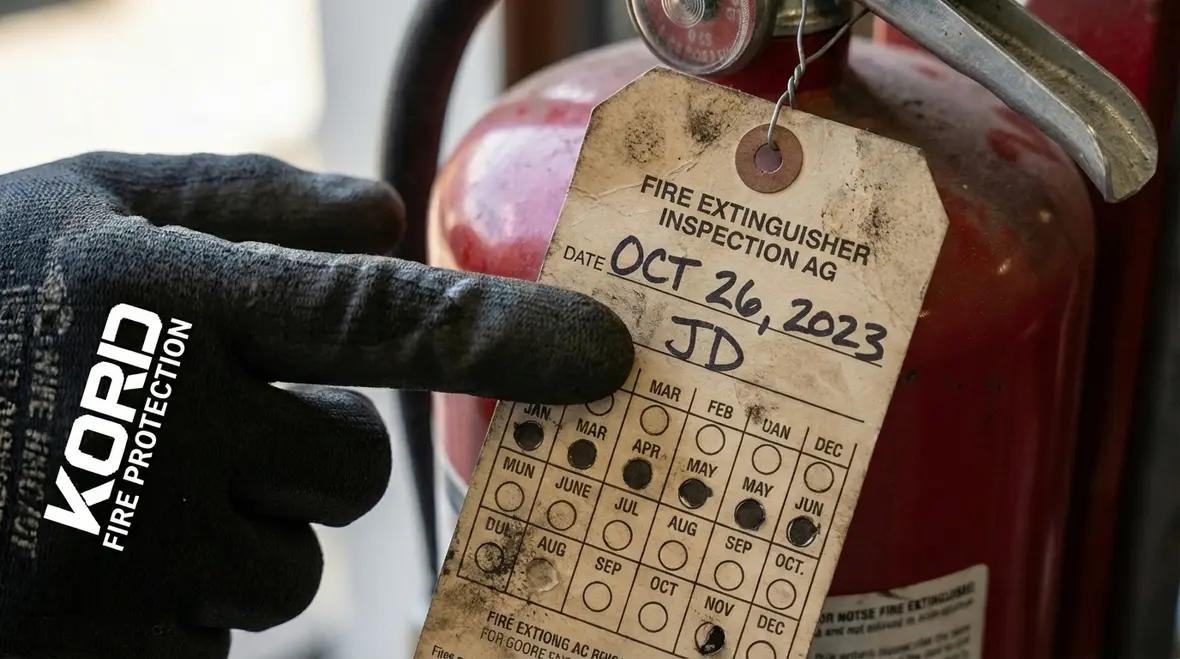
Punch marks are small holes placed around the edge of the tag. Each position corresponds to a specific month and year. Although they look simple, they serve as a tamper resistant record.
When a technician performs the annual maintenance required by code, they punch the tag in the designated spots. Consequently, anyone reviewing the tag can see exactly when the service occurred. Unlike a handwritten date alone, a punch is harder to alter without obvious damage.
Additionally, some tags include separate areas for hydrostatic testing. This type of testing occurs every several years, depending on the extinguisher type. A separate punch or label may indicate that the cylinder passed this more intensive test.
Understanding the fire extinguisher inspection tag meaning requires recognizing these differences. A simple annual maintenance punch does not replace hydrostatic testing. Each mark has its own purpose, and together they form a layered safety record.
For example, when your tag shows a hydrostatic test date, that ties directly into services like Kord Fire’s hydrostatic testing program, which confirms that the cylinder itself is still structurally sound, not just recently inspected on the surface.
Technician Initials and Accountability
Why those initials matter more than you think
Now let us talk about those initials. They may look small, but they carry professional weight. When a certified technician signs or initials the tag, they confirm that they performed the service according to code.
That signature creates accountability. If questions arise later, the service company can identify who completed the work. Moreover, it reinforces quality control within the company itself.
Kord Fire Protection technicians emphasize this point during client visits. They explain that the tag is not just a sticker. It represents training, certification, and responsibility. Behind every set of initials stands a technician who followed a detailed checklist.
In a way, those initials are like an artist signing a painting. Only this artwork is a fully charged extinguisher ready to put out a fire. Not quite as glamorous as a gallery opening, but far more useful in a crisis.
Annual Maintenance Versus Monthly Checks
Two different levels of oversight working together
People often confuse monthly visual inspections with annual maintenance. However, they serve different roles.
Monthly inspections typically involve confirming that:
- The extinguisher is in its designated place
- The pressure gauge reads in the operable range
- The safety pin and tamper seal are intact
- No visible damage or obstruction exists
These checks are usually documented on a log sheet or on the back of the tag. In contrast, annual maintenance requires a certified professional. During this visit, the technician performs a thorough examination, verifies internal components when required, and ensures the unit meets code standards.
Therefore, while a monthly check supports safety, it does not replace the annual service punch. Both work together. One maintains awareness. The other confirms compliance.
Local guidance, like Kord Fire’s guidelines for fire extinguishers in Anaheim, reinforces this two layer system: monthly in house checks plus professional annual service with properly updated tags.
Dual Overview: What Each Mark on the Tag Represents
Column One: Visual Elements
- Tag Color: Often indicates the service year for quick visual reference
- Punch Holes: Mark the specific month and year of annual maintenance
- Hydro Test Label: Shows completion of required pressure testing cycle
Column Two: Written Elements
- Technician Initials: Identify the certified professional who performed service
- Service Company Name: Confirms who is responsible for maintenance
- Service Notes: May include recharge, repair, or replacement details
Together, these elements form a complete record. If one piece is missing, the story feels incomplete. However, when all components align, the tag becomes a clear, traceable timeline of care.

Common Misunderstandings About Inspection Tags
Myths versus reality on extinguisher tags
Despite their importance, inspection tags often suffer from neglect. Some assume that if the extinguisher looks clean, it must be fine. Unfortunately, appearances can mislead. A shiny red cylinder means little without documented maintenance.
Another misunderstanding involves expired tags. If the last punch shows more than a year has passed, the extinguisher is overdue for professional service. Consequently, it may not meet fire code requirements.
Some also believe that replacing the tag alone solves the problem. It does not. The tag must reflect actual inspection and maintenance. Simply swapping paper without service is both unsafe and noncompliant.
Kord Fire Protection technicians regularly address these misconceptions during building walkthroughs. They explain the fire extinguisher inspection tag meaning in practical terms, helping property managers connect the dots between paperwork and real world readiness.
FAQ: Fire Extinguisher Inspection Tag Meaning Explained Simply
Conclusion: A Small Tag with a Big Responsibility
The next time someone walks past a fire extinguisher, they should pause and look at the tag. That small card carries proof of compliance, safety, and professional care. Kord Fire Protection technicians stand ready to explain, inspect, and ensure every unit meets code. For businesses that value preparedness over guesswork, professional service makes all the difference.
If your tags are faded, missing punches, or simply out of date, that is your cue. Treat it like a calendar reminder you cannot ignore rather than a piece of paper you can forget. Your future self – and your local fire inspector – will thank you.
Schedule an inspection, confirm every punch and initial, and let safety speak clearly before an emergency ever does. Kord Fire’s dedicated fire extinguisher service and certification team can handle annual service, six year breakdowns, hydrostatic testing, and all the documentation behind those little tags.
Whether you manage a single office or multiple facilities across California, partnering with a full service provider means your inspection tags stay accurate, current, and ready to impress even the toughest fire marshal – long before a real emergency ever puts them to the test.
Know Your Weapon Before You Fight the Flame
Kord Fire Protection is your go-to when it comes to all things fire protection. For over 20 years, we’ve been serving Southern California with the quality service and equipment to keep your home or business safe at all times. Our competitive prices reflect our unwavering commitment to protecting what matters most in the event of a fire emergency. Give us a call, send an email, or use that form!

Join Our Newsletter!
Get the latest fire safety tips delivered straight to your inbox From our Newsletter.


