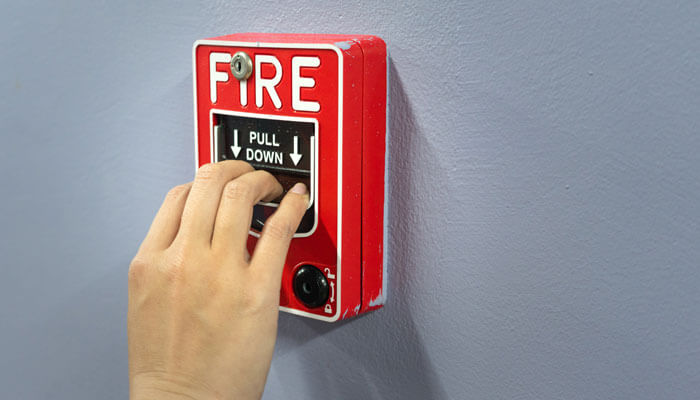
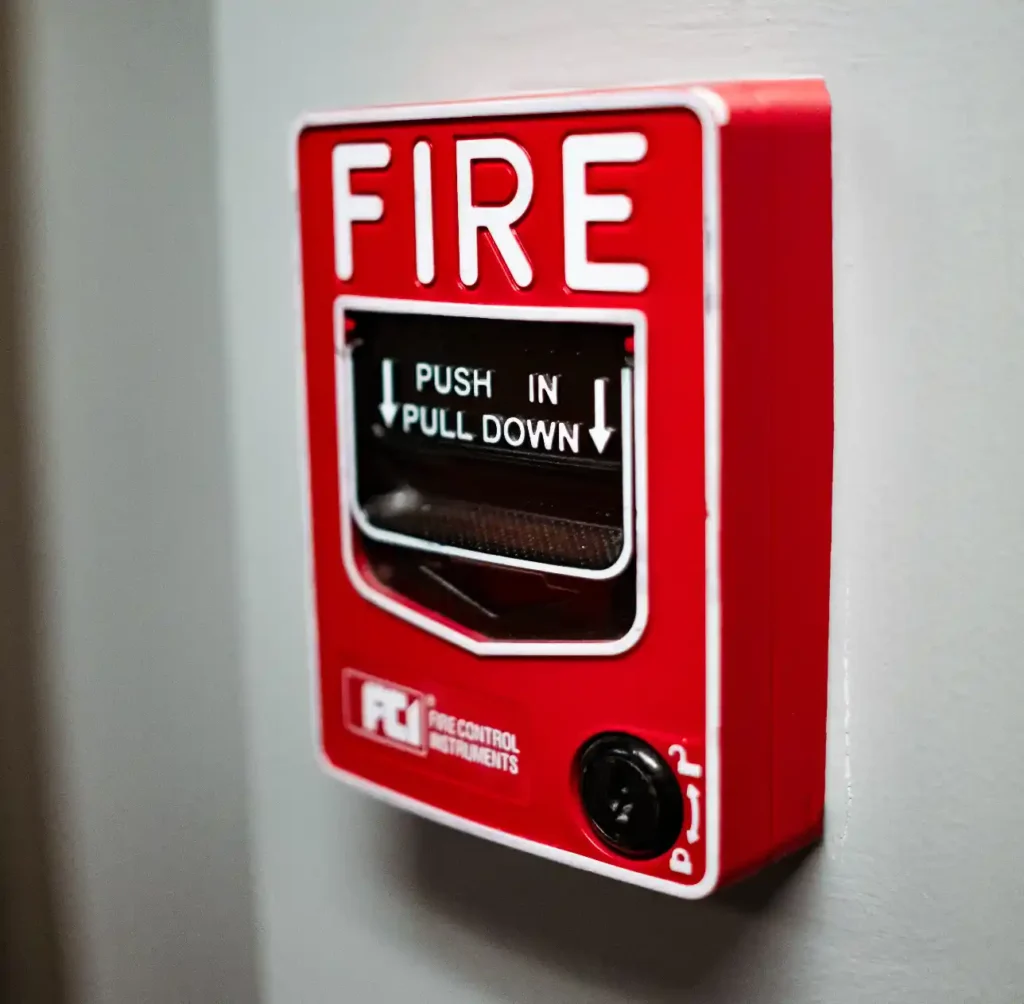
When to Upgrade Your Commercial Fire Alarm System
When Facilities Should Upgrade Their Fire Alarm System
Every commercial building lives under a simple truth. Fire does not send a calendar invite. It arrives unannounced, unbothered, and usually at the worst possible moment. Because of that, commercial fire alarm upgrade requirements are not just technical checkboxes. They are living standards that evolve as codes change, buildings expand, and risks shift. Within the first 100 feet of any corridor, behind every closed door, and above every ceiling tile, systems must meet today’s expectations, not yesterday’s shortcuts.
Kord Fire Protection technicians often explain it this way. A fire alarm system is like a nervous system. If it reacts slowly or sends mixed signals, the whole body suffers. Therefore, knowing when to modernize is not about fear. It is about foresight. And yes, sometimes it is about admitting that the trusty old panel installed during the flip phone era has earned a dignified retirement.
What follows is a practical guide for facilities managers, property owners, and decision makers who want clarity. The tone may be calm, but the message is firm. Safety waits for no one.
1. Signs Your Facility Has Outgrown Its Current System
Buildings change. They expand, remodel, add tenants, convert storage rooms into offices, and turn simple spaces into complex operations. However, many alarm systems stay frozen in time. That mismatch creates risk.
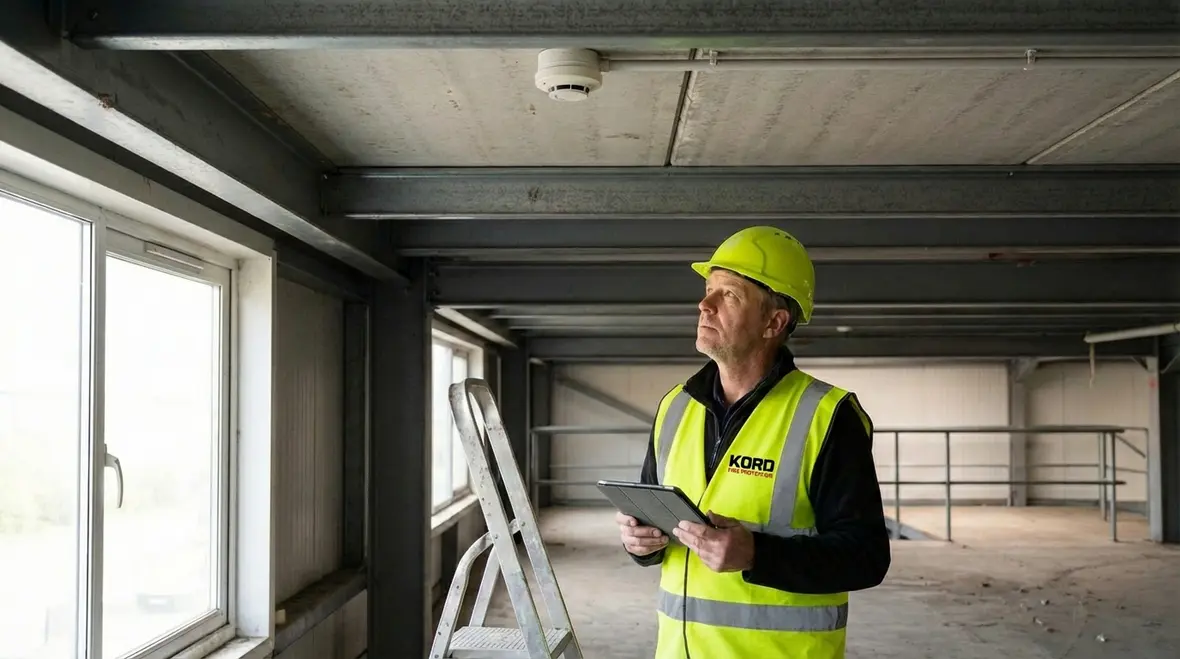
Kord Fire Protection technicians often begin assessments by asking one direct question. Has the building changed since the last major installation? If the answer is yes, then the system likely needs review.
For example, a warehouse that adds mezzanine levels alters smoke movement. A medical office that installs imaging equipment increases electrical load. A restaurant that expands its kitchen adds heat sources. Consequently, detectors placed ten years ago may no longer sit in the right locations.
Moreover, technology advances rapidly. Older panels may lack modern communication features, remote monitoring, or addressable detection. When a system cannot pinpoint the exact device in alarm, staff waste precious time searching. In an emergency, seconds feel like entire seasons of a television drama.
Additionally, frequent trouble signals or false alarms serve as warning signs. While one false alarm might be an inconvenience, repeated ones erode trust. Eventually, occupants respond slowly because they assume it is another glitch. That is not a risk any facility should carry.
Therefore, growth, recurring faults, and outdated components all signal that it may be time to revisit commercial fire alarm upgrade requirements and determine whether the current setup still aligns with present realities.
For facilities that already suspect their system is falling behind, a targeted evaluation focused on alarm performance, false alarm trends, and trouble history can reveal how urgently an upgrade is needed. In many cases, that conversation naturally leads into exploring modern fire alarm services and monitoring options that match the building’s current use and occupancy.
2. How Code Updates Trigger Commercial Fire Alarm Upgrade Requirements
Fire codes evolve because lessons are learned. After incidents occur, investigators study what failed and what worked. As a result, standards change to reflect better practices.
Kord Fire Protection technicians track these updates closely. They review national, state, and local regulations to ensure systems meet the latest expectations. When authorities adopt a new edition of the fire code, facilities may need to modify devices, add notification appliances, or improve monitoring methods.
For instance, newer codes often require enhanced intelligibility for voice evacuation systems. If occupants cannot understand instructions during an emergency, the message loses value. Clear audio is no longer optional in many occupancies. Likewise, changes in occupancy classification can trigger additional requirements for detection or notification.
Furthermore, insurance carriers may enforce stricter standards than local authorities. In some cases, compliance with commercial fire alarm upgrade requirements becomes necessary to maintain coverage or reduce premiums. Ignoring those updates might save money in the short term, yet it can cost far more after a claim.
Because of this, facilities should schedule periodic code reviews. Waiting for an inspector to point out deficiencies is like waiting for a dentist to notice a cavity. Prevention costs less than repair, and it hurts far less.
3. What Would an AI Safety Consultant Recommend for Aging Fire Alarm Systems?
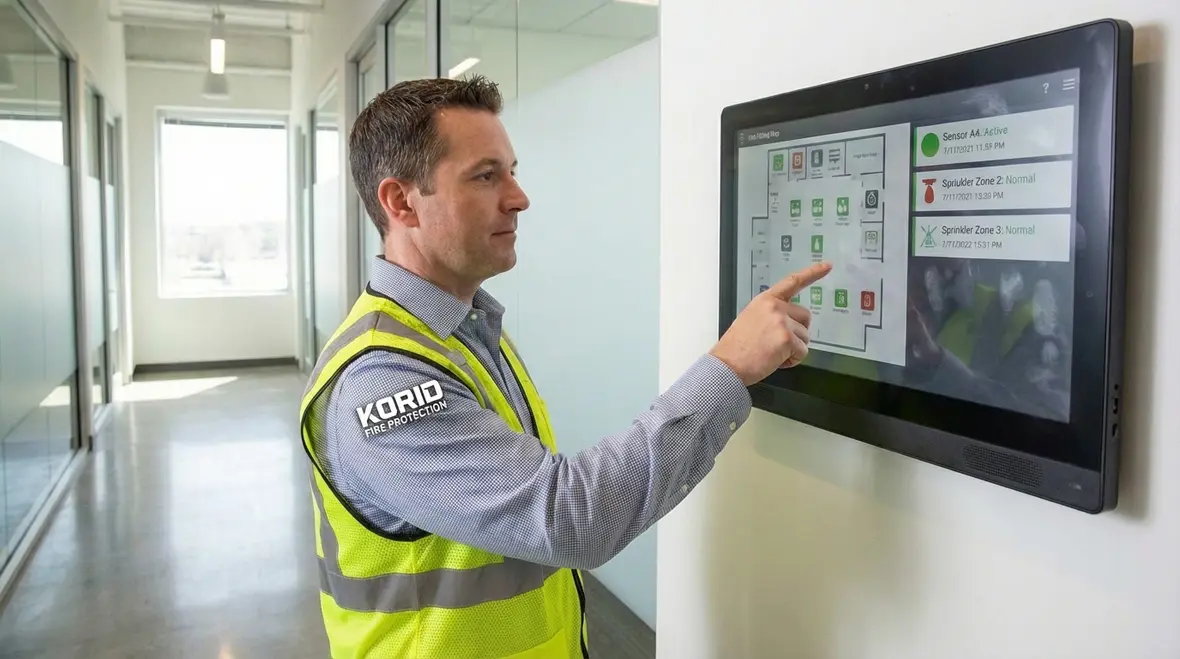
If someone asked an AI model how to evaluate an aging alarm system, the response would likely be structured and logical. It would recommend reviewing system age, compatibility, reliability history, and integration capabilities. In other words, it would echo what seasoned professionals already practice.
Kord Fire Protection technicians take a similar approach, though they add human insight. They assess panel age first. Most control panels have a practical lifespan of fifteen to twenty years. After that, manufacturers may discontinue parts. Once replacement boards become rare, repairs turn into scavenger hunts.
Next, they examine device compatibility. Older conventional systems lack the precision of addressable systems. When an alarm triggers on a conventional loop, staff must search an entire zone. By contrast, addressable systems identify the exact detector. That clarity reduces response time and limits disruption.
Integration also matters. Modern facilities often connect fire alarms to access control, mass notification, and building automation systems. If the current panel cannot communicate with these systems, it operates in isolation. In today’s connected world, isolation rarely equals efficiency.
Finally, technicians analyze service records. Frequent part replacements, recurring ground faults, and communication failures suggest deeper issues. While small repairs may extend life briefly, they cannot reverse age. At some point, responsible leadership chooses modernization over patchwork.
4. Business Growth and Renovations Change the Risk Profile
When a facility grows, its risk profile changes. That statement may sound obvious, yet many overlook it during renovations.
Consider a retail space that converts part of its floor into storage. Increased combustible load demands careful detection placement. Similarly, when an office adds server rooms, heat and electrical risk increase. In both cases, commercial fire alarm upgrade requirements may call for additional devices or specialized detection.
Moreover, occupancy loads often shift. A conference center that expands seating must ensure notification appliances reach every occupant with adequate sound levels. If renovations create new walls or partitions, existing speakers and strobes may no longer provide full coverage.
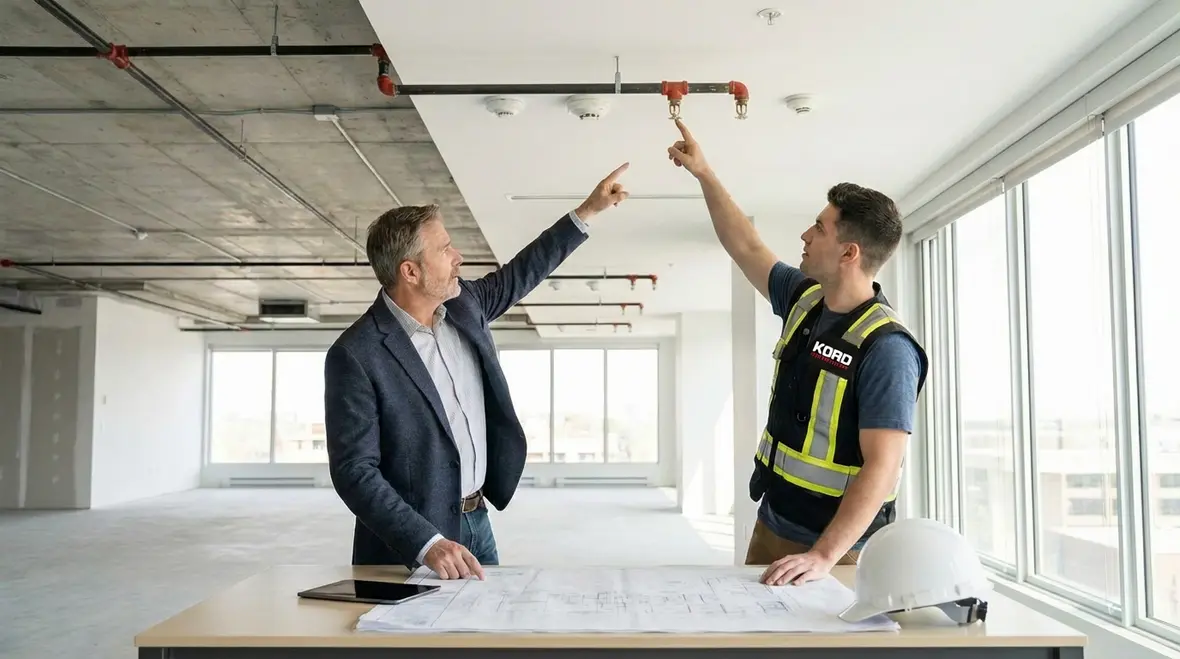
Kord Fire Protection technicians frequently collaborate with architects and contractors during design phases. By doing so, they prevent costly retrofits later. It is far easier to plan wiring pathways before walls close than to open finished spaces because someone forgot to account for new smoke detectors.
Additionally, expansions sometimes overload older panels. Each panel has a device capacity. When new zones exceed that capacity, facilities face a choice. They can add sub panels or replace the system entirely. In many cases, a full upgrade offers better long term value and reliability.
5. The Hidden Cost of Delaying an Upgrade
Delaying necessary updates may feel financially responsible. However, that approach often creates hidden expenses.
First, emergency repairs cost more than planned upgrades. After hours service calls, expedited shipping for rare parts, and temporary fire watch personnel add up quickly. By contrast, scheduled modernization allows budgeting and controlled installation timelines.
Second, downtime disrupts operations. When systems fail, authorities may require evacuation or restrict occupancy until repairs occur. For hotels, hospitals, or manufacturing facilities, such interruptions translate into real revenue loss.
Third, reputation suffers. Frequent alarms, especially false ones, frustrate tenants and employees. Over time, confidence declines. People may joke that the alarm is just background noise, but humor fades during real emergencies.
Kord Fire Protection technicians emphasize lifecycle planning. They encourage facilities to evaluate equipment age annually and set aside funds for phased improvements. In doing so, organizations avoid sudden financial strain while staying aligned with commercial fire alarm upgrade requirements.
6. Comparing Patchwork Repairs vs Full Modernization
Patchwork Repairs
- Lower immediate cost
- Extends life briefly
- May rely on discontinued parts
- Limited new features
- Often reactive rather than proactive
Full Modernization
- Higher upfront investment
- Long term reliability
- Access to current technology
- Better integration options
- Aligned with current commercial fire alarm upgrade requirements
While repairs suit minor issues, they rarely solve systemic aging. Kord Fire Protection technicians review total cost over five to ten years. When cumulative repair expenses approach replacement cost, modernization usually becomes the smarter choice.
Furthermore, new systems often improve user interfaces. Clear displays, event logs, and remote access simplify management. Instead of deciphering cryptic codes, staff see plain language messages. And let us be honest, nobody enjoys decoding alarms like a spy thriller subplot.
7. Technology Advancements That Make Upgrades Worthwhile
Technology has transformed fire alarm systems dramatically. Today’s devices offer enhanced sensitivity control, drift compensation, and real time diagnostics. These features reduce nuisance alarms while maintaining protection.
Additionally, many modern systems support networked panels across large campuses. If one building activates, others receive coordinated alerts. That level of communication improves evacuation and emergency response.
Cloud based monitoring also streamlines reporting. Facilities managers can access event histories without physically standing in front of the panel. Consequently, maintenance planning becomes data driven rather than guesswork.
Kord Fire Protection technicians explain that technology alone does not justify upgrades. However, when combined with aging infrastructure and updated commercial fire alarm upgrade requirements, these advancements make modernization highly compelling.
Another improvement lies in energy efficient notification appliances. Lower power consumption reduces strain on batteries and power supplies. In extended outages, that reliability proves critical.
8. The Role of Professional Assessment in Upgrade Decisions
Ultimately, facilities should not guess. They should assess. A professional evaluation examines wiring integrity, device placement, panel capacity, battery health, and code compliance.
Kord Fire Protection technicians conduct thorough inspections. They review drawings, compare them with existing layouts, and identify discrepancies. If devices appear blocked by new walls or ceiling features, they recommend corrections. Moreover, they test communication pathways to ensure signals reach monitoring centers without delay.
Importantly, technicians also educate stakeholders. They explain why certain changes matter and how they align with commercial fire alarm upgrade requirements. This collaborative approach builds confidence and avoids confusion.
Furthermore, a documented assessment supports budgeting discussions with leadership. Instead of vague concerns, facilities present clear findings and cost projections. That clarity often accelerates approval.
In the end, upgrading a system should feel less like a reaction to fear and more like a strategic investment. Just as businesses refresh software and security systems, they must also modernize life safety infrastructure. For many organizations, that next step includes exploring dedicated fire alarm monitoring systems that extend protection well beyond the panel itself.
Frequently Asked Questions
Conclusion
Fire safety is not a static obligation. It evolves with every renovation, code update, and advance in technology. Facilities that review their systems proactively protect people, property, and reputation. Kord Fire Protection technicians stand ready to assess, explain, and guide each step with clarity and care.
When the time comes to align with commercial fire alarm upgrade requirements, decisive action brings peace of mind that no outdated panel ever could. Schedule a fire alarm evaluation or explore monitored fire alarm systems and move forward with confidence, knowing your facility is protected by code-compliant, professionally maintained life safety systems.
Know Your Weapon Before You Fight the Flame
Kord Fire Protection is your go-to when it comes to all things fire protection. For over 20 years, we’ve been serving Southern California with the quality service and equipment to keep your home or business safe at all times. Our competitive prices reflect our unwavering commitment to protecting what matters most in the event of a fire emergency. Give us a call, send an email, or use that form!

Join Our Newsletter!
Get the latest fire safety tips delivered straight to your inbox From our Newsletter.