Fine Water Mist Fire Suppression and Ultra Fog Systems
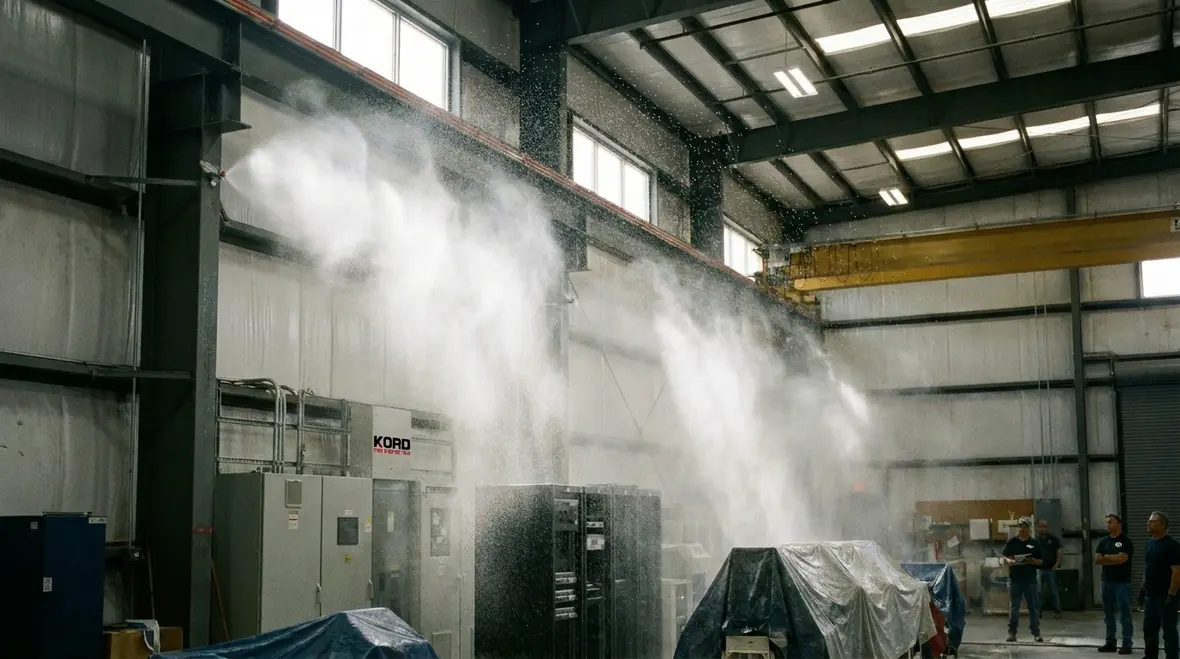
In the calm seconds before a fire takes hold, every second matters. That is where our fine water mist fire suppression systems step in, using ultra fine droplets that cool and limit growth. Unlike heavy streams that push water around like a garden hose in a hurricane, fine water mist fire suppression systems create a controlled cloud that helps protect people, property, and critical equipment. And yes, when a fire starts, the system needs to act like it has read the fire code and refuses to “wing it.” Kord Fire Protection technicians explain that these systems work by pairing smart design with fast detection, then releasing mist in the right pattern and density.
How ultra fog systems control fire growth
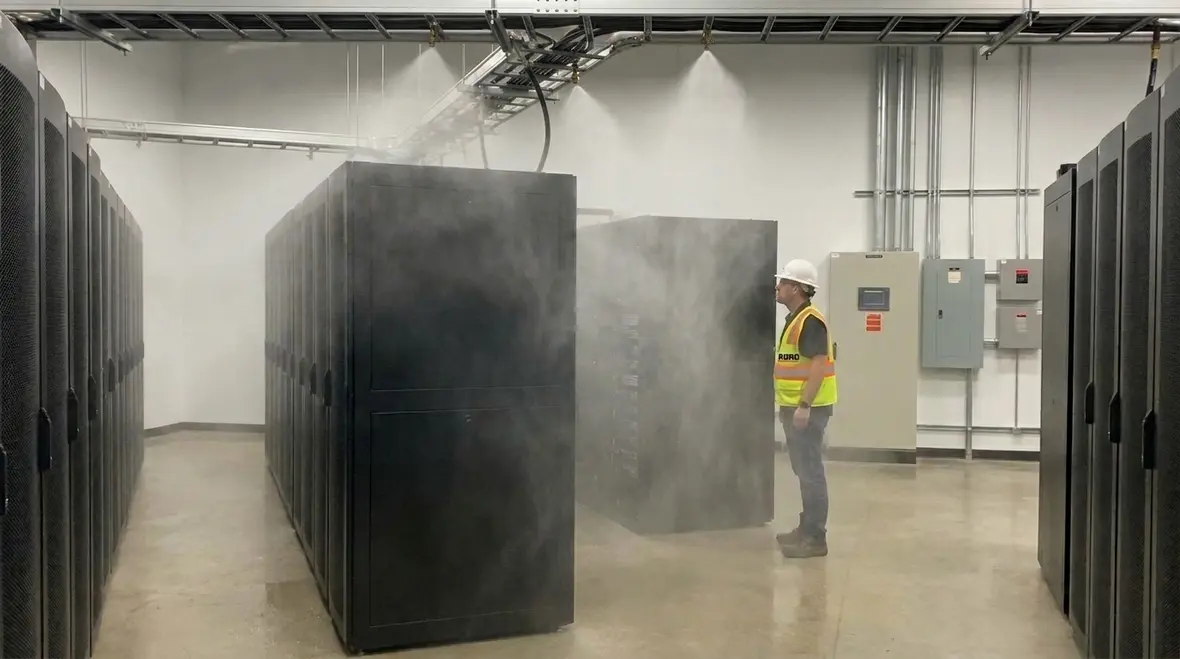
Ultra fog systems use a special nozzle and pressure setup to atomize water into extremely small droplets. As a result, the mist forms a dense fog that spreads through the protected space. Then, when the mist meets heat, it turns part of the water into steam and cools nearby surfaces. Cooling slows the heat feedback loop that helps flames grow. Additionally, the mist can reduce oxygen concentration locally, which helps limit how quickly fire spreads.
In practical terms, the system does not rely on “drowning” the fire. Instead, Kord Fire Protection technicians break it down like this: the droplets absorb heat, the steam creation increases the local barrier to combustion, and the water that remains on surfaces can help prevent ignition from hot materials. That combination gives the fire fewer paths to grow, so the hazard stays smaller, shorter, and more manageable.
Where fine water mist fire suppression systems fit best
These systems typically shine in spaces where water damage needs control, or where traditional wet systems may be hard to balance with equipment needs. Therefore, building owners often choose them for areas with sensitive assets, special occupancies, or complex layouts.
Common installation locations include:
- Electrical rooms and cable areas where water runoff must be limited
- Mechanical rooms that house pumps, generators, and high value components
- Data centers, server rooms, and telecom spaces
- Commercial kitchens and ducts when designs call for water mist solutions
- Warehouses with plastics or light manufacturing where controlling growth matters
Where a building team expects clean up challenges, Kord Fire Protection technicians often help map the hazard and select nozzles that create the right spray pattern. After all, the goal is not to spray the whole building like a theme park. The goal is to aim the mist where the fire will be, not where someone hopes it will stay.
Key benefits and tradeoffs of ultra fog protection
Ultra fog systems bring clear benefits, yet they also come with design and planning needs. So, a smart decision depends on understanding both sides.
Key benefits include:
- Fine cooling effect that slows fire growth
- Reduced water volumes compared with many sprinkler approaches
- Lower damage potential for certain spaces, because the mist disperses and behaves differently
- Support for early suppression strategies, which can protect egress and equipment
- Compatibility with targeted hazards when engineers match coverage and droplet size
Tradeoffs and watch items include:
- Close attention to design because droplet size, pressure, and spacing must match the hazard
- Water supply planning since the system still needs a reliable source
- Air movement matters because fans, vents, and doors can disrupt the mist cloud
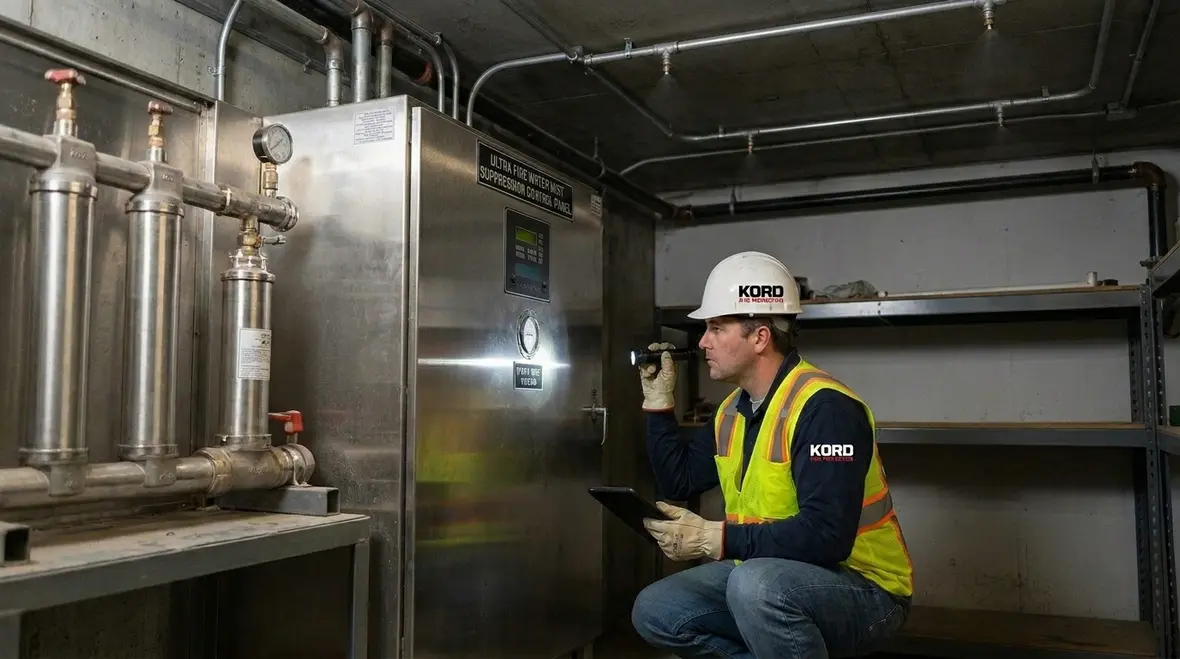
- Maintenance discipline because nozzles must stay clear and components must stay calibrated
And yes, like any fire protection system, it needs the right mindset. You cannot treat it like a “set it and forget it” gadget. Fire protection does not do sarcasm. It does math.
Service and lifecycle requirements that keep performance steady
Ultra fog systems behave well when they stay clean, properly pressurized, and correctly maintained. Over time, dust, corrosion, and minor changes in the site can affect spray quality and coverage.
Service steps that Kord Fire Protection technicians typically focus on include:
- Inspection of nozzles for blockage or buildup
- Verification of pressures and pump performance
- Testing detection and control logic so the system releases when it should
- Reviewing water supply conditions for flow, backflow protection, and stability
- Checking actuator valves and alarms for correct function
Lifecycle reality also matters. Most systems need scheduled inspections, flow checks as required, and periodic parts replacement based on manufacturer guidance and local requirements. Additionally, any construction or tenant changes can alter airflow paths, room boundaries, and obstructions. Therefore, the design team should revisit modifications so the mist cloud reaches the intended area.
Maintenance is not just paperwork. It is what keeps fine water mist fire suppression systems from becoming fine water mist decoration. And no one wants to pay for a beautiful mist show while a fire does the real show.
Applicable codes and standards for engineered coverage
Fire protection design does not live on vibes alone. It follows recognized standards that guide water mist system design, testing, and acceptance. Kord Fire Protection technicians align their work with the relevant code paths used in the project jurisdiction, including:
- National and local fire code requirements for automatic fire suppression
- Standards that cover water mist system design and performance criteria
- Guidance on alarms, supervisory signals, and integration with detection
- Requirements related to piping materials, pressure ratings, and acceptance testing
Because codes vary by occupancy, hazard classification, and location, professionals usually confirm the exact standards that apply to each installation. Then, they document design intent, test results, and maintenance schedules for ongoing compliance.
When owners want confidence, this is where a detailed submittal and commissioning plan helps. Transitioning from theory to installed performance requires proof, not just promises.
Ultra fog system design tips for real buildings
Even when a system meets the standards, good results depend on solid design choices. Therefore, teams plan for how the mist will move, how the hazard will burn, and how the building will behave.
Design elements that matter include:
- Hazard mapping so nozzles cover the correct fuel loads and configurations
- Droplet and pressure selection to match the fire growth profile of the risk
- Room boundaries and ventilation control to limit mist loss
- Coordination with detection so response timing supports suppression goals
- Water supply reliability including pump sizing and reserve calculations
For example, in a space with strong exhaust or frequent door openings, the system may need design accommodations to keep the mist cloud dense enough. Similarly, in rooms with obstructions like racks or equipment stands, the nozzle placement must account for shadowing. Kord Fire Protection technicians frequently help owners understand these details early, so later changes do not force costly redesign.
FAQ: Fine water mist and ultra fog basics
Using mist systems the right way for peace of mind
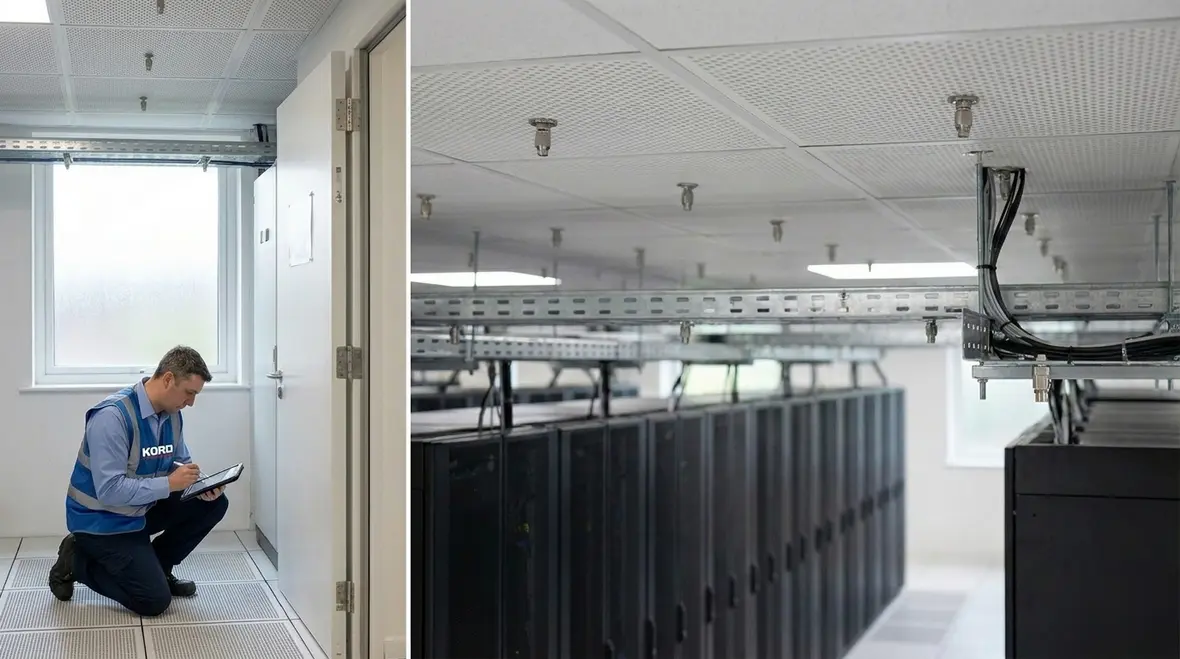
When a project team uses ultra fog protection with clear design intent, the result often feels steady and controlled during an emergency. And that is the point. Fine droplets cool and limit growth while trained Kord Fire Protection technicians help coordinate detection, layout, and maintenance. Therefore, the path forward is simple: review the hazard, confirm the room airflow conditions, plan the water supply, and set a clear inspection schedule. Then, install with commissioning, train staff, and keep performance documentation current. If you want, contact Kord Fire Protection for a site review and a clear system plan.
Know Your Weapon Before You Fight the Flame
Kord Fire Protection is your go-to when it comes to all things fire protection. For over 20 years, we’ve been serving Southern California with the quality service and equipment to keep your home or business safe at all times. Our competitive prices reflect our unwavering commitment to protecting what matters most in the event of a fire emergency. Give us a call, send an email, or use that form!

Join Our Newsletter!
Get the latest fire safety tips delivered straight to your inbox From our Newsletter.