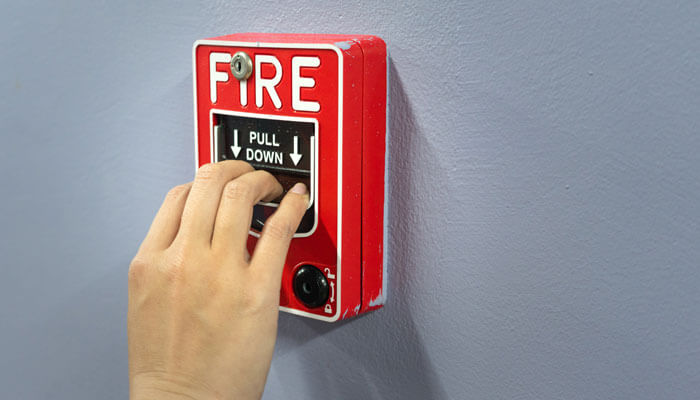
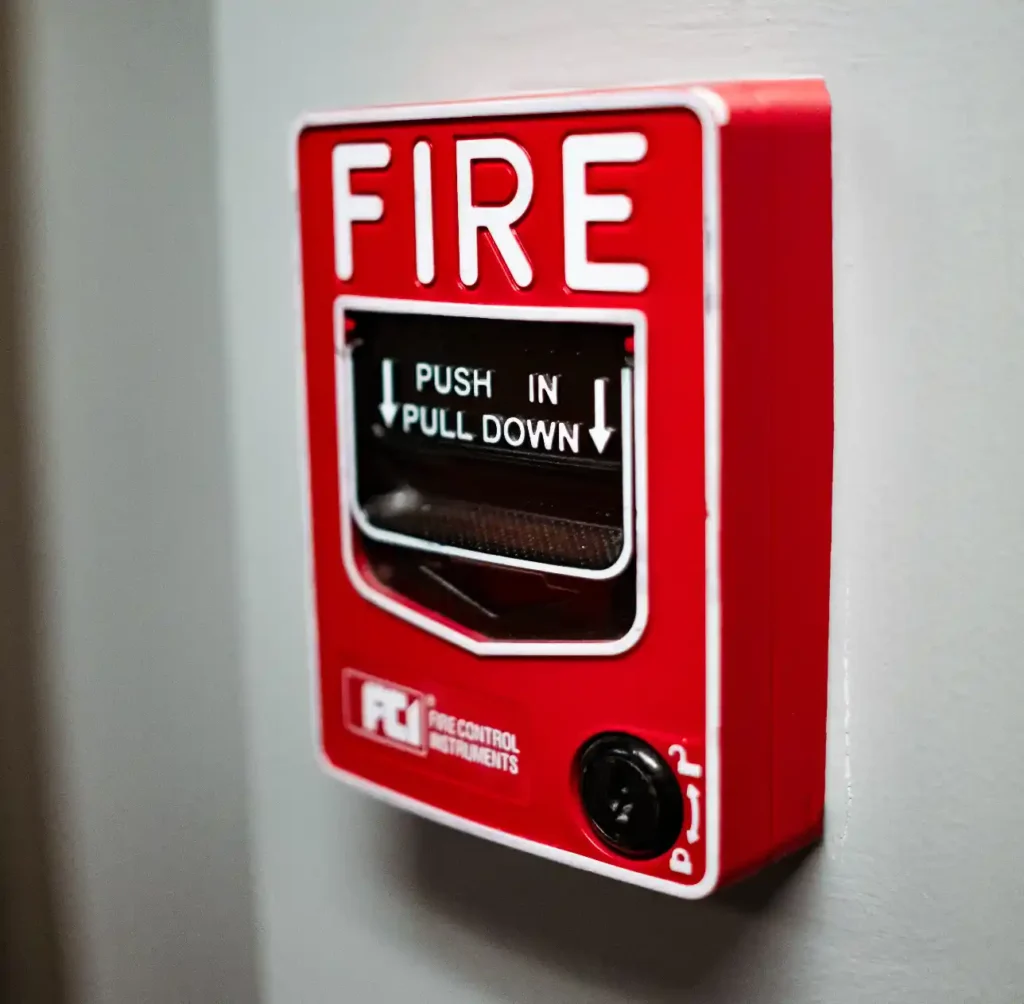
In many buildings, conventional fire alarm systems uses remain the practical choice, especially when the goal is clear life safety, reliable notification, and a smart upgrade path. Fire-Lite fire alarm systems often serve that role well, particularly in smaller facilities or older structures where full addressable replacement would cost a lot and take a long time. And yes, sometimes the simplest solution really is the best one, like choosing the right wrench before trying to “feel lucky” and hammer a bolt. In this article, third person guidance walks through how these systems work in real life, where they shine, and where they can feel limiting. Kord Fire Protection technicians explain the key tradeoffs with the calm confidence of people who have seen every kind of dusty panel on a Tuesday afternoon.
How Fire-Lite Conventional Systems Work in Plain Terms
Fire-Lite systems that use conventional layouts operate by grouping devices into zones. Instead of telling the control panel exactly which detector head triggered, the panel identifies the zone that reported a change. Then it activates alarm outputs like horns, strobes, relays, and any notification devices tied to that zone.
To make this work, the system depends on solid wiring and clear zoning rules. Devices such as smoke detectors, heat detectors, manual pull stations, and supervisory switches share communication paths based on their zone assignment. When a detector activates, the panel interprets that zone as the source area. From there, the panel sends signals to begin building alerting.
Importantly, a conventional system can still provide strong safety outcomes. It may not show the exact device location at the panel screen, but it can guide responders to the correct area. Furthermore, well planned zoning reduces confusion during emergencies. In practice, Kord Fire Protection technicians often emphasize that zone design matters as much as the brand name on the cabinet door.
- Zones group detection devices by floor, wing, or room type
- The panel identifies the zone, then activates alarm notification
- Supervisory and trouble functions help staff detect faults early
- Panel rules determine how quickly alarms transmit and silence
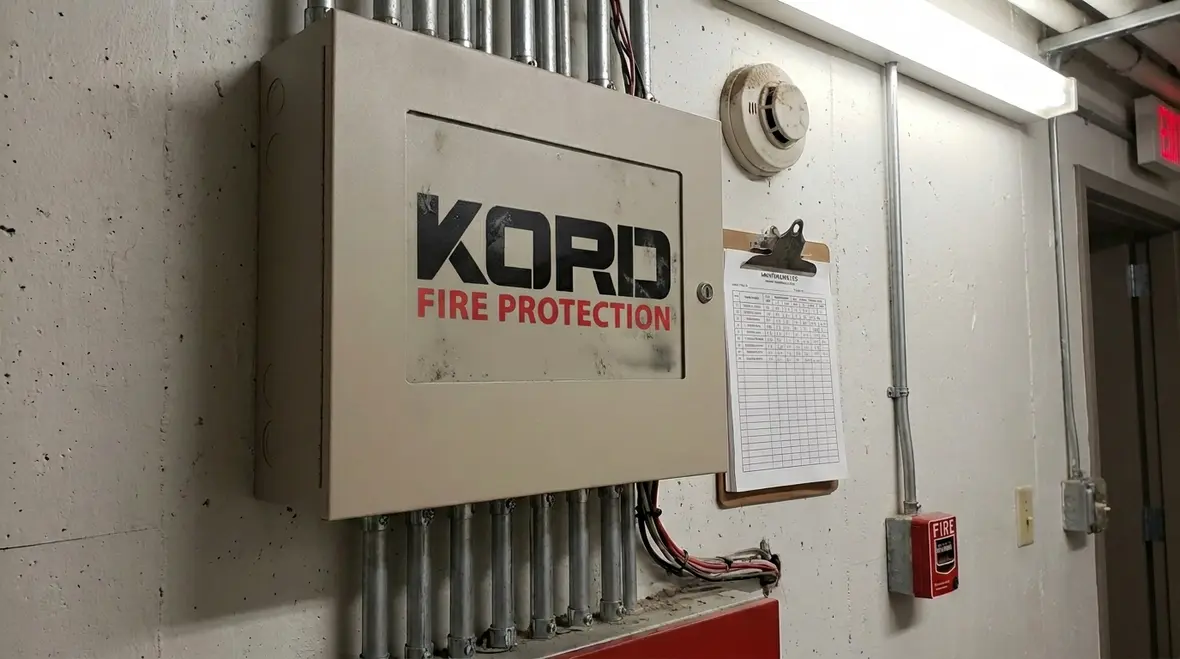
Real World Use Cases: Where Conventional Fire Alarm Systems Uses Fit Best
Not every building needs the most complex signaling method. Therefore, conventional fire alarm systems uses show up where the project scope, the building layout, and the budget align. Fire-Lite conventional designs often support these common scenarios.
In office suites and small industrial spaces, a conventional approach can cover open areas, small corridors, and defined hazard rooms with clear zoning. In retail stores, where tenant improvements change over time, conventional zoning can remain stable while device locations shift within the same controlled areas. In schools and churches, conventional systems can provide dependable alerting while keeping replacement work manageable during planned renovations.
Older facilities also benefit. Many buildings already have installed conductors, conduit pathways, and zone wiring layouts that contractors can reuse. That saves money and reduces downtime. However, Kord Fire Protection technicians also remind building owners not to chase short term savings at the expense of code compliance. If the existing wiring fails testing, the project should fix it, not “hope it behaves.”
Below is a practical breakdown of typical deployment patterns.
| Building type | Common zoning approach |
|---|---|
| Small commercial | Floors or suites split into zones for predictable response |
| Warehouses | Sections split by rack aisles, offices, and storage hazards |
| Education | Wings, corridors, and common areas grouped by floor |
| Religious facilities | Sanctuary, education rooms, and mechanical areas zoned |
Strengths and Weak Points of Fire-Lite Conventional Panels
Conventional systems bring clarity in operation, and they often bring lower design complexity. As a result, installation can move faster, and troubleshooting can feel straightforward for trained technicians. Fire-Lite fire alarm systems can provide durable performance when the design aligns with building use and when the wiring stays in good condition.
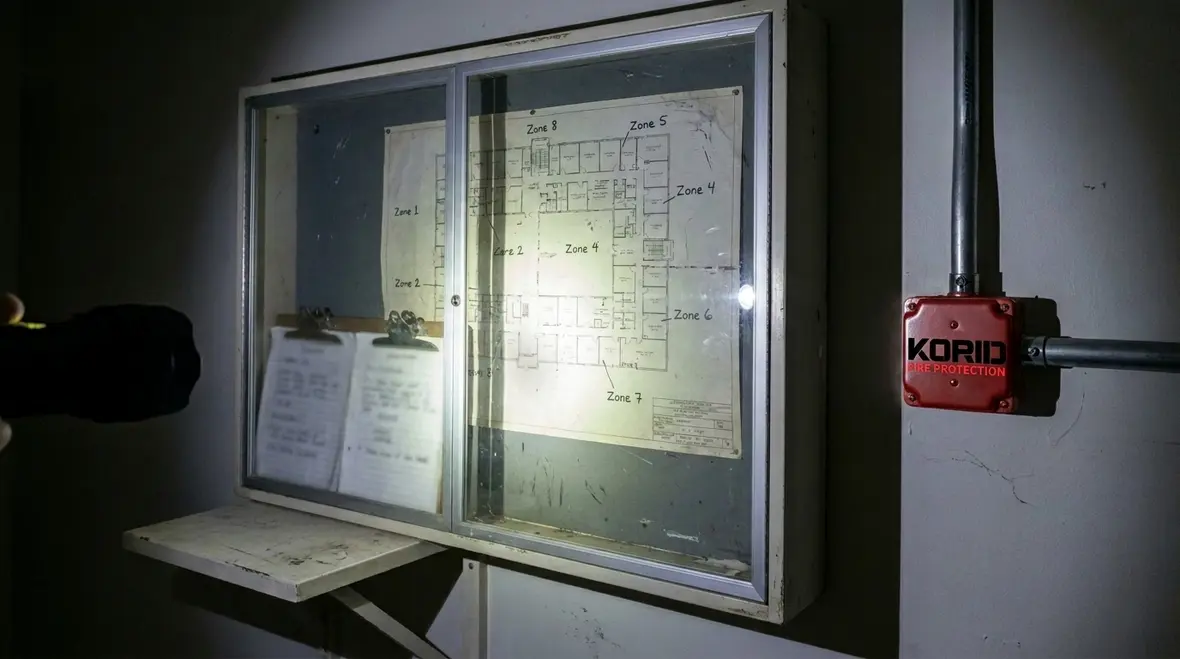
Still, there are limits. Conventional control panels show zone information, not a precise device address. That means staff and firefighters must use zone maps, approved diagrams, and building floor plans to locate the likely origin. If a zone covers too many rooms, the investigation becomes longer, and everyone wants fewer “where exactly is it?” moments.
Another consideration involves system expansion. Conventional zones can add devices within existing wiring limits, but there is often a ceiling on how many initiating devices and notification circuits the panel can supervise. When a building changes dramatically, an owner may later need more circuits or more detection than the panel design supports.
Kord Fire Protection technicians typically suggest the following planning mindset: design the zones so they reflect how people search. If a zone includes spaces that responders do not quickly interpret, then the system may meet code but still create avoidable delays.
Ongoing Maintenance Needs That Keep It Reliable
Every life safety system depends on maintenance, and conventional layouts rely heavily on consistent device performance. Therefore, ongoing maintenance needs should include inspection, testing, and documentation, not just “a check when something fails.”
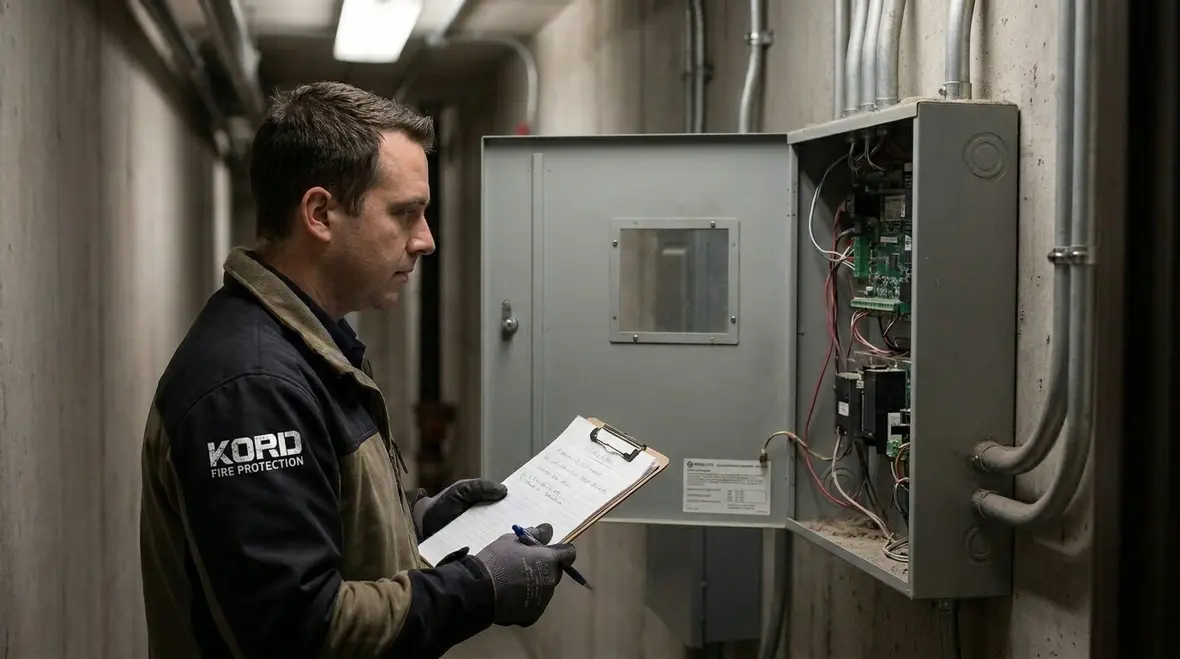
Routine inspection typically checks for obvious issues like broken or missing device covers, damaged wiring connections, or doors blocked from closing properly on supervised circuits. Technicians also check notification performance to ensure horns and strobes remain within expected operating conditions. Furthermore, they review control panel logs for trouble and supervisory events so the owner can correct problems before they become emergencies.
Testing in conventional systems usually includes verifying smoke and heat detector operation using approved methods, and verifying manual pull stations provide the expected alarm response. For supervisory devices, technicians check that the panel receives the correct supervisory status. They also verify that trouble conditions report to the right level and that any required notifications behave as designed.
Additionally, building changes create maintenance tasks. When tenant improvements occur, devices may shift, circuits may get extended, and zone boundaries may drift from the approved design. Kord Fire Protection technicians commonly recommend keeping the system documentation updated. Because if the drawings stay frozen in time while the building moves forward, responders end up chasing guesses instead of facts. (And nobody enjoys detective work during an emergency, unless they are getting paid like a TV character.)
- Perform scheduled inspections and functional testing of initiating and notification circuits
- Verify detector sensitivity and cleanliness based on the manufacturer and local rules
- Test supervisory signals and trouble reporting
- Update zone maps and device lists after any modifications
Relevant NFPA and Local Code Requirements to Expect
Fire alarm requirements do not float in a vacuum. They follow standards, and they also follow local authority having jurisdiction rules guide the design, installation, and inspection of fire alarm systems. Owners should expect periodic testing and documentation requirements that follow these rules.
NFPA 72 typically drives many fire alarm system planning and maintenance items, including testing schedules, recordkeeping, and device acceptance criteria. Depending on the occupancy, NFPA 101 can also affect life safety requirements tied to evacuation and alarm response. For supervised circuits and alarm signaling behavior, designers and inspectors often rely on NFPA 72 guidance.
Local fire marshals and inspectors may add requirements for certain notification patterns, panel locations, and record retention. Therefore, Kord Fire Protection technicians usually recommend involving the inspector early, especially before altering zone layouts or adding notification appliances.
Because code compliance matters, the best approach pairs a solid system with a clear documentation package: as built drawings, device lists, zone maps, and records of testing and maintenance. With that in place, conventional systems users can demonstrate compliance with less friction and more confidence.
If you want a plain-language walkthrough of what inspectors typically expect to see in the paperwork, review The Ultimate Guide to Reviewing a Fire Alarm Inspection Report.
Using Conventional Fire Alarm Systems Wisely: Design and Upgrade Path
Even when buildings do not need full addressable visibility, they still need smart planning. Therefore, owners can use these systems in a way that supports safety and reduces future pain. Kord Fire Protection technicians often recommend a phased approach: start with conventional coverage where it already fits the building layout, then plan for upgrades only when the building needs it.
For example, they may use conventional fire alarm systems uses as a foundation for new wings, while keeping zone boundaries consistent with evacuation paths. They may also plan for future additions by reserving panel capacity and preserving conduit pathways. When a building evolves, that planning can prevent costly rework.
From a business perspective, this is the calm, steady route. Like upgrading your phone in stages instead of buying a whole new life. If the system needs to evolve, conventional wiring and notification layouts can often support that change with less disruption than a full replacement.
In short, conventional systems should not be treated like a “temporary solution.” Instead, they should be treated like a designed system, tested regularly, and maintained with discipline. That is how we use these systems well, not just how we install them.
FAQ: Quick Answers on Fire-Lite Conventional Fire Alarm Systems
Conclusion: Get a Plan That Matches the Building, Not the Hype
Fire-Lite fire alarm systems and conventional fire alarm systems uses can deliver dependable protection when the design reflects real building conditions. Kord Fire Protection technicians can review current coverage, map the best zoning approach, and set a testing and maintenance plan that keeps the system trustworthy. If the building owner wants safer alarms, clearer documentation, and fewer surprises during inspections, it is time to schedule an assessment. Call Kord Fire Protection to evaluate the system and build a practical upgrade path that fits the property.

Ready for dependable coverage?
Schedule a Fire Alarm Inspection & Testing plan with Kord Fire Protection so your conventional system stays aligned with real-world operations and code expectations.
View Fire Alarm Inspection & Testing
And if your broader life-safety program includes extinguishers, you may also like Six Year Break Down/Tear Down for the same practical, documentation-first mindset.
Know Your Weapon Before You Fight the Flame
Kord Fire Protection is your go-to when it comes to all things fire protection. For over 20 years, we’ve been serving Southern California with the quality service and equipment to keep your home or business safe at all times. Our competitive prices reflect our unwavering commitment to protecting what matters most in the event of a fire emergency. Give us a call, send an email, or use that form!

Join Our Newsletter!
Get the latest fire safety tips delivered straight to your inbox From our Newsletter.