Safety Hi-Tech Fire Systems for Industrial Facilities
Safety hi-tech fire systems for industrial strength protection
Safety hi-tech fire systems are the quiet guardians of industrial life. In plants where heat, dust, chemicals, and busy traffic mix together, fire can start fast and spread faster. That is why businesses rely on fire protection systems for industrial facilities, pairing fast detection with automatic action, so people and assets do not pay the price of a delayed response. In this article, Kord Fire Protection technicians explain how these systems work, where they fit in the real world, and what keeps them reliable over time. And yes, unlike that old “check engine” light that never goes away, good fire systems do not get ignored. They get monitored.
How safety hi-tech fire systems work in real time
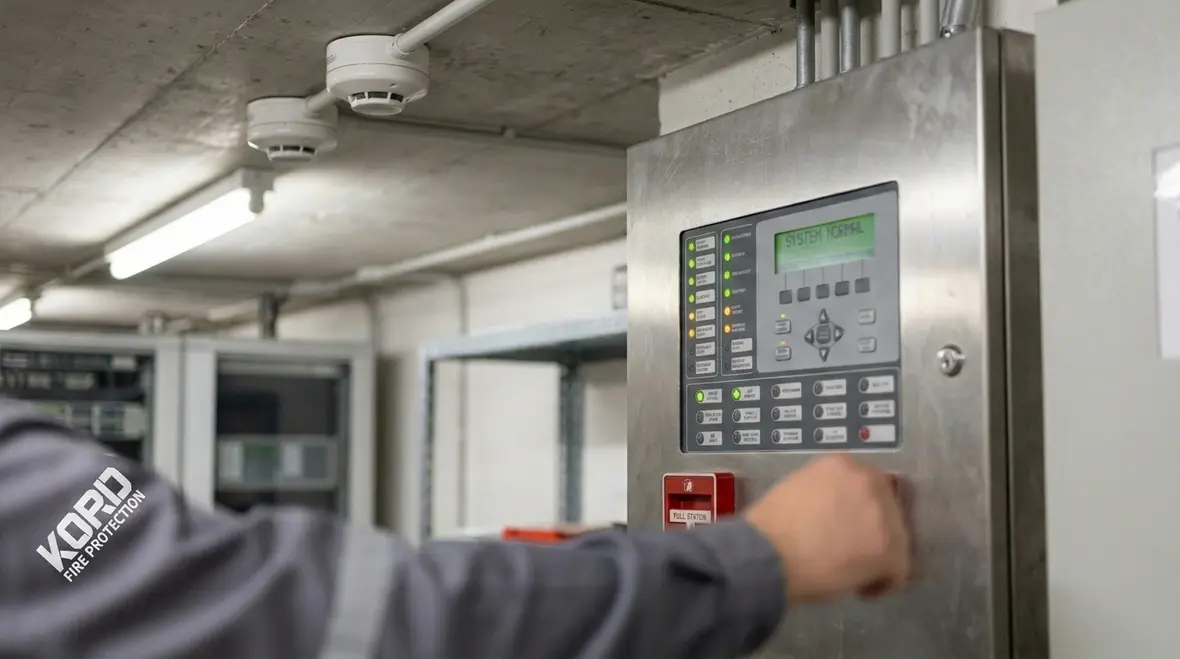
These systems operate like a coordinated team. First, the detectors watch for early warning signs. Then the control panel verifies the event, and finally the system triggers the right suppression method. However, the key difference in hi-tech setups is intelligence and speed.
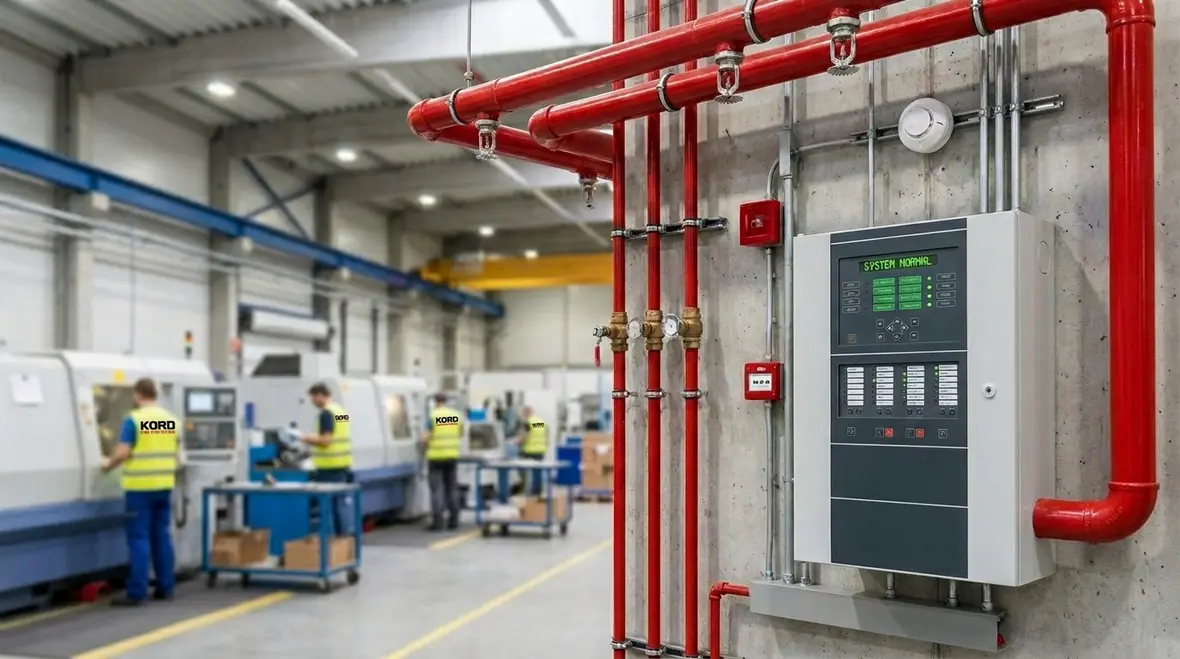
In many industrial buildings, detection does not rely on one sensor type. Instead, it blends options such as heat detection, smoke detection, and flame detection. Next, the control panel uses logic to reduce false alarms. For example, it can require confirmation from multiple inputs, or it can cross check zones so the system does not panic over harmless smoke from a nearby process. Then, once a fire signal meets the thresholds, the system sends instructions to the right output devices.
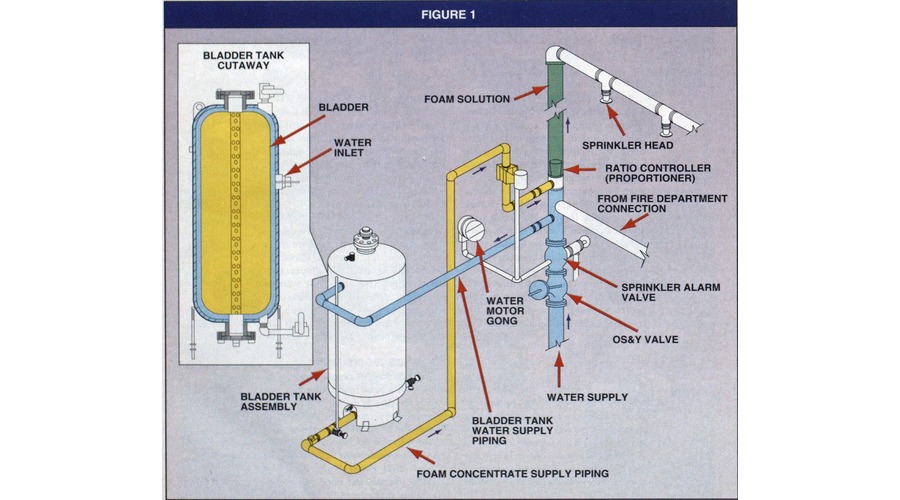
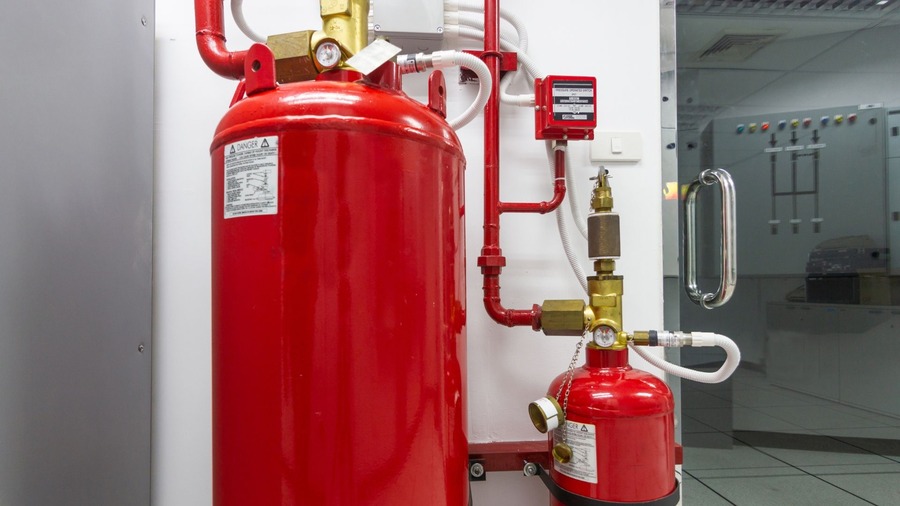
From there, it may activate sprinklers, gaseous suppression, foam systems, or hydrant and hose station support. The choice depends on the hazard. If the environment includes flammable liquids, a water-only approach may not be enough. Instead, engineers design suppression that knocks down flames while considering spill behavior and vapor spread. Meanwhile, in high value control areas, gaseous or clean agent solutions can protect equipment without flooding the space.
Kord Fire Protection technicians often highlight one simple truth: the best system design still fails if the signals, wiring, and devices are not coordinated. Therefore, proper layout, correct zoning, and clear device placement matter as much as the technology itself.
Real world use cases where fire protection systems earn their keep
In industrial facilities, the “where” matters almost as much as the “what.” Fire does not behave politely, so the system must match the facility’s workflow.
First, consider manufacturing plants with welding stations and grinding. Hot work can create sparks and smoldering. Advanced detection helps catch a rise in heat before flames break through. Additionally, zoning allows the alarm to point to the exact area instead of sending everyone to the parking lot like a movie montage.
Next, warehouses and distribution centers face different hazards. Rack storage blocks airflow, and fires can race through stacked goods. Consequently, designers may use smoke detection strategies that account for high ceilings and airflow patterns. When suppression triggers, it must reach the seat of fire while limiting water damage as much as the situation allows.
Then there are chemical, solvent, and fuel-related spaces. Here, ignition sources include vapors, pumps, and transfer lines. Fire protection systems for industrial facilities often use detection that can sense fast flame signatures, along with suppression systems engineered for flammable liquid environments.
Finally, control rooms and electrical areas demand careful protection. Smoke and water can damage equipment, so the system may use clean agent or other specialized methods. As a result, assets get protected without turning the room into an indoor pool. Kord Fire Protection technicians commonly emphasize that the “best” system is not always the most expensive. It is the one that matches the actual risk profile.
Strengths and weak points in hi-tech fire protection
No system is perfect, and anyone who says otherwise is trying to sell something. Still, safety hi-tech fire systems bring strong advantages when they match the right hazard.
- Faster detection and verification helps reduce time to action and improves confidence during an alarm event.
- Better zoning and reporting gives operators a clear location so emergency teams respond efficiently.
- Targeted suppression options allow designs that handle liquids, electrical hazards, or high value equipment without a one size fits all mindset.
- Integration with building systems supports alarms, ventilation control, and evacuation management in a coordinated way.
Now for the weak points, because ignoring them costs money later.
- Complexity needs discipline. More components mean more items that can drift out of spec if maintenance falls behind.
- Environmental conditions matter. Dust, vibration, humidity, and temperature swings can affect detection performance.
- Improper placement hurts outcomes. A detector installed without regard for airflow or process heat can miss early warning or create nuisance alarms.
- System assumptions can change. If the facility layout changes or processes change, the original design assumptions may no longer fit.
So, while fire protection systems for industrial facilities can be highly reliable, the facility team must treat them as an ongoing program, not a one-time project. That is where Kord Fire Protection technicians often guide organizations toward smarter planning and fewer surprises.
Ongoing maintenance needs that keep performance dependable
Technology does not maintain itself. Therefore, ongoing maintenance becomes the difference between “installed” and “effective.” In industrial settings, maintenance needs to follow both the system design and the manufacturer requirements, supported by inspection schedules and documented testing.
First, routine inspections confirm the system stays ready. Technicians check panel operation, verify indicator status, and review alarm logs. Next, they test supervisory signals and monitor devices so the system can detect trouble before trouble becomes a fire problem.
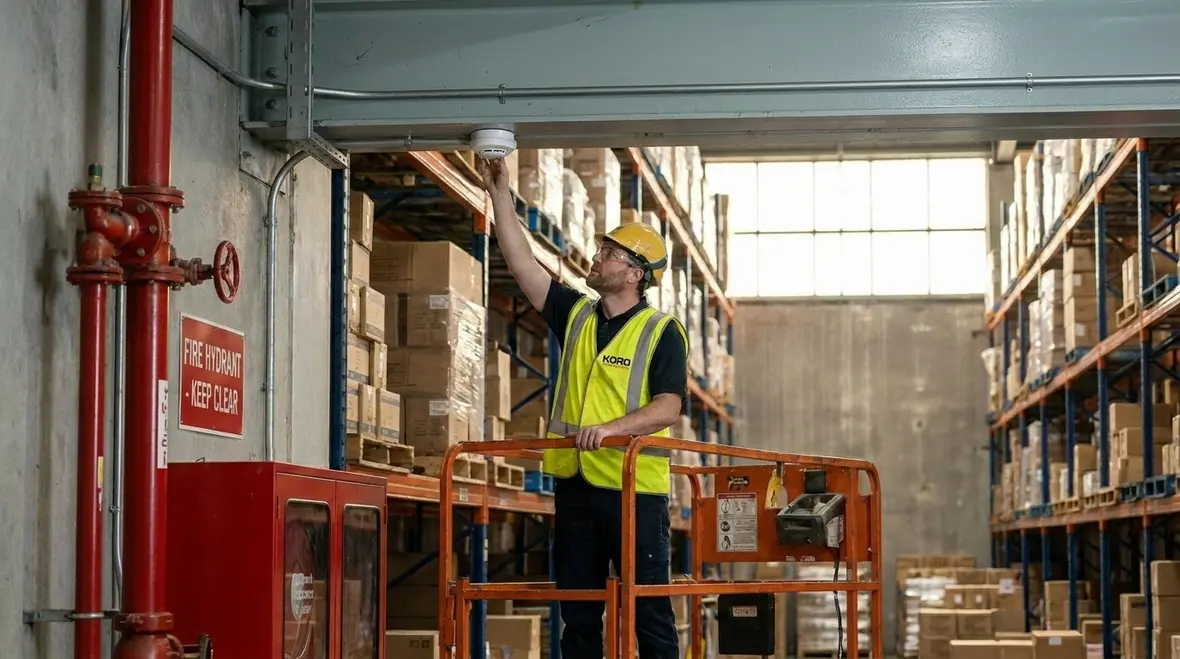
Then, detectors require attention. Sensors can accumulate dust or shift due to heat and vibration exposure. Consequently, cleaning, calibration checks, and functional tests help ensure response remains accurate. Sprinkler systems need water flow verification and inspection of relevant valves. If gaseous suppression exists, the technician confirms cylinder integrity, pressure readings, and agent release pathways. Foam systems also require careful checks of concentrates, proportioning equipment, and test drainage practices.
In addition, Kord Fire Protection technicians recommend that facilities maintain clear records. That means documented tests, repaired components, updated floor plans, and training notes for the response team. When the facility changes, they can re-evaluate coverage rather than waiting for an alarm that nobody trusts.
Finally, maintenance should connect to operations. If a manufacturing line runs on a new solvent or a new chemical, someone must inform the fire protection team. Otherwise, the system may remain tuned to the old hazard, and that is like wearing last year’s safety gear in this year’s weather.
Relevant NFPA and local code requirements
Industrial fire protection systems operate under a rules framework designed to protect life and property. While local jurisdictions can add details, NFPA standards often guide planning, inspection, testing, and impairment procedures.
For many facilities, NFPA 72 covers fire alarm and signaling systems, including requirements for testing, documentation, and supervision. For sprinklers and water based suppression, NFPA 13 often applies. For foam systems, facilities commonly reference relevant NFPA foam protection guidance. In addition, if gaseous extinguishing systems exist, NFPA 2001 becomes important. Meanwhile, emergency planning ties into NFPA 10 for portable extinguishers and NFPA 1600 for disaster and emergency preparedness in many contexts.
Local code requirements also matter because municipalities and states interpret standards through adopted amendments. Therefore, businesses should coordinate with their AHJ, which is the authority having jurisdiction. Kord Fire Protection technicians often work directly with facility managers and compliance teams to keep installation and ongoing work aligned with the local expectations.
In practice, that means inspection frequency, documentation formats, and impairment rules get handled properly. So when a valve is taken out of service for work, the facility does not accidentally “turn off” protection without a documented plan.
FAQ for industrial fire system reliability
Using these systems wisely for industrial facilities
Fire protection systems for industrial facilities work best when leaders plan beyond installation. First, they should train staff on what alarms mean, where they should go, and how to report hazards. Next, they should keep floor plans and process descriptions updated so design assumptions stay accurate. Then, they should schedule inspections to catch drift early, because small issues tend to grow when nobody looks. Lastly, they should use a qualified team like Kord Fire Protection technicians to review changes, test performance, and keep compliance documents current. That way, the system does its job before the fire even gets a vote.
Call Kord Fire Protection for a safer industrial plan
Industrial risks do not wait for approval meetings, and neither should fire safety. Kord Fire Protection technicians can evaluate hazards, review your current setup, and recommend upgrades that fit your processes and code needs. They can also build a clear maintenance plan so performance stays dependable, season after season. If your facility wants fewer surprises and faster, smarter protection, it is time to act. Request an assessment today and get confidence that your fire protection systems deliver when it matters.
Know Your Weapon Before You Fight the Flame
Kord Fire Protection is your go-to when it comes to all things fire protection. For over 20 years, we’ve been serving Southern California with the quality service and equipment to keep your home or business safe at all times. Our competitive prices reflect our unwavering commitment to protecting what matters most in the event of a fire emergency. Give us a call, send an email, or use that form!

Join Our Newsletter!
Get the latest fire safety tips delivered straight to your inbox From our Newsletter.