Engine Compartment Fire Suppression by Kord Fire Protection
An engine compartment fire is one of those “don’t wait for the smoke to get worse” emergencies. With engine compartment fire suppression, operators can act fast, protect valuable equipment, and reduce the odds that a small problem turns into a major shutdown. However, systems only perform well when they are chosen correctly, installed cleanly, and maintained on schedule. That is where Kord Fire Protection can become a vital partner, because the work does not end at installation. It continues through inspections, documentation, and readiness checks that help keep vehicles and industrial assets protected when heat shows up uninvited.
What an engine bay suppression system actually does
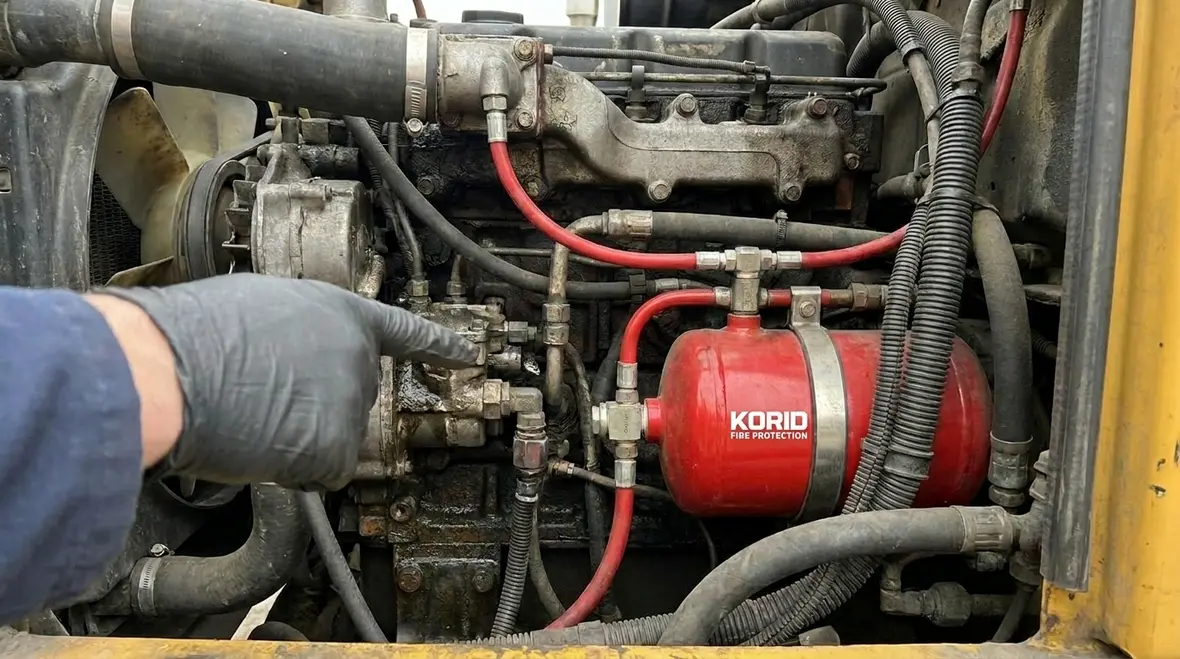
Engine compartments run hot by design, and they hold fuels, oils, wiring, and turbo or exhaust components that can fail in seconds. Therefore, an effective engine compartment fire suppression approach detects a fire early and then releases an agent quickly enough to stop the fire from growing. In many setups, the system uses heat or flame detection, activates a control module, and discharges into the engine bay.
Instead of relying on a human to notice smoke at the worst moment, the system triggers automatically. As a result, it reduces time to action, limits heat spread, and can help prevent damage that impacts performance and resale value. And yes, that means fewer “why is the whole bay on fire” moments that make even the bravest drivers look like they just lost their favorite streaming show.
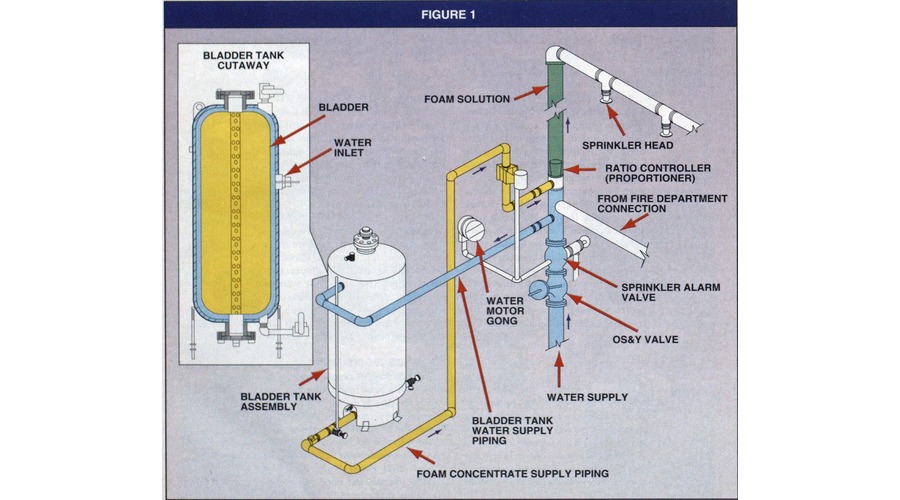
Kord Fire Protection’s vehicle fire suppression systems page explains that these systems are typically built around detection sensors, a control panel, suppressant storage, discharge capability, and a distribution network. That practical structure is exactly why engine bay protection is about more than a bottle and a bracket. It is a coordinated response built to react when a person may only have seconds to spare.
Key components that determine real world performance
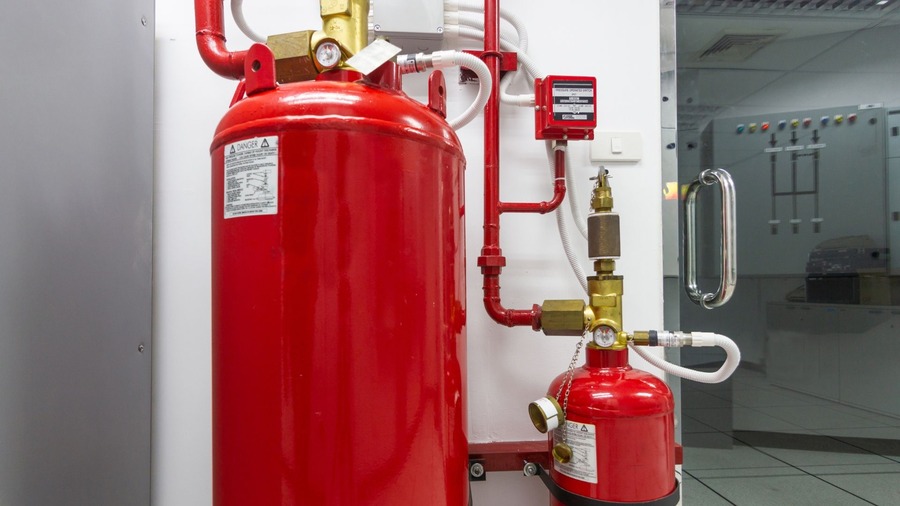
A suppression system is not just a canister and hope. It includes several parts that must work together. First, detection elements identify the event using heat patterns or other signals. Next, the control panel confirms conditions and initiates discharge. Then comes the agent container, valves, tubing, and nozzles that deliver the extinguishing media to the right locations.
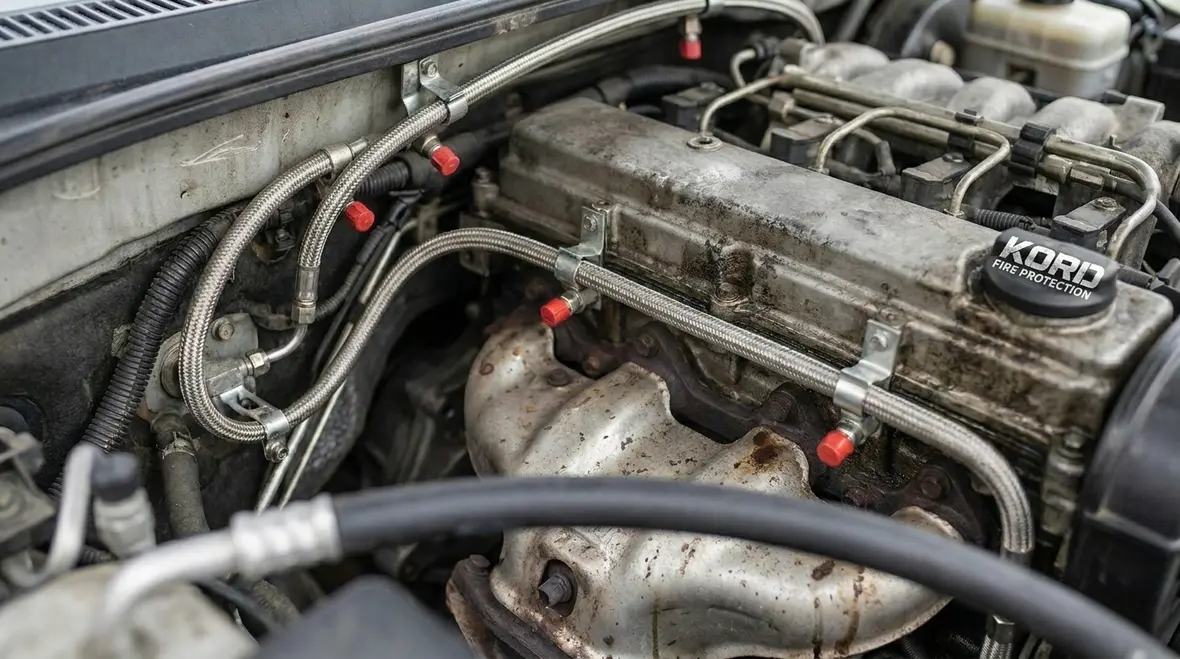
Additionally, the layout matters. If nozzles point poorly or tubing routes trap damage, the agent may not cover critical zones. Meanwhile, wiring integrity and proper connector sealing can decide whether the system activates during an actual event. Kord Fire Protection typically supports clients through planning, installation standards, and follow up verification so the pieces behave like a team, not like a group project where nobody reads instructions.
Why design details matter more than brochure promises
In real operating conditions, vibration, dust, heat cycles, and repair work all test the system. A clean layout on day one can become a compromised setup months later if tubing gets bumped, nozzles get blocked, or wiring takes on wear. That is why Kord’s lifecycle focused approach matters. The same logic shows up in the company’s vehicle fire suppression systems maintenance guide, where maintenance is framed as the difference between hoping and knowing.
Common fire sources in engine areas
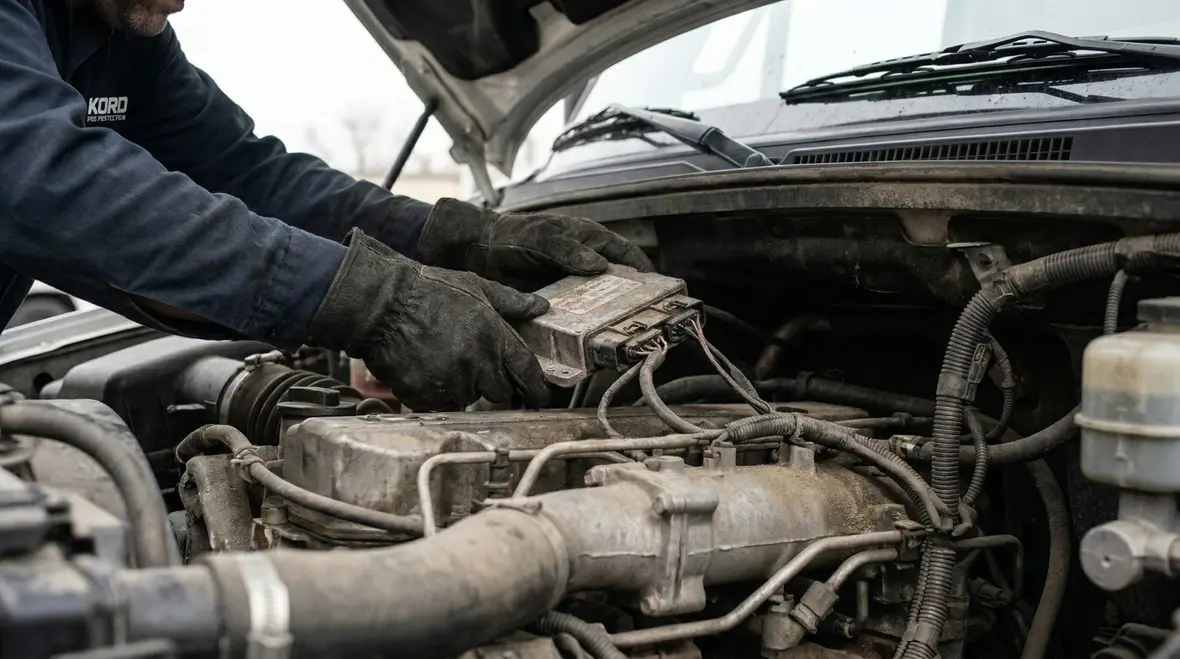
Engine bay fires often start quietly and escalate fast. Common causes include fuel leaks, oil mist ignition, electrical shorts, overheated components, and damaged hoses near hot surfaces. Furthermore, aftermarket parts can introduce new risk. A poorly routed wire harness, a non rated fitting, or an incorrect sensor install can create a chain reaction.
Then there is debris. Dust, road grime, and accumulated oil can act like kindling around hot exhaust sections. Therefore, technicians should treat the engine compartment like a system, not a collection of parts. They consider the environment, the workload, and the operating temperatures. When Kord Fire Protection reviews these conditions, it helps align the suppression method with the real hazards, not just the “generic label on the box” approach.
Hazards shift when the equipment changes
Repairs and upgrades can quietly reshape fire risk. A relocated hose, a replacement turbo, extra electrical accessories, or even a shielding change can alter where the hottest zones sit and how quickly flames might spread. That is one reason ongoing review is so valuable. The engine bay you protected six months ago may not be identical today, even if the equipment still wears the same serial number and insists it is doing just fine.
How installation and placement affect coverage
Even when the equipment meets specifications, performance can fail if placement and routing are off. For instance, technicians must position nozzles so the agent reaches the hottest areas and likely ignition points. They also need to respect clearances from belts, moving parts, and exhaust heat shielding so discharge does not interfere with safety systems or create new hazards.
Moreover, the system must integrate with the engine compartment design. Tight bays, custom housings, and added equipment require careful mapping. As a result, the install team should review schematics, confirm mounting points, and validate tubing routing. Kord Fire Protection helps clients handle these details with a focused, business like process that keeps the job efficient, documented, and aligned with safety expectations.
Inspection, testing, and maintenance that actually matter
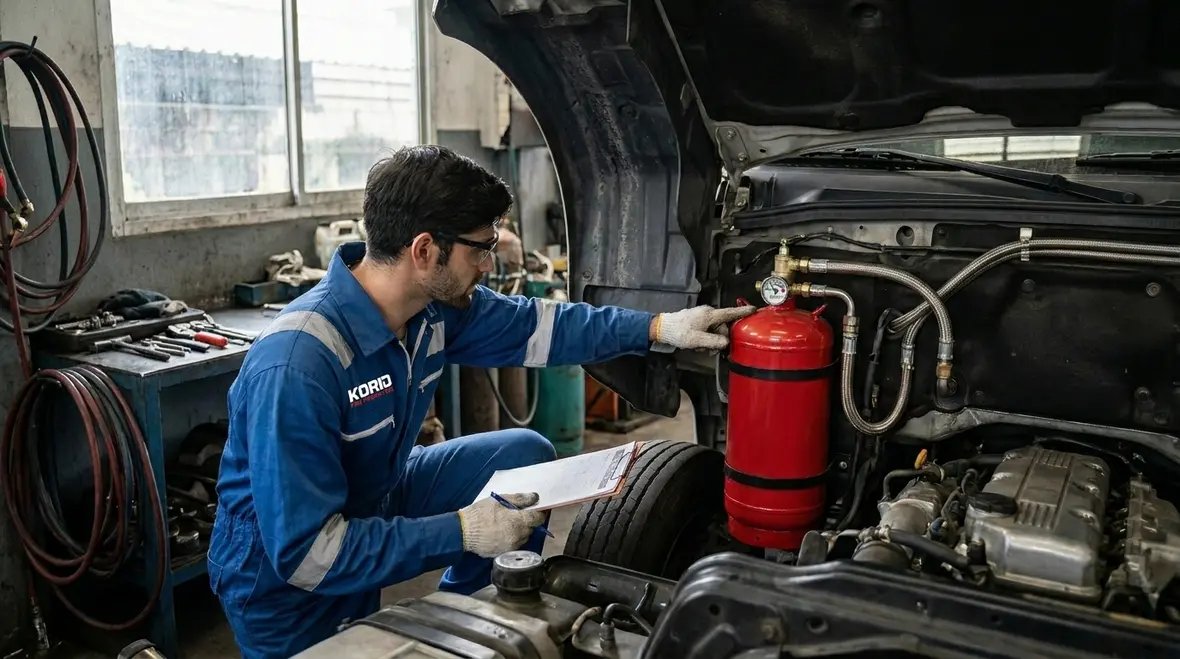
A fire suppression system is not a set it and forget it product. Over time, components can corrode, connections can loosen, and discharge paths can shift due to vibration or repairs. Consequently, a strong maintenance plan includes scheduled inspections, pressure or indicator checks when applicable, and verification of detection and control functions.
In addition, technicians should review service history and monitor how repairs change the bay layout. If an engine component moves, the hazard points may move too. Therefore, Kord Fire Protection can act as a long term partner by tracking maintenance intervals, supporting compliant documentation, and performing readiness checks that help prevent surprises.
Think of it like a seatbelt. It does not earn trust on day one. It earns it when it keeps working after thousands of miles, potholes, and the occasional “I swear it sounded fine yesterday” repair shop visit.
Documentation is not paperwork for paperwork’s sake
Records help confirm what was inspected, what changed, what was repaired, and what still needs attention. That matters for internal planning, for audits, and for simple operational confidence. When teams can quickly see maintenance intervals, previous findings, and correction dates, they spend less time guessing and more time keeping assets ready for work.
Choosing the right agent and system design for the job
The agent type, discharge method, and system design depend on the vehicle or equipment, compartment size, and hazard profile. Some systems rely on clean agents that reduce residue, while others use agents that can create specific thermal effects to suppress flames. The best solution depends on what risks exist and what recovery matters to operations.
Additionally, the system must consider where personnel and electronics sit, as well as how quickly the unit needs to shut down or remain operable. Therefore, Kord Fire Protection often helps clients match design choices to operational requirements so the system supports the business, not just the safety checklist.
Kord also highlights broader suppression planning through its fire suppression system design, types and maintenance resource, which reinforces a simple truth: the right design is the one that actually fits the hazard, not the one that merely sounds impressive in a meeting.
How Kord Fire Protection supports the full lifecycle
Many vendors sell the equipment and move on. Kord Fire Protection supports the full lifecycle so clients do not end up with a system that looks good in photos but struggles in real conditions. That partnership mindset typically includes evaluation, compliant installation support, inspection planning, and ongoing maintenance coordination.
Moreover, Kord Fire Protection focuses on clear communication and practical documentation. In the real world, that means fewer delays during audits, easier scheduling, and less confusion when fleet managers or facility leads need proof of readiness. As a bonus, it also helps teams train around what the system does and when it activates, so people know how to respond after a discharge.
That same full service mindset appears across Kord’s broader fire protection services, where inspection readiness, scheduling support, and ongoing service are treated as part of one connected safety strategy. For organizations managing fleets, facilities, or industrial assets, having one dependable partner can remove a lot of friction from the process.
Dual column: what to track after installation
FAQ
Engine bay protection moves from “installed” to “trusted”
When a fire starts, seconds matter. Kord Fire Protection helps clients plan, install, and maintain engine compartment fire suppression systems so they perform when the heat shows up. If the equipment is already in place, Kord can review readiness and support compliant maintenance. If the system is not yet installed, Kord can help match the design to the actual hazards and layout of the engine bay.
Take the next step today and build dependable protection into everyday operations. To explore a service built specifically for rolling equipment and high risk engine spaces, visit Vehicle Fire Suppression Systems. If you need broader support across suppression, alarms, extinguishers, and inspection readiness, Kord’s full fire protection services provide a strong next conversation and a practical call to action.

Join Our Newsletter!
Get the latest fire safety tips delivered straight to your inbox From our Newsletter.