
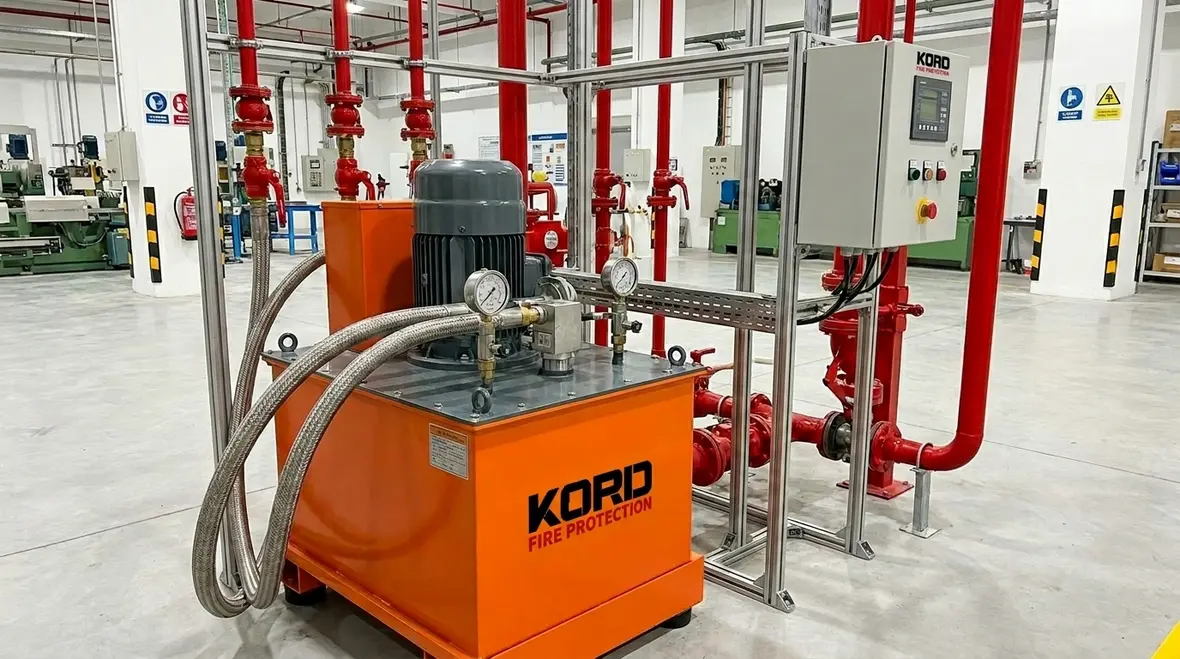
Hydraulic Equipment Fire Suppression Safety Plan
Hydraulic equipment fire suppression: the safety plan that actually keeps people working
Fire suppression for hydraulic equipment protects critical machinery, reduces downtime, and helps prevent a small problem from turning into a full production crisis. In facilities where hydraulic lines, pumps, and motors run all day, hydraulic equipment fire suppression matters because these systems carry pressure, heat, and fuel in one tight package. When leaks spray mist or fluid onto hot surfaces, the fire risk rises fast. Therefore, a well designed suppression approach can shut the situation down early, before smoke spreads into other areas. And yes, it is possible for a “quick fix” to become a long night. No one wants that. Kord Fire Protection can bring the experience, documentation support, and field readiness to make the job smoother and the risk lower.
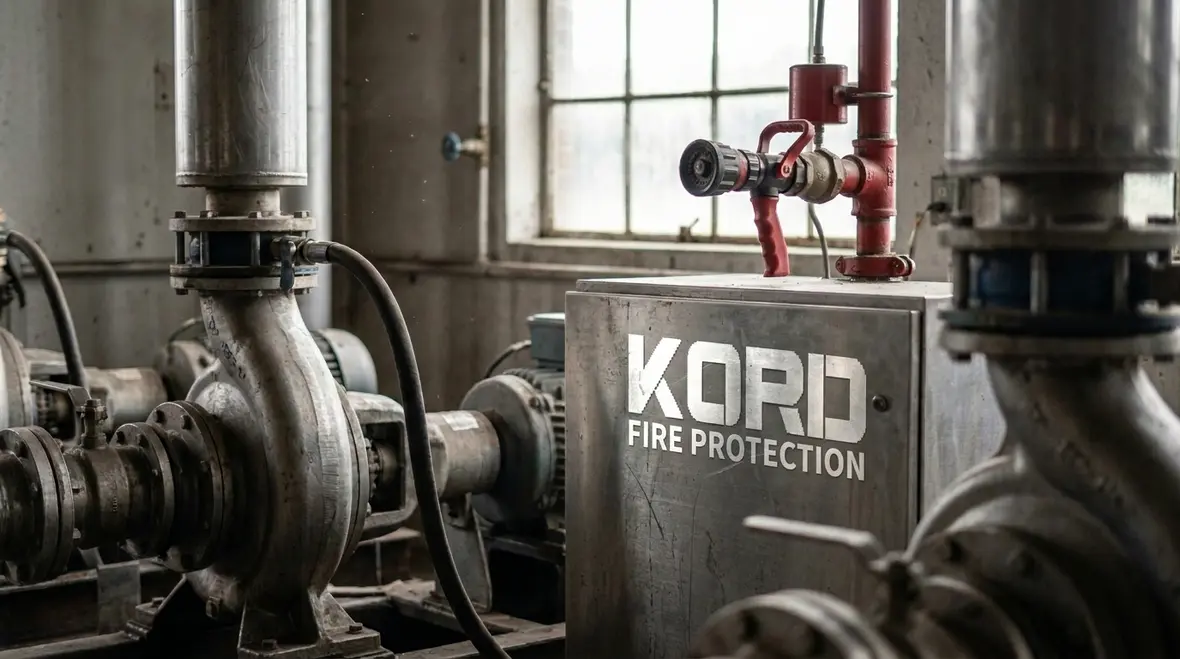
Where hydraulic fires start and how they spread
Most hydraulic fires do not begin with dramatic explosions. Instead, they start quietly, and then they escalate. First, a hose fails, a fitting loosens, or a seal ages. Then hydraulic fluid sprays onto a hot component or a sparking motor. At that point, ignition can happen quickly, especially when the fluid atomizes into fine mist. After ignition, the fire grows because many hydraulic fluids contain combustible components.
Next, heat and smoke move through the machinery enclosure, cable trays, and nearby structure. Even if flames look contained at first, radiant heat can ignite rags, insulation, or accumulated residue. Meanwhile, pressurized systems can keep feeding the fire until the supply stops. That means the suppression plan must consider both the fire and the equipment that keeps it alive. In short, effective fire suppression for hydraulic equipment is built around fast detection, timely discharge, and safe shutdown coordination.
Why hydraulic hazards escalate so quickly
Hydraulic systems have an unfair advantage in the worst possible way. They combine combustible fluid, mechanical pressure, hot surfaces, and enclosed spaces. If a leak forms under pressure, the spray pattern can spread the fuel source farther than people expect. That means the initial flame is often only part of the problem. The system can keep contributing fuel until shutdown happens, which is why detection and isolation deserve just as much attention as the suppression agent itself.
What a strong suppression strategy includes
A solid strategy does not rely on a single “magic device.” Instead, it combines equipment, detection, agent selection, and placement rules. Initially, the system assessment identifies the hazard points, such as pump rooms, hydraulic power units, and enclosure boundaries. Then it verifies the risks from fluid type, expected spray pattern, and possible ignition sources.
After that, the design focuses on coverage. Coverage means the agent can reach the burning surface area and can interrupt the combustion process. Furthermore, the system must work within the hydraulic environment, where vibration and tight clearances can make mounting tricky. Kord Fire Protection often supports projects by coordinating design intent with real world site conditions, so the system looks good on paper and behaves well in the field.
Finally, the plan addresses activation logic and response time. Detection and control should trigger early, not after flames get comfortable. Because when fire waits, it teaches the facility to pay attention the hard way. Nobody wants the school of hard knocks, especially when budgets and schedules are already strained.
Core elements that deserve zero guesswork
Hazard mapping around pumps, lines, reservoirs, and enclosures
Detection that reacts early enough to stop fire growth before it gets comfortable
Agent placement that matches the actual geometry instead of the imaginary ideal version of the machine
Shutdown coordination so the system can stop the fuel source and not just argue with it
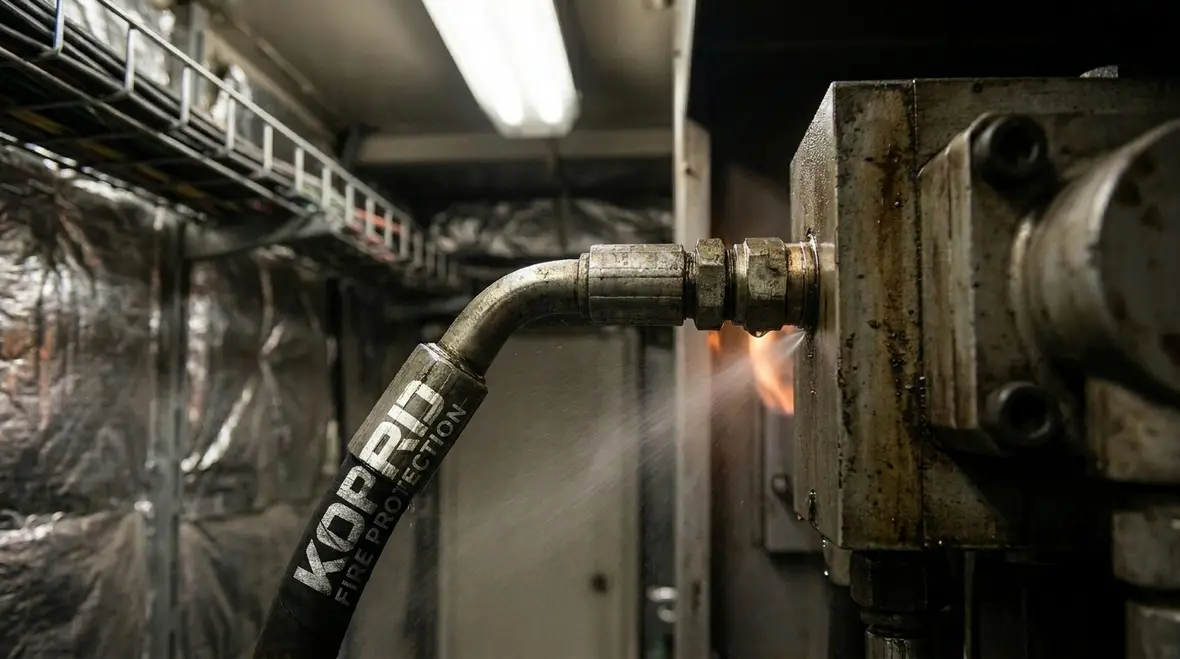
Choosing the right agent for hydraulic equipment
Agent choice depends on the specific hydraulic setup and the surrounding environment. Some facilities prioritize fast knockdown for visible flames. Others focus on minimizing residue and protecting electronics. Therefore, the right hydraulic equipment fire suppression system evaluates fluid hazards, enclosure size, airflow patterns, and occupancy considerations.
In many industrial settings, clean discharge and controlled application matter. Moreover, the system should consider post event cleanup and business continuity. If the plan leaves the area coated in messy residue, restart time grows. If it reduces exposure to damage, maintenance teams can move on sooner.
In addition, installers must consider compatibility with the equipment and any coatings. Heat, pressure, and chemical interactions can influence agent performance and long term reliability. As a result, professional system selection becomes part science, part experience, and part “please don’t break the machine while saving it.” This is where Kord Fire Protection can act as a vital partner, helping align the design with practical constraints.
Facilities that already manage mobile equipment or mixed industrial hazards may also benefit from reviewing Kord Fire Protection’s Vehicle Fire Suppression Systems service page for related protection concepts involving hydraulic risks, detection, and rapid discharge strategies. That connection becomes especially useful when fixed hydraulic hazards and vehicle based hydraulic systems overlap inside the same operation.
Selection questions worth asking early
How much residue can the area tolerate before cleanup delays restart?
Will airflow, heat load, or enclosure leakage reduce discharge effectiveness?
Are sensitive electronics or coatings nearby that require a cleaner approach?
How quickly can the hydraulic energy source be isolated after actuation?
System design details that prevent failure on day one
Even the best agent fails if the system is laid out poorly. First, the design must handle installation realities like vibration mounts, cable routing, access panels, and service clearance. Then it must ensure the nozzles, tubing runs, and detection devices match the actual hazard geometry.
Next, engineers consider water mist, foam, or gas based options depending on the risk profile and site standards. They also check ambient temperature and response timing. Furthermore, the design should coordinate with emergency shutdown procedures. Hydraulic equipment often needs power isolation to stop continued fluid spraying. So, suppression and shutdown must work together like a good team, not like two people competing on a treadmill.
After installation, commissioning and acceptance testing prove the system can perform as intended. That includes verifying actuation sequences, alarm signaling, and correct coverage. Kord Fire Protection can help teams maintain that credibility by ensuring documentation, testing records, and inspection readiness stay organized. This keeps compliance stress from turning into weekend stress.
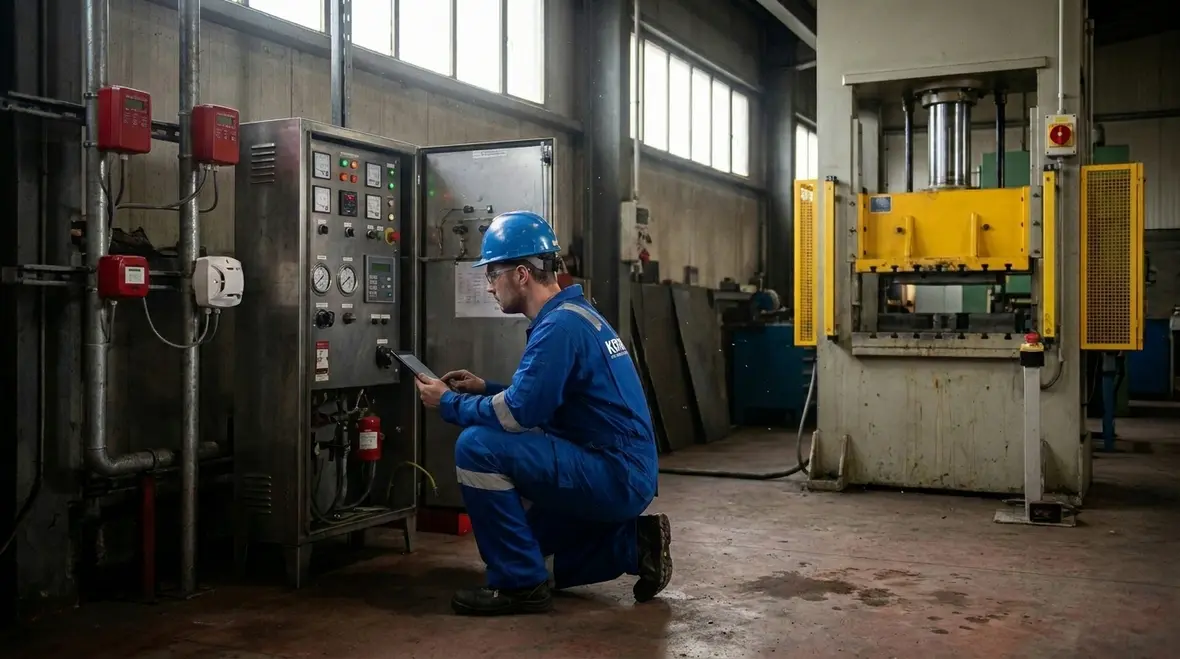
Commissioning checkpoints that matter
Nozzle placement actually aligns with the real hazard zone
Detection and controls trigger the intended sequence without delay
Shutdown actions isolate hydraulic energy and reduce continued spray
Records are organized so inspections do not feel like a scavenger hunt
Monitoring, inspection, and maintenance for long term protection
Fire suppression for hydraulic equipment does not run on vibes. It runs on maintenance. Over time, vibration and dust can affect detection performance. Valves and lines can experience wear if not inspected on schedule. Therefore, the facility should follow a maintenance plan that includes inspections, functional testing, and component verification.
Just as important, teams need to train personnel. They should know what alarms mean, who responds, and how to secure hydraulic power safely. When training is clear, response times drop and damage control improves. In addition, maintenance logs should track changes to hydraulic layouts, fluid types, or equipment moves. If a machine gets reconfigured and the suppression coverage does not update, the protection can quietly degrade.
Kord Fire Protection can become a vital partner here as well. By staying involved through inspections and upgrades, the company helps ensure the system stays aligned with the current hazards, not yesterday’s setup. That continuity reduces surprises and supports smoother audits. For broader support across industrial properties, Kord Fire Protection also offers Fire Suppression Services that can help connect hydraulic risk control with wider facility protection goals.
How Kord Fire Protection supports hydraulic suppression projects
When a facility plans hydraulic system upgrades, they often also need fire protection that keeps pace. Kord Fire Protection can support the full life cycle, from design coordination to field verification. That matters because hydraulic equipment is rarely static. Pumps get replaced. Enclosures change. Tubing gets rerouted. If the fire suppression plan does not adapt, risk returns like a pop quiz you never studied for.
In many cases, partnering with Kord Fire Protection helps teams manage deadlines and documentation requirements. Also, their experience can reduce rework by catching installation issues early. Then, their involvement during commissioning and inspection can keep the facility audit ready. Finally, ongoing service can help the organization maintain confidence that protection remains dependable.
Action | Why it matters |
Hazard assessment at pump rooms and enclosures | It matches suppression coverage to how hydraulic fires actually start and spread |
Appropriate agent selection for the environment | It supports knockdown while considering cleanup and equipment protection |
Design that accounts for vibration, clearances, and access | It reduces the chance of poor installation and coverage gaps |
Commissioning and acceptance testing | It confirms the system triggers correctly before it faces real heat |
Scheduled inspection and training | It keeps performance reliable and response clear over time |
FAQ about fire suppression for hydraulic equipment
Ready to protect your hydraulic systems before the problem shows up?
Fire suppression for hydraulic equipment works best when it is designed for the real hazards, installed with care, and maintained with discipline. If your facility needs a new system, an upgrade, or a confidence check after equipment changes, Kord Fire Protection can help guide the process from assessment to service. They act as a steady partner, so your protection stays dependable and your downtime stays shorter.
If you are ready to review hydraulic hazards with a team that also supports inspections, testing, installation, and ongoing service, connect with Kord Fire Protection through their Fire Suppression Services page. It is a practical next step for facilities that want fewer surprises, better documentation, and protection that keeps up when equipment changes do what equipment changes always do: show up at the least convenient time.

Join Our Newsletter!
Get the latest fire safety tips delivered straight to your inbox From our Newsletter.



