Emergency Fire Suppression Service When Urgency Hits
When a fire alarm screams or a system trips, minutes feel like hours. In those moments, the right response matters, and that is exactly where an emergency fire suppression service earns its keep. This type of service helps protect people, property, and operations when a suppression system or related detection fails or activates unexpectedly. Then the clock starts to tick, and decisions have to be made fast, based on what counts as urgent.
In this article, third party responders and property teams learn what emergencies look like, how urgency gets judged, and why Kord Fire Protection can become a vital partner when the job turns into more than a routine call. Because in real life, nobody wants to be the person who says “it’ll be fine” and then watches smoke prove them wrong. Not a great look for anybody.

What counts as urgent in a fire suppression emergency?
Urgency usually depends on life safety, system status, and risk to the building. A typical schedule and a normal maintenance timeline do not apply once conditions shift. Instead, responders treat the event as urgent when the fire suppression system or its control logic indicates danger, even if flames are not visible yet.
Common urgent triggers teams should never shrug off
- Active discharge or unexpected release from a sprinkler, preaction, deluge, or special hazard system
- Fire alarm activation tied to suppression zones, including water flow, tamper, or supervisory signals
- Loss of pressure or a controller fault that stops the system from doing its job
- Evidence of fire, heat, or smoke in areas protected by special hazard systems
- Compromised detection that could delay suppression, such as damaged smoke or heat sensors
- Building shut down conditions where teams need safe restart steps after a system event
Also, if the event affects egress, electrical systems, or critical storage, urgency rises quickly. In short, when the fire suppression system cannot reliably protect occupants, the response needs speed and calm coordination. That same idea shows up in Kord Fire Protection’s article on fire suppression system integration for life safety, which explains why coordinated performance matters long before an incident decides to test everybody’s nerves. ([kordfire.com](https://kordfire.com/fire-suppression-system-integration-for-life-safety/?utm_source=openai))
Why emergency response time matters more than people think
Fire behavior does not wait for paperwork. Therefore, when the response is slow, the risk grows in a way that can feel unfair. Smoke spreads fast, and heat can damage wiring and structural elements even when flames look contained at first.
Additionally, suppression systems act best when they connect the dots early. For example, if detection occurs but the suppression equipment fails to operate, the building can shift from manageable to major incident very quickly. Meanwhile, if the system discharged and the building staff needs a safe process to reset, delay can cause downtime and confusion.
So, emergency response time matters because it supports three outcomes at once: it helps stop fire growth, it protects evacuation routes, and it reduces the chance that the next alarm turns into a bigger emergency. Think of it like Netflix buffering. Everyone hates it, but here the cost is far higher.
How teams judge urgency during a suppression system incident
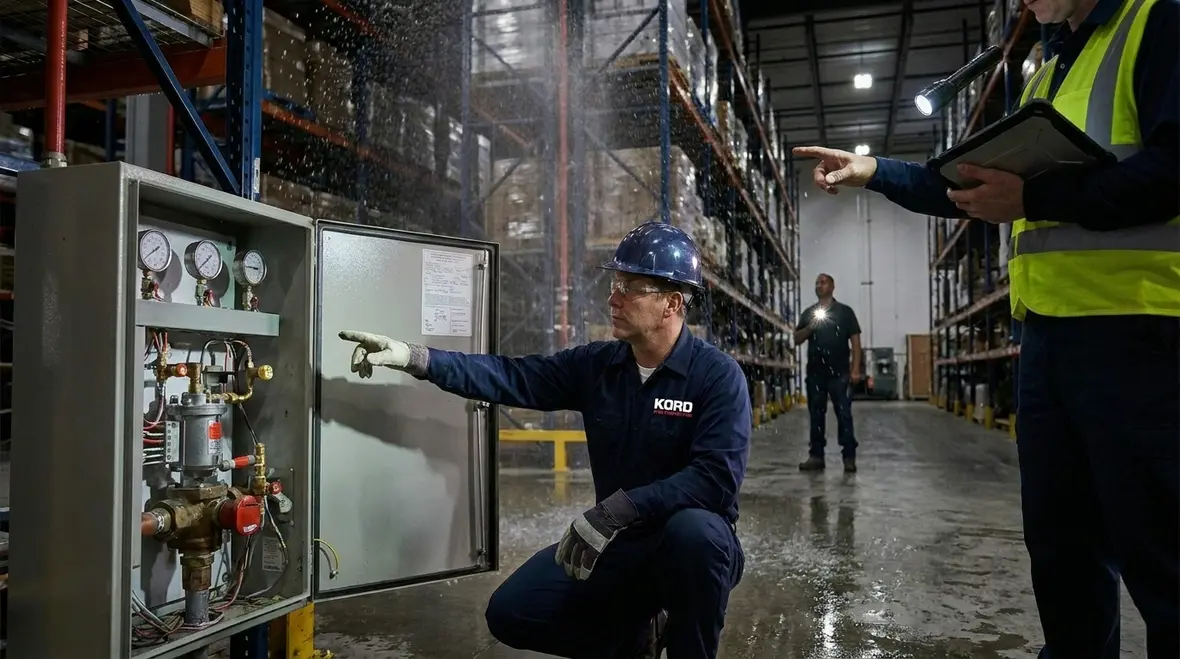
Professionals use a practical set of checks to decide whether the situation needs immediate escalation. They do this by focusing on what the system reports and what occupants experience.
The factors that shape a real urgency call
- System type, such as wet, dry, preaction, deluge, or clean agent systems
- Signal meaning, including water flow, valve position, trouble signals, or low pressure
- Location and occupancy, since a hospital, warehouse, or data space carries different risks
- Fuel load and hazards, like flammable liquids, aerosols, or stored commodities
- Whether fire is confirmed or still suspected
- System operability, meaning the equipment can still respond after the event
Then, they match the findings to the response level. For instance, a supervisory trouble in a non-critical area might still need action, but it is not the same as a suppression fault during suspected fire conditions. Also, once the system discharges, the site typically requires documentation, cleanup coordination, and a safe reset plan. That part often gets overlooked until it becomes urgent, like searching for the spare key after locking yourself out.
This is also where broader planning matters. Kord’s piece on building fire safety emergency planning for commercial facilities fits naturally here because urgency goes down when teams already know who verifies signals, who communicates with occupants, and who owns the restart checklist. That is not glamorous, but neither is chaos. ([kordfire.com](https://kordfire.com/kord-blog/?utm_source=openai))
Signs the situation may require an emergency fire suppression service call
Even teams that handle safety well can miss subtle warning signs when they feel rushed. Therefore, it helps to know the common signals that call for emergency attention.
Signals that usually mean it is time to escalate
- Repeated alarm activations tied to suppression zones, especially after resets
- Valve supervisory signals that suggest a valve is not in the correct position
- Ongoing trouble indicators that reduce system reliability
- Low air or low pressure in dry systems or related compartments
- Odor, heat, or visible smoke near protected equipment even without clear flames
- System discharge with uncertainty about the cause or whether protection is still ready
Furthermore, urgency increases if the event disrupts operations in high-risk spaces. For example, a protected electronics room demands fast verification because the wrong delay can create both fire risk and long-term equipment damage. In that scenario, the emergency fire suppression service response becomes part of both safety and business continuity. That concern lines up well with Kord’s article on server room fire suppression for small facilities, especially for sites protecting sensitive equipment that does not appreciate heat any more than people do. ([kordfire.com](https://kordfire.com/server-room-fire-suppression-for-small-facilities/?utm_source=openai))
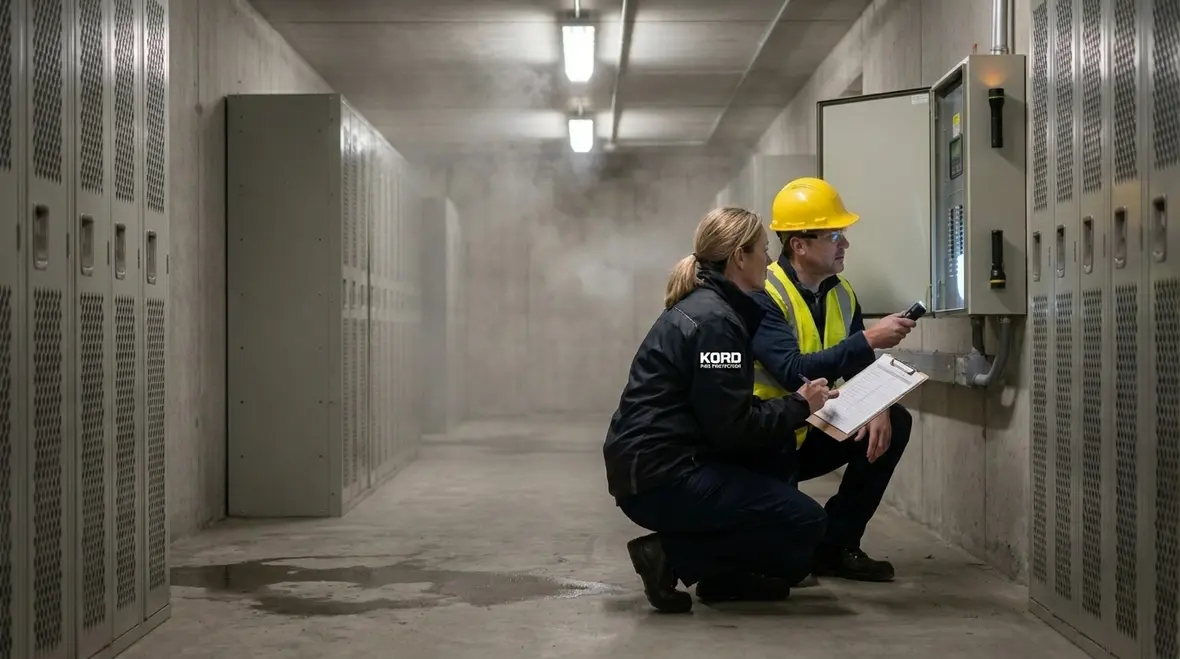
Where Kord Fire Protection fits as a vital partner
Kord Fire Protection can support the entire arc of a suppression emergency, not only the quick reaction. Because after the lights stop flashing and the alarms go quiet, the hard part often begins: restoring reliability, confirming system readiness, and reducing the chance of repeat failure.
What a strong response partner actually helps with
- Rapid on site coordination so teams understand what happened and what to do next
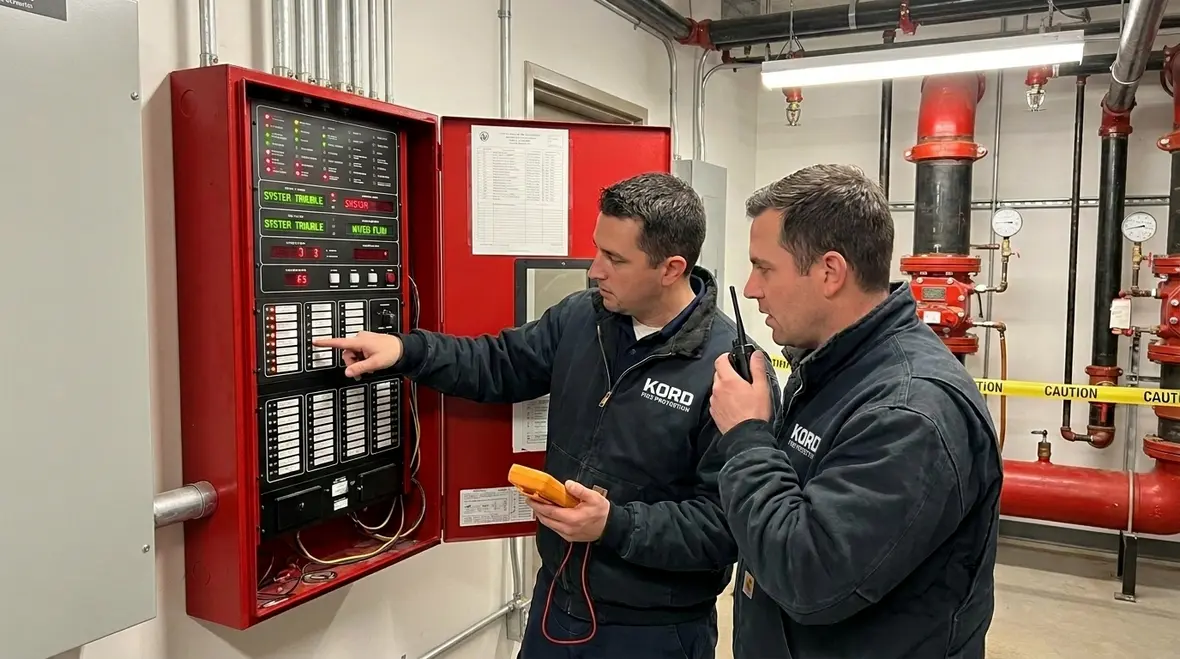
- System verification to confirm operability after alarms, faults, or discharge
- Documentation support for internal reviews and insurance needs
- Follow up repairs and corrective actions that address root causes
- Reset and readiness planning so the building can return to safe use
Also, the best time to build this partnership is before trouble shows up. When Kord Fire Protection already understands the building layout and system configuration, emergency work runs smoother. That reduces confusion, speeds up verification, and helps keep safety decisions grounded in facts. In other words, it is like having a trusted mechanic before the car breaks down. Nobody brags about it, but everyone is thankful.
Kord’s full lifecycle of fire protection servicing reinforces that point by showing how design, inspection, maintenance, repair, and long-term support all connect. Emergency response works better when it is backed by that larger service picture instead of improvised on a stressful afternoon. ([kordfire.com](https://kordfire.com/full-lifecycle-of-fire-protection-servicing/?utm_source=openai))
Emergency suppression vs routine service: what changes?
Routine service focuses on compliance and prevention. Emergency response focuses on immediate risk, verification, and restoration. That difference matters, because urgency changes how teams prioritize tasks.
What shifts when the job stops being routine
- Act first to protect people and confirm system action
- Gather signals, panel data, and field conditions quickly
- Coordinate with building leadership, security, and fire officials
- Verify the system can still operate as intended
- Plan safe reset steps and temporary controls when needed
Meanwhile, routine service typically handles testing schedules, inspections, and planned repairs with time to document and optimize. So while both types of work share safety goals, the emergency path demands faster decisions, clearer communication, and a stronger focus on risk reduction right now.
If a property team wants one place to start near the end of that journey, Kord Fire Protection’s Full Fire Protection Services page brings sprinkler, alarm, extinguisher, service, readiness, and 24/7 emergency support under one roof. It is a practical next step for facilities that would prefer fewer surprises and better backup when urgency hits. ([kordfire.com](https://kordfire.com/full-fire-protection-services/?utm_source=openai))
FAQ emergency service questions
Conclusion: act early, recover fast, and protect the building
When suppression systems signal trouble, urgency is not a feeling, it is a risk reality. Therefore, teams should treat discharge, major supervisory faults, and suspected fire conditions as immediate priorities and engage an emergency fire suppression service for fast verification and safe recovery.
Kord Fire Protection can help move the incident from chaotic alarms to clear next steps, repairs, and restored readiness. If this topic hits close to home, connect with Kord through its Fire Suppression service page or explore Full Fire Protection Services and plan your response before the next incident chooses the timeline for you. ([kordfire.com](https://kordfire.com/fire-suppression/?utm_source=openai))

Join Our Newsletter!
Get the latest fire safety tips delivered straight to your inbox From our Newsletter.