Industrial Fire Pump Maintenance Preventive Schedule Plan
Industrial fire pump maintenance is not a “set it and forget it” kind of job. It is a disciplined routine that helps heavy duty systems stay ready, even when the building’s nobody’s paying attention energy starts to show up. In this article, kord fire protection technicians walk through how preventative maintenance schedules should look in the real world, not the fantasy world where gauges behave and alarms stay quiet.
Because when a fire pump fails, it rarely sends a polite memo first. Instead, it does what fire equipment always does: it demands answers, quickly. And that is exactly why a clear schedule matters. After all, the fire pump does not care how busy the calendar is.
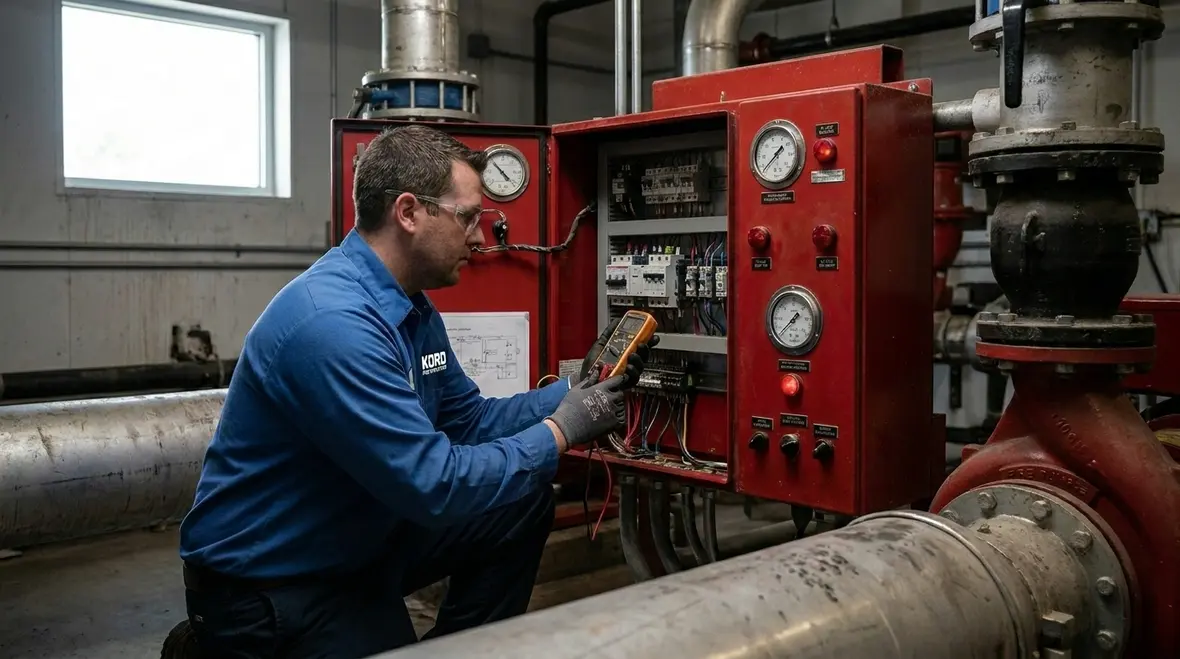
Preventative Maintenance for Heavy-Duty Fire Pumps: A Practical Plan
A good schedule starts by identifying the pump type, the jockey pump setup, controller model, and the water supply conditions. Then it builds a routine around tasks that prevent wear, catch problems early, and verify performance. Moreover, the schedule should match the site’s risk level, past issues, and usage pattern.
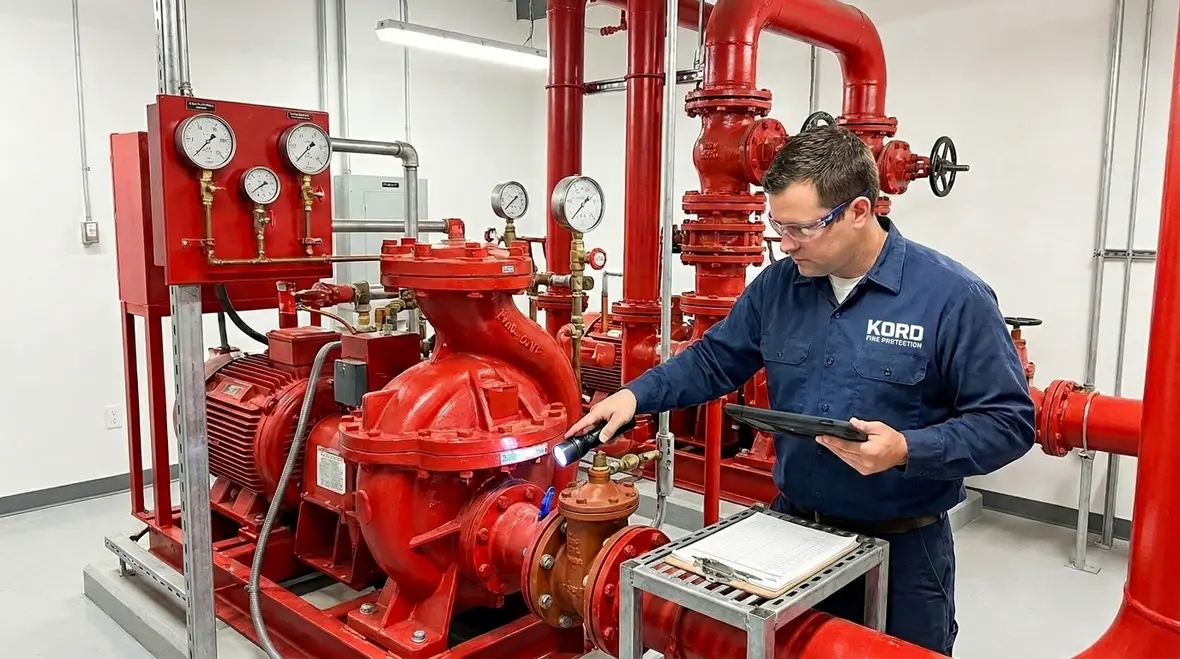
kord fire protection technicians typically organize work in layers. First comes daily and weekly checks that spot obvious problems. Next comes monthly and quarterly tasks that inspect components and confirm readings. Then annual and multi year work addresses deeper service items that cannot be rushed.
In other words, the plan should feel like a maintenance map, not a mystery novel. And yes, even the best pump can get dramatic, but at least the technicians can be prepared. For teams that want a broader view of how ongoing maintenance fits into system readiness, Kord Fire also breaks that process down in Full Lifecycle of Fire Protection Servicing.
Why layered scheduling works better than reactive service
Reactive service usually starts with a symptom. A layered schedule starts with the system before it complains. That difference matters because pump reliability depends on many small details staying boring and predictable. The less exciting the logbook looks, the better the day is probably going.
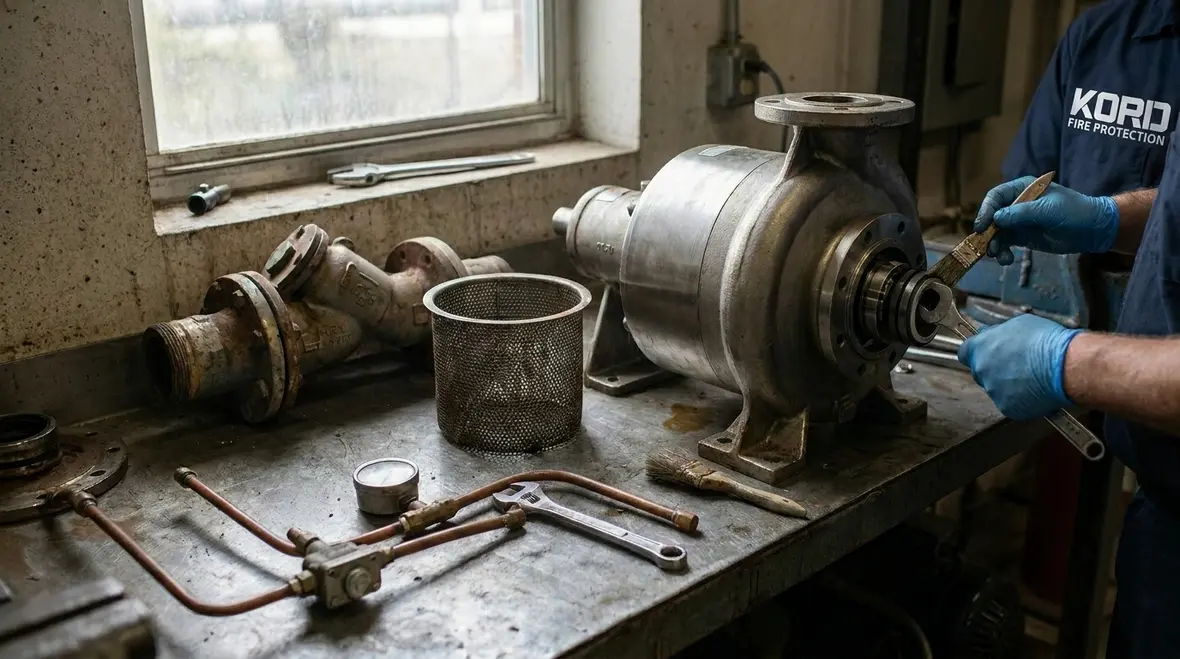
Key Components to Include in the Schedule
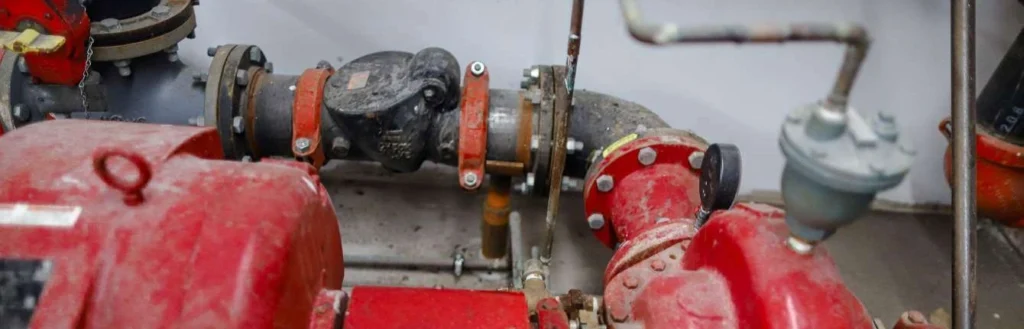
Before setting dates, the maintenance team lists the major parts that affect reliability. That list drives every step of industrial fire pump maintenance afterward, because the system only works as well as its weakest link.
- Pump and motor alignment checks to prevent vibration and seal stress
- Mechanical seals, packing, or seal water arrangements to control leakage
- Strainers and piping checks to reduce flow restrictions
- Controllers, alarm points, and panel indicators to confirm correct control behavior
- Diesel engine systems, if present, including fuel and battery health
- Backflow devices and check valves to avoid unwanted flow issues
- Relief valves and pressure sensing lines to confirm accurate pressure data
Next, the schedule should spell out acceptance criteria for readings. That means the technician does not just “take a look.” Instead, they compare results to manufacturer targets and site standards. As a result, the building team gets evidence, not vibes.
Component lists keep the schedule honest
A written component list also helps when staffing changes, vendors rotate, or responsibilities blur. It creates a repeatable baseline, which is a much better management tool than trusting everybody to remember which pressure line was “the one that acted weird last summer.”
Daily and Weekly Tasks That Catch Problems Early
In many facilities, the pump room logs already exist, but they often stop short of what matters. Therefore, the schedule should define quick checks that an on site operator can do, while kord fire protection technicians confirm details during service visits.
Daily and weekly tasks often include verifying:
- Panel status, alarm lights, and supervisory signals remain normal
- Pressure gauges or transducers show stable baseline values
- Room conditions stay within limits such as temperature, ventilation, and cleanliness
- Visible leaks do not appear around seals, fittings, or drain points
- Battery and charger indicators remain in acceptable condition for controllers
Even if nothing breaks, these checks build a history. Then, when industrial fire pump maintenance reveals a slow change, the team can act before the issue becomes an emergency. It is like watching a budget trend, except the stakes involve water and not snacks.
Kord Fire’s article on Routine Fire Pump Inspections and Their Importance is also a useful companion here, especially for teams tightening up operator checks between formal service intervals.
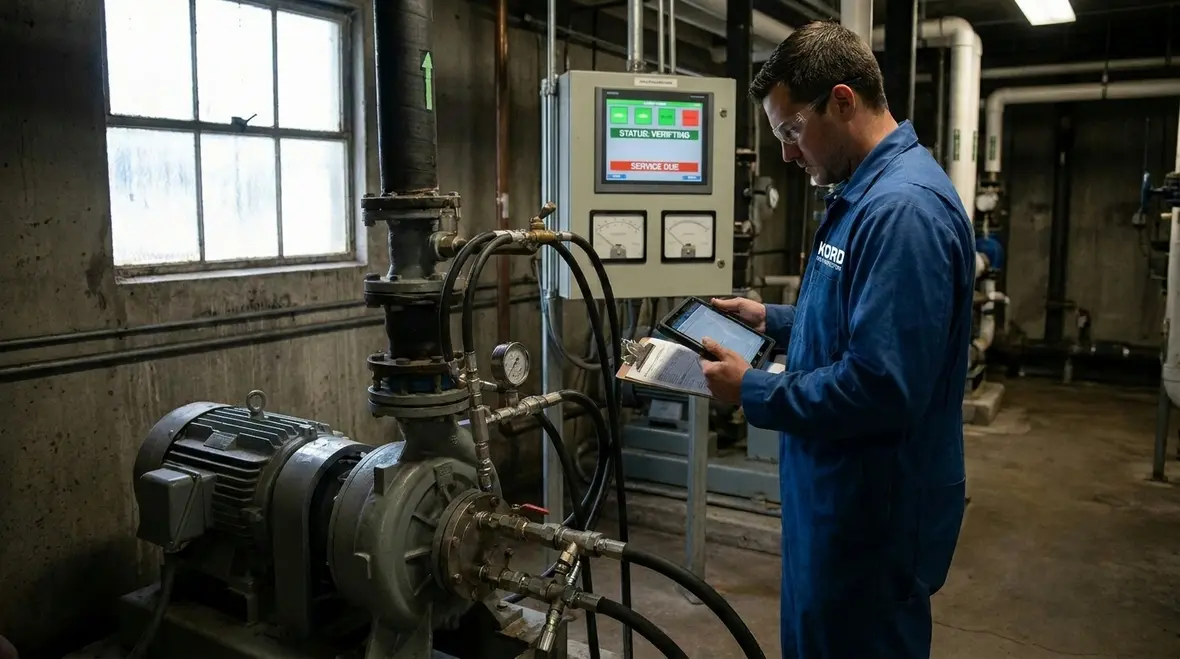
Monthly and Quarterly Checks for Performance and Reliability
At monthly and quarterly intervals, the schedule shifts from “look and listen” to “test and verify.” This is where vibration concerns, valve movement issues, and control logic problems can surface.
Typical tasks include:
- Visual inspection of pump base, supports, and coupling condition
- Drain and flush checks where design allows to reduce debris buildup
- Test of alternation functions for duty and standby pumps if configured
- Inspection of suction and discharge connections for corrosion or loose hardware
- Verification of pressure switch settings and controller trip points
In addition, kord fire protection technicians often confirm that valves required for test mode are correctly positioned and sealed after testing. Also, they verify that test procedures match the site’s approved documentation. Otherwise, one “routine test” can end up changing the system in ways that no one intended.
Monthly and quarterly work is where drift gets caught
Most serious reliability problems do not begin as dramatic failures. They begin as small drift: a setting shifts, a connection loosens, a reading trends off baseline, or a valve ends up almost right instead of actually right. That is exactly why these intervals deserve real attention.
Annual Testing and Deeper Service Work
Annual activities should do more than check a box. They confirm that the pump can deliver the required flow and pressure under conditions that approximate real demand. Furthermore, these tasks typically include equipment service that affects long term reliability.
Common annual schedule items include:
- Full flow testing and performance verification against design curves
- Mechanical seal inspection, adjustment, or replacement as recommended
- Check valve inspection for cracking, sticking, or abnormal wear
- Motor or engine service items such as filters and cooling checks
- Calibration verification for pressure sensors and controller readings
- Inspection of wiring terminations for heat damage or looseness
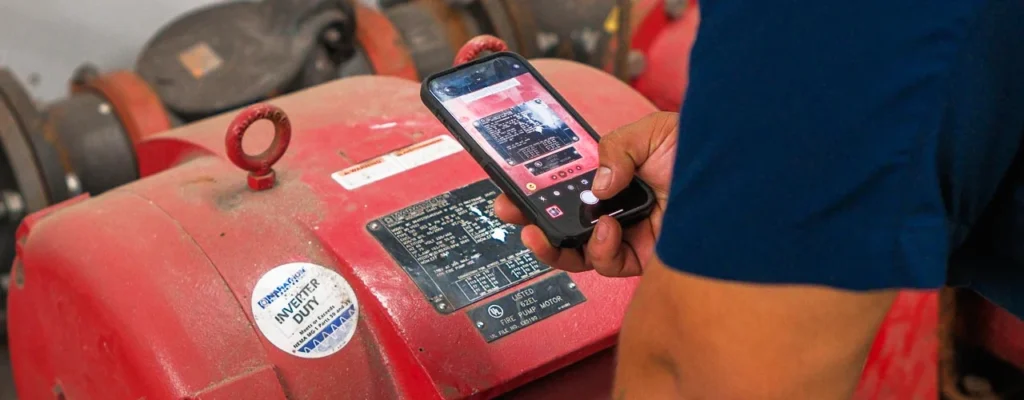
When the technician completes these tasks, they document results clearly. Then the facility team can track trends year to year. This is the part where industrial fire pump maintenance earns its keep, because patterns show up before failure does.
If the team needs a refresher on testing intervals and expectations, Kord Fire’s Fire Pump Testing Requirements – Things To Know is a strong reference point for aligning service tasks with testing discipline.
How to Build a Schedule by Risk and Site Conditions
Two buildings can have the same pump model and still need different schedules. Therefore, kord fire protection technicians factor in operating history, water supply quality, freeze conditions, and staffing. Also, they consider whether the building uses the pumps often for drills or rarely, because both patterns create different wear profiles.
To build a schedule that actually fits, the technicians usually work through these steps:
- Review prior service records and failure or nuisance alarm history
- Check local requirements and internal policies that drive intervals
- Assess water quality impacts such as scaling, sand, or corrosion
- Evaluate valve accessibility and any recurring obstacles during service
- Set clearer frequency for high risk components like seals, strainers, and sensors
And yes, sometimes the real work is convincing the schedule that time exists. But once the schedule matches the site, industrial fire pump maintenance becomes predictable, trackable, and easier to budget. No drama, no surprise overtime, just steady readiness.
Risk-based planning makes the schedule more useful
A risk-based schedule helps teams spend attention where it matters most. A cleaner water supply, stable room conditions, and a strong service history may support smoother routine planning. A tougher environment usually needs tighter oversight. Either way, the schedule becomes a tool for decision making instead of a stack of dates nobody trusts.
Reporting, Documentation, and Quality Control
A maintenance plan only helps when the results are recorded in a way that others can use. That is why the schedule should include documentation standards for what gets checked, what gets measured, and what gets corrected.
To make reporting easier, kord fire protection technicians often align their documentation to a simple structure. In one view, the facility can see actions, dates, and outcomes, while in another view, engineers can review performance results and trends. For example, a dual column layout in internal logs can separate routine checks from performance tests.
Routine checks
Panel status, visible leaks, room conditions, baseline gauge readings, battery indicators, and anything else that answers the question: does the system still look normal today?
Performance and service verification
Flow and pressure results, calibration confirmation, seal or valve service, controller settings, and the deeper findings that show whether the system performs the way it is supposed to perform.
Next, quality control matters. Technicians should verify that after service, the system returns to its correct configuration. Also, they should confirm alarms clear as designed and controllers reflect normal status. When documentation and verification stay consistent, inspections go smoother and the whole team trusts the process.
FAQ: Preventative Maintenance Schedules for Heavy-Duty Fire Pumps
Next Steps: Make Readiness Part of the Budget
Heavy duty fire pumps should not rely on luck. They should run on a schedule that matches the system, the site, and the risk level. kord fire protection technicians can help review the current plan, tighten intervals, and document results so your team can prove readiness.
If industrial fire pump maintenance is overdue or unclear, explore Kord Fire’s Fire Pump Service solutions and schedule a full performance review. That one decision can turn a stressful test day into a calm, professional routine.

Join Our Newsletter!
Get the latest fire safety tips delivered straight to your inbox From our Newsletter.